Our verdict
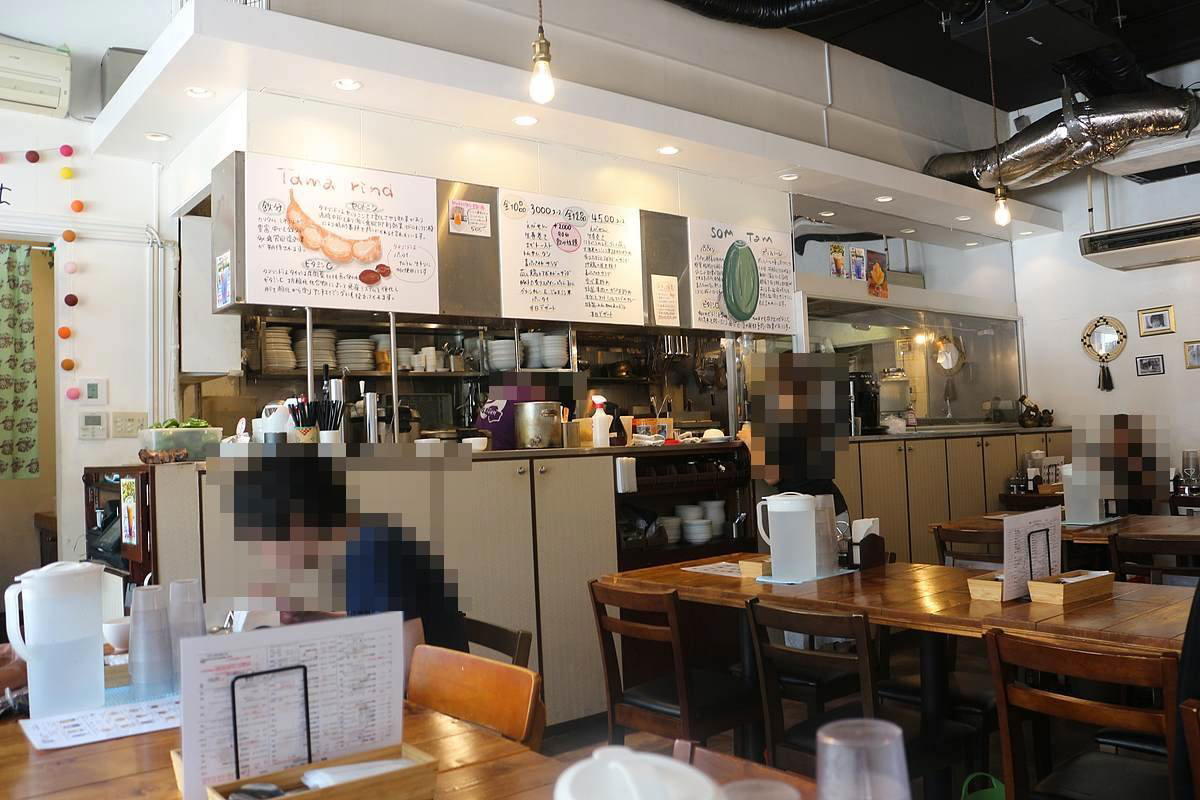
タイ国専門食堂 occupies a first-floor space in Shiba Koen, Minato-ku, positioning itself within Tokyo's broader Thai food scene as a neighbourhood specialist rather than a destination showcase. The name signals intent directly: this is a dedicated Thai canteen, not a pan-Asian approximation. For those tracing authentic regional Thai cooking in a city where such specificity is rarer than it appears, this address in the 2-chome block merits attention.

Pearl is the En Primeur Club membership app, where members save venues, book tables and use the concierge.
The menu
What to order
- カオマンガイ
- カオソーイ
- パッタイ
Thai Cooking in Tokyo: The Case for the Specialist Canteen
Tokyo's relationship with Southeast Asian cuisine has always been filtered through a particular kind of editorial restraint. The city that perfected the omakase counter and the kaiseki procession applies the same category-logic to foreign cuisines: the most serious practitioners tend to occupy small, neighbourhood-specific rooms far from the tourist circuits of Shinjuku or Shibuya. Thai food in Tokyo follows this pattern closely. The most credible addresses are rarely the ones with English menus and glossy interiors. They tend to be the ones with a single regional focus, a fixed format, and a clientele that arrives knowing what they want.
タイ国専門食堂, addressed at 芝公園2-12-15 (大国ビル 1F) in Minato-ku's Shiba Koen district, sits within this specialist tier. The name itself is a statement of purpose: 専門食堂 translates roughly as "specialist canteen" or "dedicated dining hall," a category that carries specific connotations in Japanese food culture. It implies a kitchen with a fixed brief, a menu organised around mastery of a single tradition rather than breadth, and a pace of eating closer to the communal than the ceremonial.
The Ritual of the Thai Table in a Japanese Context
Eating Thai food in Tokyo is not the same experience as eating Thai food in Bangkok, and the leading canteen-format operators in the city understand this without trying to resolve the tension artificially. The Thai meal, at its core, is built around simultaneity: dishes arrive together or in loose clusters, rice anchors the table, and the diner composes each bite by drawing from multiple plates. This is structurally different from the sequential logic of kaiseki or the single-focus concentration of an omakase counter, and it creates a particular kind of rhythm that many Japanese diners find genuinely unfamiliar.
A specialist canteen format like the one signalled by this restaurant's name tends to preserve that simultaneity rather than Japanese-ify it into coursed delivery. The dining ritual here, in the Thai tradition, is participatory: you are expected to make decisions about combination and proportion, not to receive a pre-composed experience. This is a meaningful distinction for anyone arriving from Tokyo's premium Japanese restaurant circuit, where the kitchen controls every variable of the meal.
Shiba Koen as a neighbourhood reinforces this register. Located between Tokyo Tower and the Hamamatsucho rail corridor, the area functions as a mid-density office and residential zone with a lunch and dinner trade drawn largely from local workers and Minato-ku residents rather than destination diners. This is relevant context: the clientele of a specialist canteen in Shiba Koen is likely to be repeat visitors with specific dish preferences, not tourists mapping their way through a list. That repeat-visitor dynamic tends to sharpen a kitchen's consistency over time.
Where This Sits in Tokyo's Thai Food Category
Tokyo's Thai restaurant count is substantial, but genuine regional Thai specialists, as opposed to generalist Southeast Asian restaurants with Thai items on the menu, occupy a narrower band. The most serious operators in this category tend to cluster in neighbourhoods with established Thai resident or worker communities, or in areas where the lunch trade supports a high-volume, low-margin model. Shiba Koen's office density makes it viable for the latter approach.
For context, Tokyo's premium dining tier, represented by addresses like Harutaka for sushi, L'Effervescence for French, RyuGin for kaiseki, Sézanne for contemporary French, and Crony for innovative cooking, operates at price points and booking windows that function as self-selecting filters. The specialist canteen operates in a different register entirely: lower price point, walk-in or same-day booking, faster pace, no dress code. These are not deficits. They are structural features of a different kind of dining commitment, one where the kitchen's value proposition is accuracy and repetition rather than theatre and novelty.
Across Japan, this same logic applies to regional specialists in other cities. HAJIME in Osaka, Gion Sasaki in Kyoto, akordu in Nara, and Goh in Fukuoka each anchor a specific food tradition in their respective city contexts, and each draws meaning from that local specificity. The same principle applies here at a different scale. You can also find this pattern across smaller Japanese cities: 三本木 柳川製 in Nanao, 古代山乃 in Sapporo, 湖西庵 in Takashima, and 鶴羽屋 in Nishikawa Machi each demonstrate how a focused kitchen identity translates across very different neighbourhood contexts.
Internationally, the canteen format as a vehicle for culinary seriousness is well established. Le Bernardin in New York City and Atomix in New York City represent the opposite end of the formality spectrum, but both share with the leading canteen operators a commitment to category discipline over category-crossing crowd-pleasing. Birdland in Sakai and Bistro Ange in Toyohashi similarly demonstrate that mid-scale, specialist formats can carry significant culinary credibility outside of major urban centres.
Planning Your Visit
Shiba Koen is accessible via the Toei Mita Line (Shibakoen Station) or a short walk from Hamamatsucho on the JR Yamanote Line. The 大国ビル building on the 2-12-15 block is a standard low-rise office and retail structure typical of the area. First-floor canteen addresses in this type of building tend to operate on lunch-and-dinner cycles aligned with the surrounding office district, with lunch trade typically heavier on weekdays. Visitors arriving on weekends may find a quieter room.
| Venue | Cuisine | Price Tier | Format | Booking Lead Time |
|---|---|---|---|---|
| タイ国専門食堂 | Thai (specialist) | Not confirmed | Canteen / casual dining | Walk-in likely |
| Harutaka | Sushi | ¥¥¥¥ | Omakase counter | Months in advance |
| L'Effervescence | French | ¥¥¥¥ | Tasting menu | Weeks in advance |
| RyuGin | Kaiseki | ¥¥¥¥ | Kaiseki progression | Weeks in advance |
For the wider Tokyo dining context, including how Thai and Southeast Asian specialists fit into the city's broader culinary geography, see our full Tokyo restaurants guide.
Frequently asked questions
Is タイ国専門食堂 better for a quiet night or a lively one?
The Shiba Koen address in Minato-ku places this canteen well outside Tokyo's high-volume dining corridors, Shinjuku's izakaya strips or Shibuya's after-work crowd are a different register entirely. Canteen-format restaurants in this neighbourhood typically run at a focused, unhurried pace, making the setting more suitable for a deliberate meal than a social occasion built around noise and momentum. If a quieter evening is the priority, this part of 港区 supports it.
Where do I go for タイ国専門食堂?
タイ国専門食堂 is located at 芝公園2-12-15 (大国ビル 1F), 港区, 東京都, 105-0011, Tokyo.
Is タイ国専門食堂 a good option for a solo diner or small group near Hamamatsucho?
The canteen format at 芝公園2-12-15 in the 大国ビル is a practical fit for solo diners and pairs, the format historically lends itself to counter or compact table seating rather than large-group arrangements. Hamamatsucho on the JR Yamanote Line and Shibakoen Station on the Toei Mita Line both put this address within easy reach without requiring a cab. For a single diner or two people wanting focused Thai cooking in Minato-ku without a reservation-heavy fine-dining context, the specialist canteen category tends to be the more accessible entry point.
City Peers
Comparable venues nearby, for context on price, style, and recognition.
| Venue | Cuisine | Price | Awards | Notes |
|---|---|---|---|---|
| タイ国専門食堂This venue (the venue you are viewing) | Authentic Thai Specialist Cafeteria | $20–30 | Not listed | Not listed |
| ソムタムダー | Authentic Isan (Northeastern Thai) Cuisine | $20–30 | Not listed | Yoyogi, Shibuya-ku |
| Chao Bamboo (チャオバンブー) | Authentic Thai Street Food | $10–20 | Not listed | Jingumae |
| 鉄板焼 赤坂 | Not listed | Not listed | Not listed | Minato |
| Thai Gohan Sensyu Yatai | Authentic Thai Street Food | $10–20 | Not listed | Shibakoen |
| Michishirube | Yakitori Izakaya | $30–50 | Tabelog 100 #94 | Shinjuku |
Continue exploring
More in Tokyo
Restaurants in Tokyo
All restaurants in Tokyo →
Bars in Tokyo
All bars in Tokyo →




Details
- Cozy
- Casual Hangout
- Standalone
- Sake Program
- A La Carte
- Beer Program
居心地の良い隠れ家的な店内 with 本格的なタイ料理の香り