Our verdict
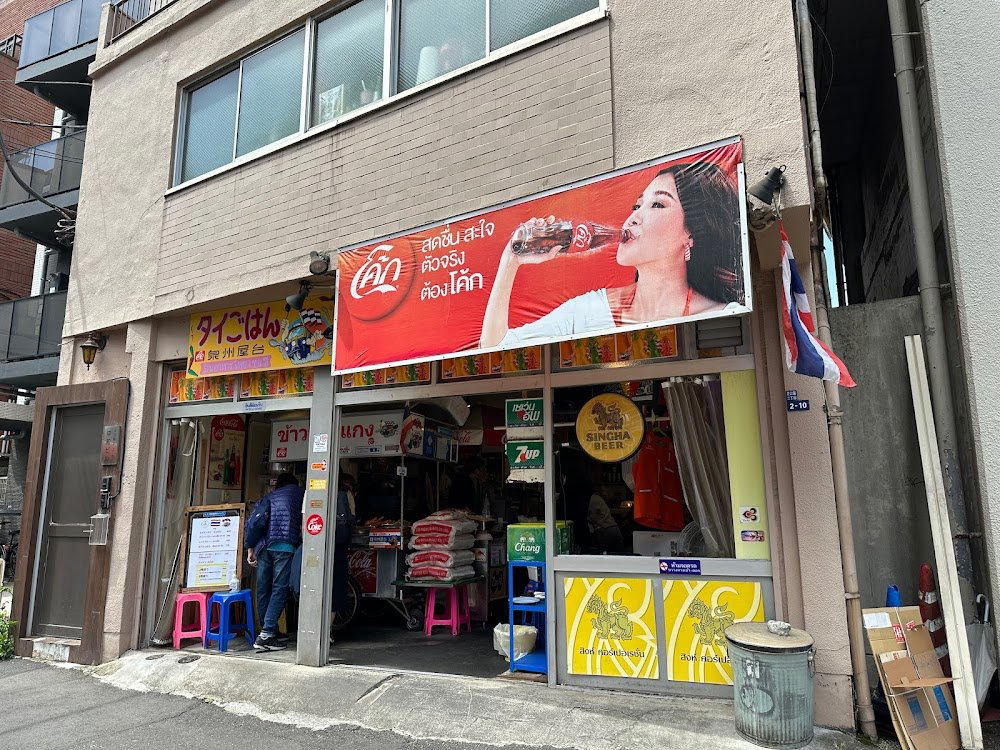
Thai Gohan Sensyu Yatai sits at an intriguing intersection in Tokyo's dining scene, where Southeast Asian flavours meet Japanese precision and the informal yatai format. Details on pricing, booking, and specific dishes are limited in public records, making it a venue that rewards direct research before committing, a pattern common to many of Tokyo's smaller, neighbourhood-rooted spots.

Pearl is the En Primeur Club membership app, where members save venues, book tables and use the concierge.
The menu
What to order
- Gapao Rice
- Green curry
- Corn som tum
Where Southeast Asian Cooking Meets the Tokyo Yatai Tradition
Tokyo's street-food and casual dining tier has always occupied a different register from its Michelin-starred upper bracket. While venues like Harutaka, RyuGin, and L'Effervescence operate at the ¥¥¥¥ ceiling with booking windows measured in months, the city's yatai-style and neighbourhood dining spots work on entirely different terms: shorter notice, lower formality, and a menu vocabulary that often draws from outside Japan's culinary canon. Thai Gohan Sensyu Yatai sits in that lower-formality register, combining the Thai rice-dish tradition (gohan being the Japanese word for cooked rice, which points toward the Thai rice-plate format at the core of the offering) with the yatai's open, counter-adjacent atmosphere.
The name itself is informative. Sensyu, an approximation of the Thai word for noodles or rice dishes, signals that this is not a pan-Asian generalist but a spot with a more defined culinary reference point. In a city where Thai food has moved well beyond the pad thai monoculture into regional specificity, a name that leads with rice and a yatai format suggests something closer to the casual eating houses of Bangkok's side streets than to the adapted Thai restaurants that proliferated across Tokyo's entertainment districts in the 1990s and 2000s.
Planning Your Visit: What the Booking Reality Looks Like
Tokyo's dining tiers sort themselves partly by how far ahead you need to plan. At the high end, Sézanne and Crony operate with reservation windows that require weeks of advance coordination. The yatai format, by contrast, historically implied walk-in or same-day access, part of the appeal of the format across Japan, from Fukuoka's famous Nakasu yatai rows to the standing-bar cultures that dot Tokyo's backstreets.
For Thai Gohan Sensyu Yatai specifically, public booking infrastructure (a website, a reservations platform, a phone line) is not readily documented. That absence is itself a signal worth reading carefully: it suggests either a walk-in-first model, a social media-driven booking culture (LINE reservations are common at this tier in Tokyo), or a venue that operates at small enough capacity that formal booking infrastructure is unnecessary. Any of these scenarios means that advance planning takes a different shape than it does for the city's tasting-menu restaurants. Contacting the venue directly via any available channel before arrival, especially for groups larger than two, is the practical approach.
Timing also matters. Yatai-format venues in Tokyo often operate on evening-only schedules, sometimes from mid-afternoon into the late night, with closures on irregular weekdays rather than the standard Monday-off pattern common at higher-end restaurants. Confirming current hours before visiting is not optional. Tokyo neighbourhoods change faster than any other major dining city; a venue that operated Thursday through Tuesday last quarter may have adjusted since.
The Yatai Format in a Tokyo Context
The yatai as a dining format has a longer pedigree in Fukuoka than in Tokyo. Fukuoka's covered food stalls, serving ramen, yakitori, and offal dishes from narrow counters along the Naka River, are the format's cultural home in Japan. Tokyo's relationship with the yatai is more fractured: postwar stall cultures were largely cleared through the 1960s and 1970s as the city redeveloped, leaving a smaller, scattered network of venues that carry the yatai name as a reference to informality and counter-style service rather than as a literal description of a moveable stall.
A Thai kitchen operating within that format represents a relatively recent hybrid. Japanese interest in Thai cuisine has deepened over the past two decades, and the more serious end of that interest has moved toward regional specificity: northern Thai larb and khao soi alongside the central Thai standards, Isan grilled-meat traditions, and the fermented-paste vocabulary that doesn't translate easily into the adapted versions common at mass-market Thai chains. Whether Thai Gohan Sensyu Yatai operates in that more regionalist mode or at a broader, accessible register is information leading gathered directly from the venue or from diners who have visited recently. For wider reference on what serious Thai cooking in a Japanese context can look like, the full Tokyo restaurant guide offers context on how the city's non-Japanese cuisines have developed their own critical hierarchies.
Situating the Venue in Japan's Broader Dining Picture
Tokyo is the reference point for Japanese fine dining, but the country's most interesting casual and regional cooking often surfaces elsewhere. Goh in Fukuoka and Gion Sasaki in Kyoto represent the high end of regional seriousness, while venues like akordu in Nara show how smaller cities absorb international culinary influence. At the casual end of Tokyo's own spectrum, the yatai tier fills a gap between standing-bar snacking and the entry-level tasting menu, a gap that a Thai rice-and-noodle format fills naturally, given the cuisine's inherent accessibility and the speed at which Thai cooking moves from kitchen to plate.
For travellers accustomed to the planning discipline required for venues like HAJIME in Osaka, where reservation strategy and menu research are prerequisites, Thai Gohan Sensyu Yatai represents a different kind of Tokyo dining: lower stakes at the booking stage, but still requiring the same basic homework about hours, location, and current operating status that any serious traveller applies to a city as dynamic as Tokyo.
What to Expect at the Counter
Japanese diners at Thai restaurants of this type often show strong preference for dishes that bridge the two food cultures, anything where the seasoning precision of Japanese palate meets the aromatic boldness of Thai cooking. That intersection is where the most interesting plates at venues of this type tend to live.
Comparable venues elsewhere in the EP Club network that operate at the junction of international cuisine and Japanese counter culture include Bistro Ange in Toyohashi and the more international reference points of Le Bernardin in New York and Atomix, which show how a cuisine can be interpreted through the lens of a host country's dining culture without losing its original identity. The question for Thai Gohan Sensyu Yatai, one that only a visit can answer, is where on that spectrum of adaptation it has chosen to operate.
Quick reference: Contact via available local directory listings or social media before visiting; walk-in access likely but not confirmed for all party sizes or service periods.
Frequently asked questions
What do regulars order at Thai Gohan Sensyu Yatai?
Given the name's emphasis on gohan (rice) and the yatai format, the menu most likely centres on rice-based Thai dishes alongside possible noodle options. At comparable Tokyo venues bridging Thai and Japanese counter culture, rice plates with protein and aromatics tend to be the anchor order, and the dishes most worth asking the kitchen about on arrival. For broader context on Tokyo's dining range, see the full Tokyo guide or the cuisine frameworks used at venues like Harutaka and RyuGin.
How far ahead should I plan for Thai Gohan Sensyu Yatai?
Unlike the months-ahead planning required for Tokyo's high-end tasting menus, including venues like Sézanne, the yatai format generally implies shorter lead times or walk-in access. Tokyo's casual dining tier can fill quickly on weekend evenings and during public holidays, so same-day flexibility is an asset.
What is Thai Gohan Sensyu Yatai leading at?
The venue's name positions it around Thai rice dishes in a Japanese counter setting, which suggests the kitchen's focus is on that intersection rather than on broad pan-Asian coverage. Without award records or verified menu data, the most honest answer is that the yatai format and the Thai gohan concept together imply a focused, fast, flavour-led menu rather than an elaborate tasting progression. For reference on what serious award-recognised cooking looks like in Tokyo, L'Effervescence and Crony sit at a different tier entirely.
Is Thai Gohan Sensyu Yatai good for vegetarians?
Thai cuisine has a wider vegetarian vocabulary than many East Asian traditions, with tofu, vegetable stir-fries, and rice dishes that can often be prepared without meat. However, traditional Thai cooking frequently uses fish sauce and shrimp paste as foundational seasonings, which means dishes that appear vegetarian may not be strictly so. Without a verified menu or contact details on record, the practical advice is to raise dietary requirements directly with the venue, via whatever contact channel is available locally, before visiting. Tokyo as a city has become significantly more accommodating of plant-based diets at the casual dining tier over the past several years.
How does Thai Gohan Sensyu Yatai compare to other Tokyo venues combining Japanese counter culture with a non-Japanese cuisine?
The yatai-plus-Thai-rice format is a specific enough combination to place this venue in a narrow niche within Tokyo's casual dining scene. The city has a long tradition of absorbing international cuisines through the lens of Japanese counter-service discipline, precision in sourcing, economy of space, and a focus on a tight menu executed repeatedly. At comparable venues in Japan's broader network, such as Birdland in Sakai or the regional specialists listed across the Tokyo guide, the hybrid format tends to work leading when the kitchen commits to the source cuisine's logic rather than softening it for the local palate. Whether Thai Gohan Sensyu Yatai operates with that level of commitment is something current visitor accounts would need to confirm.
Recognition Snapshot
A short peer table to compare basics side-by-side.
| Venue | Cuisine | Price | Awards | Notes |
|---|---|---|---|---|
| Thai Gohan Sensyu YataiThis venue (the venue you are viewing) | Authentic Thai Street Food | $10–20 | Not listed | Not listed |
| Harutaka | Edo-Style Omakase Sushi | $200–300 | 3 Michelin Stars · World's 50 Best #76 | Sushi |
| L'Effervescence | Modern French with Japanese Influences | $200–300 | 3 Michelin Stars · World's 50 Best #69 | French |
| RyuGin | Modern Kaiseki | $500+ | 3 Michelin Stars · World's 50 Best #41 | Kaiseki, Japanese |
| Crony | Modern French with Japanese Influences | $150–200 | 2 Michelin Stars · World's 50 Best #34 | Innovative, French |
| Florilège | Modern French-Japanese Plant-Based Fine Dining | $50–100 | 2 Michelin Stars · World's 50 Best #31 | French |
Continue exploring
More in Tokyo
Restaurants in Tokyo
All restaurants in Tokyo →
Bars in Tokyo
All bars in Tokyo →



Details
- Cozy
- Modern
- Trendy
- Casual Hangout
- Sake Program
- Local Sourcing
- A La Carte
- Small Plates
Cozy and relaxed atmosphere with warm hospitality.