Our verdict
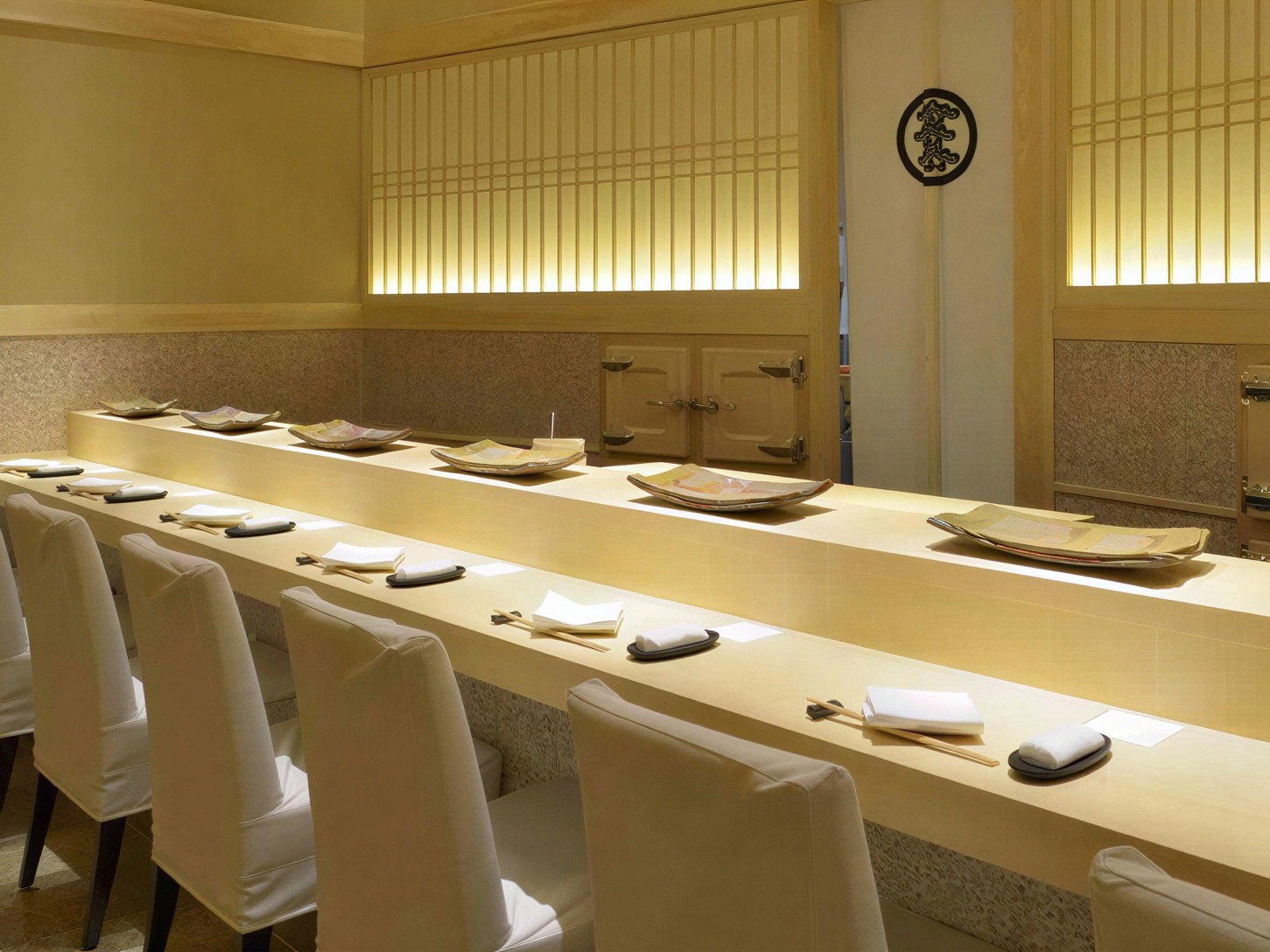
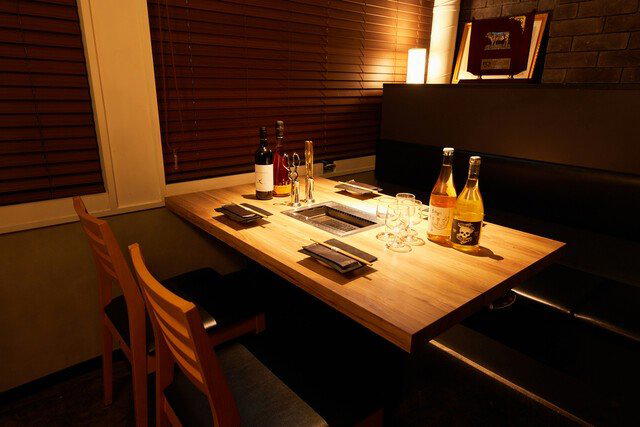
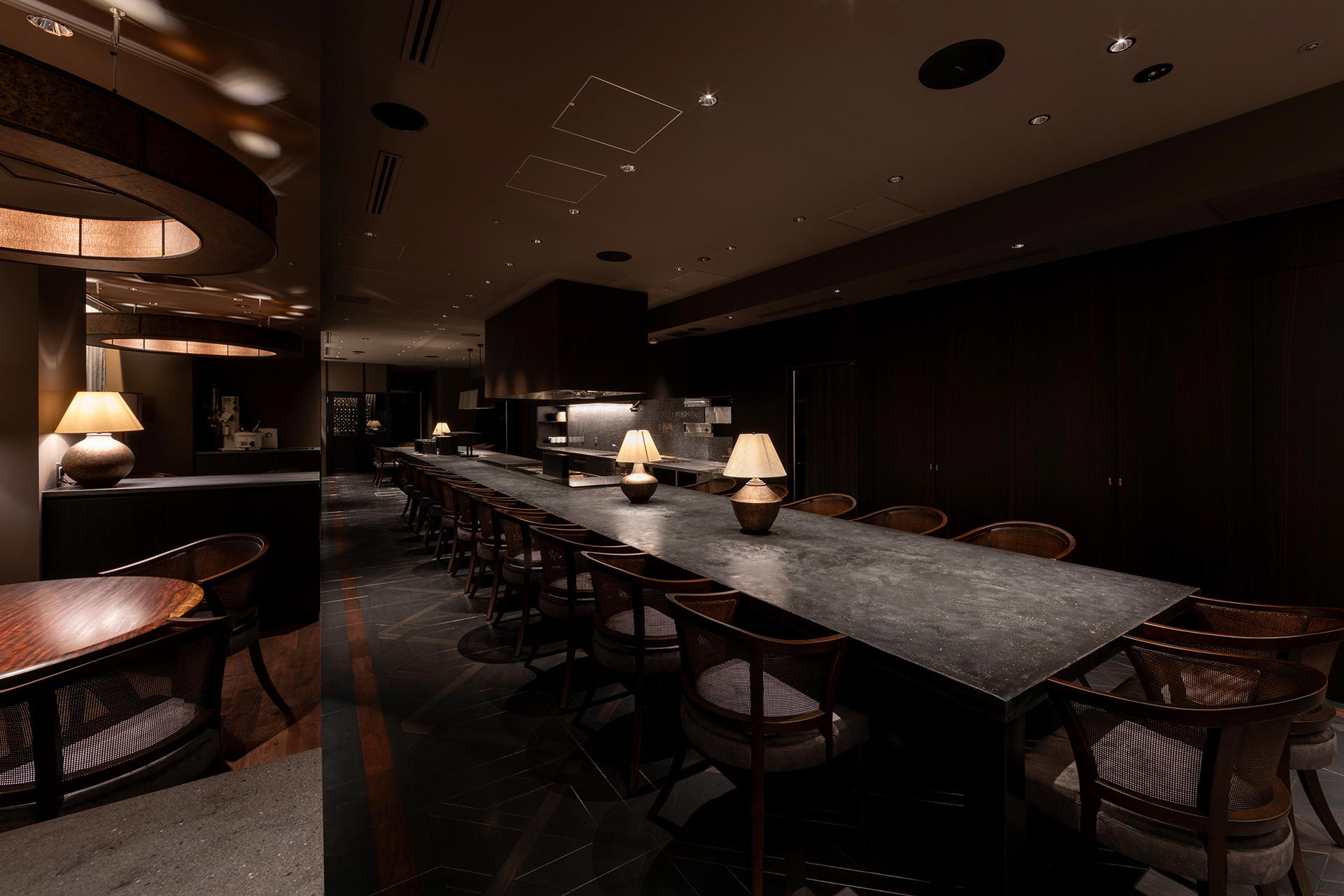
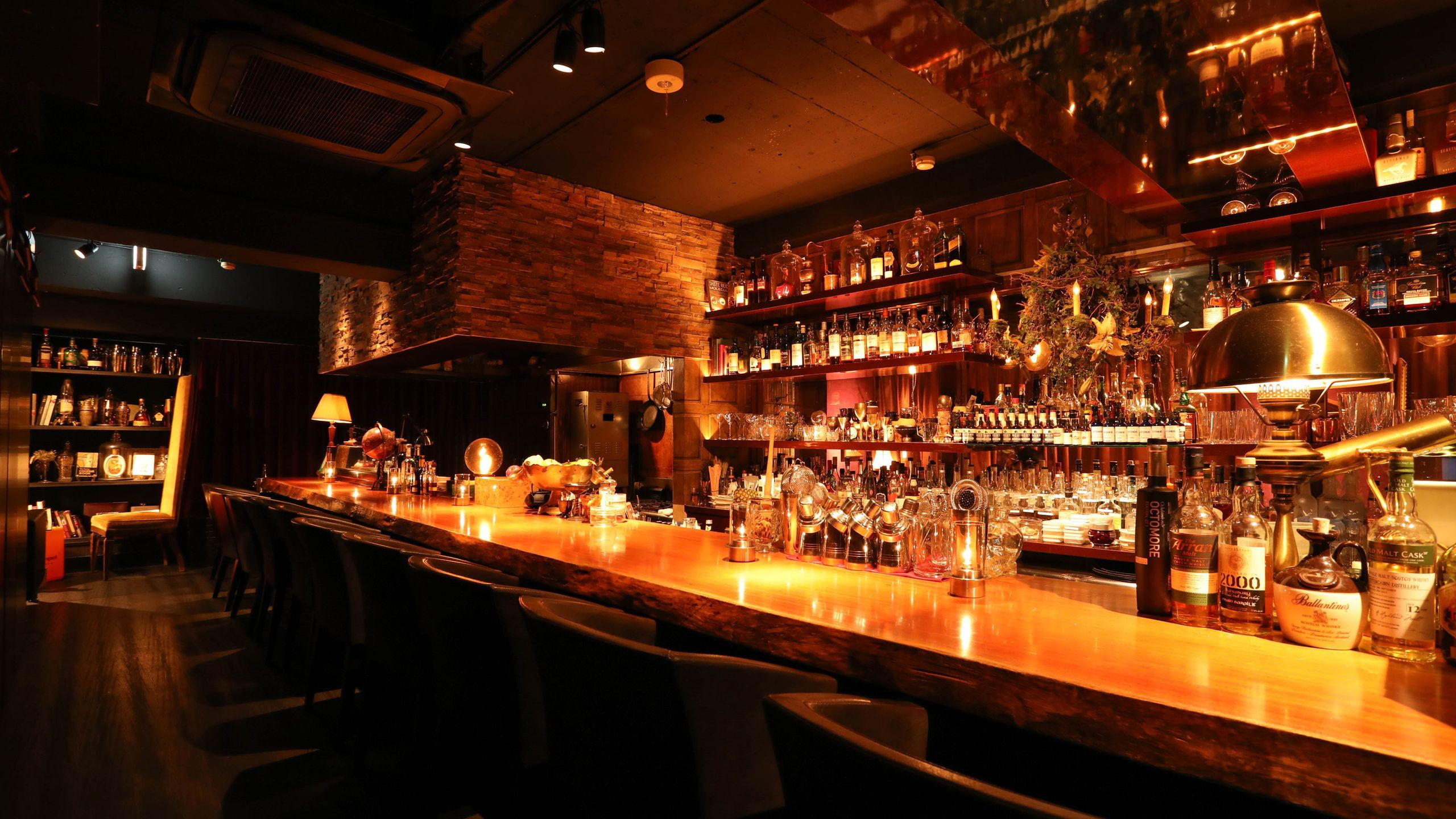
Located in Akasaka, Minato City, 炉ばた 赤田 occupies a corner of Tokyo's dining scene where ingredient provenance and open-fire technique carry the conversation. The format sits within the izakaya-adjacent robatayaki tradition, where sourcing discipline and the proximity of the hearth to the guest define the experience. Booking ahead is advisable for evening sittings in this densely competitive neighbourhood.

Pearl is the En Primeur Club membership app, where members save venues, book tables and use the concierge.
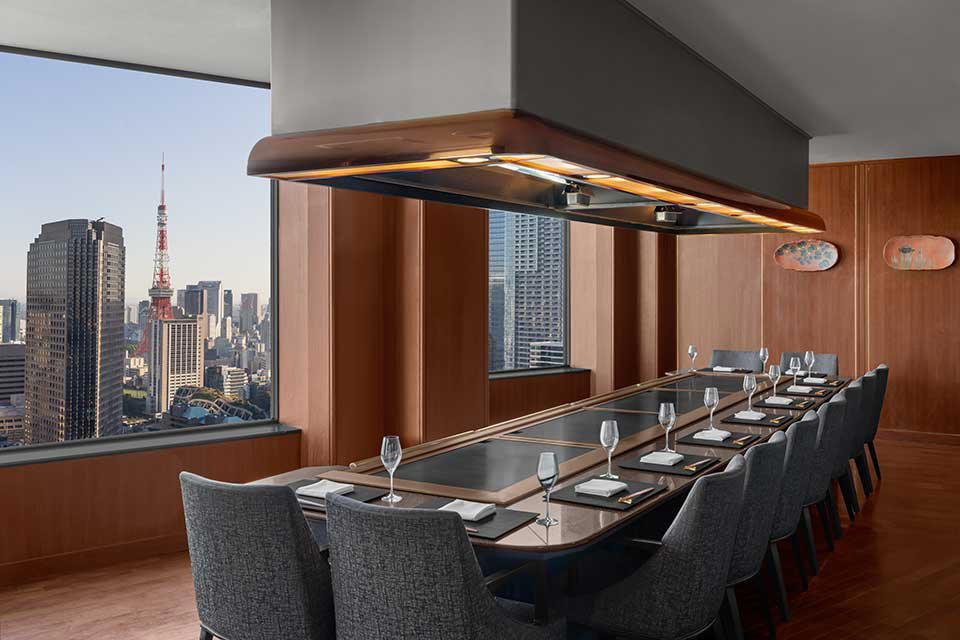
The Hearth as Editorial Statement: Akasaka's Robatayaki Tradition
In Tokyo's premium dining hierarchy, robatayaki occupies a position that is frequently misread by visitors accustomed to the kaiseki or omakase formats that dominate international coverage. The tradition is older than either in popular practice: a fireside communal eating culture that migrated from Hokkaido fishing communities into urban izakaya culture over the twentieth century, and has since fractured into two distinct commercial expressions. One is high-volume and theatrical, built for groups and tourist throughput. The other is a quieter, more ingredient-focused format, where the quality of what reaches the grill defines the meal more than ceremony does. 炉ばた 赤田, at 1 Chome-12-33 Akasaka in Minato City, occupies Akasaka, a district that has long balanced political power-dining with serious neighbourhood restaurants, and sits within that second, more considered tier of the robata tradition.
Akasaka's restaurant density is not accidental. The neighbourhood's proximity to government offices, media headquarters, and a concentration of corporate entertaining culture has sustained mid-to-high price-point dining for decades. That context matters when reading a robatayaki address here: the clientele expectation runs toward consistency and sourcing credibility rather than novelty. Venues in this tier compete quietly, through repeat business and word-of-mouth rather than through award campaigns or social media visibility, which makes them harder to surface from outside Japan but no less precise in execution.
Ingredient Sourcing and the Logic of Open Fire
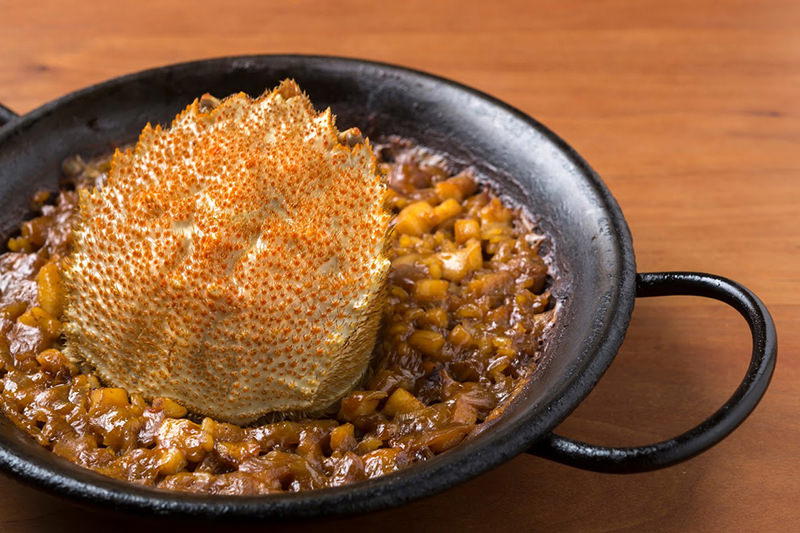
The editorial argument for robatayaki as a format is fundamentally an argument about ingredient transparency. Unlike a sauce-forward cuisine, or even a sushi counter where vinegar rice and temperature manipulation play structural roles, the robata grill removes almost all places to hide. What reaches the guest is a function of what was sourced that morning and how the grill was managed in the preceding minutes. This is why sourcing discipline, in this format, is not a marketing position but an operational necessity.
Japan's regional ingredient networks have deepened substantially over the past fifteen years. Vegetables from Kyushu farms, fish from Sanriku or Hokkaido waters, and proteins from specific prefectural breeding programs now move into Tokyo's serious restaurant kitchens through supply chains that were either unavailable or prohibitively expensive a generation ago. Robatayaki kitchens that engage with these networks operate at a different register from those that source through broad wholesale channels, and that difference is legible on the grill. The char timing, the resting choices, the sequencing of items across an evening are all downstream decisions from what was purchased at the source.
For reference, comparison venues in Tokyo's ¥¥¥¥ tier, including Harutaka in the sushi category and RyuGin in kaiseki, both operate with documented supplier relationships that are core to their critical positioning. The same logic applies to serious robatayaki, where the grill is the lens through which sourcing choices become visible to the guest. At the kaiseki end of the spectrum, venues like Gion Sasaki in Kyoto and HAJIME in Osaka demonstrate how ingredient provenance functions as an organising principle across Japan's premium dining formats, not exclusively within French-influenced or haute-Japanese genres.
Seasonal Timing and What It Means for the Grill
Tokyo's robatayaki calendar tracks Japanese seasonal logic closely. Autumn brings the widest range of mushroom varieties to the grill, including matsutake when supply allows. Winter shifts emphasis toward root vegetables, oysters from northern waters, and the heavier protein cuts that suit extended charcoal exposure in cooler conditions. Spring opens with bamboo shoots and river fish. Summer's contribution, counterintuitively for a fire-based format, is often the most technically demanding: the grill must work quickly and precisely with delicate ingredients that degrade rapidly under excessive heat.
Visiting in October through February captures the period when robatayaki formats tend to show the most depth, both in terms of ingredient variety and in the heavier execution that distinguishes the format from its lighter seasonal modes. That window also coincides with Tokyo's peak business entertainment season, which means Akasaka's dining rooms operate at sustained capacity and booking lead times extend accordingly.
Japan's broader regional restaurant network offers useful comparison points for understanding how ingredient sourcing philosophies play out across formats and geographies. akordu in Nara, Goh in Fukuoka, and affetto akita in Akita each anchor their menus to their immediate regional supply base in ways that mirror the sourcing logic of serious Tokyo robatayaki, even across entirely different formats and cuisines.
Where 炉ばた 赤田 Sits in the Broader Tokyo Picture
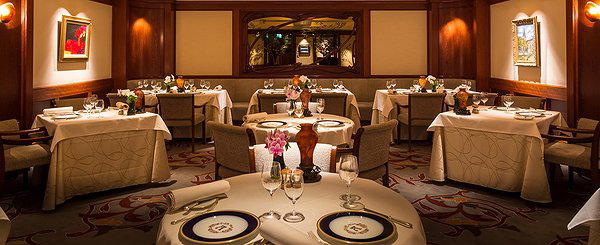
Tokyo's dining peer sets are defined more by price tier and sourcing philosophy than by cuisine category alone. Within the ¥¥¥¥ bracket, venues like L'Effervescence and Sézanne compete on French technique and seasonal Japanese ingredient integration. Crony occupies the innovative-French tier. Robatayaki at a serious address in Akasaka plays a different hand: it competes on the directness of the fire relationship, the legibility of ingredients, and the absence of mediation between source and plate. That is a different value proposition from kaiseki or French-Japanese fusion, and it attracts a different kind of repeat diner, one who comes back because the seasonal rotation is trustworthy, not because the format is novel.
For readers building a Tokyo itinerary that spans multiple dining formats, our full Tokyo restaurants guide maps the city's premium restaurant landscape across cuisine categories, price tiers, and neighbourhoods. Internationally, the sourcing-first argument at fire-based restaurants finds parallels at venues like Lazy Bear in San Francisco and the ingredient-transparency positioning of Le Bernardin in New York City, though the format and tradition diverge substantially.
Planning Details: Logistics at a Glance
| Venue | Category | Price Tier | Booking |
|---|---|---|---|
| 炉ばた 赤田 (Akasaka) | Robatayaki | Confirm on-site | Recommend advance booking |
| Harutaka | Sushi | ¥¥¥¥ | 3+ months ahead |
| RyuGin | Kaiseki | ¥¥¥¥ | Advance reservation required |
| L'Effervescence | French | ¥¥¥¥ | Book weeks ahead |
Frequently asked questions
Does 炉ばた 赤田 work for a family meal?
Robatayaki as a format is structured around shared grilled courses, which makes communal dining at 炉ばた 赤田 in Akasaka functionally accommodating for groups. That said, the venue sits in Tokyo's ¥¥¥¥ price bracket, and the open-fire counter format tends to draw a dinner-oriented crowd rather than families with young children. It works well for multi-generational meals where everyone engages with the cooking process.
Where do I go for éæ¿ç¼ 赤å?
éæ¿ç¼ 赤å is located at î1 Chome-12-33 Akasaka, Minato City, Tokyo 107-0052, Japan, Tokyo.
What's the best way to book éæ¿ç¼ 赤å?
Reservations are recommended for éæ¿ç¼ 赤å in Tokyo. Confirm current policy via the venue's official channels.
What's the standout thing about éæ¿ç¼ 赤å?
éæ¿ç¼ 赤å is best approached by focusing on the core concept and signature offerings.
Similar Picks
Comparable venues nearby, for context on price, style, and recognition.
| Venue | Cuisine | Price | Awards | Notes |
|---|---|---|---|---|
| 鉄板焼 赤坂This venue (the venue you are viewing) | Not listed | Not listed | Not listed | Not listed |
| Baan Tum | Authentic Thai & Isaan Cuisine | $20–30 | Tabelog 100 #93 | Shinjuku |
| ソムタムダー | Authentic Isan (Northeastern Thai) Cuisine | $20–30 | Not listed | Shibuya |
| Daphne | Traditional Japanese coffee shop (kissaten) and coffee bean roastery | $1–10 | Tabelog 100 | Minato |
| ORIMINE BAKERS Tsukiji nanachome ten | Neighborhood bakery & bread shop | $1–10 | Tabelog 100 #12 | Chūō |
| PANCH MAHAL | Curry & Soup Curry Shop | $10–20 | Tabelog 100 #68 | Chiyoda |