Located at 35 Nanzenji Kusakawacho in Kyoto's Sakyo Ward, 碁亭 sits within the temple-edged neighbourhood of Nanzenji, where the expectations placed on any serious dining room are shaped by centuries of kaiseki tradition. The address alone signals a particular kind of culinary seriousness, one that Kyoto reserves for tables operating at the upper register of Japanese hospitality.
 Discover on Pearl
Pearl is the En Primeur Club membership app — saves, bookings, and concierge access live there. Same editors, same standards.
- Address
- 35 Nanzenji Kusakawacho, Sakyo Ward, Kyoto, 606-8437, Japan
- Phone
- +81757714116
- Website
- hyotei.co.jp
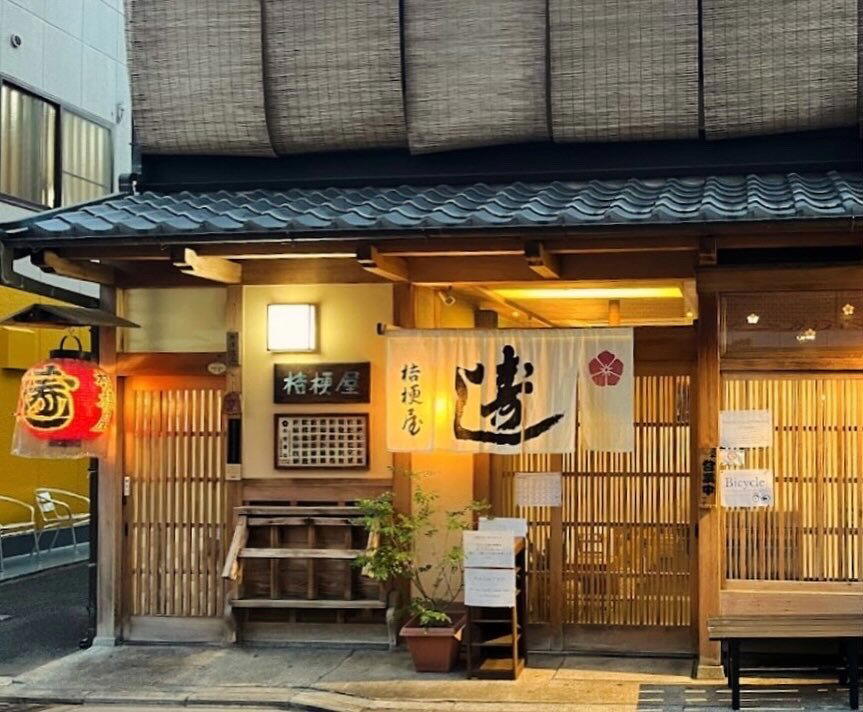
Approaching the Nanzenji Dining Quarter
Hyotei is a restaurant in Kyoto's Sakyo Ward, at 35 Nanzenji Kusakawacho, with a Google rating of 4.3 from 814 reviews. The walk to 碁亭 sets the register before a dish is served. Nanzenji's Sakyo Ward is one of Kyoto's most compositionally serious neighbourhoods: the canal paths, the stone lanterns, the disciplined geometry of temple walls. Restaurants in this postcode operate under a weight of expectation that most dining rooms in other Japanese cities never encounter. The address at 35 Nanzenji Kusakawacho places 碁亭 squarely inside that tradition, in a part of the city where the surrounding architecture functions as both context and pressure.
Kyoto's fine dining scene has long been defined by its relationship to kaiseki, the multi-course format that evolved from the tea ceremony and became, over several centuries, the most codified expression of Japanese seasonal cooking. Venues in the Nanzenji corridor tend to operate within that tradition or in deliberate dialogue with it. The city's most discussed tables, among them Gion Sasaki, Hyotei, and Kikunoi Honten, draw on lineages that stretch back generations. A room in this quarter is, whether it seeks the label or not, in conversation with that history.
The Architecture of a Kyoto Meal
What distinguishes serious Kyoto dining from its Tokyo or Osaka counterparts is less about ingredient quality, which is uniformly high across Japan's premium tier, and more about sequencing. A kaiseki progression is not a series of dishes; it is a structured argument about time, season, and restraint. The sakizuke opens with something small and precise. The hassun arrives as a seasonal tableau. What follows in the middle courses, yakimono, mushimono, nimono, creates accumulating weight before the meal resolves itself in rice, pickles, and soup. The dessert, if present at all, is understated by design.
Tables like Mizai and Isshisoden Nakamura demonstrate the range within that structure: some kitchens emphasise dashi clarity, others accent presentation geometry, others work close to the edge of Japanese-French synthesis. What they share is the commitment to the arc, the idea that each course is incomplete without what precedes and follows it. 碁亭, positioned in the same district, inherits that structural obligation by geography and tradition alike.
In Kyoto's dining geography, address is not incidental. The proximity of 碁亭 to Nanzenji Temple places it in a micro-neighbourhood where tourism-facing operators and temple-town convenience restaurants have largely been filtered out by rent, expectation, and clientele. What remains in this corridor are rooms that require advance planning: sourcing appointments, seasonal awareness, and in many cases the navigation of Japanese-only booking systems. That friction is deliberate. It defines the tier.
Across Japan, the city-restaurant pairings that carry the most institutional weight tend to share this quality: the effort required to reach or book the table is proportional to the seriousness of what is served inside. Harutaka in Tokyo operates on similar terms in the sushi register. HAJIME in Osaka sits at the intersection of kaiseki and contemporary European structure. akordu in Nara applies Spanish technique to a Japanese seasonal framework with comparable rigour. 碁亭's postcode suggests it belongs to a similar cohort: venues where the barrier to entry is part of the proposition.
Seasonal Timing and When to Go
Kyoto's culinary calendar is more seasonally calibrated than almost any other city in Japan. Spring cherry blossom season, roughly late March through mid-April, puts maximum pressure on dining reservations across the city, with competition intensifying for rooms in the Higashiyama and Sakyo wards. The Nanzenji area draws heavily during this period and again in November, when the maple foliage along the Okazaki canal and around the temple precincts reaches its peak colour. Tables at serious restaurants in this quarter during those two windows require advance planning measured in months, not weeks.
Midsummer in Kyoto, July and August, brings a different set of considerations. The kaiseki tradition's response to the season is kawadoko dining, where platforms are extended over river channels to take advantage of cooler air. The Kibune area, north of the city, is the classic setting, but the underlying seasonal logic filters through the menus of any kitchen with kaiseki credentials. September and October represent what many regular visitors consider the most productive window: crowds have thinned from the summer peak, the autumn menu compositions are at their most considered, and the city's restaurant scene operates at a pace that allows for genuine attention.
Peer Context Across the Region
The quality gradient across the Kansai region's serious dining tables is steeper than casual visitors appreciate. Within Kyoto itself, the distance between a well-regarded neighbourhood washoku restaurant and a kaiseki room at the top of the market involves not just price but structural ambition and sourcing philosophy. Beyond the city, that gradient extends to venues like Goh in Fukuoka, which applies contemporary kaiseki logic in a Kyushu idiom, and tables further afield that draw on similar multi-course discipline: Abon in Ashiya, affetto akita in Akita, Aji Arai in Oita, and Ajidocoro in Yubari District.
International comparisons for the tasting-progression format are instructive even when the culinary traditions diverge sharply. The way Le Bernardin in New York City structures its seafood progression around escalating intensity, or how Lazy Bear in San Francisco treats a communal multi-course format as a narrative device, are both distant cousins of the kaiseki principle: that a meal has a shape, not just contents. Akakichi in Imabari and aki nagao in Sapporo represent the domestic end of that spectrum, applying careful sequencing logic outside the major urban centres.
碁亭 is located at 35 Nanzenji Kusakawacho, Sakyo Ward, Kyoto 606-8437. The Nanzenji area is most easily reached via the Tozai Line to Keage Station, from which the temple precinct and surrounding restaurants are within a short walk. As is common with Kyoto's more serious dining rooms, visitors should expect that reservations are necessary, and that the booking process may require patience, Japanese-language assistance, or concierge support. Arriving in the neighbourhood early allows time for the walk through the Nanzenji aqueduct path, which adds material context to the meal that follows.
Reputation First
Comparable venues nearby, for context on price, style, and recognition.
| Venue | Cuisine | Price | Awards | Notes |
|---|---|---|---|---|
| 瓢亭This venue — the venue you are viewing | japanese | , | ||
| 山地陽介 | Kaiseki | , | Higashiyama | |
| Kagizen Yoshifusa Shijou honten | Traditional Kyoto wagashi & tea house | $$ | , | Higashiyama |
| Yoshokudo Noro | Japanese Yoshoku (Western-Style Cuisine) | $$ | , | Nakagyō |
| Tasuki Pass The Baton | Traditional Japanese Tea Room & Kakigori | $$ | , | Gion |
| Touhichi (らぁ麺 とうひち) | Chicken Shoyu Ramen | $$ | , | Ichijoji |
Continue exploring
More in Kyoto
Restaurants in Kyoto
Browse all →
Bars in Kyoto
Browse all →


Hotels in Kyoto
Browse all →
Wineries in Kyoto
Browse all →
At a Glance
Cozy and comfortable with air conditioning and kitchen facilities.