Our verdict
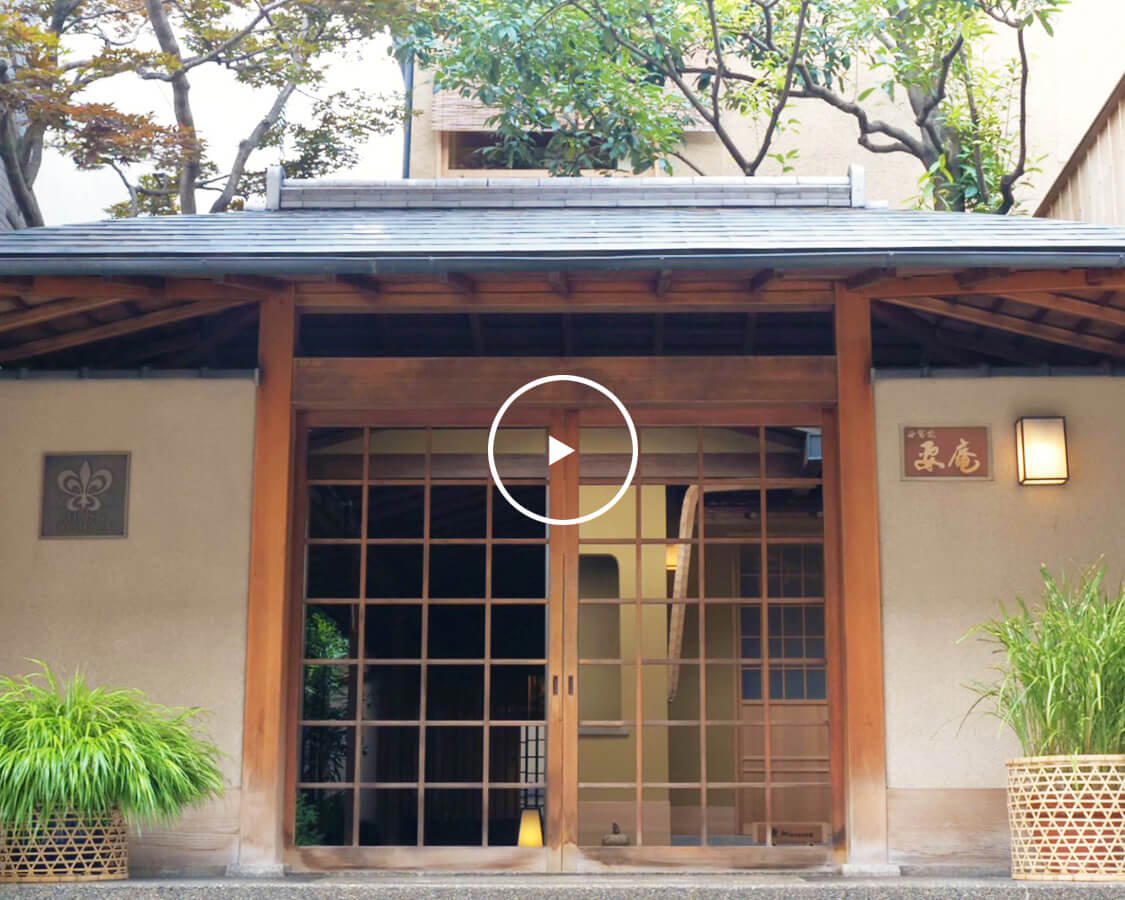
要庵西富家 occupies a machiya townhouse on Tominokoji-dori in Kyoto's Nakagyo ward, positioning itself within the city's quieter tier of traditional dining rooms where setting does as much work as the kitchen. The address places it between the commercial bustle of Shijo and the refined calm of Sanjo, a zone where Kyoto's culinary conservatism runs deep and reinvention tends to arrive slowly, on its own terms.

Pearl is the En Primeur Club membership app — saves, bookings, and concierge access live there. Same editors, same standards.
- Address
- 中京区骨屋之町562 (富小路通六角下ル), 京都市, 京都府, 604-8064
- Directions
- Get directions
The menu
What to order
- Kaiseki tasting menu
- Kaname contemporary kaiseki
A Street That Moves at Its Own Pace
Tominokoji-dori does not announce itself. Running north to south through Nakagyo ward, the street passes between Shijo and Oike without the foot traffic or signage that marks Kyoto's more navigated dining corridors. The machiya townhouses here were built for discretion, their narrow facades opening onto interior spaces that expand, garden by garden, toward a different sense of scale. It is in this architectural context that 要庵西富家 (Kaname-an Nishitomiya) operates, at an address in the Honeyamachi district near the Tominokoji-Rokkakunoriku intersection, 604-8064.
In Kyoto, the address itself carries editorial weight. Nakagyo ward sits at the centre of the old city grid, historically the zone of merchant families and textile houses whose aesthetic sensibility shaped what we now call Kyoto style: economy of surface, depth of interior, an aversion to ostentation that reads as its own form of refinement. Restaurants that occupy machiya in this district inherit those spatial values whether they choose to or not. The building sets the register before the meal begins.
Where Kyoto's Traditional Dining Rooms Have Arrived
Kyoto's kaiseki and washoku sector has spent the past two decades sorting itself into clearer tiers. At the leading sit institutions with multi-generational pedigree and Michelin recognition: Kikunoi Honten, Hyotei, Mizai, and Gion Sasaki. Below that cohort, a second tier has emerged: smaller rooms with serious kitchens, machiya settings, and approaches that sit closer to the intimate end of the format spectrum. These are not the grand dining houses that anchor Kyoto's reputation in international food media, but they are the rooms that local diners often prefer, places where the ratio of ceremony to spontaneity tilts slightly toward the latter.
要庵西富家 belongs to a category of Kyoto dining that resists easy classification from the outside. The sparse public profile, the absence of an English-language booking infrastructure, and the machiya address collectively signal a room oriented toward guests who already know where they are going. That orientation is itself a positioning choice, common among Kyoto establishments that read selectivity as a form of quality control. Comparable positioning appears at Isshisoden Nakamura, where centuries of operational continuity produce a similarly self-contained public presence.
The Evolution of a Machiya Dining Room
The editorial angle of evolution matters here because Kyoto's traditional dining rooms do not reinvent themselves the way a restaurant in Tokyo or Osaka might. Change in this city tends to be structural: a kitchen that quietly deepens its sourcing relationships, a room that converts from a single seating format to accommodate private dining, a younger generation of cooks absorbing technique before the format shifts. What looks static from the outside often represents a slow, deliberate accumulation of adjustments.
For a room on Tominokoji-dori, the relevant evolution is likely contextual as much as culinary. The neighbourhood has changed around establishments like this one. Nakagyo ward has seen increased demand from international visitors seeking accommodation and dining away from Gion's more saturated circuits. The machiya stock here, once entirely residential or light commercial, has been progressively converted to dining, accommodation, and retail over the past fifteen years. A traditional room that once operated almost invisibly within that fabric now exists in a more legible context for outside visitors, even if its own outward presentation has not changed.
This pattern plays out across Japanese regional dining. Akordu in Nara occupies a comparable position of quiet neighbourhood authority in a city where traditional dining spaces have become newly visible to international visitors without substantially altering their character. In Fukuoka, Goh demonstrates how a kitchen can evolve its idiom while its spatial and operational footprint stays tight. The pattern holds: rooms rooted in local architecture and tradition absorb the pressure of visibility differently than urban-modern venues built for it.
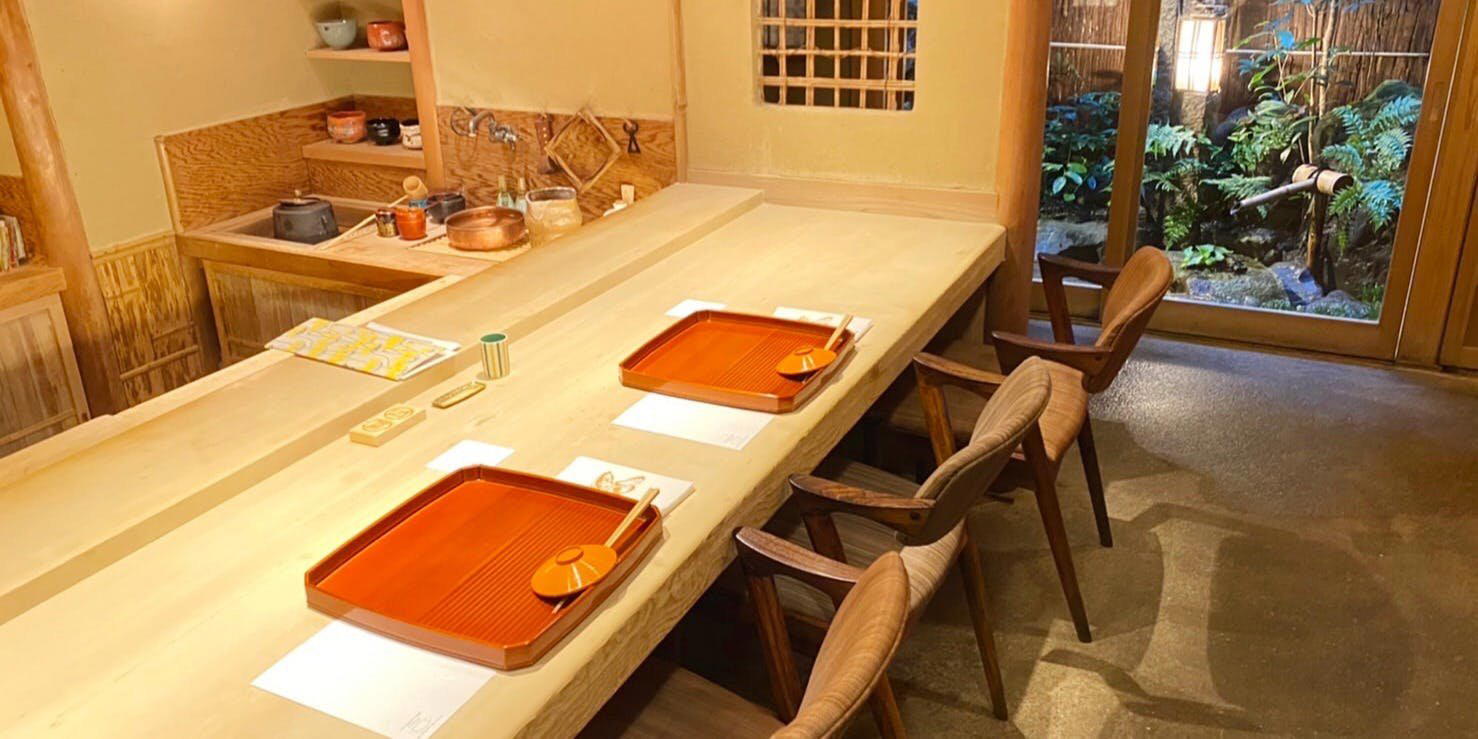
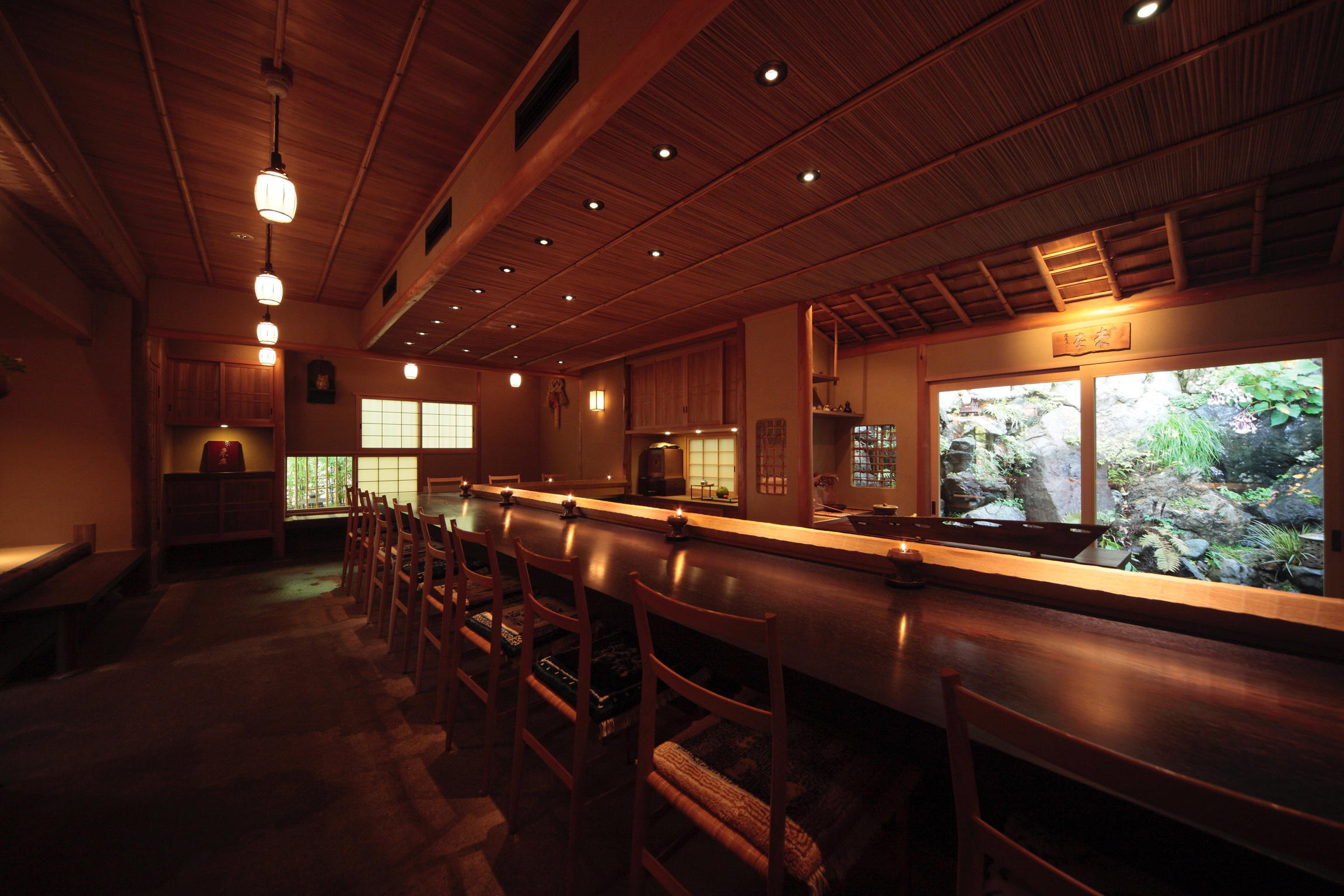
The four-tatami kaiseki room and the twelve-seat counter occupy different registers even when their ingredient sourcing overlaps. What differentiates rooms at this level is often the depth of the seasonal calendar they operate against, and the degree to which the setting is integrated into the experience rather than serving merely as backdrop.
Kyoto's seasonal dining calendar is among the most codified in Japan. Sakura in April, ayu sweetfish from June, Kyoto vegetables through the autumn, and the specific citrus and root preparations of winter each mark transitions that serious kitchens build their menus around. A room embedded in the machiya fabric of Nakagyo responds to those transitions as a matter of spatial and cultural logic, not just culinary program. Visiting outside peak foliage season, roughly mid-November, or outside the summer ayu window means a different kitchen expression, which is not a lesser one but a different one.
For visitors building a broader Kansai itinerary, the context extends beyond Kyoto. HAJIME in Osaka represents the progressive end of Kansai fine dining, while Kyoto's traditional rooms operate in deliberately different territory. Further afield, Harutaka in Tokyo shows how capital-city fine dining has diverged from the Kyoto model even within Japanese cuisine. The contrast clarifies what Tominokoji-dori offers: proximity to the original idiom, without translation.
Japan's regional dining spectrum also extends to less-visited prefectures. Rooms like this one in Nanao and this one in Takashima demonstrate that the machiya-and-seasonal-ingredients model is not exclusive to Kyoto, though Kyoto remains its most legible iteration for international visitors. See our full Kyoto restaurants guide for broader context across price points and neighbourhoods.
Know Before You Go
Know Before You Go
- Address: 中京区骨屋之町562 (富小路通六角下ル), 京都市, 京都府, 604-8064
- Neighbourhood: Nakagyo ward, Tominokoji-dori corridor between Shijo and Oike
- Booking: No website or English booking platform confirmed in available data; approach via hotel concierge or Japanese-language inquiry
- Phone: Not publicly listed in available data
- Seasonal timing: Kyoto's kaiseki calendar peaks during cherry blossom (late March to mid-April) and autumn foliage (mid-November); advance planning is advisable for either window
- Access: Nearest subway stations on the Karasuma and Tozai lines; the address is walkable from Karasuma-Oike
- Price tier:; machiya dining rooms in this district typically run from mid-range to upper-range depending on format and course length
Frequently asked questions
at 要庵西富家?
No specific menu or signature dishes are confirmed in available data. In kaiseki and traditional washoku rooms at this address tier in Kyoto, the seasonal course menu is the format of choice, built around whatever the kitchen is sourcing at the time of your visit. Ordering outside that structure is generally not the operating model. Confirm current menu format directly with the venue or through a concierge.
Can I walk in to 要庵西富家?
Machiya dining rooms in Nakagyo ward operating at this level of discretion almost universally require advance reservation. Walk-in access is not a feature of this category in Kyoto, particularly at peak seasonal periods.
What do critics highlight about 要庵西富家?
No specific critical reviews or named publication coverage are confirmed in available data. The venue's positioning in Nakagyo ward, its machiya address, and its low public profile are consistent with the category of Kyoto dining rooms that operate below the radar of English-language food media while maintaining standing within local and Japanese-language dining circuits. Peer rooms in this category tend to draw attention through word of mouth rather than award cycles.
Is 要庵西富家 good for vegetarians?
Traditional kaiseki and washoku menus in Kyoto typically centre on fish, seasonal seafood, and dashi-based preparations. Fully plant-based adaptations exist in the city's shojin ryori tradition, most prominently around temple dining, but standard kaiseki rooms do not always accommodate strict vegetarian or vegan requirements without advance notice. If dietary requirements apply, direct confirmation with the venue in advance is necessary. No dietary accommodation information is confirmed in available data.
Is 要庵西富家 worth it?
The case for a room like this rests on context rather than marquee credentials. In a city where the leading kaiseki houses carry Michelin stars and book months ahead, the mid-tier machiya room offers a different proposition: a setting that is architecturally and culturally coherent with what Kyoto actually is, without the premium attached to international recognition. Whether that trade-off works depends on what you are prioritising.
What distinguishes 要庵西富家 from other machiya dining rooms on Tominokoji-dori?
The specific address in the Honeyamachi district places the room within a concentrated stretch of Nakagyo where machiya conversion to dining and hospitality use has accelerated over the past decade. In that context, establishment age and continuity become differentiators, as does the particular format a room has settled into over time, whether intimate counter, private tatami, or open dining. For verified peer comparisons, Isshisoden Nakamura and the rooms listed in our Kyoto guide provide calibrated context.
Comparable Spots
| Venue | Cuisine | Price | Awards | Notes |
|---|---|---|---|---|
| 要庵西富家 (要庵 西富家)This venue — the venue you are viewing | Traditional Kaiseki Ryokan | $500+ | Not listed | Not listed |
| Gion Sasaki | Modern Kaiseki | $300–500 | 3 Michelin Stars · La Liste Top Restaurants | Kaiseki, Japanese |
| cenci | Innovative Italian-Japanese Fusion | $100–150 | 1 Michelin Star · World's 50 Best #76 | Italian |
| Ifuki | Sumibi Kappo Kaiseki | $200–300 | 2 Michelin Stars · La Liste Top Restaurants | Kaiseki |
| Kyokaiseki Kichisen | Kyoto Kaiseki | $200–300 | 2 Michelin Stars · La Liste Top Restaurants | Japanese |
| Kyo Seika | Modern Chinese Fine Dining | $150–200 | 1 Michelin Star · Tabelog Bronze #216 | Chinese |
Continue exploring
More in Kyoto
Restaurants in Kyoto
Browse all →
Bars in Kyoto
Browse all →
Hotels in Kyoto
Browse all →
Wineries in Kyoto
Browse all →
Details
- Elegant
- Intimate
- Classic
- Sophisticated
- Special Occasion
- Celebration
- Date Night
- Private Dining
- Historic Building
- Open Kitchen
- Local Sourcing
- Tasting Menu
- Set Menu
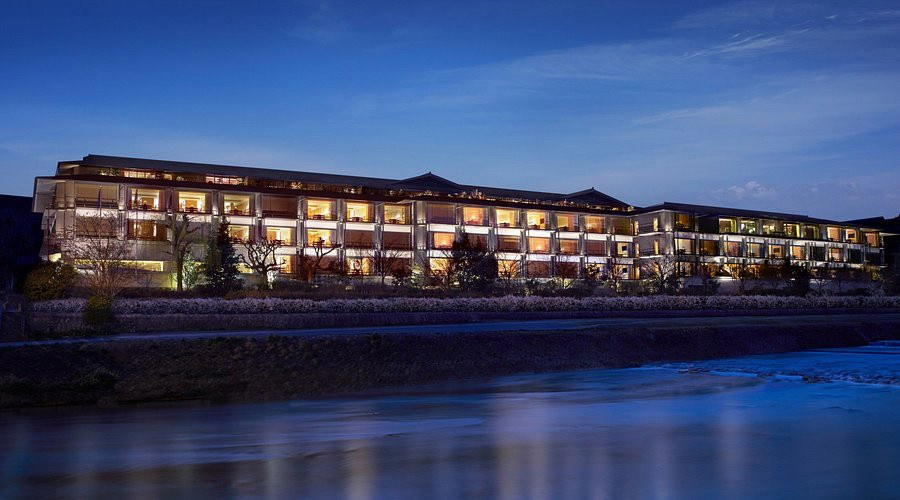
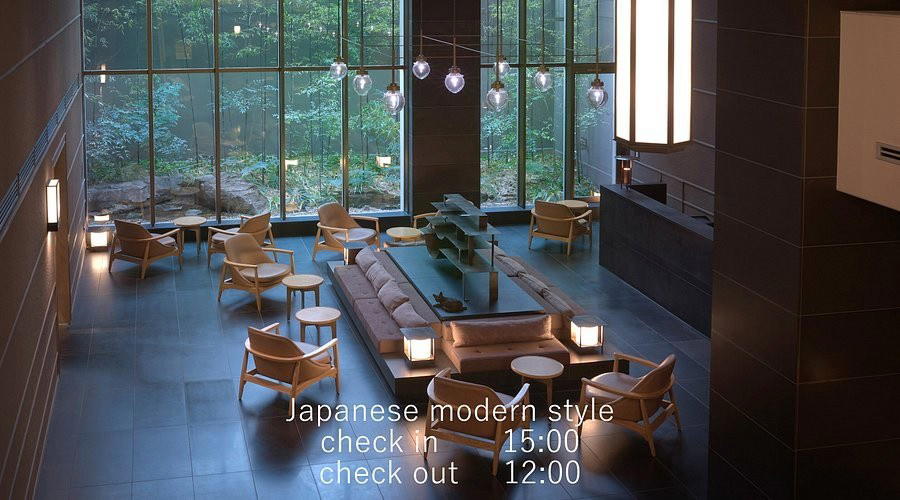
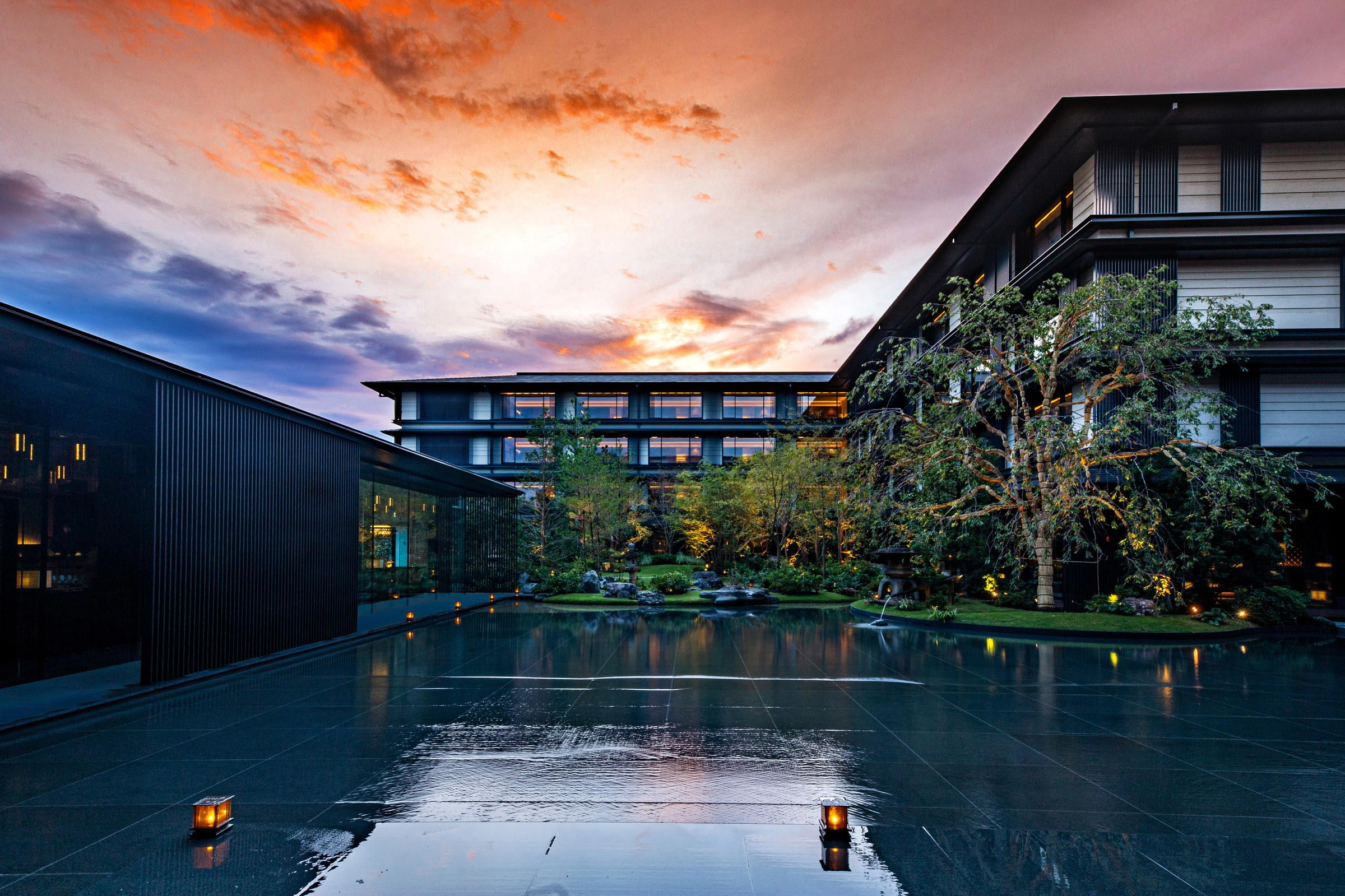
Traditional sukiya-style Japanese inn with refined, serene atmosphere emphasizing seasonal aesthetics and tea ceremony principles