Tabelog 100 #66
Our verdict
Among Kyoto's specialist tonkatsu counters, Tonkatsu Yamamoto occupies a tier defined by craft over volume. Where the city's kaiseki establishments draw international attention, Yamamoto positions itself within a quieter tradition of single-subject Japanese cooking, where the discipline applied to a single cut of pork can rival the precision found at the city's most decorated tables.

Pearl is the En Primeur Club membership app, where members save venues, book tables and use the concierge.
The menu
What to order
- Tonkatsu
- Miso Soup
Where the Single Subject Commands the Room
Kyoto dining tends to announce itself through ceremony. The kaiseki tradition, represented here by counters like Gion Sasaki, Hyotei, and Kikunoi Honten, draws visitors from abroad and commands prices that reflect decades of accumulated technique. But another category of Kyoto restaurant operates on different terms: the specialist house, where a single subject, prepared with the same seriousness as a twelve-course kaiseki progression, defines the entire proposition. Tonkatsu Yamamoto belongs to that category.
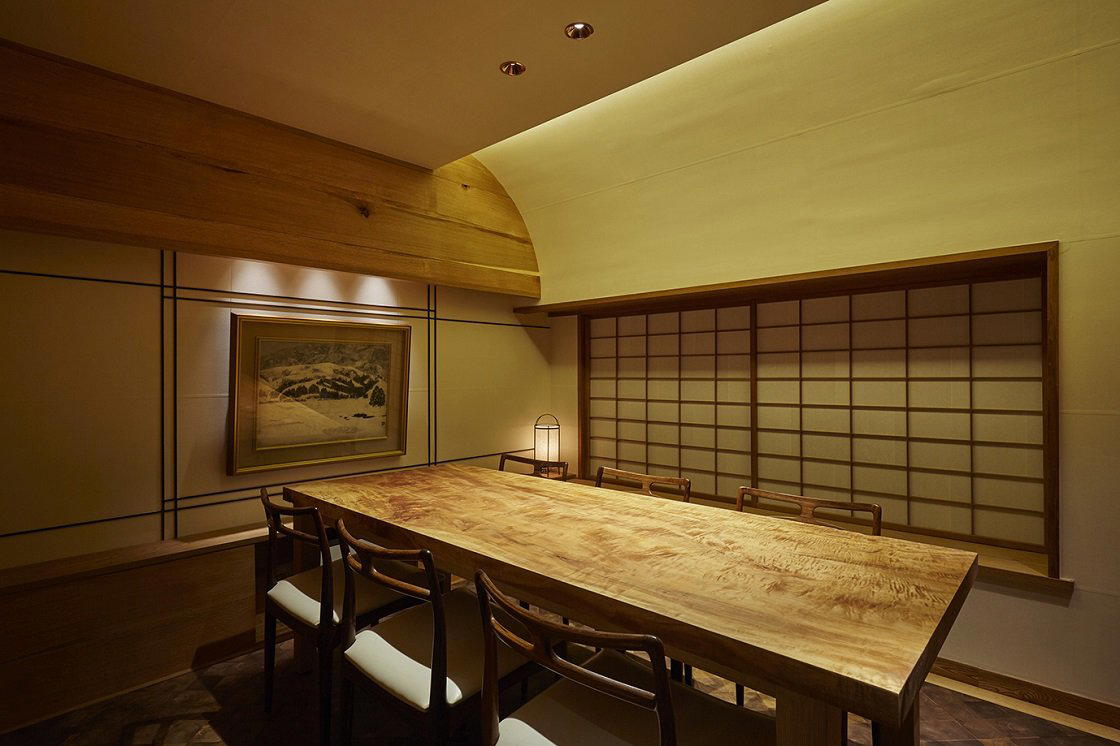
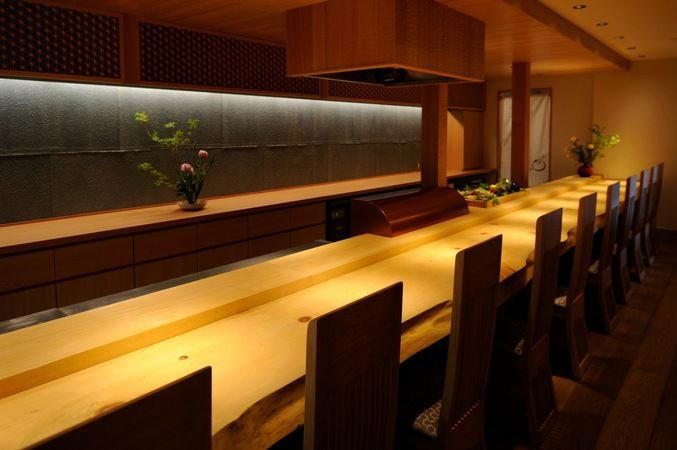
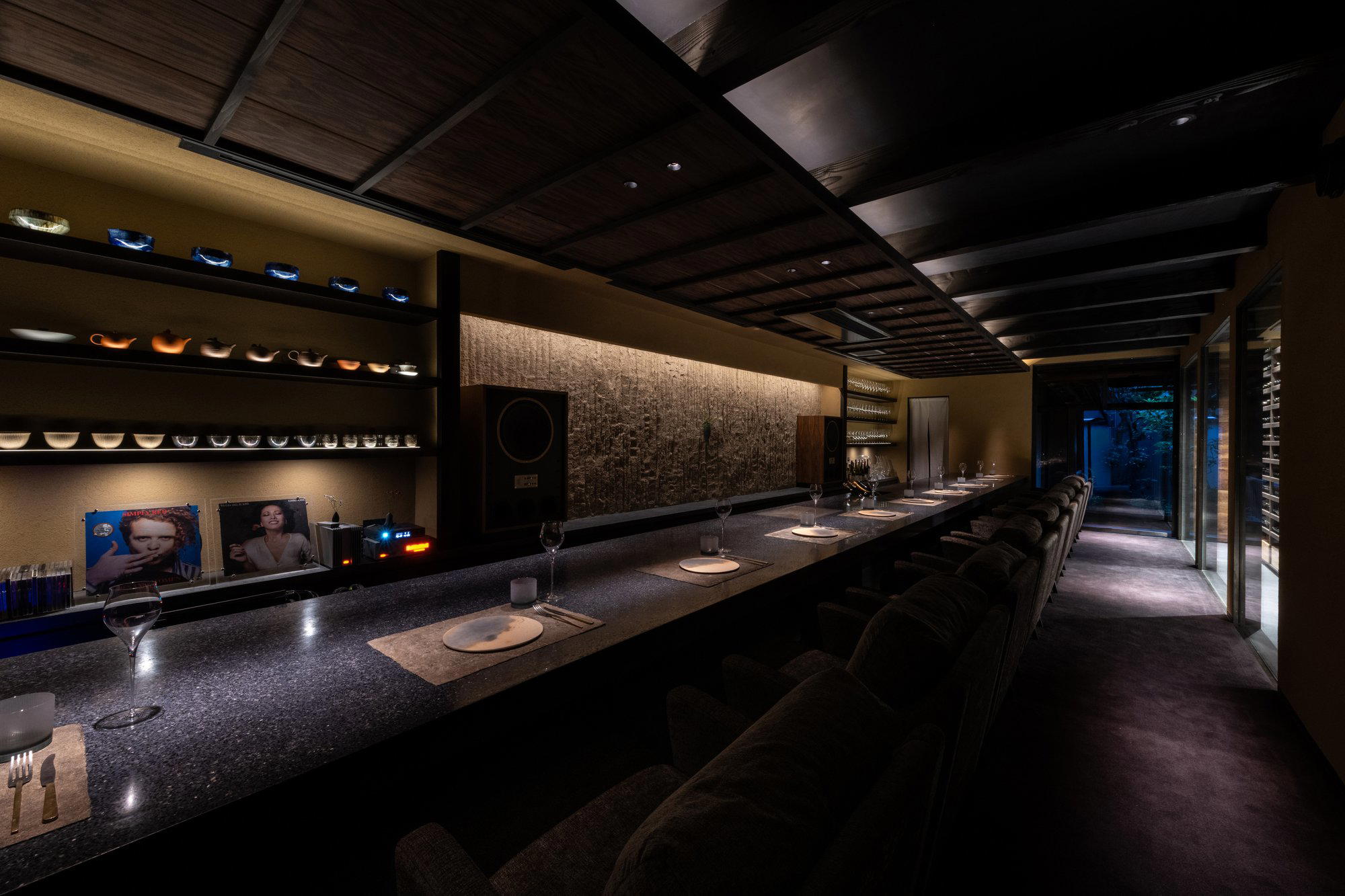
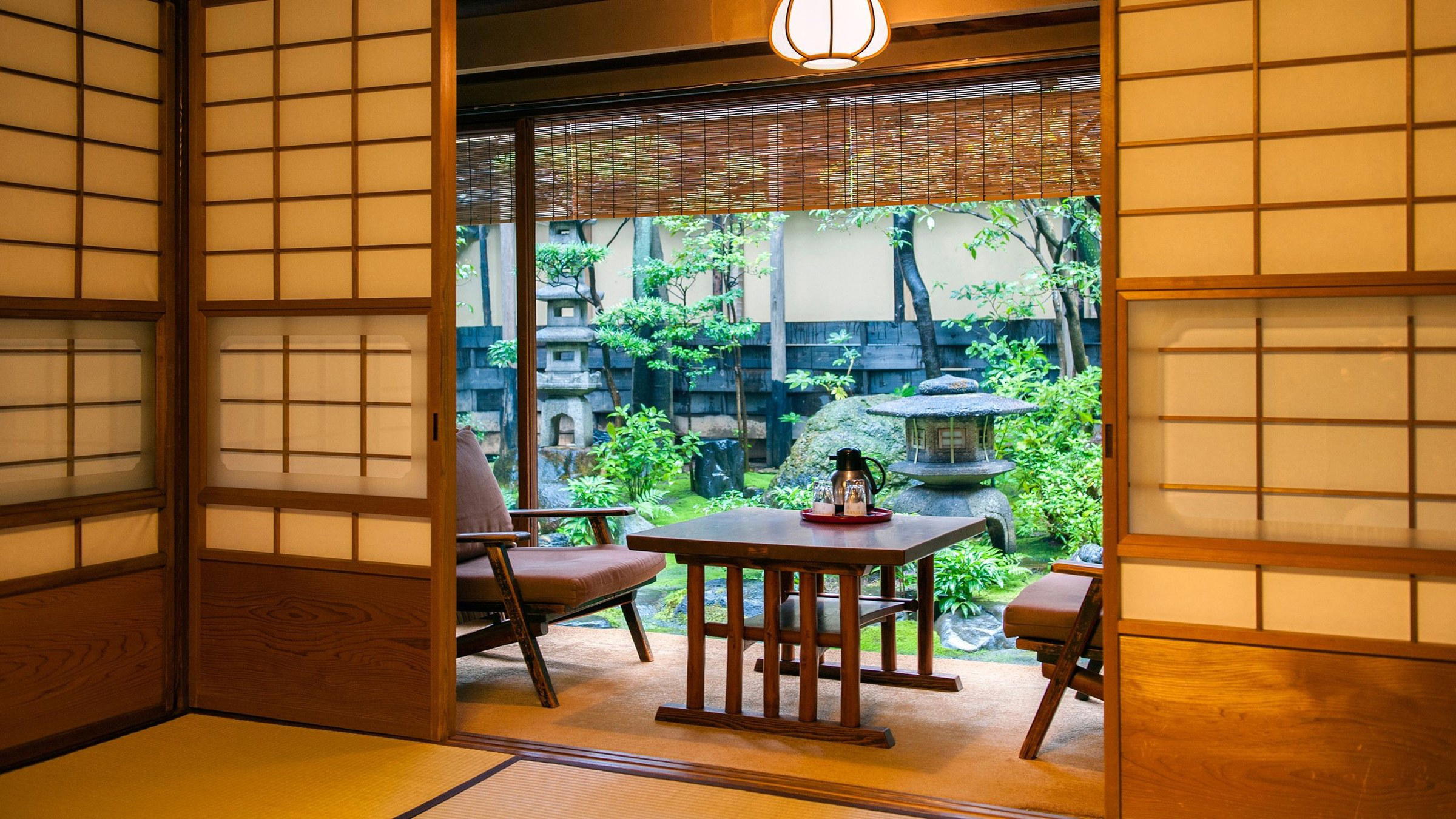
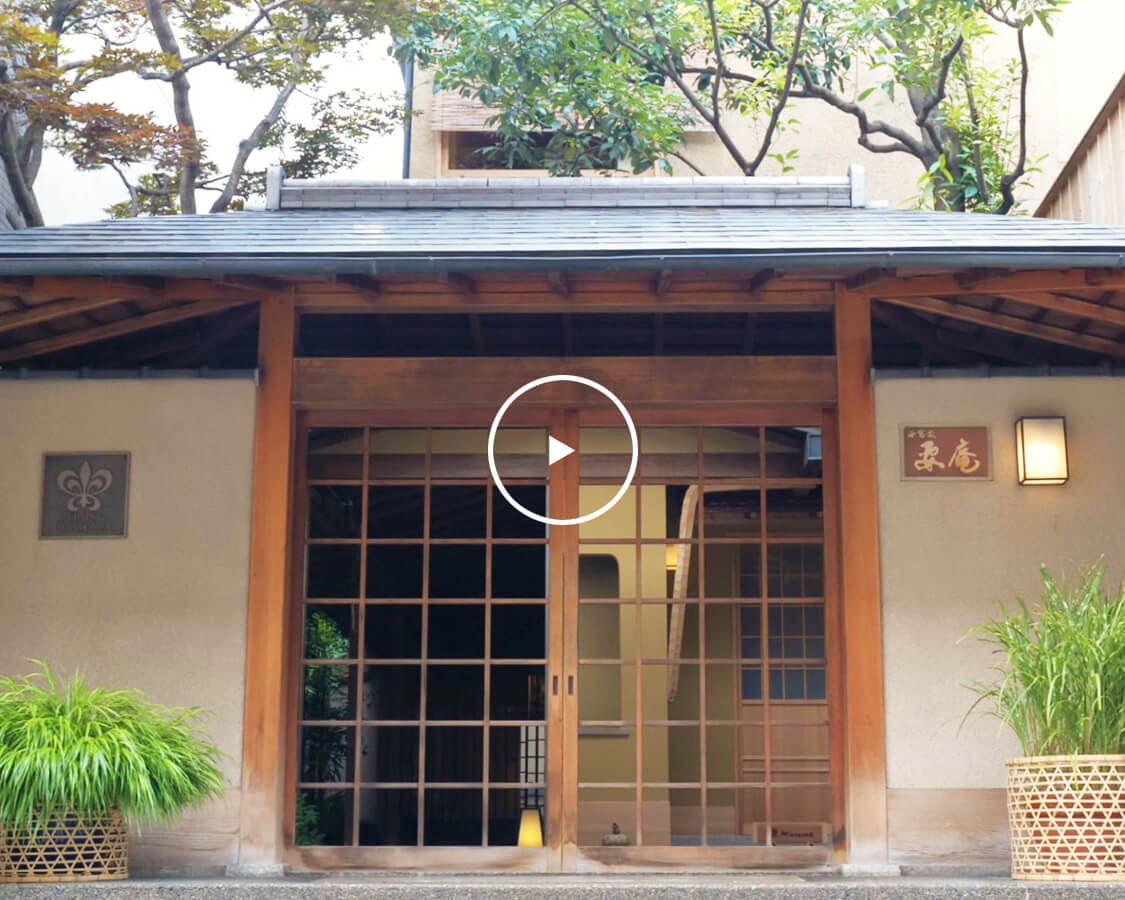
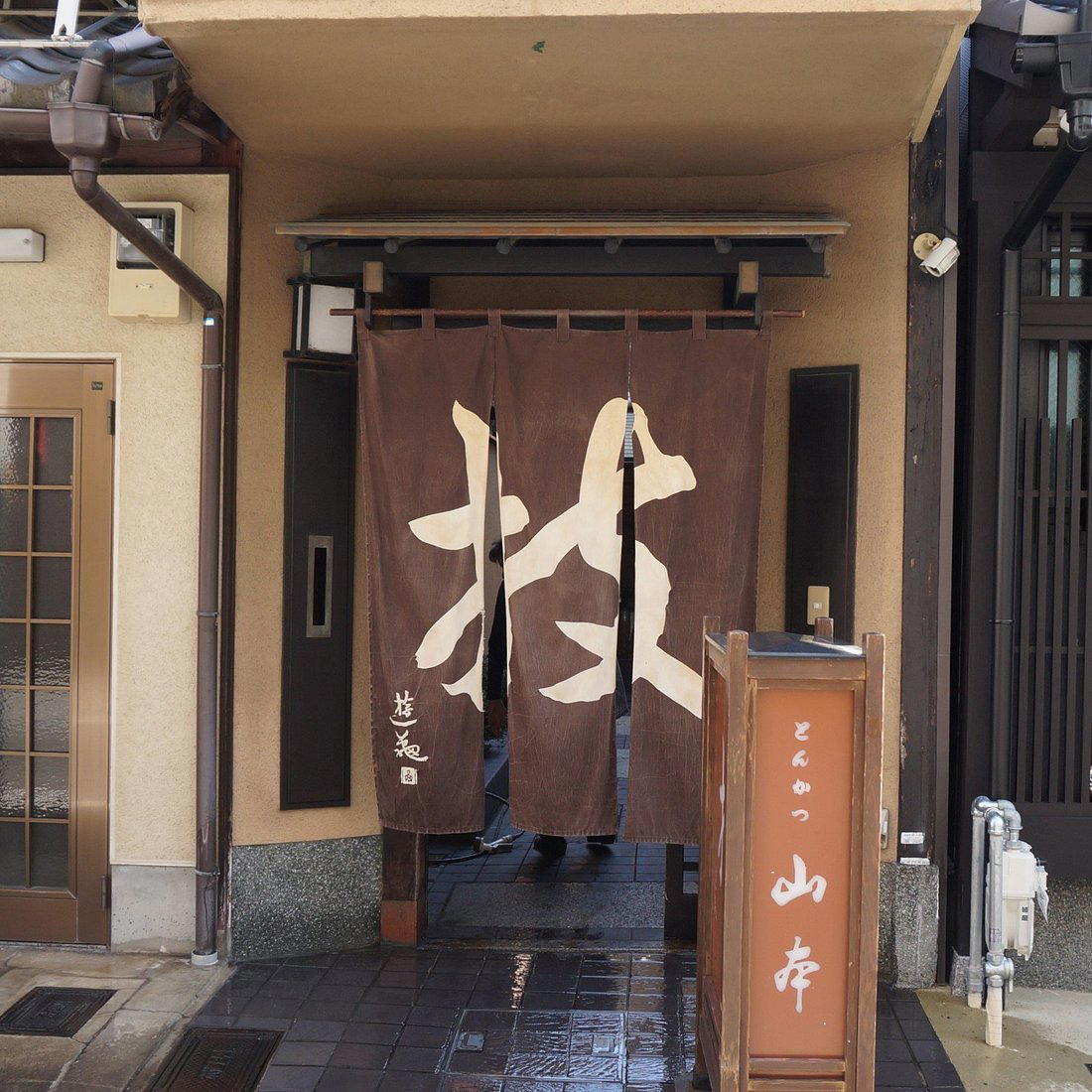
The physical approach to most tonkatsu specialists in Japan follows a familiar grammar: a low-key exterior, often a暖簾 (noren) curtain marking the threshold, a counter or a handful of close-set tables, and the audible rhythm of the kitchen. At Yamamoto, those signals locate the restaurant within a craft-first tradition that has nothing to prove through architectural statement. The attention is directed inward, toward the plate.
The Craft Argument for Tonkatsu
Tonkatsu as a category has undergone significant reappraisal across Japan's major cities over the past decade. What was long treated as a casual, affordable protein dish has bifurcated sharply. In Tokyo, high-end tonkatsu counters now source specific heritage breeds, Kagoshima kurobuta or Iberico crosses, age the pork under controlled conditions, and charge prices that put them in direct competition with mid-tier kaiseki. Kyoto has followed a similar trajectory, with its own specialist houses drawing on local pork suppliers and applying the same sourcing logic that informs the city's high-end vegetable and dashi traditions.
The technical argument for elevation in tonkatsu is direct: the discipline involved in achieving a crust that shatters cleanly without compressing the interior, while keeping the loin or fillet at a specific internal temperature, requires the same calibration expected at any serious kitchen. The oil temperature, the breadcrumb grade, the resting protocol after frying, these are not incidental decisions. At counters where the menu is genuinely limited, there is nowhere to hide an error.
See our full Kyoto restaurants guide for a map of where each specialist sits within the city's larger dining picture.
Team Structure and the Logic of the Counter
In high-concentration single-subject restaurants across Japan, the editorial angle most often applied is the chef. But the more accurate frame for a tonkatsu counter is the team system, where the division of labour between the person managing the fry station, the person handling service rhythm and pacing, and the person coordinating the condiment and accompaniment sequence is what separates a functional kitchen from a disciplined one. The frying station requires sustained physical attention that does not permit concurrent front-of-house management. At counters that operate at the level Yamamoto appears to occupy, the pairing of a technically precise kitchen lead with an experienced floor team creates a different kind of meal than one managed by a single operator working both sides.
The drink pairing question at tonkatsu houses reflects a different logic than at wine-forward restaurants like HAJIME in Osaka or internationally oriented counters such as Harutaka in Tokyo. The pairing tradition at a focused tonkatsu specialist more commonly runs through cold draft beer, high-grade shochu, or carefully selected sake, where the front-of-house team's role is to guide guests through those options with the same attentiveness a sommelier brings to a multi-course wine list. That guidance, when done well, adds material value to the meal.
Kyoto as Context
The city's reputation rests on its kaiseki tradition and on a specific relationship with seasonal ingredients drawn from the Kamo River basin, the surrounding mountains, and the historic Nishiki Market supply network. That context shapes every serious restaurant in the city, including those not operating in a kaiseki format. Tonkatsu specialists in Kyoto tend to reflect the city's broader ingredient discipline: higher standards for pork sourcing than you would find in a comparable casual category in Osaka, more attention to the quality of the accompanying rice and pickles, and a general orientation toward restraint over abundance.
That restraint distinguishes Kyoto's specialist dining from the more expressive formats found at restaurants like Goh in Fukuoka or the cross-cultural ambition at akordu in Nara. The regional identity here pulls toward precision and edit, not toward accumulation. A tonkatsu counter operating inside that tradition is more likely to offer two or three cut options at different price points than a sprawling menu, and more likely to invest in the quality of a single supplier relationship than to rotate broadly.
For comparison outside Japan, the discipline of single-subject restaurant cooking at this level aligns with what Le Bernardin in New York City represents in the seafood category, or what Atomix in New York City represents in the precision-tasting format: a commitment to one frame, executed without concession to generalism. Regional peers within Japan, including counters like 三本木 高橋製 in Nanao, 夕仙亭山乃 in Sapporo, 湖畔荘 in Takashima, 庄羽屋 in Nishikawa Machi, Birdland in Sakai, and Bistro Ange in Toyohashi, illustrate how Japan's regional dining network supports serious single-subject cooking well outside the major metropolitan centres.
Know Before You Go
Know Before You Go
- Location: Kyoto, Japan
- Category: Tonkatsu specialist
- Price range: Not confirmed, contact directly or check current listings
- Reservations: Booking details not confirmed, check current availability through restaurant aggregators or the venue directly
- Hours: Not confirmed, verify before visiting
- Dress code: Not specified, smart casual is appropriate for serious Kyoto specialist dining
- Language: English menus may not be available; basic Japanese or a translation app is advisable
Frequently asked questions
How does Tonkatsu Yamamoto fit into Kyoto's wider restaurant scene?
Kyoto's dining identity is built around kaiseki houses like Kikunoi and Hyotei, where seasonal progression defines the meal. Tonkatsu Yamamoto operates in deliberate contrast: a single-subject format that borrows the city's ingredient discipline and counter focus without the ceremonial structure. That positioning makes it a useful reference point for understanding how Kyoto applies its culinary rigour beyond formal haute cuisine.
What's the must-try dish at Tonkatsu Yamamoto?
At a single-subject tonkatsu counter in Kyoto, the rosu (pork loin) and hire (tenderloin) cutlets are the two decisions that matter. The kitchen's entire argument rests on the quality of the pork and the consistency of the fry, so ordering the house standard cutlet, rather than supplementary items, is where the restaurant makes its case.
Do they take walk-ins at Tonkatsu Yamamoto?
Booking policy details for Tonkatsu Yamamoto are not publicly listed. In Kyoto, counter-focused single-subject restaurants frequently operate on a reservation basis, particularly at lunch, when demand from local regulars is highest. Arriving early or contacting the venue directly is the most reliable approach.
What's the defining dish or idea at Tonkatsu Yamamoto?
The defining idea is concentration: one subject, one technique, refined through repetition. Where Kyoto's broader dining culture divides attention across a seasonal kaiseki sequence, Tonkatsu Yamamoto channels that same precision into the pork cutlet as a singular object of study. The discipline of the format is the point.
Do they accommodate allergies at Tonkatsu Yamamoto?
In Kyoto, communication ahead of a visit is the standard approach for dietary requirements, particularly at counter restaurants where the menu has limited flexibility. Contacting the venue before arrival is advisable.
Is a meal at Tonkatsu Yamamoto worth the investment?
Tonkatsu in Kyoto occupies a different register than the same format in Tokyo or Osaka: the city's standards around ingredients and kitchen discipline carry across categories, including the casual ones. A tonkatsu specialist that holds to that standard delivers genuine value relative to the broader Kyoto dining price tier, where kaiseki counters routinely run well above ¥20,000 per person.
Just the Basics
Comparable venues nearby, for context on price, style, and recognition.
| Venue | Cuisine | Price | Awards | Notes |
|---|---|---|---|---|
| Tonkatsu YamamotoThis venue (the venue you are viewing) | Traditional Tonkatsu | $30–50 | Tabelog 100 #66 | Not listed |
| にくの匠 三芳 | Wagyu Niku Kappo | $500+ | Not listed | Gion, Wagyu Niku Kappo |
| Kyoto Kitcho Arashiyama | Traditional Kaiseki | $300–500 | La Liste Top Restaurants · Tabelog Bronze #220 | Ukyō, Traditional Kaiseki |
| 鮨よし田 | Edomae Sushi with Kyoto Influences | $200–300 | Not listed | Higashiyama, Edomae Sushi with Kyoto Influences |
| 萬寿寺はくらん | Japanese with Nagasaki Gotō influences | $150–200 | Not listed | 下京区, Japanese with Nagasaki Gotō influences |
| Toriyasa | Traditional Japanese Mizutaki | $50–100 | Not listed | Shimogyō, Traditional Japanese Mizutaki |
Recognition history
Dated appearances from independent guides and award organizations, with the underlying list record or original source where available.
Tabelog 100 #66 · No. 66
Tabelog · Tabelog 100 - Tonkatsu - 2026