In Nagoya's Nishiki district, Gastronomy Sol Yanagiya operates from a second-floor address in the Daisan Nishiki Building, positioning itself within the city's quieter tier of ingredient-focused fine dining. The kitchen draws on producer relationships and seasonal sourcing practices that sit closer to the kaiseki tradition than to flashy tasting-menu theatre. For those tracing Nagoya's serious dining circuit, it merits attention alongside the city's more documented names.
Pearl is the En Primeur Club membership app — saves, bookings, and concierge access live there. Same editors, same standards.
- Address
- Japan, 〒460-0003 Aichi, Nagoya, Naka Ward, Nishiki, 3 Chome−19−30 第三錦ビル 2F
- Phone
- +815054883803
- Website
- nbk6101.gorp.jp
- Directions
- Get directions
 Saves & bookings on Pearl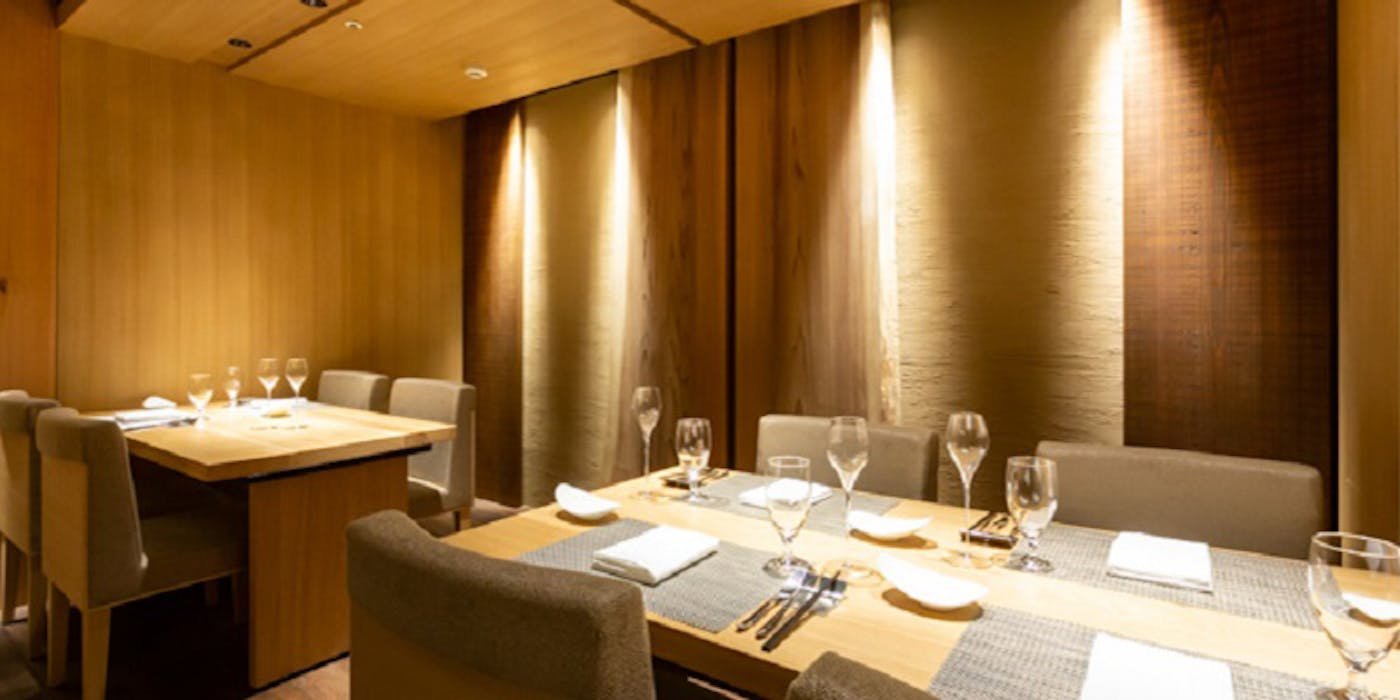
Nishiki's Quieter Register of Fine Dining
Nagoya's Naka Ward dining scene tends to get filtered through its most celebrated exports: the hitsumabushi counters of Atsuta Horaiken (あつた蓬莱軒 本店) and the Italian rooms that have multiplied across Sakae and Nishiki over the past decade. ガストロノミーソール ヤナギヤ is a restaurant in Nagoya serving 本格イタリアン. What receives less coverage is the cluster of smaller restaurants operating in the upper floors of mid-block buildings in Nishiki 3-chome, where the clientele tends to arrive already knowing what they are looking for. Gastronomy Sol Yanagiya sits in this tier, occupying the second floor of the Daisan Nishiki Building at a Nishiki 3-chome address that announces nothing from street level.
The physical approach matters here. Second-floor restaurants in Japanese cities carry a particular social signal: they are not designed to catch passing trade. The staircase is the filter. Venues that operate this way tend to rely on recommendation and reservation rather than foot traffic, which shapes both the room's atmosphere and the kitchen's assumptions about who is sitting at the table. In Nagoya, this format appears across categories, from the unagi specialists to the French rooms that reference Chez Kobe as a peer benchmark.
Ingredient Sourcing as the Structural Logic
The name the restaurant has chosen, Gastronomy Sol Yanagiya, signals an alignment with the European gastronomie tradition rather than with kaiseki's seasonal vocabulary, even if the sourcing logic underneath both systems is similar. Across Japan's serious fine dining tier, from Gion Sasaki in Kyoto to HAJIME in Osaka, the defining competitive signal has shifted away from technique alone toward demonstrated producer relationships. What the kitchen can access, and at what point in the growing or aging cycle, has become the more meaningful differentiator.
In Nagoya's context, this matters for specific regional reasons. Aichi Prefecture's agricultural profile is more varied than the city's restaurant reputation suggests: Mikawa Bay seafood, Nishio matcha, Aichi's own chicken breeds, and produce from the agricultural belt south of the city all represent supply chains that a locally embedded kitchen can reach more directly than an equivalent restaurant in Tokyo or Osaka. The gastronomic restaurants operating in Nishiki that take sourcing seriously tend to build their menus around this geography rather than importing prestige ingredients for their name recognition alone. This approach produces a different cost structure and a different dining rhythm, one that changes with prefecture-level harvests rather than with international import calendars.
Restaurants following this model elsewhere in Japan, including akordu in Nara and Goh in Fukuoka, have demonstrated that a strong regional sourcing identity can sustain a serious fine dining format without requiring a major-city address or an international press cycle. Nagoya, as Japan's fourth-largest city with a substantial local economy and a corporate dining culture, provides a plausible base for that model.
Where Yanagiya Sits in Nagoya's Italian and European Dining Layer
Nagoya has developed a denser Italian fine dining tier than most comparable Japanese cities outside Tokyo and Osaka. Rooms like Cucina Italiana Gallura, cucina Wada, and Bacio occupy different price points and format approaches within that tier. The French and European-leaning gastronomie format occupies a smaller but distinct adjacent space, where the reference points are closer to the precision-driven tasting menu tradition seen at Harutaka in Tokyo or the more produce-committed rooms of regional Japan.
Within Nagoya, a gastronomie room positioned around ingredient sourcing rather than around classical French technique as its primary identity occupies a niche that the city's dining scene has the appetite to support. The corporate lunch and dinner circuit in Naka Ward generates consistent demand for this format, and the Nishiki address, though unassuming from the exterior, sits within walking distance of the central business district.
Comparison with out-of-city peers is instructive for calibration. Le Bernardin in New York City and Atomix in New York City both demonstrate how ingredient transparency and sourcing narrative have become central to fine dining communication at the highest tier internationally. In Japan's regional cities, that same shift is playing out at a smaller scale, with kitchens like those at 一本杉 川嶋 in Nanao and 庄内屋 in Nishikawa Machi building reputations that extend beyond their immediate geography through the quality of their sourcing relationships rather than through traditional award cycles.
Planning a Visit
The Daisan Nishiki Building address in Nishiki 3-chome places the restaurant in central Naka Ward, accessible from Sakae Station on the Higashiyama and Meijo subway lines within a short walk. As a second-floor room, the booking process runs through reservation channels. Budget assumptions should be calibrated against comparable gastronomie rooms in the region, with pricing around $150 per person.
For those building a wider Japan itinerary around regional fine dining, the Nagoya stop can anchor a circuit that includes 大井山乃 in Sapporo to the north and 湖邑庵 in Takashima to the west, both of which operate in the ingredient-focused regional tradition that Yanagiya references. The Birdland format at Birdland in Sakai offers a further data point on how single-product sourcing focus can sustain a serious dining proposition in a secondary Japanese city.
Reputation First
Comparable venues nearby, for context on price, style, and recognition.
| Venue | Cuisine | Price | Notes |
|---|---|---|---|
| ガストロノミーソール ヤナギヤThis venue — the venue you are viewing | 本格イタリアン | $$$$ | Not listed |
| Itsuki | Italian | $$$$ | Naka |
| Centro | Seasonal Italian Omakase in Nagoya | $$$$ | Higashi |
| Wakana ~Wakana~ | Modern Italian-French Fine Dining | $$$$ | Naka |
| OLMO | Seasonal Italian in a renovated Nagoya kominka | $$$$ | Nishi |
| イル アオヤマ | Japanese-Italian Fusion Omakase | $$$$ | Higashi |
Continue exploring
More in Nagoya
Restaurants in Nagoya
Browse all →

At a Glance
- Elegant
- Sophisticated
- Cozy
- Date Night
- Special Occasion
- Private Dining
- Sake Program
- Local Sourcing
Current opening hours
- Monday
- 9 AM–5 PM
- Tuesday
- 12–2:30 PM, 6–11 PM
- Wednesday
- 12–2:30 PM, 6–11 PM
- Thursday
- 12–2:30 PM, 6–11 PM
- Friday
- 12–2:30 PM, 6–11 PM
- Saturday
- 12–2:30 PM, 6–11 PM
- Sunday
- Closed
Hours can change for holidays and private events. Last verified .
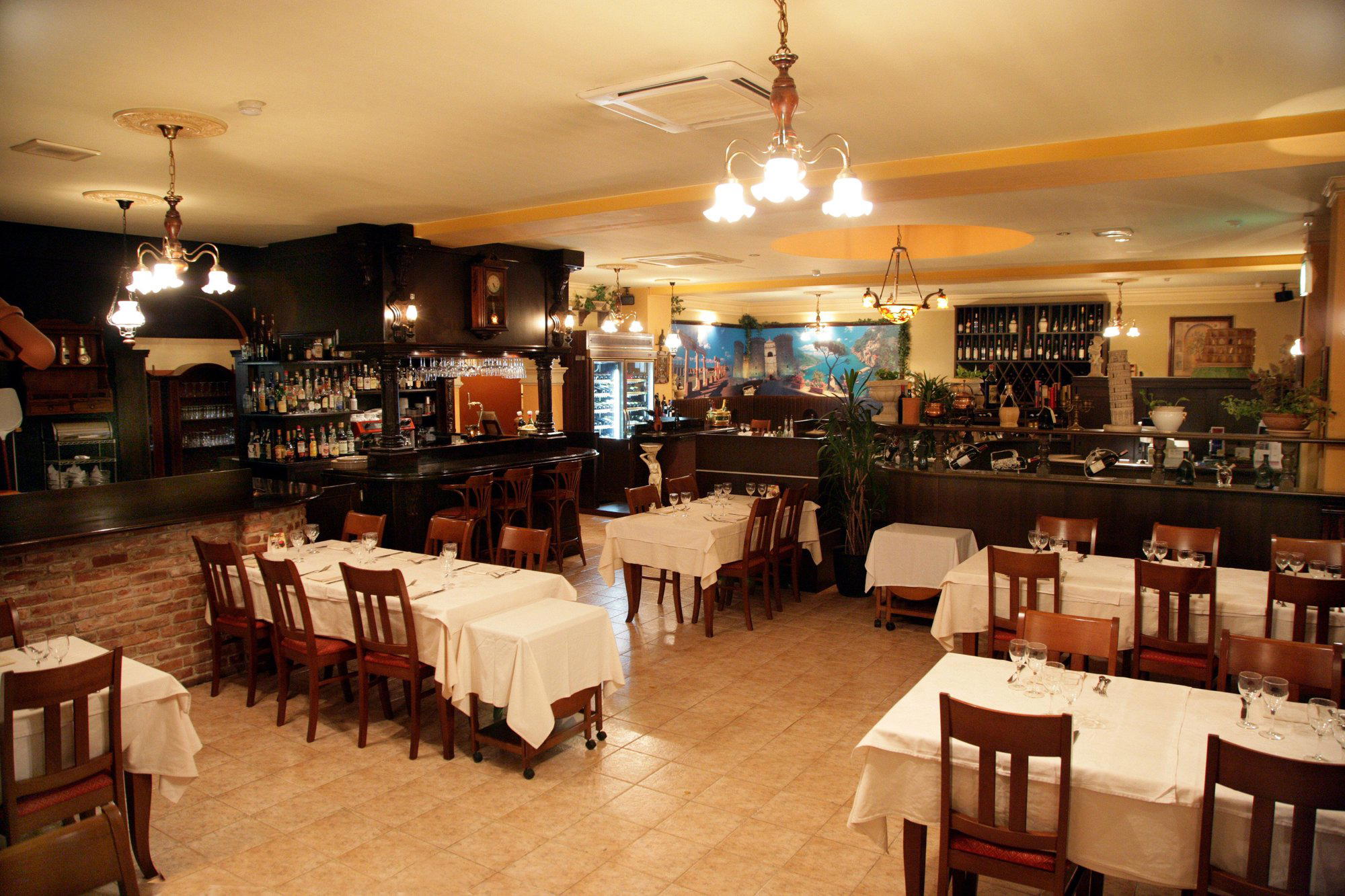
オシャレで落ち着いた空間にカウンター席あり。