
Centro places Nagoya’s Italian dining in a sharper, more intimate register: small-room, wine-aware, and built around a course format rather than casual trattoria rhythms. Its 2025 Tabelog 100 Italian EAST selection gives it a credible marker in a city better known nationally for miso-katsu, kishimen, and Nagoya Cochin than for high-end Italian rooms.
Pearl is the En Primeur Club membership app — saves, bookings, and concierge access live there. Same editors, same standards.
- Address
- 2 Chome-4-12 Izumi, Higashi Ward, Nagoya, Aichi 461-0001, Japan
- Phone
- +81 52-933-0102
- Website
- centro.nagoya
 Saves & bookings on Pearl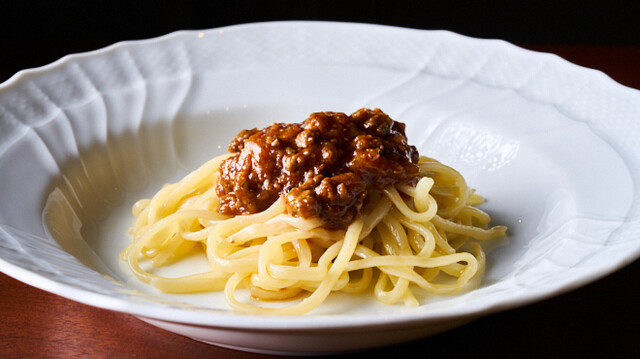
The first read is domestic, not theatrical: a house-restaurant in Izumi, a quieter Higashi Ward pocket where Nagoya dining slows beyond station-area velocity. In a city where business meals often favor private rooms, kappo counters, grilled chicken, and polished hotel restaurants, a small Italian room must justify itself through format, pacing, and wine confidence rather than spectacle.
Centro fits that lane. Its public signals are compact but useful: Tabelog 100 Italian EAST 2025 recognition, a Tabelog score of 3.69, 12 seats across counter and table seating, and a house-restaurant identity rather than a hotel or tower address. For Nagoya, that suggests premium dining evolving less by importing Tokyo scale than by tightening the room, controlling the course, and asking guests to treat Italian cooking with the reservation discipline they bring to sushi, kappo, or French dégustation.
Italian cooking in Nagoya has moved beyond the trattoria template
Nagoya’s food reputation is often reduced to local comfort dishes, but its higher-end dining is broader. Italian restaurants in Japan have long absorbed regional Japanese produce, French service habits, and wine-cellar seriousness; in Nagoya, they now compete with specialist Japanese formats for occasion dining. A compact Italian counter or table room is no longer a relaxed alternative to formality. It can occupy the same decision tier.
Centro’s recognition is useful evidence. Tabelog’s Hyakumeiten lists are not Michelin stars, but in Japan they carry real consumer weight by identifying restaurants with sustained category attention. The 2025 Italian EAST selection places Centro in a regional Italian conversation, not just a local Nagoya one. Scale is more telling: 12 seats change dinner’s economics and mood. A restaurant this small depends on precise pacing and guest fit; it cannot hide behind turnover, banquet rooms, or walk-in volume.
The Nagoya comparison is revealing. Tori Ryori Masa and Nagoya Cochin Kappo Torifuku work in poultry-led Japanese territory, with dinner ranges below or overlapping parts of the premium occasion market. Kizki and Kofukusai Kamekichi point to a casual-to-midrange rhythm. Ciotto Giotto sits in a closer Italian price bracket, making it a natural reference for diners weighing Italian rooms rather than cuisine categories. Against that field, Centro reads as a small-capacity Italian choice for diners wanting the controlled feel of a course-led evening without defaulting to French or Japanese formalism.
For broader city planning, Our full Nagoya restaurants guide gives the wider frame, while nearby editorial reads such as 1022, 451, Aaron, Alan., and All Day Dining Montmartre help map Nagoya’s range across formats rather than one cuisine identity.
A small room changes the contract between kitchen and guest
The Japanese course-meal model rewards clarity before arrival. Allergies, dislikes, and dietary limits are not footnotes in a room this size; they determine whether the kitchen can serve the meal as designed. The stated inability to accommodate fully vegan, gluten-free, no wheat, no dairy, or no seafood requests is not hostility. It marks the format’s boundaries, common at small counters and course-only restaurants in Japan’s premium dining culture because last-minute substitutions can distort the menu architecture.
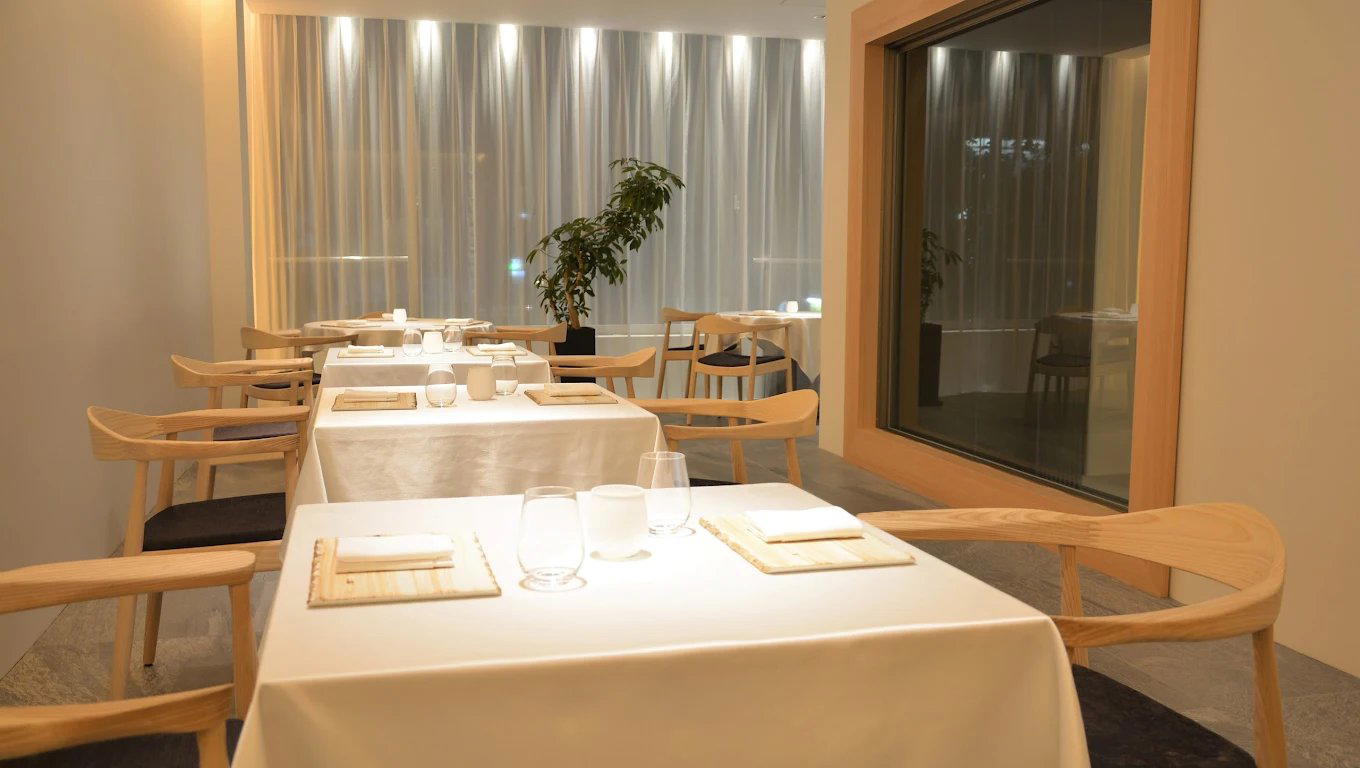
The configuration matters. Four counter seats and table seating place Centro between two Japanese fine-dining modes: the counter, where guests read timing and craft closely, and the table, where the meal carries more private-occasion energy. There are no private rooms, keeping the experience closer to shared-room dining than corporate enclosure. It suits diners wanting a small-restaurant atmosphere rather than formal entertainment space separation.
Wine is another signal. Centro identifies wine as a focus, which in Japan’s Italian rooms often separates serious course dining from pasta-and-main casualness. The point is not breadth for its own sake. In a compact restaurant, wine must support the menu sequence without becoming a cellar performance. That is the direction of many ambitious Japanese-Italian rooms: quieter, more edited, less dependent on grand-room gestures.
Centro opened in 2022, giving its 2025 category recognition added context. Japan’s post-2020 dining period pushed smaller restaurants to clarify reservation policy, seating economics, and guest compatibility. Reaching category-list recognition within that window shows how quickly a focused, legible room can enter the conversation. This is not dramatic old-to-new reinvention; it is the newer Nagoya pattern of compact, specialist dining becoming credible enough to compete with longer-established occasion formats.
How to place it within a Nagoya itinerary
The right diner is not simply seeking Italian food in Nagoya. The better fit is someone choosing a measured, adult dinner where room size, wine emphasis, and course structure matter as much as cuisine. This is not the place to test broad dietary restrictions or bring a large, loosely organized group. It suits a two-person dinner, small celebration, or business meal where conversation matters and the setting need not have a private room to feel composed.
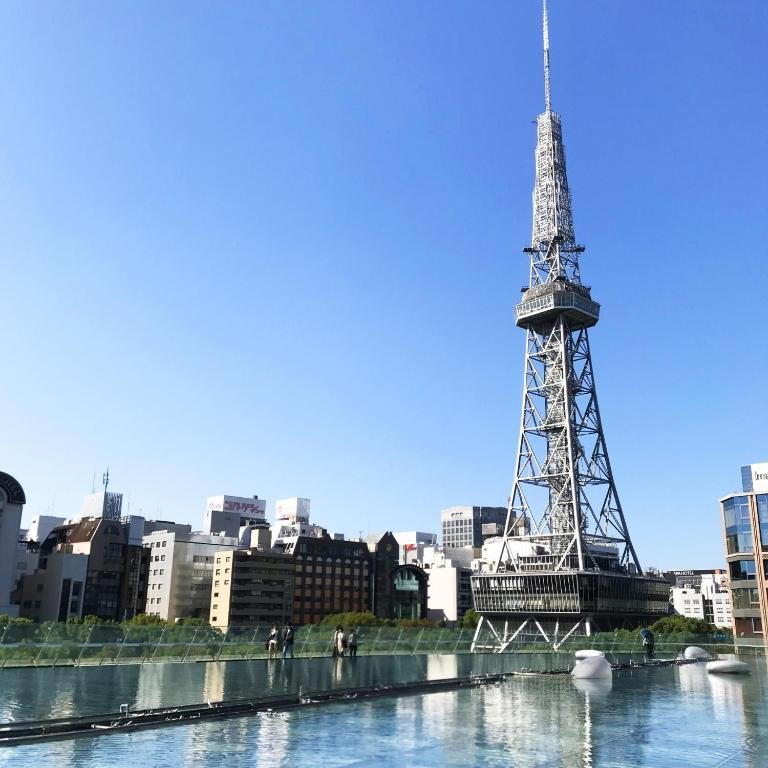
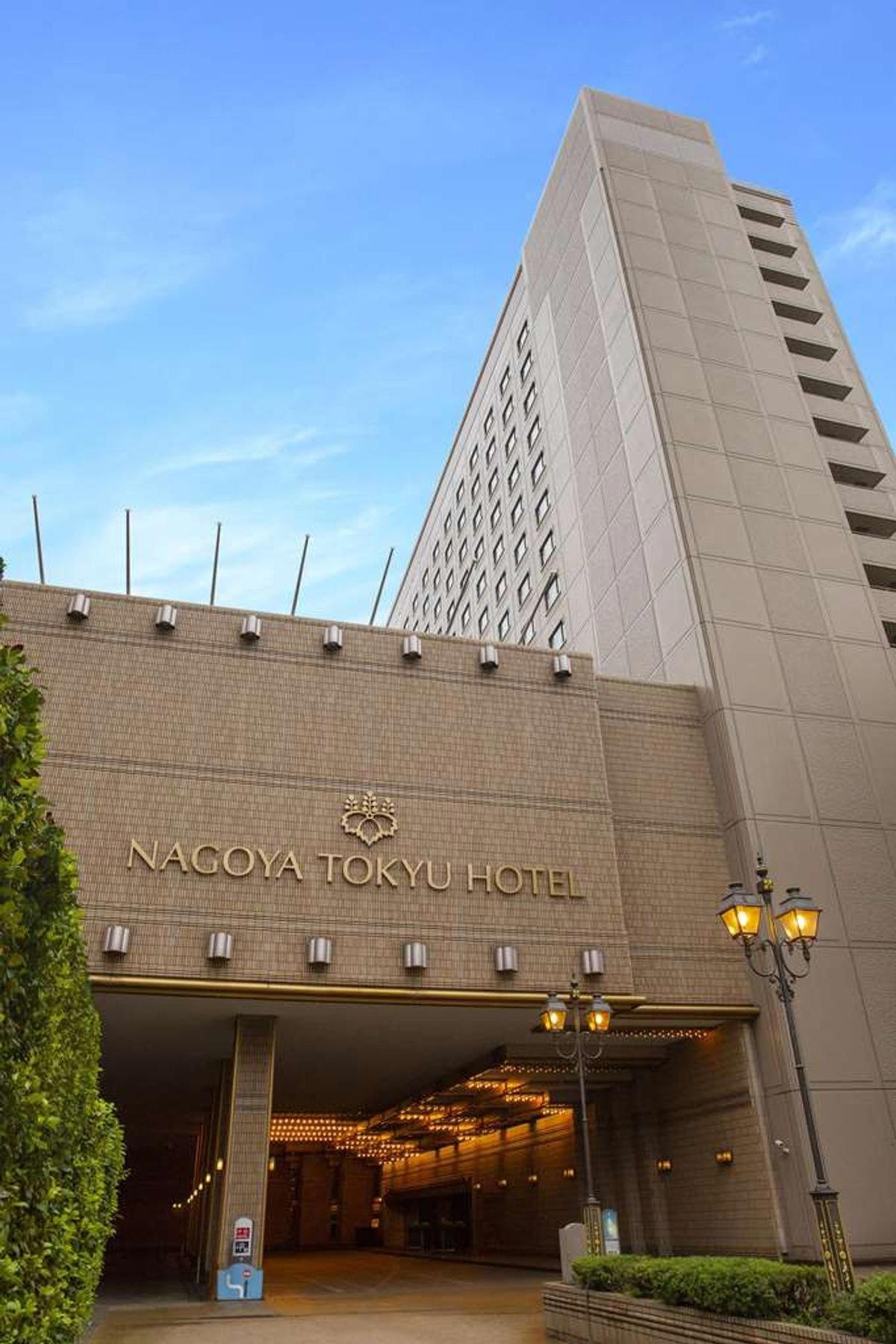
Izumi also changes the evening’s shape. This part of Higashi Ward helps travelers avoid building every meal around Nagoya Station or Sakae. It pairs well with a hotel base offering easy city-center access without making dinner feel like transit dining. For that wider trip architecture, Our full Nagoya hotels guide, Our full Nagoya bars guide, Our full Nagoya wineries guide, and Our full Nagoya experiences guide are better planning tools than treating dinner as an isolated booking.
The wider Japanese context helps. Travelers moving between cities will find specialist dining can look radically different while sharing discipline around format and expectation-setting. Compare the focused regional pull of -Grilled beef Sukiyaki- KAMAKURA TANUKIAN 鎌倉 たぬき庵 in Kamakura, the casual seafood-and-grill register of. 鮪と炭火焼き うお炭 秋葉原店 in Tokyo, the café format of.cafe in Osaka, the Kumamoto perspective at.know in Kumamoto, the Vietnamese angle at (Shoku) Vietnam in Kawasaki, and the curry specialization of [Curry Senmon Ten] Maruyama Kyoju. in Sapporo. Even outside Japan, focused-format rooms such as Jōdo Saké Bar in Los Angeles and Onigiri Time in Pasadena show how Japanese dining culture travels through specificity rather than generic luxury cues.
The editorial verdict is clear: Centro belongs on a Nagoya short list when the brief is small-scale Italian with credible category recognition and a controlled dinner format. Its appeal is not excess. It is the confidence to operate within limits, often where Japanese Italian dining becomes interesting.
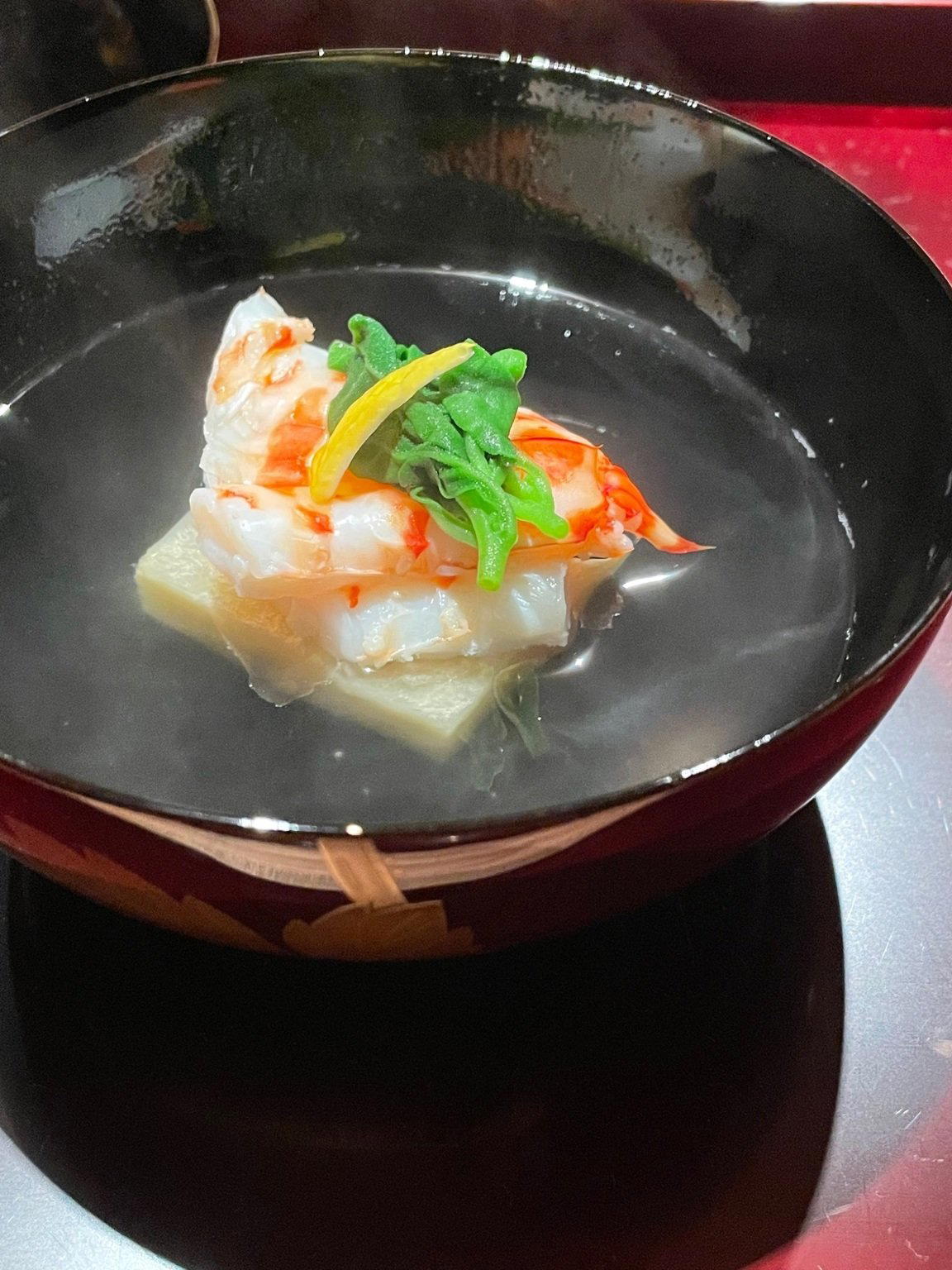
- Seasonal omakase course (chef’s choice)
- Hokkaido uni and algae butter toast
- Cold corn potage (Miyazaki Gold Rush)
- Iberico ham sliced on Berkel slicer
- White asparagus roast
- Blackthroat seaperch with shellfish sauce
- Potato and truffle gratin
- Kawachi duck with watercress
- Kajima vongole pasta
A Quick Peer Check
Comparable venues at a glance for context.
| Venue | Cuisine | Price | Notes |
|---|---|---|---|
| CentroThis venue — the venue you are viewing | Seasonal Italian Omakase in Nagoya | $$$$ | Not listed |
| Itsuki | Italian | $$$$ | Naka |
| イル アオヤマ | Japanese-Italian Fusion Omakase | $$$$ | Higashi |
| Wakana ~Wakana~ | Modern Italian-French Fine Dining | $$$$ | Naka |
| Bacio | Tuscan Italian with Local Aichi Ingredients | $$$ | Higashi |
| Shokudo chisan | Modern local-sourcing Italian (pasta & steak) | $$$ | Nakamura |
Recognition history
Dated appearances from independent guides and award organizations, with the underlying list record or original source where available.
Tabelog 100 #87 · No. 87
Tabelog · Tabelog 100 - Italian - EAST - 2025
Continue exploring
More in Nagoya
Restaurants in Nagoya
Browse all →
At a Glance
- Elegant
- Cozy
- Intimate
- Classic
- Date Night
- Special Occasion
- Celebration
- Business Dinner
- Standalone
- Design Destination
- Local Sourcing
Current opening hours
- Monday
- 6–9 PM
- Tuesday
- 6–9 PM
- Wednesday
- 6–9 PM
- Thursday
- 6–9 PM
- Friday
- 6–9 PM
- Saturday
- 6–9 PM
- Sunday
- 6–9 PM
Hours can change for holidays and private events. Last verified .
A small, quietly elegant Italian dining room in Nagoya’s Higashi Ward, where guests are encouraged to dress up a little and linger over multi-course seasonal dishes in a calm, intimate atmosphere focused on conversation.