
イル アオヤマ occupies a quiet address in Nagoya's Higashi Ward, in the Tokugawa district where the city's older residential grain persists beneath its industrial reputation. The restaurant positions itself in Nagoya's Italian dining tier, where occasion-driven meals and careful cooking define the room's expectations. For milestone dinners in a city that takes its eating seriously, it belongs on the shortlist.
Pearl is the En Primeur Club membership app — saves, bookings, and concierge access live there. Same editors, same standards.
- Address
- Japan, 〒461-0025 Aichi, Nagoya, Higashi Ward, Tokugawa, 1 Chome−17−38 ワンラブビル
- Phone
- +81525087967
- Website
- asiamapi.com
 Saves & bookings on Pearl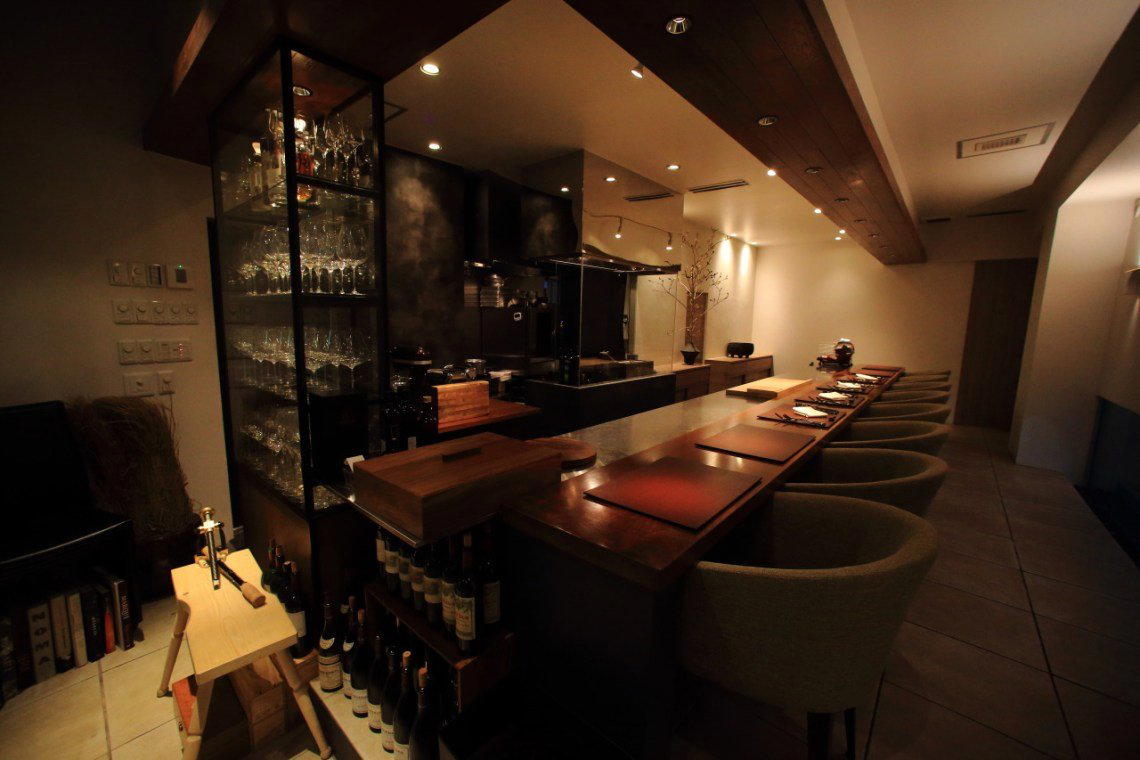
Occasion Dining in Higashi Ward: Where Nagoya Slows Down
Nagoya has a reputation built on speed and industry, but the Tokugawa district in Higashi Ward operates at a different register. This is one of the city's older quarters, where the street pattern still reflects Edo-period planning and the pace of foot traffic belongs more to a residential neighbourhood than a commercial corridor. It is precisely in places like this that occasion dining tends to root itself: away from the department-store restaurant floors, away from the Sakae clusters, and closer to the kind of address that requires a reservation and a purpose.
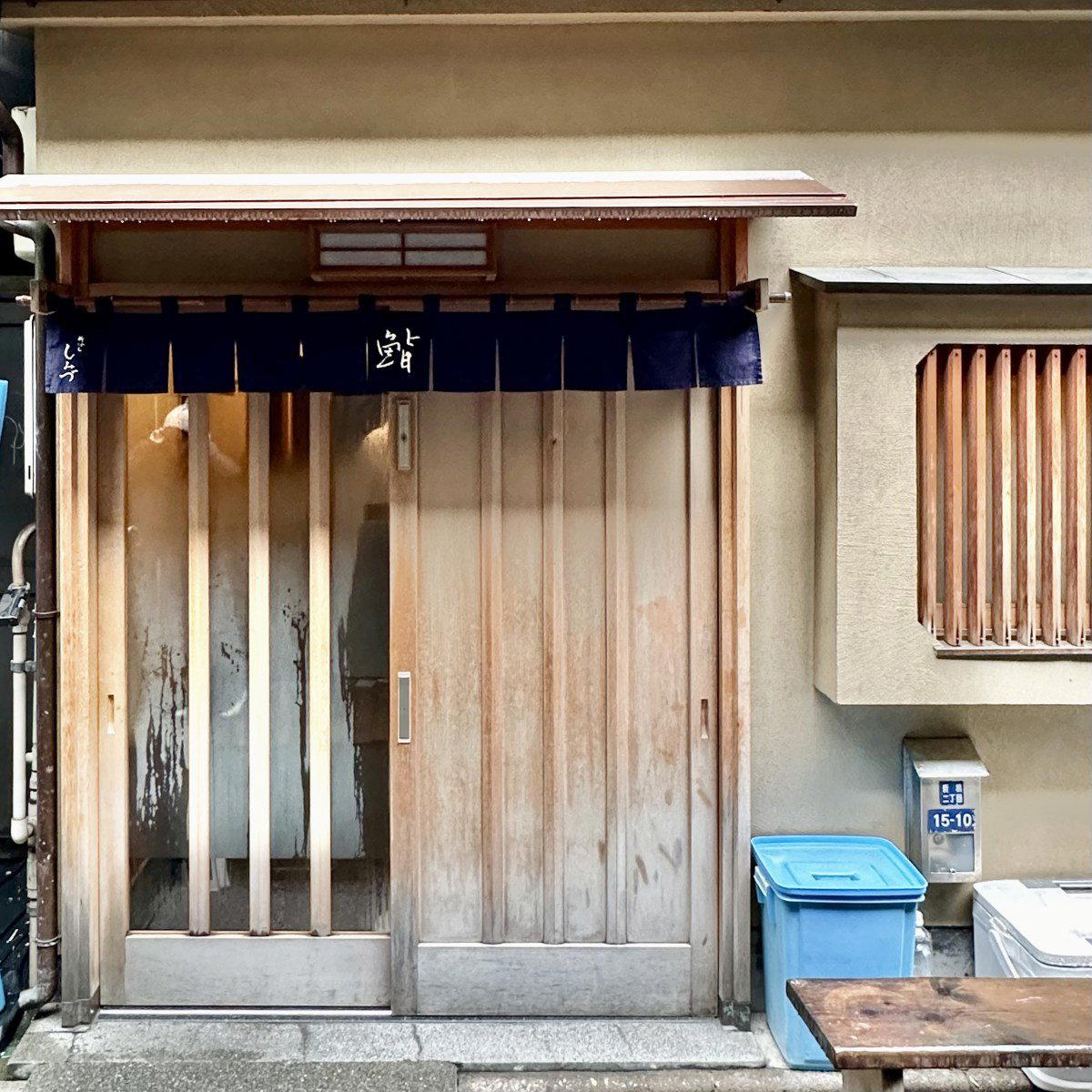
イル アオヤマ, styled as il AOYAMA in its Italian-facing identity, sits on Tokugawa's 1-chome at the ワンラブビル address. The building's location in this part of the ward places it among a small set of Nagoya restaurants where the surrounding neighbourhood context does meaningful work: the journey to the table is already part of the experience, not incidental to it. In Nagoya's Italian dining tier, that positioning is deliberate. The comparison venues that share the city's occasion-dining bracket, among them Bacio and cucina Wada, each occupy a distinct geographical and culinary niche.
Italian in a Japanese City: The Broader Frame
Nagoya's relationship with Italian cuisine is not peripheral. Across Japan, Italian cooking has embedded itself so deeply into the dining culture that the category functions less as foreign import and more as a parallel domestic tradition. In cities like Tokyo and Osaka, Italian restaurants occupy everything from casual lunch counters to multi-course fine dining rooms that rival French tasting menus in ambition and price. Nagoya follows the same logic, and its Italian tier spans a range from trattoria-style neighbourhood plates to the kind of service-led, course-format evenings that define milestone dinners.
Within that spectrum, il AOYAMA reads as a fine dining address. The Italian identity, confirmed by its own styling, places it in comparison with venues that operate on European course structures, wine-led pacing, and kitchen ambitions that reward a return visit. For context on how Italian fine dining positions within Japan's broader occasion-dining scene, it is worth considering what venues like HAJIME in Osaka and Gion Sasaki in Kyoto demonstrate: that Japan's premium dining rooms consistently prioritise rigour, quiet service, and the architecture of a meal that builds deliberately from first course to last.
Nagoya's own Italian scene includes Cucina Italiana Gallura and Chez Kobe, each operating with its own distinct format and guest profile. What differentiates the upper tier of this category, where il AOYAMA appears to position itself, is the expectation that a meal here is an event, not a convenience. The room is a place to arrive at.
The Occasion-Dining Logic
Japan's culture of gifting and ceremony extends directly into how restaurants are used. Birthdays, engagements, work anniversaries, and family milestones carry dining protocols that differ from Western habit: the booking often comes weeks or months in advance, the party's needs are communicated to the kitchen ahead of time, and the occasion is treated as a collaborative production between guest and restaurant. Italian fine dining in a Japanese city like Nagoya inherits this framework almost automatically. The course format maps cleanly onto the pacing expectations of celebratory meals, and the neutrality of Italian cuisine, familiar enough to please a cross-generational table, technical enough to signal serious intent, makes it a reliable choice for the kinds of occasions where the restaurant itself carries social meaning.
For those planning a milestone meal in Nagoya, the Higashi Ward address requires some navigation, and building in travel time is sensible for evening reservations. This is the kind of logistical detail that distinguishes a considered occasion booking from an impulsive one, and it sits comfortably within the deliberate rhythm that a restaurant like il AOYAMA appears to expect from its guests.
Across Japan's regional dining cities, the pattern of occasion restaurants anchoring themselves in quieter residential addresses is well-established. akordu in Nara and Goh in Fukuoka both demonstrate how fine dining outside Tokyo tends to embed itself in the city's quieter geography rather than competing for high-footfall corners. The result is a more concentrated dining experience, where the guest population skews toward the intentional rather than the accidental.
Placing il AOYAMA in the Nagoya Context
Nagoya's food identity is dominated domestically by its own regional cuisine, hitsumabushi eel at places like Atsuta Horaiken, miso-katsu, and the broader nagoya-meshi canon, but the city supports a parallel tier of international fine dining that its industrial wealth and business travel patterns sustain. Italian occupies a significant share of that parallel tier, and the competition within it is real. The restaurants that hold ground in this bracket do so through consistency, through a clear sense of occasion, and through the kind of quiet reputation that accumulates via return visits and personal recommendations rather than social media volume.
For comparison outside Nagoya's Italian tier specifically, the occasion-dining logic that governs il AOYAMA's positioning finds parallels in restaurants across Japan's secondary cities. Harutaka in Tokyo and Atomix in New York City both demonstrate how fine dining rooms outside their immediate local category still operate on the same fundamental logic: a meal structured as an occasion, a room designed to support that occasion, and a booking process that filters for guests who arrive with that intention. The format differences are real, but the underlying contract between kitchen and guest is the same.
Those planning around Nagoya's wider food scene will find the full Nagoya restaurants guide useful for mapping il AOYAMA against the broader range of dining options in the city, from the tightly focused to the internationally ambitious. Further afield, restaurants like Le Bernardin in New York City illustrate the global standard against which Japan's serious Italian rooms are implicitly measured by their most well-travelled guests.
Planning Your Visit
The Tokugawa 1-chome address in Higashi Ward is the anchor for any logistics. Approaching the restaurant directly and building in lead time is the prudent approach, particularly for occasion meals where date and party requirements matter. Arriving without a reservation is unlikely to succeed. For those comparing options in the Italian fine dining bracket, Bacio and cucina Wada offer alternative reference points within the same city tier.
Comparable Spots, Quickly
Comparable venues nearby, for context on price, style, and recognition.
| Venue | Cuisine | Price | Notes |
|---|---|---|---|
| イル アオヤマThis venue — the venue you are viewing | Japanese-Italian Fusion Omakase | $$$$ | Not listed |
| ガストロノミーソール ヤナギヤ | 本格イタリアン | $$$$ | Naka |
| Wakana ~Wakana~ | Modern Italian-French Fine Dining | $$$$ | Naka |
| Bottegon | Innovative Italian with a fish-focused tasting menu | $$$$ | Higashi |
| SOLAMENT'UNO | Modern Italian Course Dining | $$$ | Higashi |
| Osteria Orcadoro | Seasonal Italian Osteria with Extensive Wine List | $$$ | Nishi |
Recognition history
Dated appearances from independent guides and award organizations, with the underlying list record or original source where available.
Opinionated About Dining Top Restaurants in Japan Recommended
Opinionated About Dining
Continue exploring
More in Nagoya
Restaurants in Nagoya
Browse all →
At a Glance
- Intimate
- Elegant
- Sophisticated
- Special Occasion
- Date Night
- Chefs Counter
- Open Kitchen
- Standalone
- Local Sourcing
- Farm To Table
Current opening hours
- Monday
- 6–11 PM
- Tuesday
- 6–11 PM
- Wednesday
- 6–11 PM
- Thursday
- 6–11 PM
- Friday
- 6–11 PM
- Saturday
- 6–11 PM
- Sunday
- 6–11 PM
Hours can change for holidays and private events. Last verified .
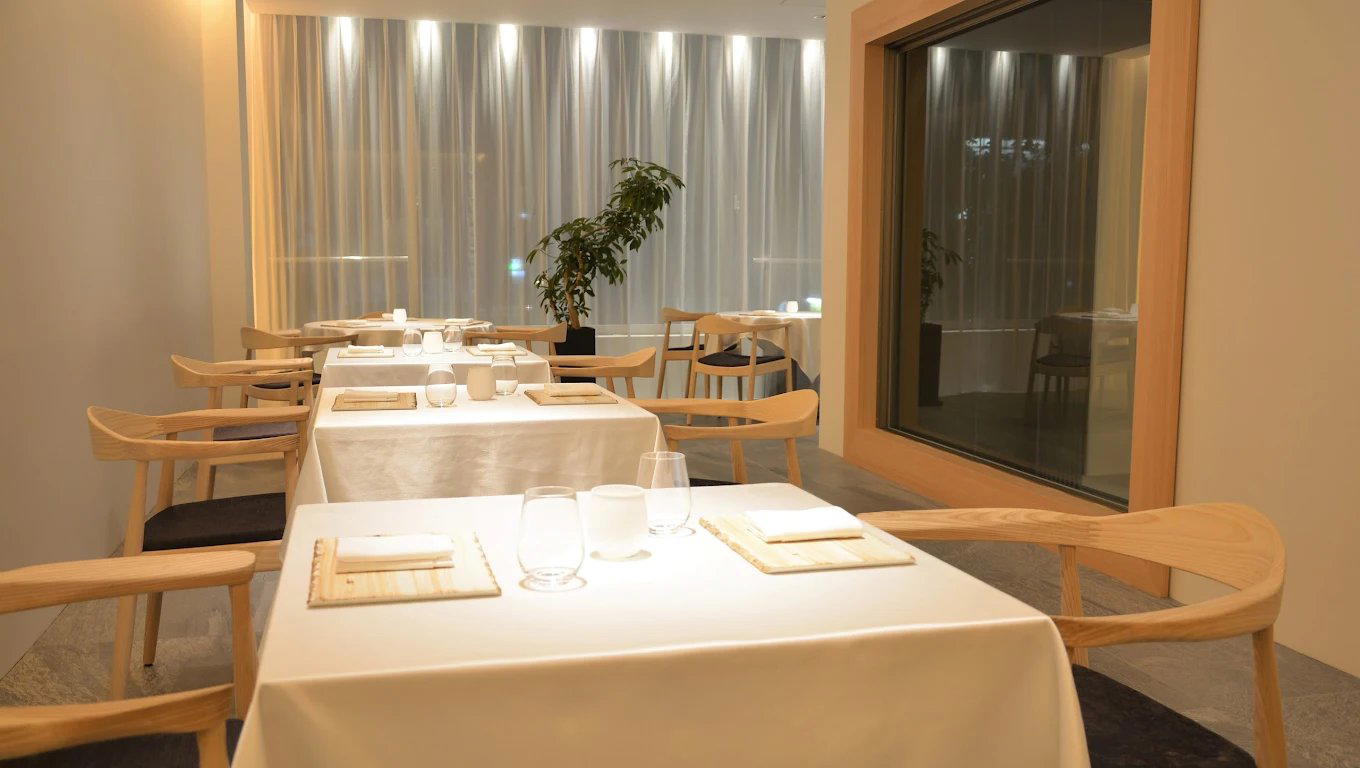
Serene, minimalist low-profile address with understated elegance; intimate counter seating creates a relaxing, refined atmosphere focused entirely on the culinary experience.