
Nagoya’s special-occasion dining often leans toward beef, eel, or formal Japanese counters; OLMO pushes the city’s celebratory register toward Italian, pasta, creative cooking, and wine. Its 2025 selection for Tabelog Italian EAST 100, compact 15-seat format, counter seating, and private-room option place it in the city’s smaller, higher-priced tier for milestone dinners rather than casual trattoria territory.
Pearl is the En Primeur Club membership app — saves, bookings, and concierge access live there. Same editors, same standards.
- Address
- 1 Chome-22-5 Nagono, Nishi Ward, Nagoya, Aichi 451-0042, Japan
- Phone
- +81 50-3138-1200
- Website
- olmo.jp
 Saves & bookings on Pearl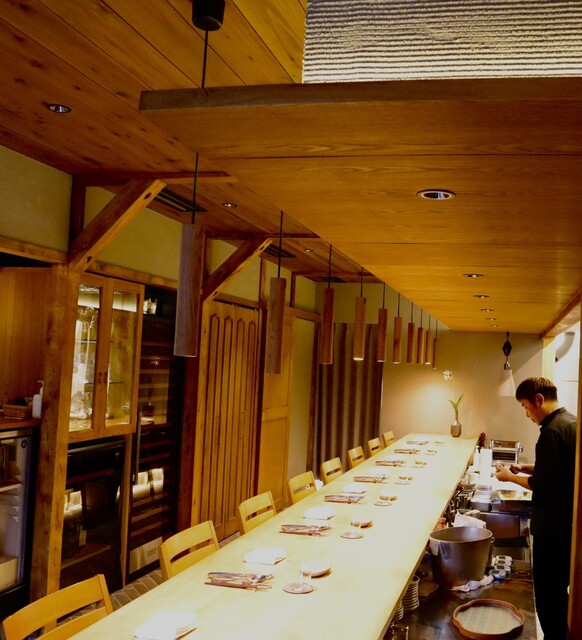
After dark in Nagono, the restaurant scene feels quieter than Nagoya Station’s commercial glare, and that shift matters. This part of Nishi Ward suits restaurants built for intention rather than foot traffic: small rooms, controlled pacing, and dinners planned around the table. In that setting, OLMO belongs to Nagoya occasion dining, where Italian technique, pasta, creative cooking, and wine frame anniversaries, client meals, and evenings with friends who care about the full arc of dinner.
Nagoya is often read through miso-katsu, hitsumabushi, kishimen, tebasaki, and a pragmatic appetite for hearty regional cooking. That misses a quieter premium tier. Away from airport-hotel dining rooms and department-store floors, compact restaurants have built menus borrowing from French, Italian, and Japanese seasonal thinking without feeling like hotel dining. OLMO sits in that tier, with a 2025 Tabelog Italian EAST 100 selection and a Tabelog score of 3.75 giving it an external marker in a category where Nagoya has less global visibility than Tokyo or Kyoto.
Italian occasion dining in a city better known for regional comfort food
Read the room not as a simple Italian restaurant, but as part of Japan’s modern Italian tradition: ingredient-led, wine-aware, and comfortable treating pasta as a serious course rather than a casual default. The listed categories, Italian, pasta, and creative, signal a format between osteria informality and special-occasion dining. That middle ground matters in Nagoya, where celebrations often default to wagyu, tempura, sushi, or unagi. For travellers building a dinner sequence, OLMO offers a different rhythm from eel specialists such as Unagiya Shibafukuya, tempura counters such as Kusunoki Nagoya and Tempura Kusunoki, and cafe-led rooms like CHANDELIER or Cafe de Lyon.
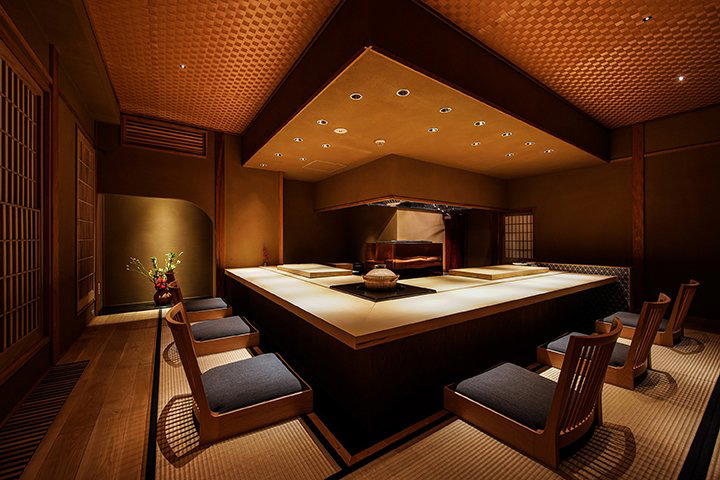
Price tells part of the story. A dinner range of JPY 20,000 to JPY 29,999 puts this in Nagoya’s serious-dinner bracket, above casual Italian and cafe dining and closer to a fixed-occasion meal. That raises expectations for pacing, wine advice, seating comfort, and consistency. Public signals point to a small-format restaurant for guests prepared to spend the evening in one room. Fifteen seats is small by any urban measure, and counter seating shifts the mood from banquet to observed craft.
The wine note is not decorative. In Japan’s premium Italian rooms, wine often separates a pleasant pasta dinner from a structured evening. A menu “particular about wine,” paired with higher dinner spend, suggests conversation carried across multiple courses rather than a quick pre-theatre plate. OLMO makes most sense for travellers who have already covered Nagoya’s regional food and want one polished, wine-led dinner in a quieter neighbourhood.
A compact room changes the stakes for celebrations
Small restaurants are not automatically intimate; the better ones use scale to sharpen the evening. With 15 seats, counter seating, and private rooms for four to eight guests, OLMO supports two occasions: a couple or pair of friends close to the cooking, and a small group in a contained second-floor room rather than a public dining room. The private-room fee is part of the calculation, but for milestones, privacy can matter as much as menu format.
That structure explains the house rules. Reservation-only dining, cancellation charges, and a request to avoid strong perfumes or fragrances follow the same logic: the meal is planned around ingredients, timing, and shared air in a small room. For groups of five or more, the course-meal requirement is normal in compact premium restaurants in Japan, protecting pacing and procurement where one large party can reshape service. Schedule this deliberately, not as a fallback after sightseeing.
Neighbourhood context helps. Kokusai Center is close enough to Nagoya Station to be convenient, while Nagono feels more residential and lower-slung than the station district. That makes the restaurant useful for travellers staying near Meieki who want dinner with less hotel-zone formality, and for locals seeking celebration without Tokyo-style spectacle. In Nagoya, where value and substance often outweigh display, a compact Italian room can feel better aligned with the city’s temperament than a louder luxury dining room.
Where OLMO fits in a Nagoya itinerary
For an eating trip, treat OLMO as the non-local-canon dinner. Build other meals around Nagoya’s regional signatures, then reserve this for wine, pasta, and creative Italian cooking. The restaurant is not competing with hitsumabushi or tebasaki; it is competing for the evening when the occasion calls for slower pacing and a smaller room. Its Tabelog Italian EAST 100 recognition matters less as trophy than confirmation that the room has traction beyond neighbourhood regulars.
It also belongs in a broader Japan dining map. Travellers comparing Nagoya with Tokyo, Osaka, Kyoto, and regional cities often underestimate the depth outside the obvious food capitals. For planning across the city, start with Our full Nagoya restaurants guide, then pair dinner planning with Our full Nagoya hotels guide, Our full Nagoya bars guide, Our full Nagoya wineries guide, and Our full Nagoya experiences guide. Nearby restaurant research can also run through 1022, 451, Aaron, Alan., and All Day Dining Montmartre.
For broader Japan and overseas dining context, contrast the Nagoya occasion-dining model with -Grilled beef Sukiyaki- KAMAKURA TANUKIAN 鎌倉 たぬき庵 in Kamakura. 鮪と炭火焼き うお炭 秋葉原店 in Tokyo.cafe in Osaka.know in Kumamoto, (Shoku) Vietnam in Kawasaki, [Curry Senmon Ten] Maruyama Kyoju. in Sapporo, Jōdo Saké Bar in Los Angeles, and Onigiri Time in Pasadena. The comparison is useful because OLMO represents a Japanese urban dining pattern easy to miss: small, wine-conscious, reservation-led, and calibrated for conversation rather than spectacle.
The editorial read is clear. Choose OLMO for a dinner where the occasion needs a serious room without ceremonial stiffness. The strengths are category position, compact scale, wine orientation, and external recognition in Tabelog’s Italian EAST 100. Travellers seeking a quick local specialty dinner should look elsewhere; guests planning a milestone evening in Nagoya have a sharper reason to keep this on the shortlist.
A Lean Comparison
Comparable venues at similar price and category levels.
| Venue | Cuisine | Price | Notes |
|---|---|---|---|
| OLMOThis venue — the venue you are viewing | Not listed | $$$$ | Not listed |
| Bottegon | Not listed | $$$$ | Higashi, Innovative Italian with a fish-focused tasting menu |
| SOLAMENT'UNO | Higashi, Modern Italian Course Dining | $$$ | Not listed |
| La Violetta | Higashi, Italian | $$$ | Not listed |
| cucina Wada | Naka, Seasonal Italian | $$$ | Not listed |
| Gastronomy Sole Yanagiya | Not listed | $$$$ | Naka, Seasonal Italian Gastronomy by Yanagiya |
Recognition history
Dated appearances from independent guides and award organizations, with the underlying list record or original source where available.
Tabelog 100 #92 · No. 92
Tabelog · Tabelog 100 - Italian - EAST - 2025
Continue exploring
More in Nagoya
Restaurants in Nagoya
Browse all →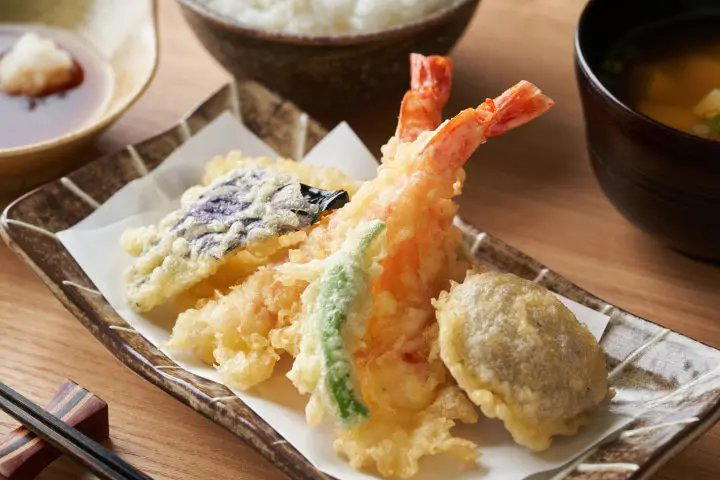
At a Glance
- Cozy
- Rustic
- Intimate
- Romantic
- Date Night
- Special Occasion
- Business Dinner
- Group Dining
- After Work
- Historic Building
- Design Destination
- Standalone
- Extensive Wine List
- Natural Wine
- Local Sourcing
- Farm To Table
- Street Scene
Current opening hours
- Monday
- Closed
- Tuesday
- 6–11 PM
- Wednesday
- 6–11 PM
- Thursday
- 6–11 PM
- Friday
- 6–11 PM
- Saturday
- 6–11 PM
- Sunday
- Closed
Hours can change for holidays and private events. Last verified .
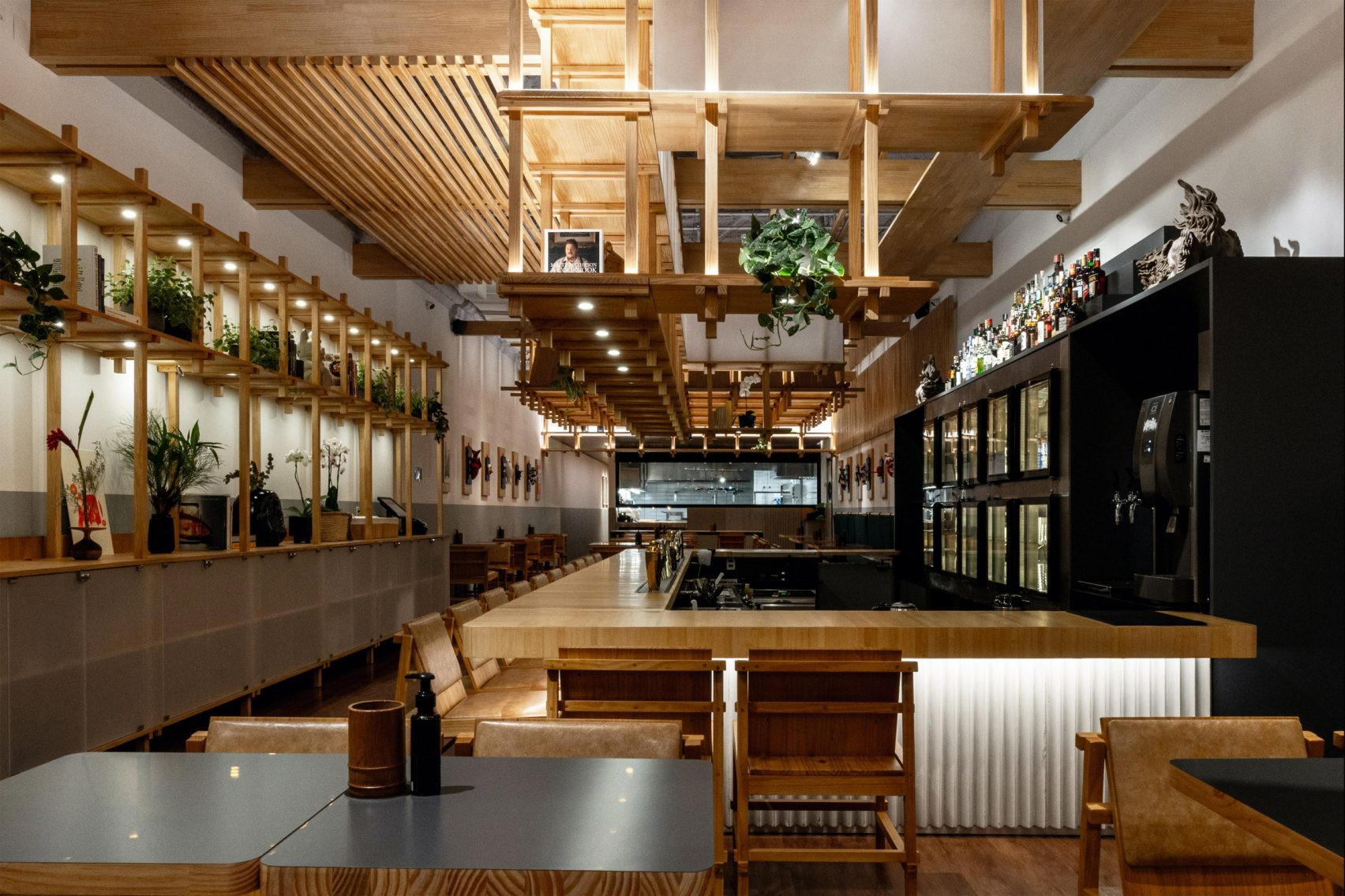
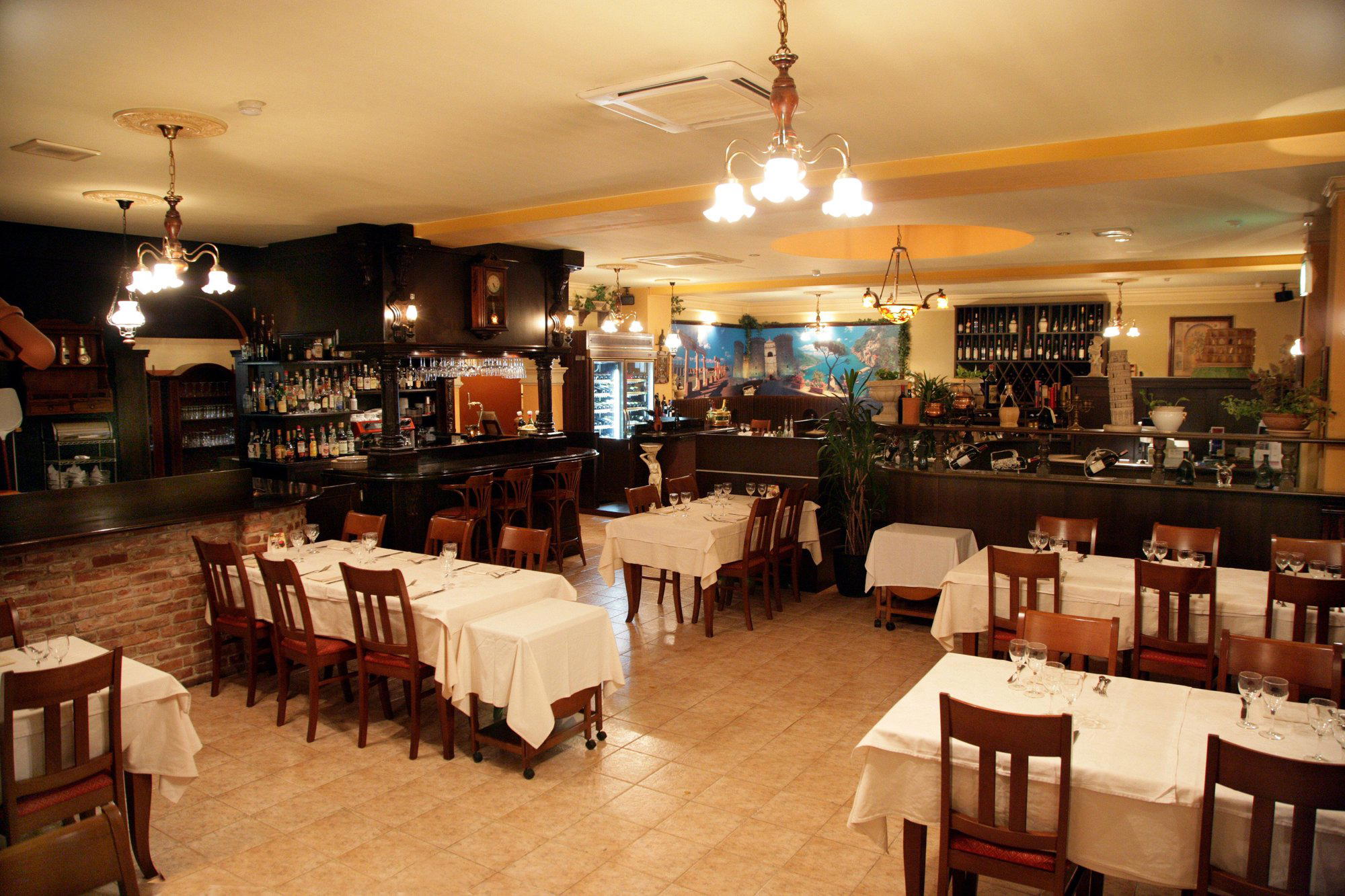
Set in a small, renovated traditional Japanese house on a narrow historic lane, the restaurant feels intimate and cozy, with warm wood furnishings made from zelkova, subdued lighting, and a relaxed but refined atmosphere suited to lingering dinners over wine.