
Itsuki places Nagoya Italian dining in a small-room, ritual-led register: counter seating, a wine-minded format, and a dinner price tier that signals a serious evening rather than a casual pasta stop. Its Tabelog Italian EAST “Tabelog 100” selections in 2023 and 2025 give it a clear marker within Japan’s competitive Italian category.
Pearl is the En Primeur Club membership app — saves, bookings, and concierge access live there. Same editors, same standards.
- Address
- 2 Chome-10-2-3 Chiyoda, Naka Ward, Nagoya, Aichi 460-0012, Japan
- Phone
- +81 52-252-0300
- Website
- instagram.com
 Saves & bookings on Pearl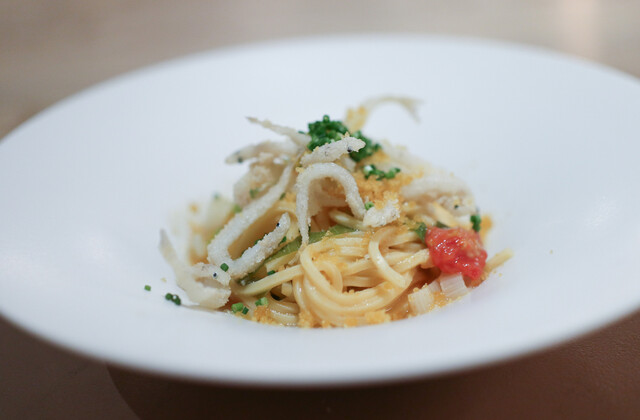
The approach to a serious Italian dinner in Nagoya is quieter than the city’s reputation for hearty local cooking suggests. In Chiyoda, near Tsurumai, the ritual is built around a compact room, counter seating, and a pace that belongs to the Japanese interpretation of Italian dining: course-led, wine-aware, and attentive to sequence rather than abundance. Itsuki sits in that register, where the meal is less about trattoria looseness and more about the discipline of a small restaurant working within a high dinner tier.
Italian dining in Nagoya has moved into a smaller, more deliberate register
Nagoya’s dining identity is often introduced through miso katsu, hitsumabushi, kishimen, and the city’s generous café culture. That shorthand misses a quieter pattern: serious European restaurants here tend to be smaller, more reservation-driven, and less theatrical than their Tokyo counterparts. Italian cooking in this setting is not competing on spectacle. It competes on pacing, product control, and how well the room supports a long dinner.
The clearest signal is recognition within Tabelog’s Italian EAST “Tabelog 100,” where Itsuki was selected in 2023 and again in 2025. In Japan, that list matters because it reflects a diner-review ecosystem with deep coverage of regional restaurants, not only metropolitan trophy rooms. A Tabelog score of 3.77 places the restaurant in a serious conversation for the category, especially outside Tokyo, where national attention is harder to concentrate.
The comparable Nagoya set is narrow. Japan no Italian Ryori Ten sai operates in a similar dinner bracket, while Masaka sits at a lower spend level and speaks to a different kind of evening. ラ・ヴァガボンド and 日本のイタリア料理店 sai belong to the same broader conversation about small-format European cooking in the city, but the useful comparison is not a ranking exercise. It is a question of intent: Is the diner looking for relaxed regional Italian, Japanese-Italian refinement, or a more formal room where the sequence of the meal carries the night?
The meal works as a ritual: counter, wine, and controlled pacing
At 20 seats, the format encourages attention. Counter seating changes the tempo of a meal because the diner is closer to the work: not necessarily in a showy open-kitchen sense, but in the way small Japanese restaurants turn service into a series of measured exchanges. That matters for Italian food in Japan, where the structure often borrows from tasting-menu culture even when the cuisine itself remains rooted in pasta, seasonal produce, and wine.
The drinks program is also part of the argument. Wine is listed as a point of emphasis, with cocktails available, which places the restaurant away from the casual pasta-and-glass category and toward the kind of dinner where pairings, pacing, and conversation around the bottle shape the evening. This is where Nagoya differs from larger international dining capitals: the audience is smaller, the rooms are tighter, and restaurants at this tier often depend on repeat local confidence rather than global traffic.
There is also a practical etiquette to this style of meal. Arrive on time, expect a dinner-length commitment, and treat the counter as part of the experience rather than as a waiting area with better sightlines. Small rooms do not absorb late arrivals or shifting party sizes gracefully. Private rooms are not part of the setup, and private use is possible, which reinforces the point: this is a restaurant built around controlled capacity rather than volume.
Itsuki’s appeal is strongest for travelers who already understand Japan’s small-restaurant rhythm and want to see how that rhythm changes Italian dining outside Tokyo and Kyoto. The reward is not novelty for its own sake. It is the chance to read Nagoya through a category the city is less famous for, and to see how Italian cooking becomes more formal, quieter, and more exacting when filtered through a Japanese room of this size.
How to place it within a Nagoya itinerary
For a dining-led trip, this is a dinner to plan around rather than a fallback between sightseeing and a late drink. Tsurumai puts the restaurant away from the hotel-heavy corridors around Nagoya Station and Sakae, which helps explain the tone: more local dining commitment, less walk-in tourism. Travelers building a broader view of the city can pair this kind of meal with the wider restaurant map in Our full Nagoya restaurants guide, then use Our full Nagoya hotels guide and Our full Nagoya bars guide to keep the night logistically coherent.
The wider EP Club Japan index shows how varied the country’s premium dining formats have become: Nagoya references such as 1022, 451, Aaron, Alan., and All Day Dining Montmartre sit alongside regional entries such as -Grilled beef Sukiyaki- KAMAKURA TANUKIAN 鎌倉 たぬき庵 in Kamakura. 鮪と炭火焼き うお炭 秋葉原店 in Tokyo.cafe in Osaka.know in Kumamoto, (Shoku) Vietnam in Kawasaki, and [Curry Senmon Ten] Maruyama Kyoju. in Sapporo. For a broader trip structure, Our full Nagoya wineries guide and Our full Nagoya experiences guide help frame the city beyond dinner, while international Japanese-format references such as Jōdo Saké Bar in Los Angeles and Onigiri Time in Pasadena show how sharply context changes once Japanese food culture travels.
The editorial read is clear: choose this restaurant for a composed Italian dinner in Nagoya’s serious small-room tier, not for looseness or last-minute convenience. The Tabelog selections give it external validation, but the more interesting point is cultural. Italian dining here is being absorbed into a Japanese grammar of timing, seating, and restraint, and that makes the meal a useful lens on the city.
Cuisine Lens
Comparable venues at similar price and category levels.
| Venue | Cuisine | Price | Notes |
|---|---|---|---|
| ItsukiThis venue — the venue you are viewing | Italian | $$$$ | Not listed |
| Wakana ~Wakana~ | Modern Italian-French Fine Dining | $$$$ | Naka |
| OLMO | Seasonal Italian in a renovated Nagoya kominka | $$$$ | Nishi |
| イル アオヤマ | Japanese-Italian Fusion Omakase | $$$$ | Higashi |
| Baci | Italian Fine Dining | $$$ | Higashi |
| ガストロノミーソール ヤナギヤ | 本格イタリアン | $$$$ | Naka |
Recognition history
Dated appearances from independent guides and award organizations, with the underlying list record or original source where available.
Tabelog 100 #83 · No. 83
Tabelog · Tabelog 100 - Italian - EAST - 2025
Continue exploring
More in Nagoya
Restaurants in Nagoya
Browse all →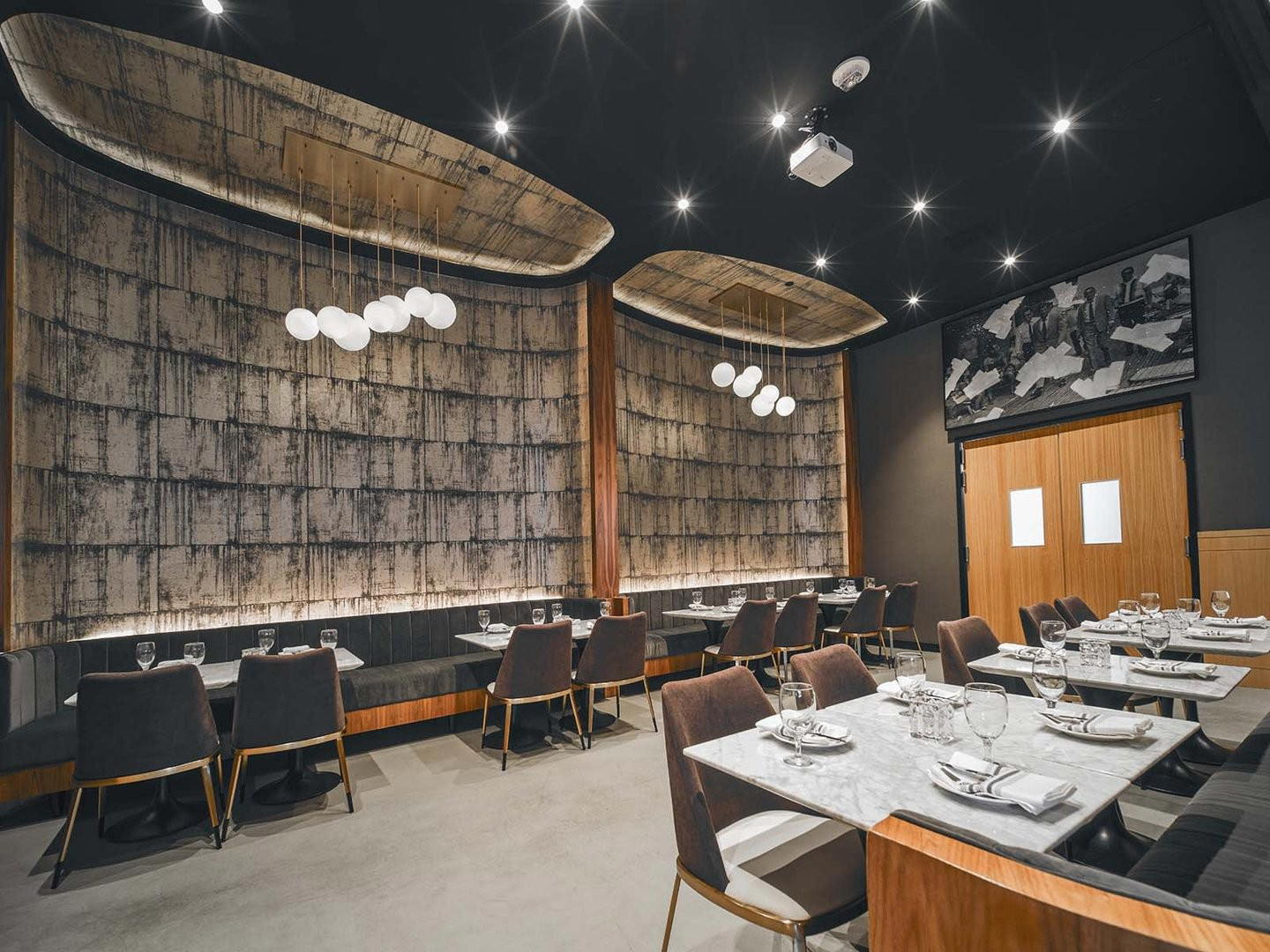
At a Glance
Current opening hours
- Monday
- 6–11 PM
- Tuesday
- 6–11 PM
- Wednesday
- Closed
- Thursday
- 6–11 PM
- Friday
- 6–11 PM
- Saturday
- 6–11 PM
- Sunday
- 6–11 PM
Hours can change for holidays and private events. Last verified .