Tabelog 100 #41
Our verdict
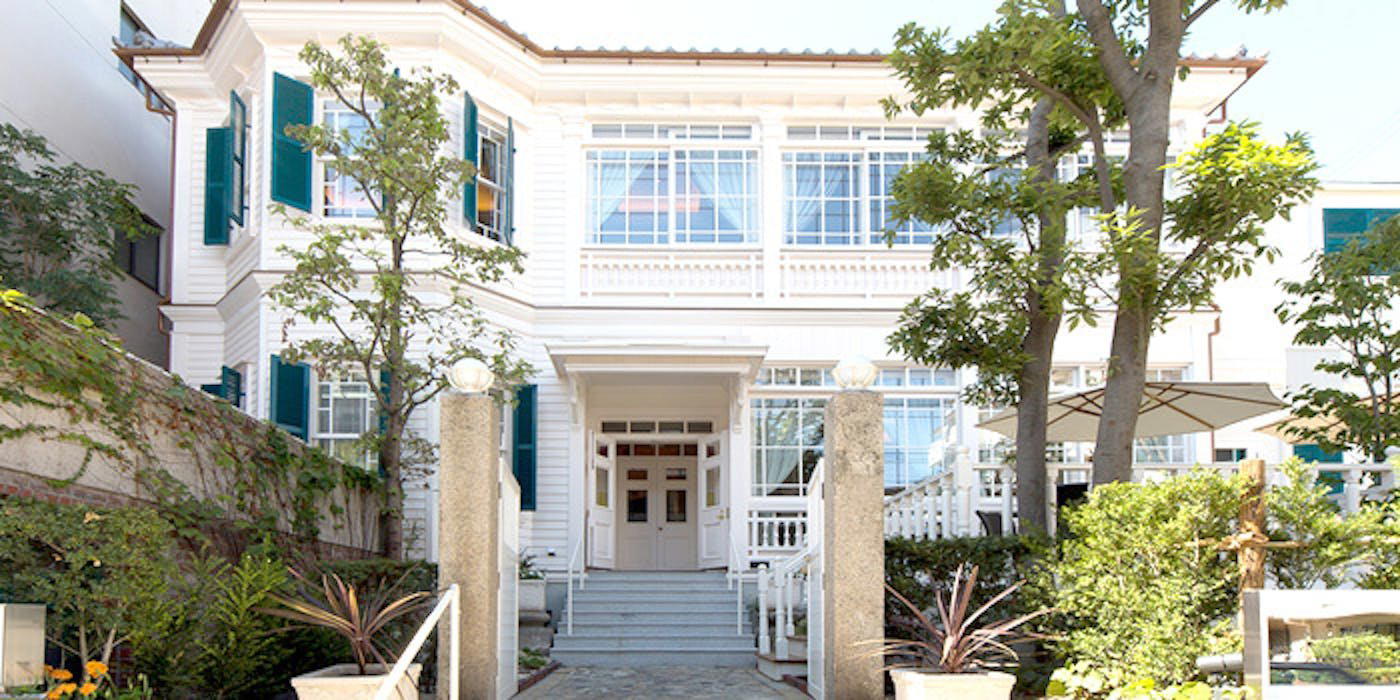
Set inside the historic Grasiani residence in Kobe's Kitano district, ラ・メゾン・ドゥ・グラシアニ occupies one of the neighbourhood's most architecturally significant Western-style buildings. The venue draws on Kitano's layered history as a foreign settlement quarter, placing dining within walls that have carried that character for over a century. For visitors to Kobe's fine dining scene, it represents a rare convergence of preserved architecture and table service.

Pearl is the En Primeur Club membership app, where members save venues, book tables and use the concierge.
A Room That Precedes the Menu
Kobe's Kitano district was shaped by the foreign settlement that took root there after the port opened in 1868. The neighbourhood's Western-style residences, known locally as ijinkan, were built by European and American merchants who required homes that matched the architectural conventions of their home countries. Most of those buildings now function as museums or heritage sites. A small number house restaurants. ラ・メゾン・ドゥ・グラシアニ occupies one of them: the Grasiani residence, a building in the 4-chome block of Kitanochō that carries the full architectural vocabulary of that era, stone exterior, period fenestration, and interior volumes that no purpose-built restaurant would commission today.
That physical container changes the nature of a meal here before anything arrives at the table. Dining inside a preserved ijinkan is not a designed atmosphere in the contemporary hospitality sense; it is an inherited one. The ceiling heights, the proportions of the rooms, the weight of the walls, these were not chosen by a restaurant designer but by whoever built the Grasiani house, and they remain. Across the Kansai region, very few dining rooms occupy spaces with this kind of unmanufactured historical depth. Gion Sasaki in Kyoto operates within a machiya that carries comparable material age, though the architectural register there is entirely different, timber and engawa rather than stone and European symmetry.
Kitano's Position Inside Kobe's Dining Geography
Kobe maintains a dining identity that sits slightly apart from Osaka and Kyoto. The city's port history introduced European food culture earlier than most Japanese cities, and that lineage has left a pattern of Western and European-inflected restaurants operating alongside serious Japanese formats. In the upper tier, Aragawa anchors the high end of Kobe beef, while Ca Sento represents the city's credentialled Spanish cooking. Ash Restaurant and Fushin cover different registers of the contemporary fine dining bracket. fuxing approaches Chinese cuisine with comparable seriousness.
Within that set, ラ・メゾン・ドゥ・グラシアニ occupies a distinct position, not primarily because of cuisine type but because of its physical address. Kitano itself is a neighbourhood that most visitors to Kobe walk through as a sightseeing destination, moving between open ijinkan and the slopes above the city. Choosing to dine there rather than in Sannomiya or along the harbour is a different kind of decision: it prioritises neighbourhood character and architectural context over convenience or density of choice. The Kansai region supports this kind of positioning across its restaurant geography, from akordu in Nara to HAJIME in Osaka, each rooted in a specific urban or historical setting that becomes part of the experience.
Architecture as Editorial Frame
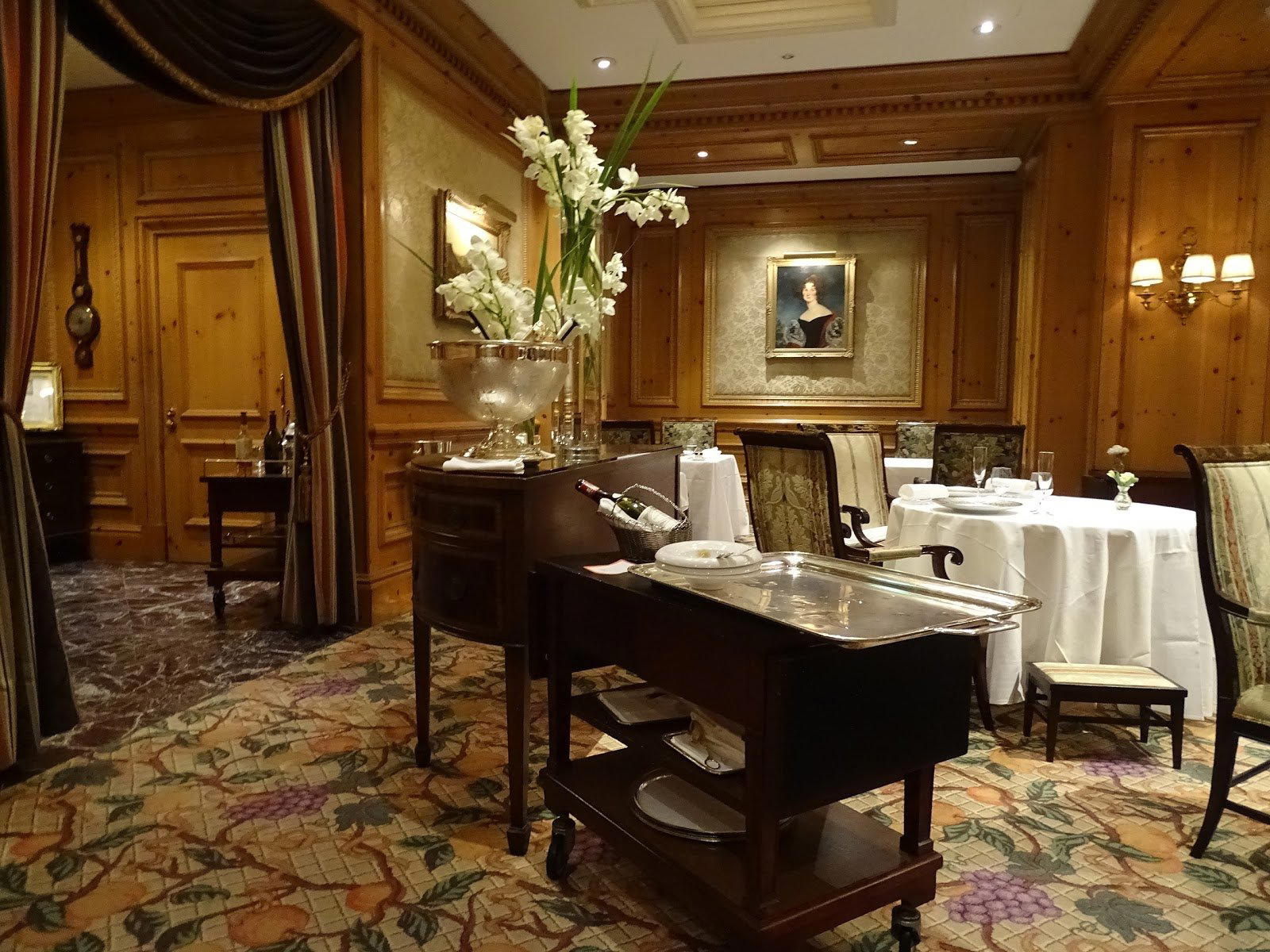
The ijinkan format presents specific spatial conditions that no modern restaurant replicates by choice. Rooms tend to be compartmentalised rather than open-plan, which affects how tables relate to each other and how sound moves through the space. Western-style residences of the Meiji and Taisho era were built around a social logic of reception rooms, dining rooms, and private areas, a hierarchy that maps imperfectly but interestingly onto contemporary restaurant service. At ラ・メゾン・ドゥ・グラシアニ, the Grasiani residence's room structure becomes the seating plan.
This contrasts with how most contemporary fine dining rooms in Japan are designed. The counter format that defines serious sushi and omakase operations, seen at venues like Harutaka in Tokyo, organises space around a single axis of chef-to-diner visibility. Multi-course kaiseki rooms, as at comparable establishments in Kyoto, use separation and garden views to shape mood. The Grasiani residence offers neither of those logics; instead, it offers a European domestic interior preserved at a scale that Western fine dining once considered standard but has largely abandoned in favour of more efficient contemporary formats.
For the broader Kansai dining circuit, heritage building settings appear in different forms. Goh in Fukuoka and venues further afield like a restaurant in Nanao or one in Takashima each negotiate the relationship between historic physical container and contemporary kitchen differently. The Grasiani residence sits within that pattern as a specific type: a fully Western-built structure, designed by and for European residents, now repurposed for dining in the city where that foreign presence was once most concentrated in Japan.
Planning a Visit
Kitanochō is a short taxi or uphill walk from Sannomiya, Kobe's central station hub, where shinkansen connections reach Shin-Kobe. The neighbourhood is walkable from central Kobe but sits on an incline, which is relevant if arriving on foot. Visitors combining ラ・メゾン・ドゥ・グラシアニ with broader Kobe dining should note that Kitano is better suited to a dedicated visit than a casual stop between other reservations, its residential character means pace changes sharply once you leave the hillside streets. For anyone building a multi-city Kansai itinerary, Kobe is straightforwardly integrated with Osaka and Kyoto via the Hanshin and Hankyu lines, and our full Kobe restaurants guide maps the broader dining options by neighbourhood and format.
This applies equally to dress code and reservation windows, both of which can shift at heritage-building restaurants in Japan depending on private event bookings. Comparable venues in this tier and setting tend to reward advance planning over walk-in visits.
For readers building a wider regional picture, the EP Club editorial network covers comparable fine dining and heritage settings across Japan, including venues in Sapporo, Nishikawa Machi, and Birdland in Sakai. International reference points for fine dining within heritage architecture include Le Bernardin in New York City and Atomix in New York City, both of which demonstrate how a room's physical grammar shapes service cadence and guest expectation well before cuisine becomes the primary variable.
Frequently asked questions
What kind of setting is ラ・メゾン・ドゥ・グラシアニ?
The venue occupies Graciani-tei, a preserved Western-style residence in Kobe's Kitano district, the neighbourhood shaped by the foreign settlement that followed the port's opening in 1868. Dining rooms are compartmentalised in the manner typical of ijinkan architecture, with proportions and period detailing that no purpose-built restaurant replicates. The address at 4 Chome-8-1 Kitanochō places it at the cultural heart of Kobe's historic foreign quarter.
Where do I go for ラ・メゾン・ドゥ・グラシアニ?
ラ・メゾン・ドゥ・グラシアニ is located at Japan, 〒650-0002 Hyogo, Kobe, Chuo Ward, Kitanocho, 4 Chome−8−1 グラシアニ邸, Kobe.
Is ラ・メゾン・ドゥ・グラシアニ inside a registered historic building in Kobe's Kitano district?
The venue occupies Graciani-tei at Kitanochō 4 Chome-8-1 in Kobe's Chuo Ward, one of the Western-style residences that survived from the foreign settlement era following the port's opening in 1868. Kitano's ijinkan buildings hold recognised cultural status within Kobe and the broader Hyogo prefecture. Visitors seeking formal heritage designation details for the specific structure should consult Kobe City's cultural assets registry.
What do regulars order at ラ・メゾン・ドゥ・グラシアニ?
Given its setting inside a Meiji-era Western residence in Kitano, Kobe, a city whose port history gave it earlier exposure to European food culture than most Japanese cities, the kitchen context suggests a European-influenced direction, but confirmed dish information should be sought directly from the restaurant before visiting.
Do I need a reservation for ラ・メゾン・ドゥ・グラシアニ?
Reservation policy is not publicly listed. Kitano's historic residences attract consistent visitor interest from both domestic and international travellers, and seating inside ijinkan properties tends to be limited by the architecture itself. Contacting the restaurant in advance is advisable, particularly for weekend or evening sittings.
What's the defining dish or idea at ラ・メゾン・ドゥ・グラシアニ?
The building is itself the primary frame. Graciani-tei is one of Kitano's surviving ijinkan, the Western-style residences built by foreign merchants in the late nineteenth century, and dining here places a meal inside that specific architectural and historical continuity. The idea the venue operates on, European food culture in a Meiji-era foreign residence in Kobe, is a format the city's port history made possible and that no other Japanese city replicates at this density.
Cuisine and Recognition
Comparable venues nearby, for context on price, style, and recognition.
| Venue | Cuisine | Price | Awards | Notes |
|---|---|---|---|---|
| ラ・メゾン・ドゥ・グラシアニThis venue (the venue you are viewing) | Classic French Fine Dining | $150–200 | Tabelog 100 #41 | Not listed |
| Ash Restaurant | Modern French with Local Japanese Ingredients | $100–150 | Not listed | Chūō |
| Kobe beef Hana-Houbi | Teppanyaki Kobe Beef Steakhouse | $100–150 | Not listed | Chūō |
| Kobe Plaisir Honten | Kobe beef teppanyaki & Hyogo vegetables | $50–100 | Tabelog 100 #66 | Chūō |
| CHEZ CHILO | Traditional French Bistro | $100–150 | Tabelog 100 #89 | Chūō |
| baron | Kobe beef charcoal-grilled steakhouse | $200–300 | Tabelog 100 #32 | Chūō |
Recognition history
Dated appearances from independent guides and award organizations, with the underlying list record or original source where available.
Tabelog 100 #41 · No. 41
Tabelog · Tabelog 100 - French - WEST - 2025