


A compact tempura-kaiseki counter in Suita, Shunsaiten Tsuchiya sits in Osaka’s serious tempura tier rather than the city’s casual frying culture. The draw is the controlled intersection of seasonal Japanese cooking, seafood-led tempura, sake and wine, with Tabelog Bronze recognition and Michelin two-star status anchoring its reputation.
Pearl is the En Primeur Club membership app — saves, bookings, and concierge access live there. Same editors, same standards.
- Address
- 41-4 Toyotsucho, Suita, Osaka 564-0051, Japan
- Phone
- +81 6-6338-2288
- Website
- shunsaiten-tsuchiya.com
- Directions
- Get directions
 Saves & bookings on Pearl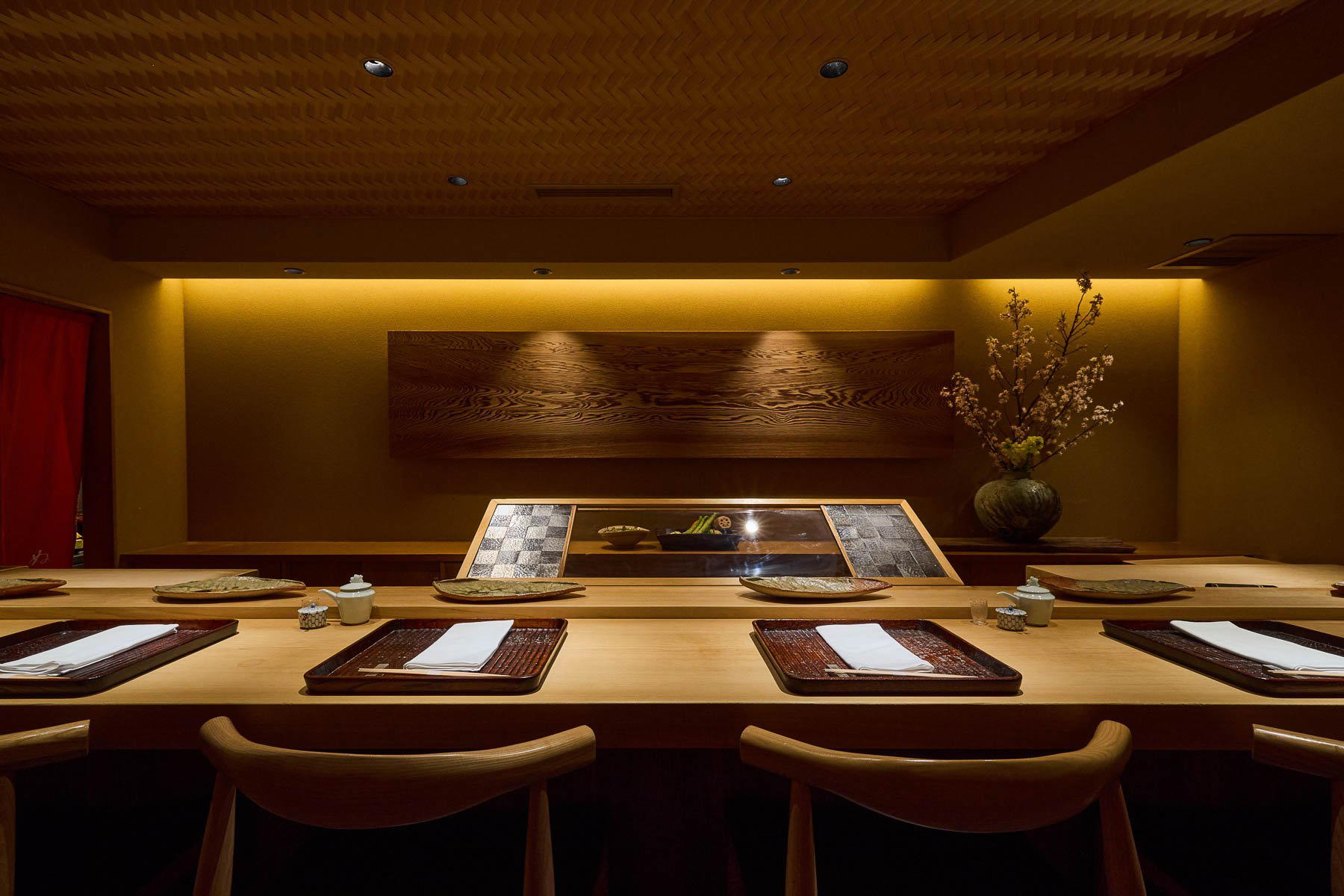
Approaching a specialist tempura room in Osaka changes dinner’s rhythm. The city is louder elsewhere: beer halls, kappo counters, izakaya tables crowded with shared plates. Here, attention narrows to oil temperature, batter, pacing and the order of seasonal ingredients. Shunsaiten Tsuchiya belongs to Osaka’s smaller category of restaurants treating tempura not as side dish or beer snack, but as the spine of a kaiseki meal.
That matters in a city often reduced to takoyaki, okonomiyaki and late-night drinking. Osaka’s deeper dining culture is built on precision as much as appetite, and tempura tests that precision because it leaves the kitchen almost nowhere to hide. Batter can be heavy, oil assertive, timing slow, seasoning blunt. Better counters work through restraint: seafood, vegetables and seasonal produce pass through frying without losing identity. The restaurant’s Tabelog Bronze recognition, Tabelog Tempura 100 selection and Michelin two-star status are therefore more than trophy notes. They place the experience in a national conversation about tempura as a high-discipline form, not merely an Osaka comfort-food branch.
Tempura-kaiseki, not izakaya frying
The useful comparison is not crisp versus less crisp. At this level, tempura is a sequence, closer to sushi or kappo in its demand for counter timing. Osaka izakaya culture prizes flow: a drink, a plate, another plate, conversation loosening as the evening moves. Tempura-kaiseki takes some of that convivial impulse and tightens it into structure. Sake and wine matter, but frame the meal rather than dominate it. Counter seating reinforces the shift from communal sprawl to shared concentration.
Shunsaiten Tsuchiya’s category listing across tempura, Japanese cuisine and seafood points to the meal’s broader grammar. This is not a parade of fried items in isolation; it sits within kaiseki habits of seasonality, progression and balance. Chef Yukihiko Tsuchisaka’s name matters because the format depends on disciplined control from the center of the room, but the stronger editorial point is the genre itself. Tempura at this tier borrows from multiple Japanese traditions: seafood selection from sushi culture, seasonal sequencing from kaiseki, and counter immediacy from kappo. Frying is the visible technique, but the meal is built from wider Japanese culinary vocabulary.
Among Osaka tempura addresses, the competitive set separates by tone as much as price. Numata operates in a more expensive bracket, while Hiraishi, Gochiso nene and OIMATSU Tempura Suzuki help define the city’s serious tempura middle-to-upper tier. Shintaro broadens the local map for diners comparing counter formats across Osaka. The point is not that one address replaces another; it is that Osaka has enough depth for tempura to be planned with the same care diners give sushi in Tokyo or kaiseki in Kyoto.
Why Suita changes the dinner equation
Suita is not the standard first stop for visitors dining through Osaka, and that changes the booking’s psychology. Central Osaka restaurants can be folded into bar-hopping, hotel lounges or a second stop after dinner. A meal here asks for a deliberate plan. Distance from the densest tourist circuits can help diners seeking the focus of a destination counter without the theatre of a nightlife district.
The house-style details point to a room built for counter dining and more private meals: a small number of seats, counter seating, private rooms, tatami and sunken seating. In Osaka terms, that combination is telling. The restaurant sits between two cultures: the counter-led craft meal and the social meal where business guests or friends want separation. That duality connects back to the izakaya angle without becoming casual. Drinking culture is present through sake and wine, but the format asks guests to attend to the sequence rather than treat food as background.
For travelers building a broader Osaka itinerary, the restaurant works as a focused dining anchor rather than a flexible drop-in. The city rewards such planning. A tempura dinner in Suita can sit beside a separate night devoted to bars, a hotel-led stay, or a cultural day that does not depend on central-Namba momentum. For wider planning, see Our full Osaka restaurants guide, Our full Osaka hotels guide, Our full Osaka bars guide, Our full Osaka wineries guide and Our full Osaka experiences guide.
A national tempura lens beyond Osaka
Japan’s high-end tempura culture is not monolithic. Tokyo often frames the genre through lineage, counter hierarchy and specialist austerity; Kansai tends to read tempura through Japanese cuisine, seasonal progression and hospitality rhythm. That makes Osaka useful for understanding tempura as part of a meal rather than a self-contained technical display. Shunsaiten Tsuchiya fits that Kansai reading: seafood-led, seasonal, and structured enough to justify serious awards attention without losing the social intelligence expected of an Osaka table.
For diners comparing tempura across Japan, Tokyo references such as Akita Tempura Mikawa, Tempura in Tokyo and Azabu Ichigo, Tempura in Tokyo show how the capital’s counters can read differently from Kansai rooms. Broader Japanese dining itineraries may also pull in unrelated but useful contrasts: -Grilled beef Sukiyaki- KAMAKURA TANUKIAN 鎌倉 たぬき庵 in Kamakura for beef sukiyaki. 鮪と炭火焼き うお炭 秋葉原店 in Tokyo for tuna and charcoal grilling.know in Kumamoto, (Shoku) Vietnam in Kawasaki, [Curry Senmon Ten] Maruyama Kyoju. in Sapporo and [ki:] in Kyoto. Those comparisons clarify the choice: choose this meal when the priority is Japanese technique under tight control, with Osaka’s conviviality reduced to a concentrated register.
The editorial case is simple. Osaka’s tempura specialists deserve judgment on their own terms, not as detours from the city’s louder food culture. The restaurant offers a polished argument for that view: a compact room, counter focus, seafood and seasonal Japanese cooking, and recognition from domestic dining culture and Michelin. It suits diners who already understand Osaka’s appetite, then want to see how quiet the city can become when frying starts.
A Pricing-First Comparison
Comparable venues by cuisine and price in the same metro.
| Venue | Cuisine | Price | Awards | Notes |
|---|---|---|---|---|
| Shunsaiten TsuchiyaThis venue — the venue you are viewing | Kaiseki | $$$ | Michelin 2 Star | Not listed |
| KAHALA | Kita, Creative Kaiseki Fusion | $$$$ | Michelin 2 Star | Not listed |
| Miyamoto | Kita, Michelin-Starred Kaiseki | $$$$ | Michelin 2 Star | Not listed |
| Tenjimbashi Aoki | Kita, Michelin-Starred Kaiseki | $$$$ | Michelin 2 Star | Not listed |
| Sushi Harasho | Tennōji, Traditional Edomae Omakase | $$$$ | Michelin 2 Star | Not listed |
| Fujiya 1935 | Not listed | $$$$ | Michelin 2 Star | Chūō, Modern Japanese with European influences |
Recognition history
Dated appearances from independent guides and award organizations, with the underlying list record or original source where available.
Michelin 2 Stars
Michelin
Opinionated About Dining Top Restaurants in Japan Recommended
Opinionated About Dining
Tabelog Bronze #482
Tabelog
Michelin 2 Stars
Michelin
Opinionated About Dining Top Restaurants in Japan Ranked #434
Opinionated About Dining
Tabelog 100 #77 · No. 77
Tabelog · Tabelog 100 - Tempura - 2025
Michelin 2 Stars
Michelin
Continue exploring
More in Osaka
Restaurants in Osaka
Browse all →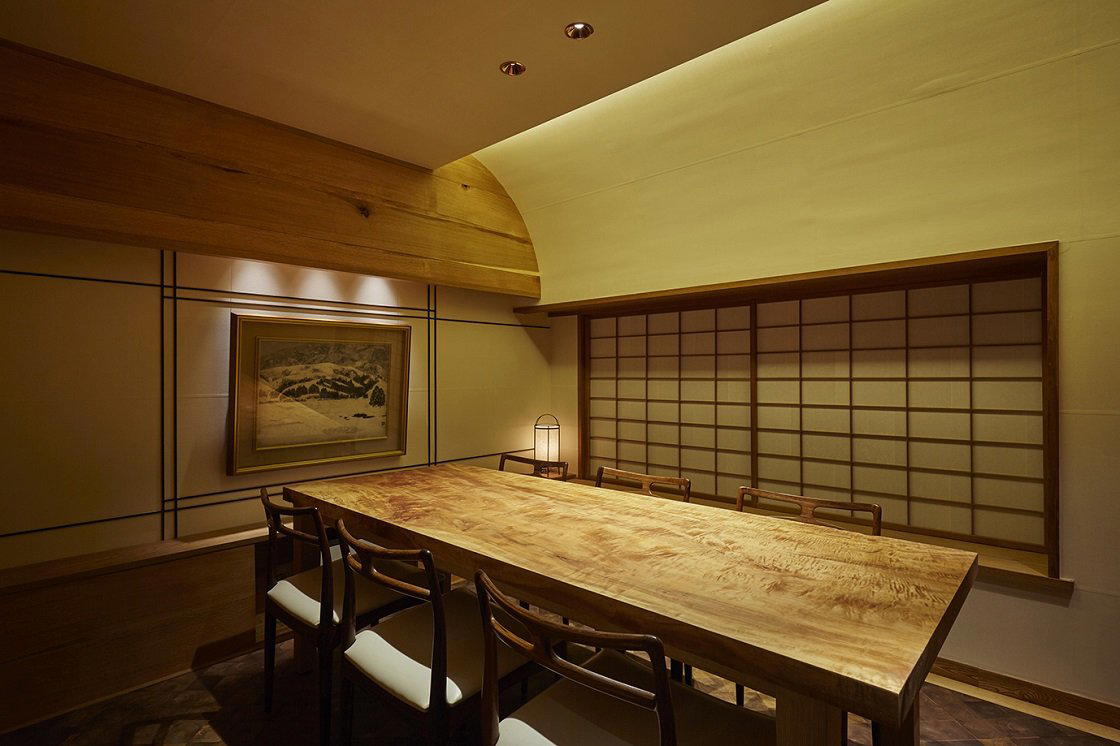




Bars in Osaka
Browse all →




Hotels in Osaka
Browse all →




Wineries in Osaka
Browse all →
At a Glance
- Quiet
- Elegant
- Sophisticated
- Classic
- Intimate
- Special Occasion
- Date Night
- Business Dinner
- Historic Building
- Standalone
- Sake Program
- Extensive Wine List
Current opening hours
- Monday
- 6–9:30 PM
- Tuesday
- 12–2:30 PM, 6–9:30 PM
- Wednesday
- 12–2:30 PM, 6–9:30 PM
- Thursday
- 12–2:30 PM, 6–9:30 PM
- Friday
- 12–2:30 PM, 6–9:30 PM
- Saturday
- 12–2:30 PM, 6–9:30 PM
- Sunday
- Closed
Hours can change for holidays and private events. Last verified .
Warm, relaxing, and zen-like, with a quiet atmosphere in a traditional house setting.