
CHEZ CHILO puts Kobe’s compact French-bistro scene into a small-room format near Sannomiya, with table seating rather than counter theatre and wine treated as part of the meal’s architecture. Its Tabelog French WEST 100 selections in 2023 and 2025 place it in a narrow regional bracket for French cooking in western Japan.
Pearl is the En Primeur Club membership app — saves, bookings, and concierge access live there. Same editors, same standards.
- Address
- Japan, 〒651-0094 Hyogo, Kobe, Chuo Ward, Kotonoocho, 5 Chome−4−19 1F
- Phone
- +81 78-252-2121
- Website
- tabelog.com
 Saves & bookings on Pearl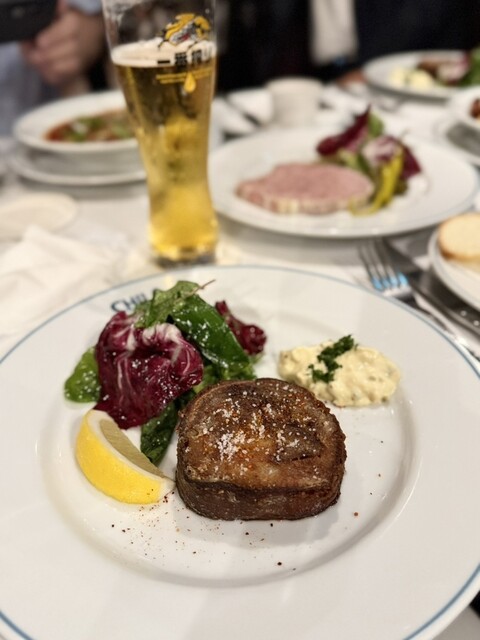
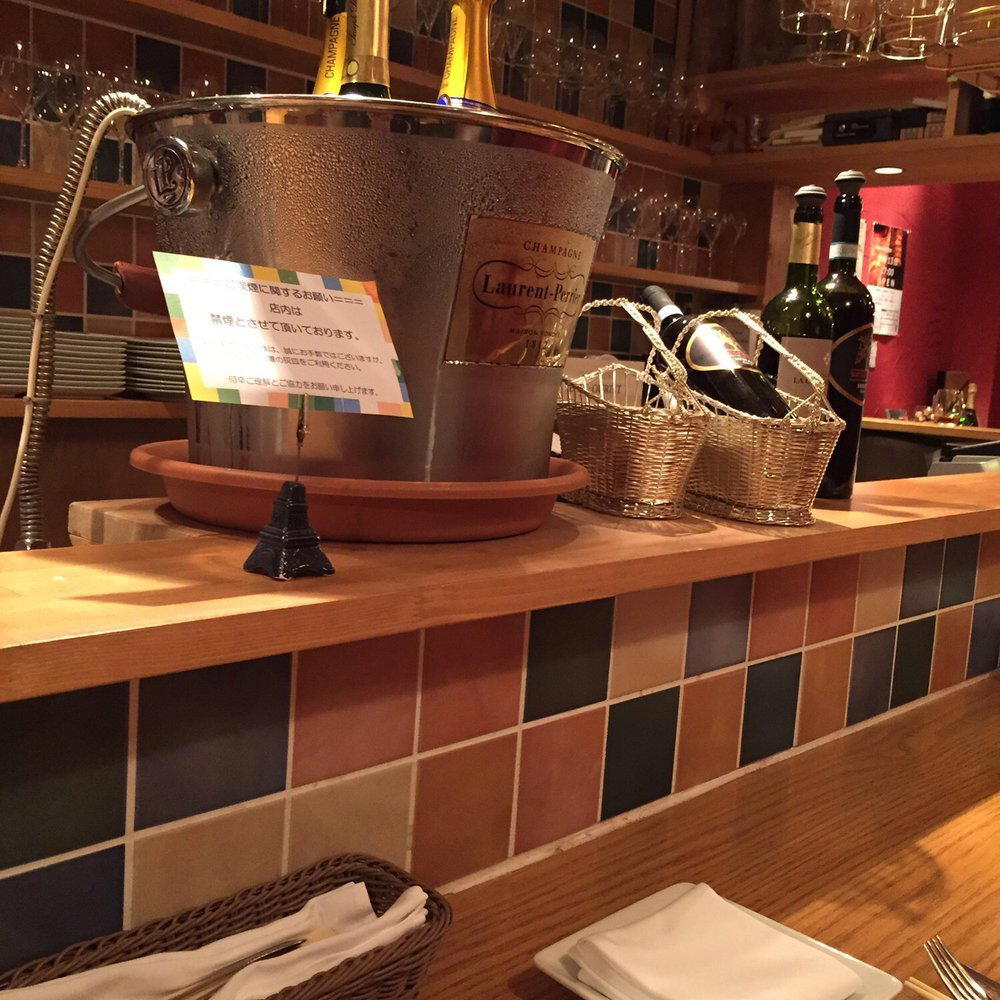
Approaching Sannomiya’s restaurant grid, the mood shifts quickly from station traffic to the smaller evening rooms that define Kobe dining: low-capacity places, compact frontage, and a preference for rooms that feel edited rather than staged. CHEZ CHILO belongs to that scale. The room is built around 12 table seats, which matters in a city where high-end dining often leans on counter intimacy. Here, the physical container suggests a bistro grammar: conversation across tables, wine within arm’s reach, and a service rhythm designed for a small dining room rather than a grand salon.
Kobe’s French cooking has a different temperature from Tokyo’s luxury hotel dining and Kyoto’s ceremony-led tasting rooms. The city has long absorbed port-city influences, Western dining habits, and beef-house formality, then compressed them into neighbourhood restaurants that reward repeat local use. That context is useful before judging CHEZ CHILO. Its category is French and bistro, and its recognition in Tabelog French WEST 100 in both 2023 and 2025 places it among western Japan’s better-documented French addresses without turning the room into a trophy case.
A 12-seat bistro format in a city built for compact dining
The small-room model is not incidental in Kobe. Around Sannomiya, premium dining often occupies modest footprints close to transport rather than destination compounds. That creates a different kind of pressure: the room has to justify itself through pace, wine, and kitchen consistency, not architectural spectacle. CHEZ CHILO’s table-only seating gives it a social register that separates it from counter-led omakase and grill formats, where the chef’s hand becomes the visual centre of the meal.
Within Kobe, this puts the restaurant in conversation with a broader Sannomiya cluster rather than with only French peers. Grill Ippei Sannomiya ten works at a lower spend and a more casual yoshoku register, while GREEN HOUSE Wald sits in a mid-priced social-dining lane. Toriryori Ranpu, Saba no Ue ni mo San Nen, and Tommy's Sannomiya higashi ten each point to the neighbourhood’s range: chicken, fish, bakery-casual, and Western-leaning dining all sit within the same urban orbit. The restaurant occupies the tighter French-bistro tier, where the bill is higher, the room is smaller, and wine becomes part of the decision.
That physical scale also changes how to read the award signal. Tabelog’s French WEST 100 is a regional selection, so inclusion says less about mass visibility than about sustained attention inside a specialist category. A 3.74 Tabelog score adds another useful marker, especially in Japan, where restaurant scoring tends to be conservative. The more interesting point is the combination: a small table-seated bistro, French-WEST recognition across two selection years, and a wine-forward listing in a city better known internationally for beef and harbour views.
French-bistro discipline without hotel-restaurant formality
French dining in Japan often splits between two poles: formal tasting-menu rooms with luxury-service codes, and bistro-derived restaurants that use French technique in a more compact, wine-led setting. The restaurant sits closer to the second pole. The available signals point to French and bistro rather than haute cuisine theatre, with wine called out explicitly. That matters for readers deciding between a celebratory French dinner and a more conversational night built around the table.
Kobe’s beef culture can dominate visitor planning, and nearby internal references make the contrast clear. Aburi Niku Kobo Wakkoku Shinkobe ten and Aburi Niku Kobo Wakkoqu Kitano Sakamoto Ten represent a different kind of Kobe luxury, one built around wagyu performance and grill focus. The restaurant offers another reading of the city: a small French room near the station, less about spectacle than controlled scale, wine, and the bistro tradition’s appetite for regularity.
The opening date, 2015, gives the restaurant more than a decade in a competitive Sannomiya market by 2026. Longevity in this category is a practical credential. Small restaurants have little room to hide weak nights, and French-bistro cooking asks for discipline across sauce work, timing, bread, wine, and table pacing. The award selections in 2023 and 2025 suggest continued relevance rather than a single early burst of attention.
How to place it in a Kobe itinerary
For travellers, the smarter use of the restaurant is not as an all-purpose Kobe dining answer, but as the French-bistro night in a city where many visitors over-index on beef. Pairing it with a different meal at a grill, a coffee stop, or a casual local room gives a clearer picture of Sannomiya’s dining spread. Akaneya Coffee Ten, Akari, and Ali's Halal Kitchen show how varied the city becomes once the lens moves beyond steakhouse shorthand.
The practical reading is simple: this is a small evening restaurant, not a sprawling dining room, and the seat count alone argues for planning with care. The Sannomiya location makes it convenient within central Kobe, but the experience is better treated as a fixed dinner plan than a spontaneous backup. The room’s scale, wine emphasis, and bistro category all point toward a meal with friends or a small party rather than a large-group occasion.
Readers building a broader Japan route can use Kobe as a counterpoint to larger city dining. For regional contrast, compare the casual precision of.cafe in Osaka, the drinks-adjacent pull of Jōdo Saké Bar in Los Angeles, or everyday Japanese formats such as Onigiri Time in Pasadena. Other city references, from. 鮪と炭火焼き うお炭 秋葉原店 in Tokyo to.know in Kumamoto, (Shoku) Vietnam in Kawasaki, [Curry Senmon Ten] Maruyama Kyoju. in Sapporo, and -Grilled beef Sukiyaki- KAMAKURA TANUKIAN 鎌倉 たぬき庵 in Kamakura, underline how specific Kobe’s compact French-bistro lane feels.
For the wider city edit, use Our full Kobe restaurants guide alongside Our full Kobe hotels guide, Our full Kobe bars guide, Our full Kobe wineries guide, and Our full Kobe experiences guide. The restaurant makes the strongest case when placed inside that city map: a small, wine-conscious French-bistro room near Sannomiya, with enough recognition to justify attention and enough restraint in format to keep the focus on the table.
City Peers
Comparable venues at a glance for context.
| Venue | Cuisine | Price | Notes |
|---|---|---|---|
| CHEZ CHILOThis venue — the venue you are viewing | Traditional French Bistro | $$$ | Not listed |
| Yakitori Bonsan | Yakitori | $$$ | Chūō |
| Ristorante Hanatani | Seasonal Italian Chef’s Counter in Kobe | $$$ | Chūō |
| アントル ヌー | Innovative French-Japanese Fusion | $$$$ | Chūō |
| セッタン | French Auberge with Local Japanese Ingredients | $$$ | Kita |
| Kanetatsu | Traditional Yakitori | $$$ | Chūō |
Recognition history
Dated appearances from independent guides and award organizations, with the underlying list record or original source where available.
Tabelog 100 #89 · No. 89
Tabelog · Tabelog 100 - French - WEST - 2025
Continue exploring
More in Kobe
Restaurants in Kobe
Browse all →
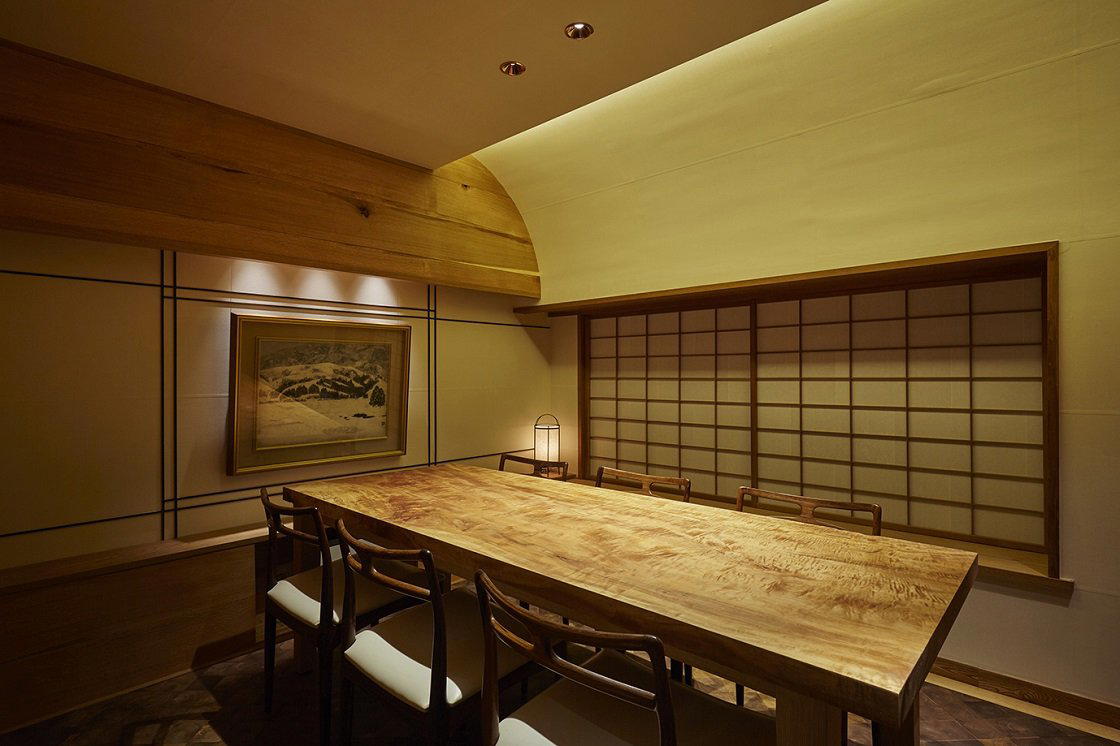
Bars in Kobe
Browse all →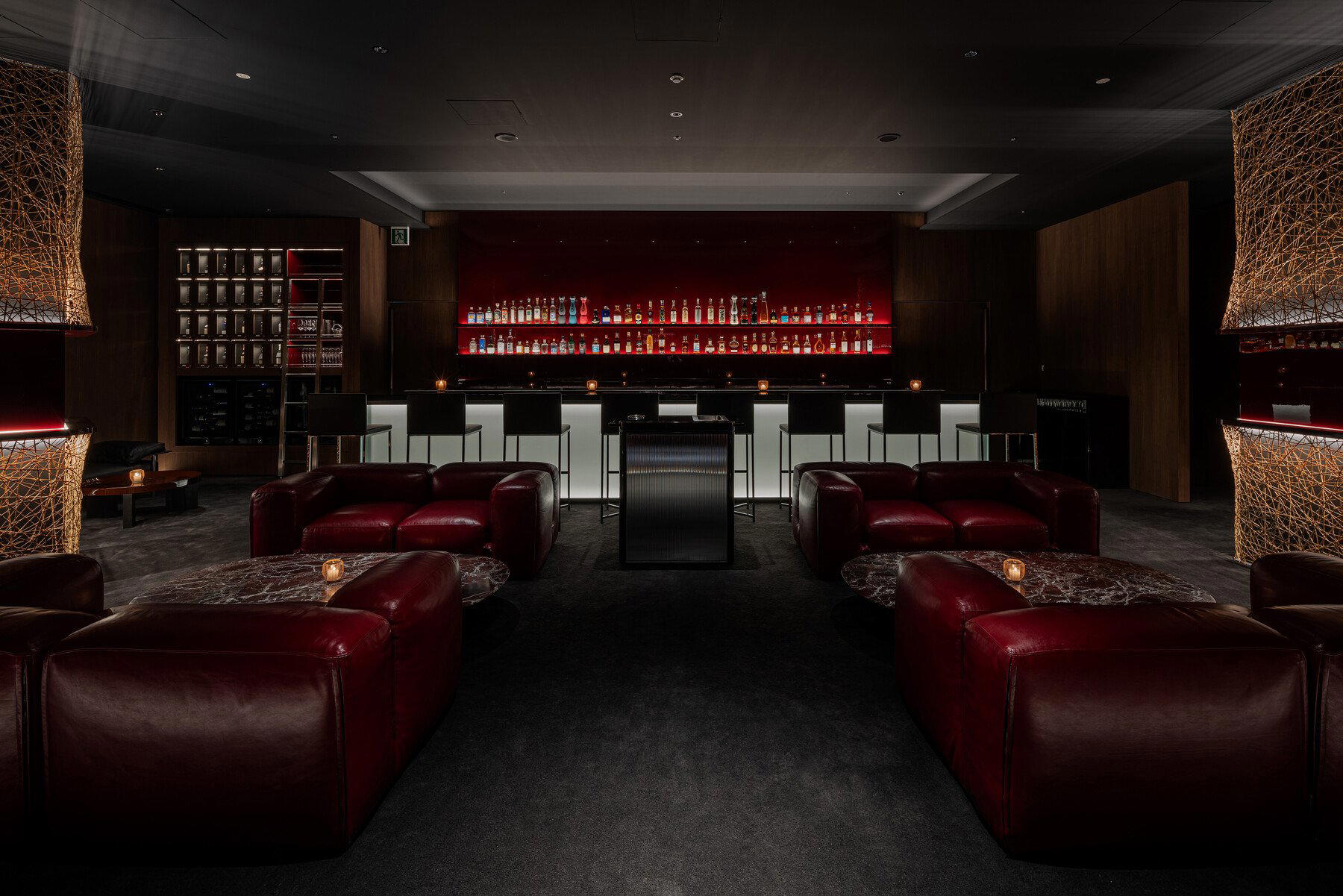
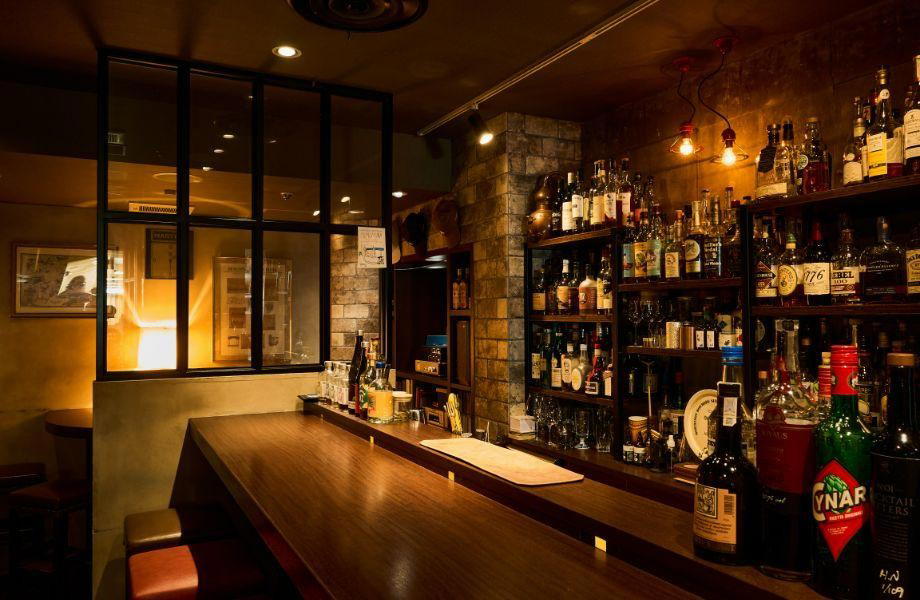
Hotels in Kobe
Browse all →


At a Glance
- Cozy
- Lively
- Intimate
- Classic
- Casual Hangout
- After Work
- Date Night
- Celebration
- Standalone
- Wine Cellar
- Extensive Wine List
Current opening hours
- Monday
- 6–11 PM
- Tuesday
- 6–11 PM
- Wednesday
- 6–11 PM
- Thursday
- 6–11 PM
- Friday
- 6–11 PM
- Saturday
- 6–11 PM
- Sunday
- Closed
Hours can change for holidays and private events. Last verified .
Small, 12-seat non‑smoking bistro with a casual, comfortable atmosphere; guests describe it as a cozy neighborhood spot where you linger over substantial French country dishes and wine rather than a formal fine‑dining room.