たんたん亭 本店 occupies a quiet residential address in Hamadayama, Suginami, well outside the restaurant districts that dominate Tokyo dining coverage. With virtually no digital footprint and no listed contact details, it operates on the kind of local familiarity that characterises neighbourhood institutions in Tokyo's western wards. Visitors prepared to seek it out will find a dining room shaped by decades of practice rather than promotional positioning.
Pearl is the En Primeur Club membership app — saves, bookings, and concierge access live there. Same editors, same standards.
- Address
- 浜田山3-31-4, 杉並区, 東京都, 168-0065
 Saves & bookings on Pearl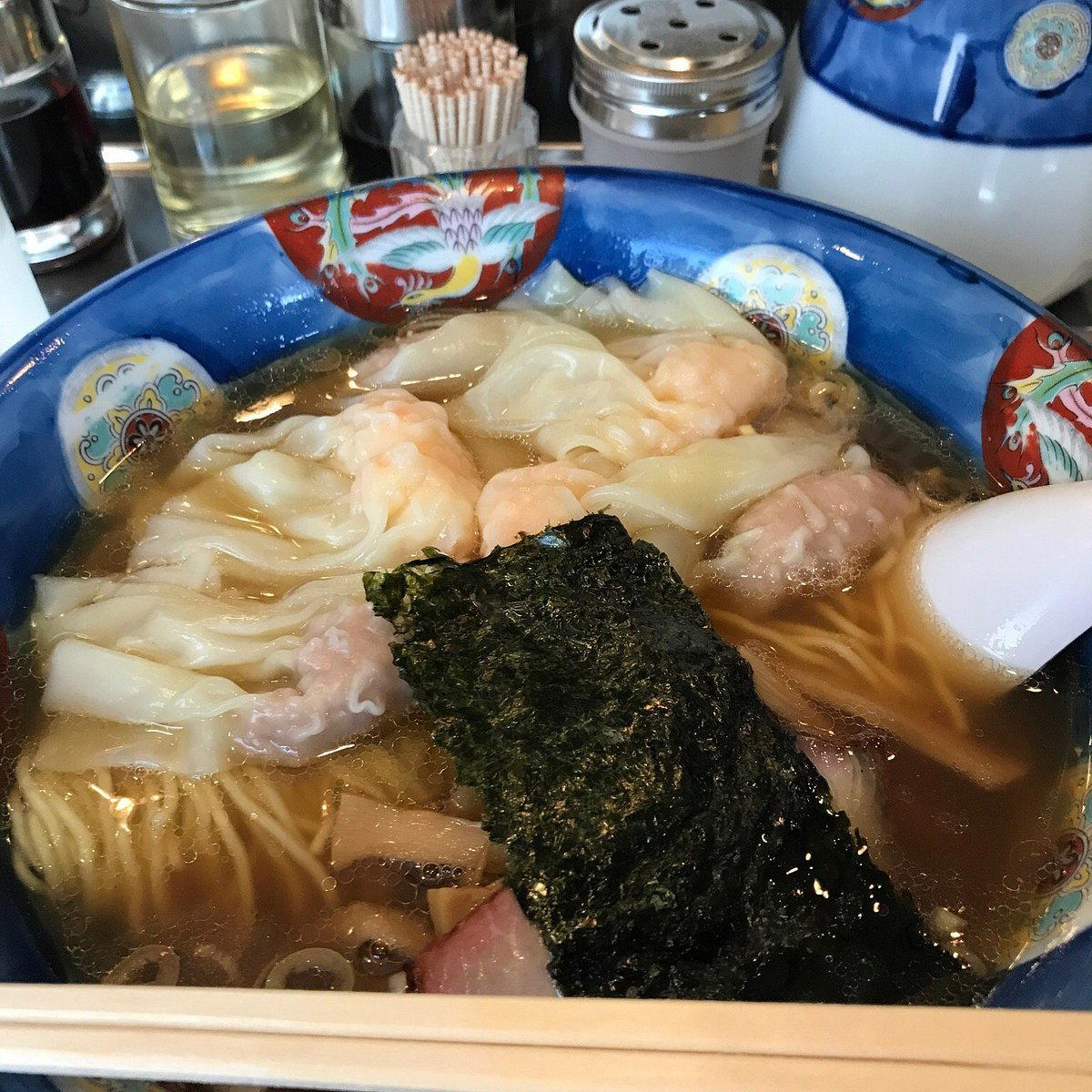
A Residential Address in Suginami, and What That Signals
Tokyo's most-discussed restaurants concentrate along a narrow corridor running from Ginza through Minami-Aoyama to Nishi-Azabu, where Michelin inspectors, international press, and reservation platforms all tend to circle. The western wards, by contrast, operate on different logic. Suginami-ku, and Hamadayama within it, is a low-rise residential district where restaurants exist primarily to serve people who live within walking distance. The venues that survive there for decades do so not on tourist traffic or accolade cycles, but on the kind of loyalty that is earned meal by meal. Harutaka (Sushi) in Ginza and L'Effervescence (French) in Nishi-Azabu represent one end of the Tokyo spectrum: internationally tracked, decorated, and priced accordingly. たんたん亭 本店, at 浜田山3-31-4, represents a different current entirely.
In Tokyo's restaurant culture, venues with no digital presence are typically operating for a known clientele that requires no advertising. That pattern recurs across the city's older neighbourhood dining rooms, from standing soba counters in Koenji to family-run izakaya in Ogikubo, and it usually indicates a kitchen with a fixed audience and little appetite for managing inbound inquiry from outside the immediate neighbourhood.
The Arc of a Meal: Reading the Progression at a Neighbourhood Institution
What can be said, with confidence drawn from the broader pattern of Tokyo's longer-running neighbourhood restaurants, is that the structure of a meal at this type of venue tends to reflect accumulated habit rather than curated theatre. Where kaiseki counters like RyuGin (Kaiseki, Japanese) in Roppongi build a meal as a deliberate seasonal narrative, and French-influenced tasting menus at places such as Sézanne (French) in the Four Seasons impose a formal progression from amuse to mignardise, the neighbourhood dining room operates on a different sequencing logic entirely.
At venues of this type, the meal's arc emerges from conversation rather than choreography. A regular might arrive and order in a particular sequence because they know which dish holds leading, or because the kitchen sends things in a preferred order born of years of mutual understanding. That kind of informal progression is, in its own way, as considered as any tasting menu at a decorated counter, but it is invisible to the first-time visitor who does not yet know how to read the room. The information asymmetry between regulars and newcomers is characteristic of Tokyo's most enduring small restaurants, and it is part of what makes them worth understanding.
Situating たんたん亭 本店 in Its Competitive Context
Suginami's dining scene does not produce the press volumes that Shinjuku or Shibuya do, and that gap in coverage is informative in itself. Across Japan's secondary dining geographies, from Goh in Fukuoka to HAJIME in Osaka to Gion Sasaki in Kyoto, there is a pattern of serious cooking operating at a remove from particularly visited districts. Hamadayama fits that logic at a hyper-local scale: it is not a second-tier city, but it is emphatically a non-central address within a city where centrality usually determines coverage. Venues choosing residential locations in Tokyo are making a statement about audience, even if that statement is never explicitly articulated.
Innovative formats elsewhere in the country, such as akordu in Nara, have demonstrated that serious cooking does not require a metropolitan postcode. The same argument applies within Tokyo itself. Some of the city's most consistent neighbourhood counters draw no significant press attention precisely because they have no interest in it. たんたん亭 本店's address, on a residential block in western Suginami, is consistent with that orientation.
Practical Planning
Venue Comparison: Context and Logistics
| Venue | District | Price Tier | Booking Access |
|---|---|---|---|
| The restaurant | Hamadayama, Suginami | Not listed | No online presence |
| Harutaka | Ginza | ¥¥¥¥ | Phone / referral |
| RyuGin | Roppongi | ¥¥¥¥ | Online reservation |
| Crony | Minami-Aoyama | ¥¥¥¥ | Online reservation |
| Sézanne | Marunouchi | ¥¥¥¥ | Online / hotel concierge |
Hamadayama Station on the Keio Inokashira Line provides direct rail access. The address at 浜田山3-31-4 is a short walk from the station on a residential street. Dress code is casual. Hours are not listed.
For comparable neighbourhood-rooted dining across Japan, the editorial coverage includes 三本木 布川製 in Nanao, 古代山乃 in Sapporo, 湖辺倶楽 in Takashima, 鹿羽屋 in Nishikawa Machi, Birdland in Sakai, and Bistro Ange in Toyohashi. For international reference points in comparable price-tier discussions, Le Bernardin in New York City and Atomix in New York City anchor the conversation from the American side.
Cost Snapshot
Comparable venues nearby, for context on price, style, and recognition.
| Venue | Cuisine | Price | Notes |
|---|---|---|---|
| たんたん亭 本店This venue — the venue you are viewing | Hamadayama, Traditional Japanese Ramen | $$ | Not listed |
| Kyu Yamu Tei Shimokita sou | Setagaya, Japanese Curry | $$ | Not listed |
| DAIJU | Toshima, Yakiniku & Morioka cold noodles | $$ | Not listed |
| B | Meguro, Japanese Comfort Food | $$ | Not listed |
| Tsutsui | Not listed | $$ | Chūō, Traditional Yoshoku (Japanese Western cuisine) |
| Restaurant Kamiya | Taitō, Japanese-Western Yoshoku | $$ | Not listed |








At a Glance
- Classic
- Cozy
- Well Known
- Casual Hangout
- Solo
- Open Kitchen
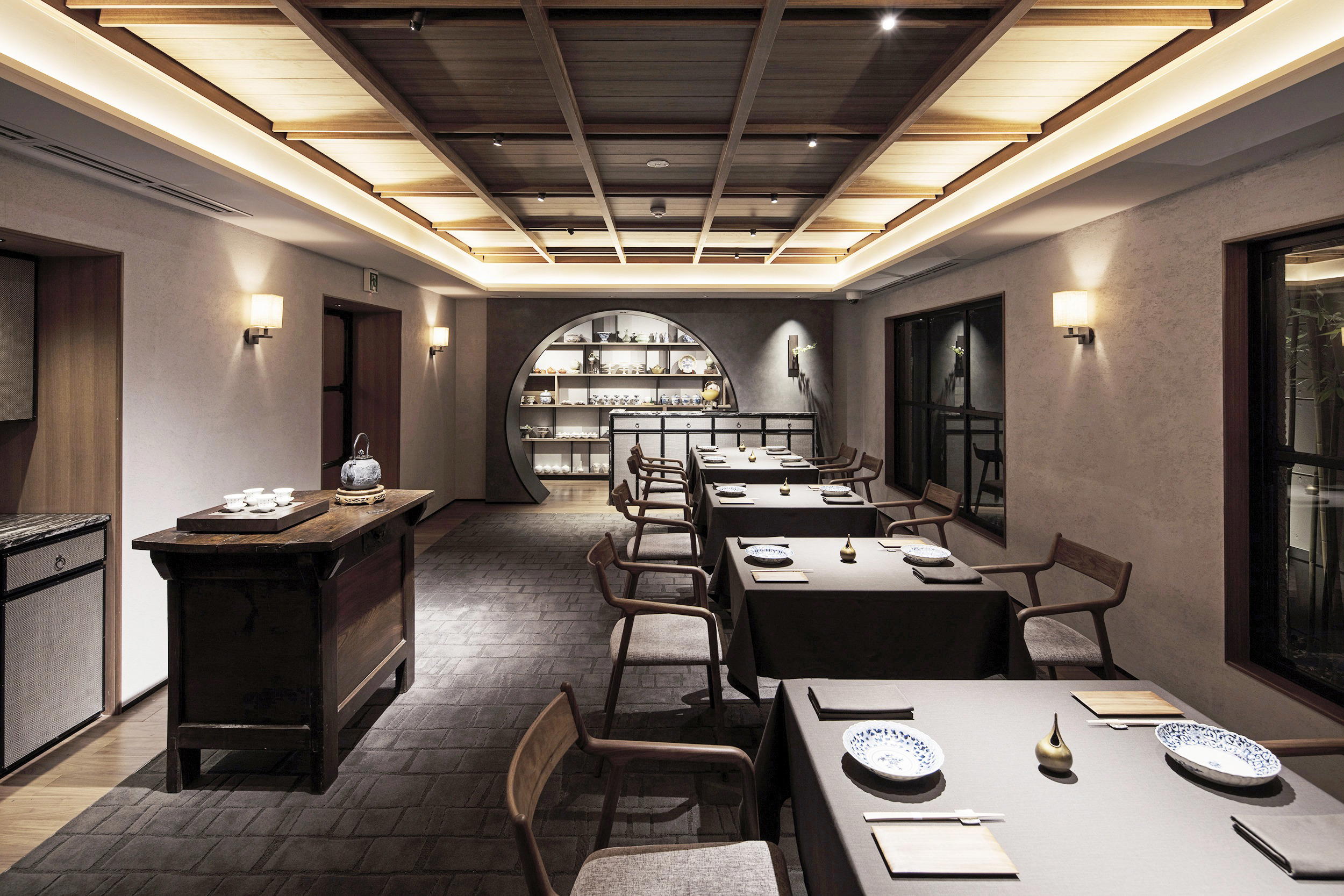
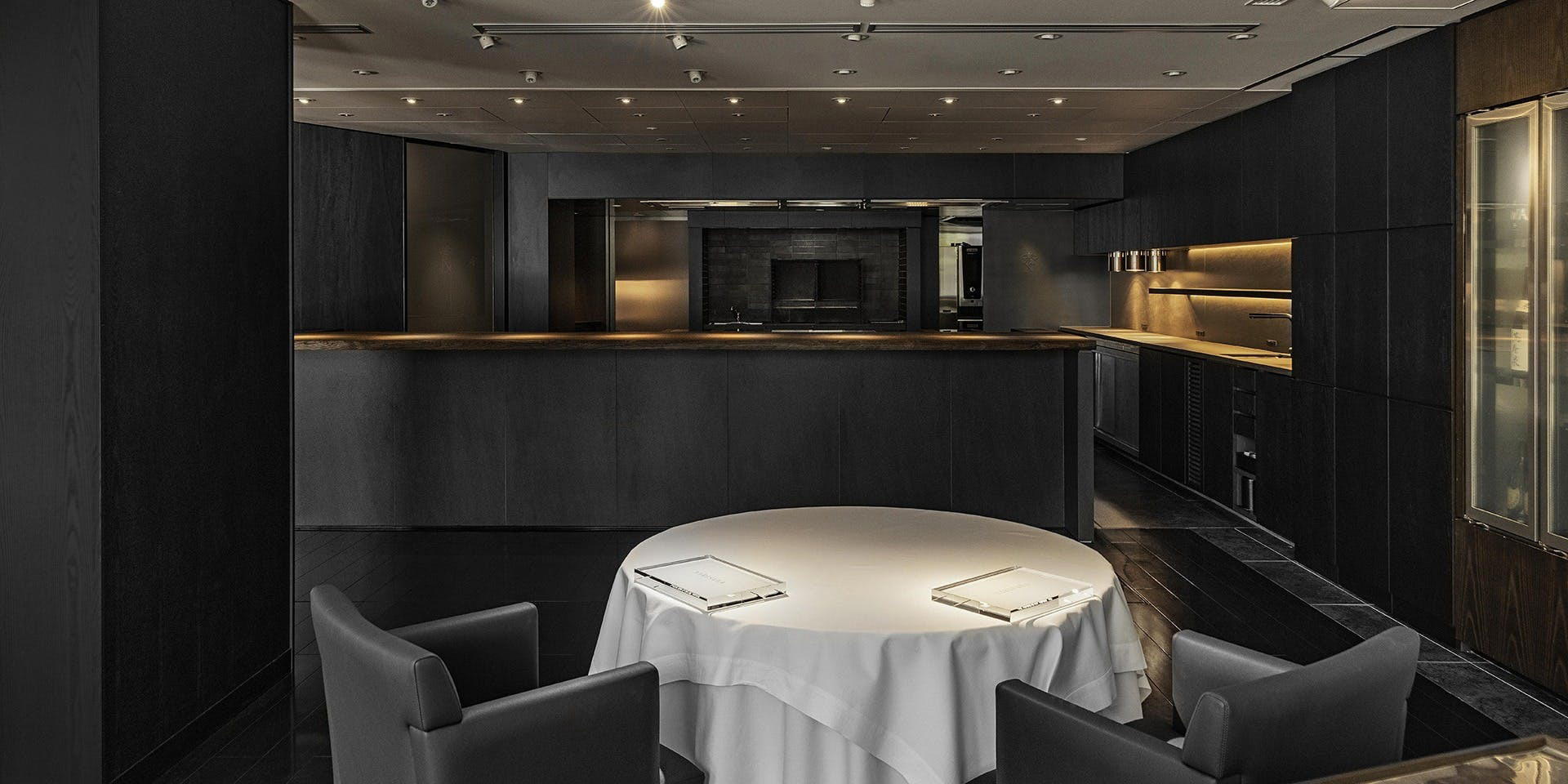
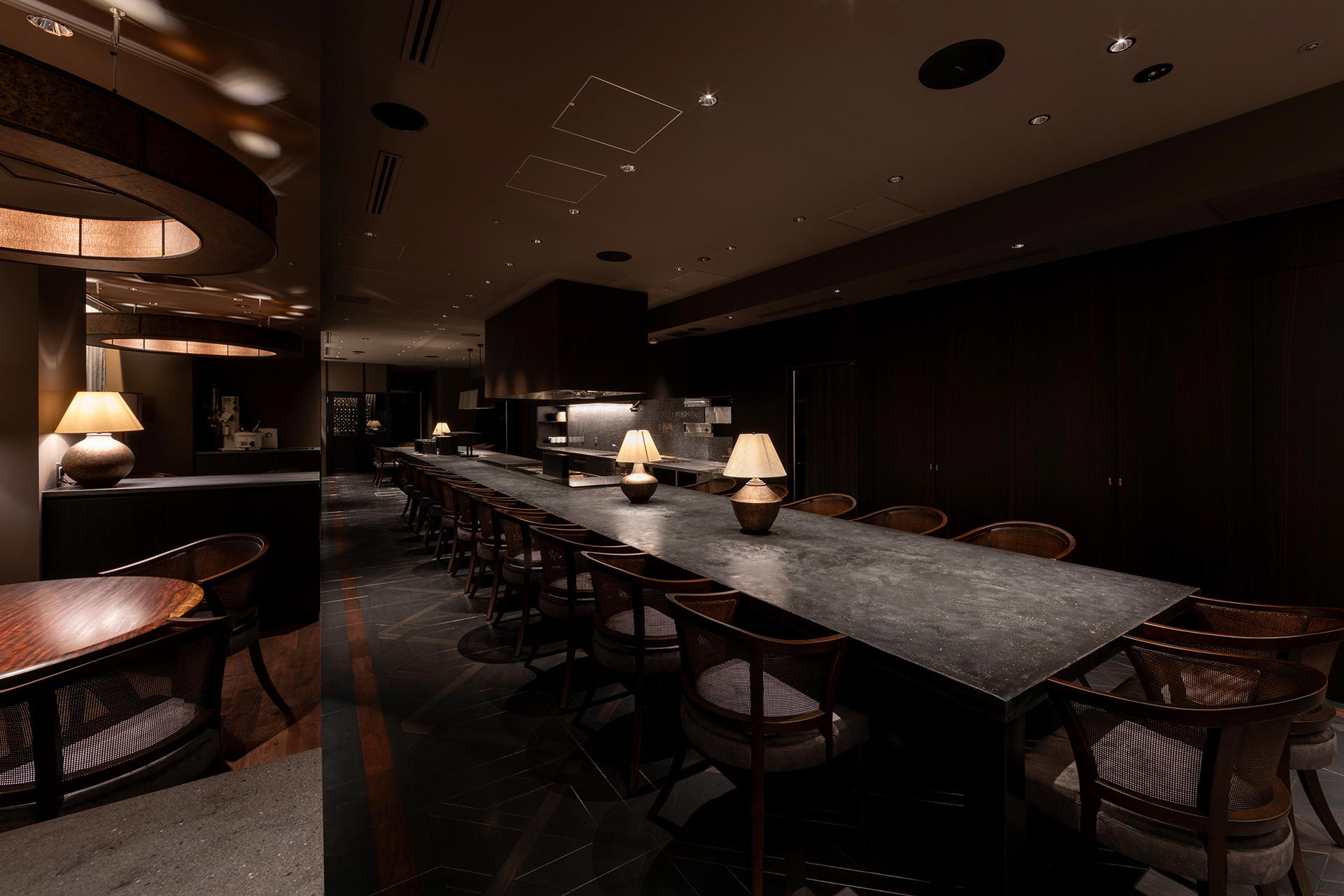
Intimate counter-style setting with warm, nostalgic atmosphere; customers can observe the meticulous preparation of hand-cut noodles and carefully crafted broths.