
DAIJU brings Otsuka’s yakiniku culture into a sharper critical frame: a 38-seat restaurant recognized in Tabelog 100 Yakiniku Tokyo 2025, with tripe, Korean cold noodles, sake, shochu, and wine in the mix. The appeal is not grand theatre but a Tokyo genre at neighborhood scale, priced below the city’s luxury beef counters while carrying serious local recognition.
Pearl is the En Primeur Club membership app — saves, bookings, and concierge access live there. Same editors, same standards.
- Address
- Japan, 〒170-0004 Tokyo, Toshima City, Kitaotsuka, 2 Chome−6−3 メゾン大塚 101
- Phone
- +81 3-5980-9429
- Website
- yonson.jp
 Saves & bookings on Pearl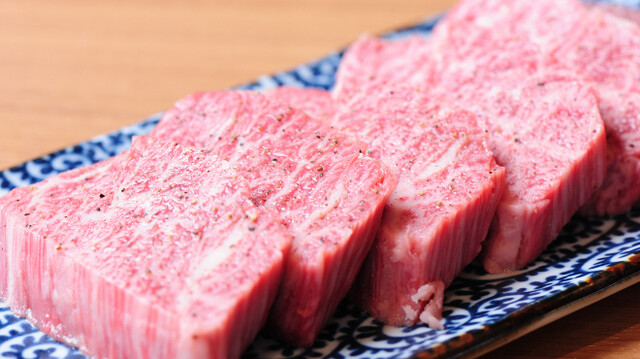
Otsuka does not announce dinner with Ginza polish or Roppongi spectacle. Around the station, the rhythm is tighter: train noise, compact storefronts, late commuters, and small restaurants where specialization matters more than ceremony. In that setting, yakiniku makes particular sense. The format is social, direct, and technically exposed; every table becomes part dining room, part grill station, and the margin for weak sourcing or poor cutting narrows fast.
DAIJU belongs to that Tokyo category where reputation is built less through imported luxury codes than through repeat local scrutiny. Its recognition in Tabelog 100 Yakiniku Tokyo 2025 places it inside a demanding urban field, not a general dining popularity contest. Tokyo’s yakiniku culture is crowded, price-sensitive, and unusually alert to detail, from offal handling to cold-noodle finish. A 3.64 Tabelog score in this category, combined with selection for the 2025 list and earlier recognition in the 2024 Grill Tokyo selection, gives the room a clearer signal than décor language ever could.
Otsuka yakiniku, judged by repeat diners rather than spectacle
Tokyo’s high-end beef conversation often tilts toward branded wagyu, private rooms, and tasting-menu pacing. Yakiniku at neighborhood scale plays by different rules. It asks whether a restaurant can deliver enough precision, variety, and value to bring diners back without the insulation of a luxury format. That is where DAIJU’s positioning becomes interesting: the restaurant sits in the JPY 5,000 to JPY 5,999 band, a bracket that demands confidence but stops short of the city’s ceremonial beef counters.
The listed categories are instructive: yakiniku, tripe, and Korean cold noodles. That combination matters. Tokyo yakiniku has long absorbed Korean influence while turning the grill into a Japanese urban ritual, and cold noodles are not an afterthought in serious rooms. Tripe signals a kitchen prepared to work beyond the easy premium cuts, while the drink listing, sake, shochu, and wine, suggests a wider pairing culture than beer-only grilling. None of this needs embellishment; the appeal sits in the format itself.
Within Otsuka, the contrast is useful. Yoshoku GOTOO occupies a lower-priced Western-Japanese comfort lane, Otsuka Miyaho sits higher for Japanese dining, Yappari India works a casual curry register, while Sichuan Ryori Kae moves into a more expensive Chinese bracket. Against those neighborhood references, DAIJU is neither a cheap stop nor a formal splurge. It is the mid-priced specialist with award recognition, which is a narrower and more useful identity than calling it a destination restaurant.
What the Tabelog 100 signal actually tells diners
Tabelog’s Hyakumeiten lists are especially meaningful in Japan because they reward category depth. For yakiniku, that means the room is being measured against other grill specialists, not against sushi counters, kaiseki rooms, or French dining rooms with different expectations. Selection for Tabelog 100 Yakiniku Tokyo 2025 gives DAIJU a category-specific credential, and that is the trust signal that matters here.
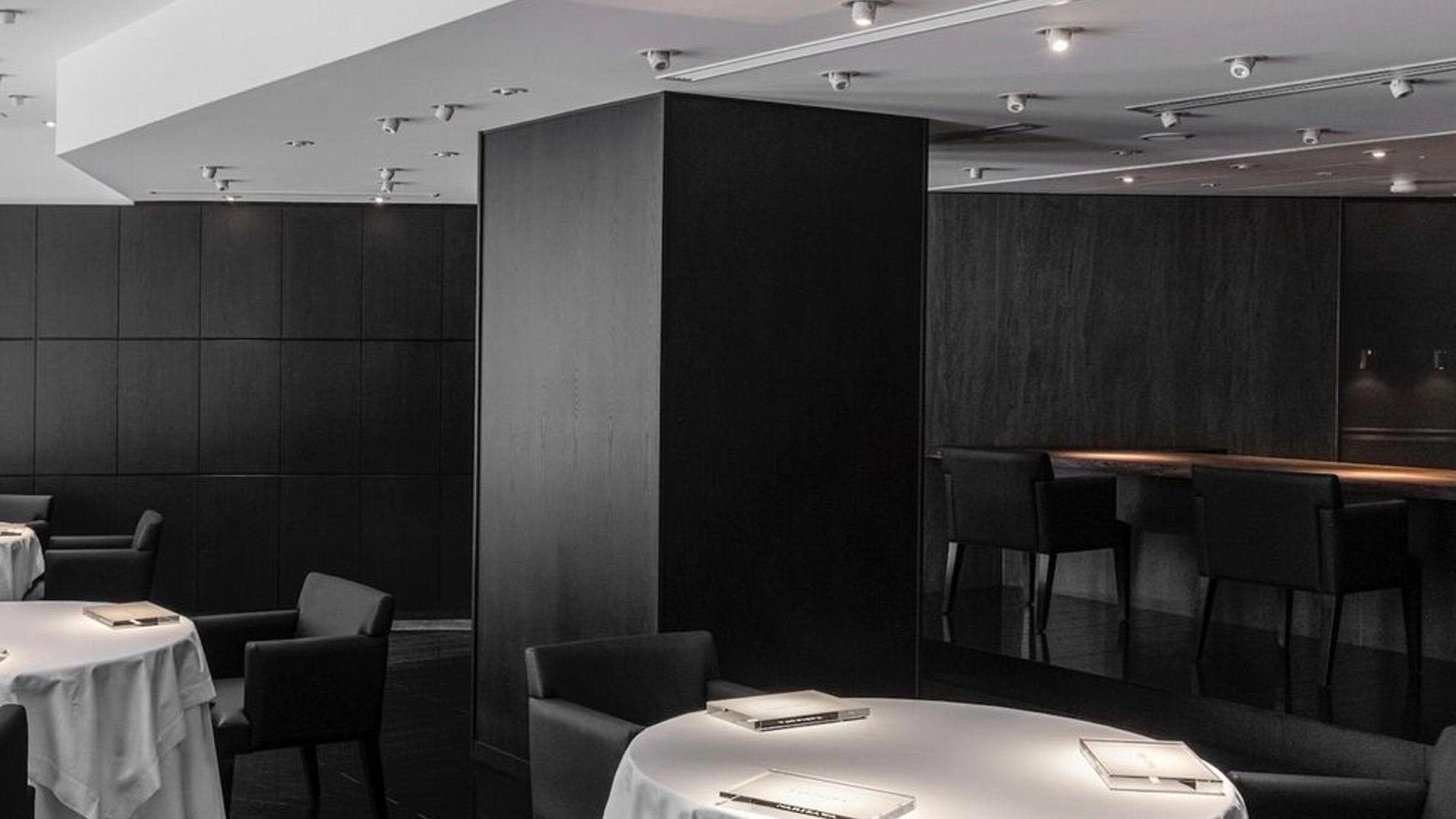
The restaurant’s scale also shapes expectations. With 38 seats and no private rooms listed, this is not a hushed beef salon built for corporate enclosure. It sits closer to the shared urban yakiniku model, where tables turn, grills do real work, and the dining room’s energy is part of the value proposition. Private use is listed as available, but the regular appeal is better understood through the compact-room logic of Tokyo: limited space, quick judgment, and a clientele that can compare dozens of alternatives without leaving the rail network.
For visitors, that distinction is useful. Tokyo dining research often overweights Michelin-style formality, yet many of the city’s strongest meals happen in categories where awards, scoring, and local repetition tell a different story. Yakiniku is one of those categories. The restaurant’s selection alongside its price band makes it a practical candidate for travelers who want a recognized Tokyo grill experience without committing to the financial and ritual expectations of a luxury beef tasting.
How to read this meal against the wider Tokyo table
The smarter comparison is not with the city’s grand sushi or kaiseki addresses, but with other focused everyday-specialist formats. Yakitori, curry, izakaya seafood, yoshoku, and yakiniku all occupy that middle ground where Tokyo’s dining strength is dense rather than theatrical. Readers mapping that terrain can cross-reference 124. KAGURAZAKA (Yakitori) for skewered chicken discipline, 3 Chome no Curry Ya San for curry specialization, and . 鮪と炭火焼き うお炭 秋葉原店 for a different expression of charcoal and seafood-driven casual dining.
Shinjuku and café culture widen the frame further. 12/10 Shinjuku ten shows how central Tokyo dining leans into compact urban formats, while 2D Cafe sits at the opposite end of the experience spectrum, where visual concept leads the meal. DAIJU is more grounded: a grill restaurant whose reputation depends on category credibility rather than novelty.
For broader planning, use Our full Tokyo restaurants guide to place Otsuka within the city’s dining map, then pair it with Our full Tokyo hotels guide, Our full Tokyo bars guide, Our full Tokyo wineries guide, and Our full Tokyo experiences guide for the rest of the itinerary. Travelers comparing Japanese beef formats beyond Tokyo can also look at -Grilled beef Sukiyaki- KAMAKURA TANUKIAN 鎌倉 たぬき庵 in Kamakura, where sukiyaki frames beef through a different cooking tradition.
That broader set also clarifies what this restaurant is not. It is not a café-format detour like.cafe in Osaka, a regional contemporary address like.know in Kumamoto, a Vietnamese specialist such as (Shoku) Vietnam in Kawasaki, a curry room like [Curry Senmon Ten] Maruyama Kyoju. in Sapporo, or a Kyoto address such as [ki:] in Kyoto. Nor does it operate in the Japanese-food export register represented by Jōdo Saké Bar in Los Angeles or Onigiri Time in Pasadena. Its strength is more specific: a recognized Otsuka yakiniku room in a city where grill culture rewards repeat precision over grand claims.
Accolades, Compared
Comparable venues for context, by category and price tier.
| Venue | Cuisine | Price | Notes |
|---|---|---|---|
| DAIJUThis venue — the venue you are viewing | Yakiniku & Morioka cold noodles | $$ | Not listed |
| Shio Ramen Shinka | Traditional Shio Ramen | $$ | Machida |
| Kagurazaka Okawaya | Traditional Soba & Tempura | $$ | Shinjuku |
| Gandhi | Japanese-style European curry house | $$ | Shinjuku |
| En Dashi Ochazuke Lumine Shinjuku | Dashi Ochazuke | $$ | Shinjuku |
| Yashima | Traditional Unagi (eel) restaurant | $$ | Taitō |
Recognition history
Dated appearances from independent guides and award organizations, with the underlying list record or original source where available.
Tabelog 100 #22 · No. 22
Tabelog · Tabelog 100 - Yakiniku - TOKYO - 2025









At a Glance
- Cozy
- Lively
- Casual
- Casual Hangout
- Family
- Group Dining
- Celebration
- After Work
- Late Night
- Standalone
- Beer Program
- Local Sourcing
Current opening hours
- Monday
- 11:30 AM–2 PM, 5–10 PM
- Tuesday
- 11:30 AM–2 PM, 5–10 PM
- Wednesday
- 11:30 AM–2 PM, 5–10 PM
- Thursday
- 11:30 AM–2 PM, 5–10 PM
- Friday
- 11:30 AM–2 PM, 5–10 PM
- Saturday
- 11:30 AM–2 PM, 5–10 PM
- Sunday
- 11:30 AM–2 PM, 5–10 PM
Hours can change for holidays and private events. Last verified .
Casual neighborhood yakiniku with a warm, unfussy atmosphere focused on hearty portions and friendly hospitality rather than stylish design, suited to families, friends, and everyday celebrations.