Our verdict
Located in Jiyugaoka, one of Tokyo's quieter residential neighbourhoods, B sits at a remove from the city's central dining corridor. The area has developed a reputation for understated, chef-driven venues that attract regulars rather than tourists, and B fits that profile.

Pearl is the En Primeur Club membership app — saves, bookings, and concierge access live there. Same editors, same standards.
- Address
- 2 Chome-11-1 Jiyugaoka, Meguro City, Tokyo 152-0035, Japan
- Phone
- +81364212632
- Hours
- Mon–Tue ClosedWed–Thu 6–10 PMFri–Sun 12–2:30 PM, 6–10 PM
- Website
- tabelog.com
- Directions
- Get directions
- Booking
- Book on the venue's website
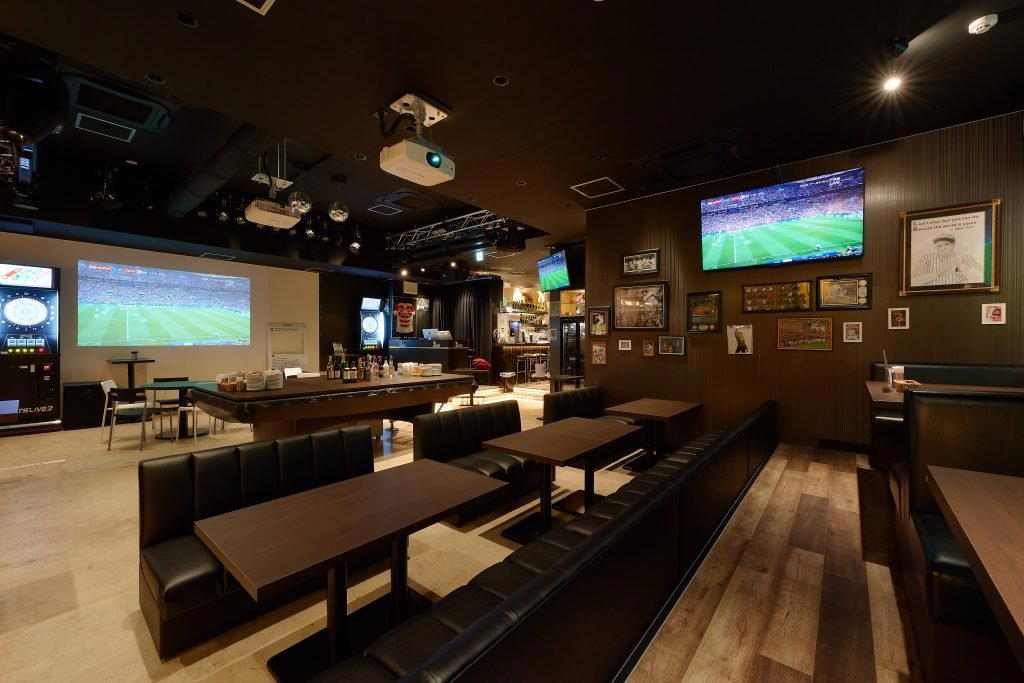
Jiyugaoka and the Case for Dining Away from the Centre
Tokyo's most-discussed restaurants cluster around Ginza, Shinjuku, and Minami-Aoyama, where Michelin density and international footfall reinforce each other. Jiyugaoka, in Meguro City, operates on a different logic. The neighbourhood — known for its European-inflected streetscape, independent patisseries, and residential calm — has cultivated a dining culture built around discretion rather than visibility. Restaurants here rarely appear in the first tier of international press coverage, not because they lack quality, but because their audience tends to be local and returning rather than itinerant.
B occupies an address in this part of the city, at 2 Chome-11-1 Jiyugaoka. That placement alone tells you something about its intended relationship with its guests. Venues that open in Jiyugaoka are not optimising for walk-in traffic or proximity to hotel clusters. They are building for the kind of regulars who make a deliberate trip and book accordingly. It is a structural choice, and it shapes the atmosphere before you even arrive.
What Jiyugaoka Sounds and Feels Like
Approaching Jiyugaoka station on the Tokyu Toyoko or Ōimachi lines, the shift in register from central Tokyo is immediate. The streets are narrower and quieter. There are fewer chains. The retail leans toward specialty food shops, small bakeries, and the kind of wine importers that serve trade buyers as much as individual customers. In the evening, foot traffic thins early compared with Shibuya or Ebisu, which means arriving at a restaurant in this neighbourhood carries a different quality of attention. You are not pressing through a crowd. The journey itself is part of the transition into the meal.
This atmospheric context matters when assessing a venue like B. In Tokyo's competitive dining market, location is editorial: it tells the reader what kind of experience the operator is trying to construct. The neighbourhood around Jiyugaoka station supports a format that prizes quiet and concentration over spectacle.
Where B Sits in the Tokyo Dining Conversation
Tokyo's premium dining tier spreads across a wide spectrum of formats and price points. At the leading end, counters like Harutaka operate in the ¥¥¥¥ bracket with Michelin recognition and highly controlled booking windows. French-influenced rooms such as L'Effervescence and Sézanne bring European technique into a Tokyo context at comparable price levels. Kaiseki tradition is represented by venues like RyuGin, while more hybrid creative formats occupy a growing middle ground, including Crony, which applies French-influenced innovation to its format.
B's current public profile does not yet position it clearly within this field. That is not an unusual approach for venues that prioritise a certain kind of guest relationship over media attention, particularly in a residential neighbourhood like Jiyugaoka.
For readers looking to map Tokyo's broader restaurant geography, our full Tokyo restaurants guide covers the range of formats and neighbourhoods in more detail, including venues that sit in confirmed competitive tiers with verifiable data.
Japan Beyond Tokyo: The Regional Context
Tokyo dominates Japan's international dining coverage, but the country's restaurant culture extends well beyond the capital. HAJIME in Osaka represents the kind of precision-led progressive cuisine that earns Osaka a serious place in the national conversation. Gion Sasaki in Kyoto anchors the case for kaiseki in its traditional home city. Further afield, akordu in Nara and Goh in Fukuoka demonstrate how chef-driven restaurants have dispersed into mid-size Japanese cities with their own ingredient cultures and dining cadences.
The broader regional picture also includes venues operating in less-covered markets. Abon in Ashiya, affetto akita in Akita, Aji Arai in Oita, Ajidocoro in Yubari District, Akakichi in Imabari, and aki nagao in Sapporo each represent the local ingredient-driven model that characterises much of Japan's most interesting dining outside the urban centres. The pattern matters: Japan has developed a decentralised serious dining culture in a way that few other countries have managed, and understanding Tokyo venues like B benefits from that wider frame.
For international comparison, the low-profile, neighbourhood-rooted format that Jiyugaoka represents has parallels elsewhere. Lazy Bear in San Francisco built its reputation through a communal, insider-first format that predated its broader recognition. Le Bernardin in New York City operates at the other end of the visibility spectrum, long-established, heavily documented, firmly positioned, which illustrates how differently a restaurant can manage its relationship with public profile across its lifecycle.
Approaching a Reservation
Without confirmed booking method, hours, or online presence in the available record, the practical approach to B requires some groundwork. In Tokyo, venues that maintain low digital visibility, no listed website, no published phone number, typically accept reservations through one of three channels: direct contact via a Japanese-language reservation platform such as Tabelog or Omakase, introduction through a hotel concierge at a property with strong local relationships, or word-of-mouth referral from a regular guest. For international visitors, the concierge route tends to be the most reliable, particularly at hotels in Meguro or the surrounding wards.
Jiyugaoka is accessible from central Tokyo in under 30 minutes on the Tokyu Toyoko Line from Shibuya, which makes it practical as an evening destination even if you are staying in the city centre. The neighbourhood rewards arriving early enough to walk briefly before a meal, the area around the station, particularly the La Vita canal-side complex, has a distinct character that the immediate surroundings of most central Tokyo restaurants do not offer.
Frequently asked questions
Where is B in Tokyo?
B is located at 2 Chome-11-1 Jiyugaoka, Meguro City, Tokyo 152-0035, Japan, Tokyo.
Is B in Jiyugaoka worth travelling to from central Tokyo?
Jiyugaoka is served directly by the Tokyu Toyoko and Ōimachi lines, making it accessible from Shibuya in under 15 minutes. Whether B justifies the detour depends on information not yet in the public record: cuisine type, chef background, and price range are all unconfirmed. For Tokyo diners already familiar with Jiyugaoka's neighbourhood character, the low-visibility positioning of B at 2 Chome-11-1 is consistent with the area's general preference for local-facing, understated dining over destination-restaurant theatrics.
What's the signature dish at B?
The restaurant keeps a low public profile, which means reliable dish-level detail hasn't surfaced in verifiable sources. Contacting the venue directly or consulting local Tokyo dining networks is the most dependable route to current menu information.
How hard is it to get a table at B?
No booking data or confirmed reservation channel is recorded for B in Jiyugaoka, Meguro City. In Tokyo, restaurants operating without a published website or phone number typically rely on word-of-mouth referrals or in-person inquiry, which in practice can make access harder than booking through conventional platforms. The Jiyugaoka address itself signals a local rather than tourist-facing operation, which shapes how access works.
What's the standout thing about B?
The most concrete distinguishing factor is location and deliberate obscurity: B sits in Jiyugaoka, a residential Meguro City neighbourhood that sits apart from the Michelin-dense corridors of Ginza and Minami-Aoyama where Tokyo's internationally profiled restaurants concentrate.
Where It Fits
Comparable venues nearby, for context on price, style, and recognition.
| Venue | Cuisine | Price | Awards | Notes |
|---|---|---|---|---|
| BThis venue — the venue you are viewing | Japanese Comfort Food | $10–20 | Not listed | Not listed |
| Tonkatsu Maisen (とんかつ まい泉) | Tonkatsu Specialist | $20–30 | Not listed | Omotesando |
| Jinenbo | Tonkatsu & Japanese dishes | $30–50 | Tabelog 100 #64 | Ōta |
| Chatei Hatou | Traditional Japanese Kissaten / Coffee Shop | $1–10 | Tabelog 100 | Shibuya |
| TAKESHIN Yoyogiuehara ten | Tonkatsu & Katsudon | $20–30 | Tabelog 100 #24 | Shibuya |
| Shake Kojima Honten | Salmon-focused Japanese Izakaya | $20–30 | Tabelog 100 #60 | Suginami |












Details
- Casual
- Lively
- Casual Hangout
- After Work
- A La Carte
- Counter Dining
Current opening hours
- Monday
- Closed
- Tuesday
- Closed
- Wednesday
- 6–10 PM
- Thursday
- 6–10 PM
- Friday
- 12–2:30 PM, 6–10 PM
- Saturday
- 12–2:30 PM, 6–10 PM
- Sunday
- 12–2:30 PM, 6–10 PM
Hours can change for holidays and private events. Last verified .
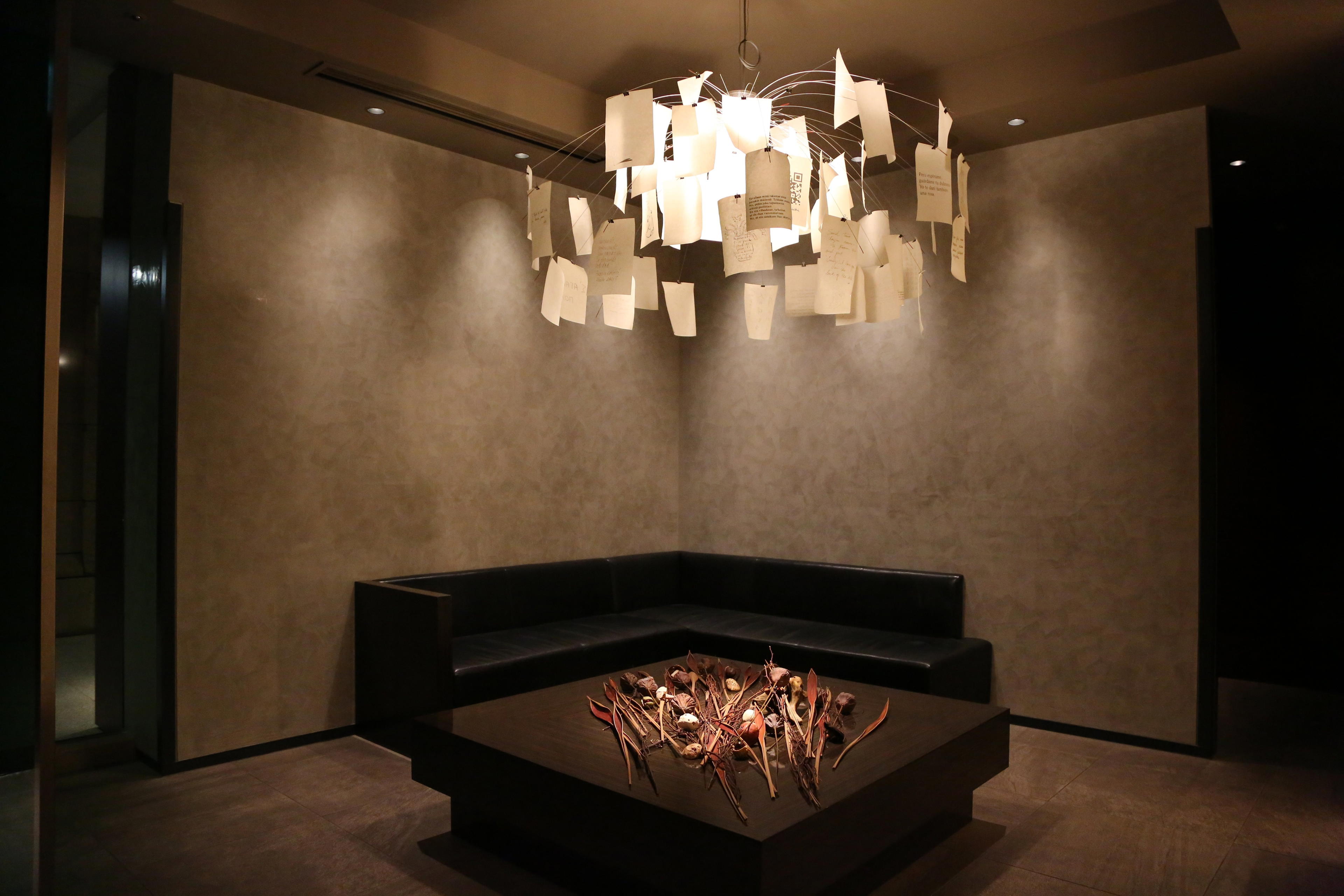
Casual and welcoming atmosphere with attentive service and a comfortable dining environment.