Skip to Main Content
Classic French Fine Dining
← Collection
Tokyo, Japan

ル・ジャルダン・デ・サヴール

Price≈$150
Dress CodeSmart Casual
ServiceFormal
NoiseQuiet
CapacityIntimate

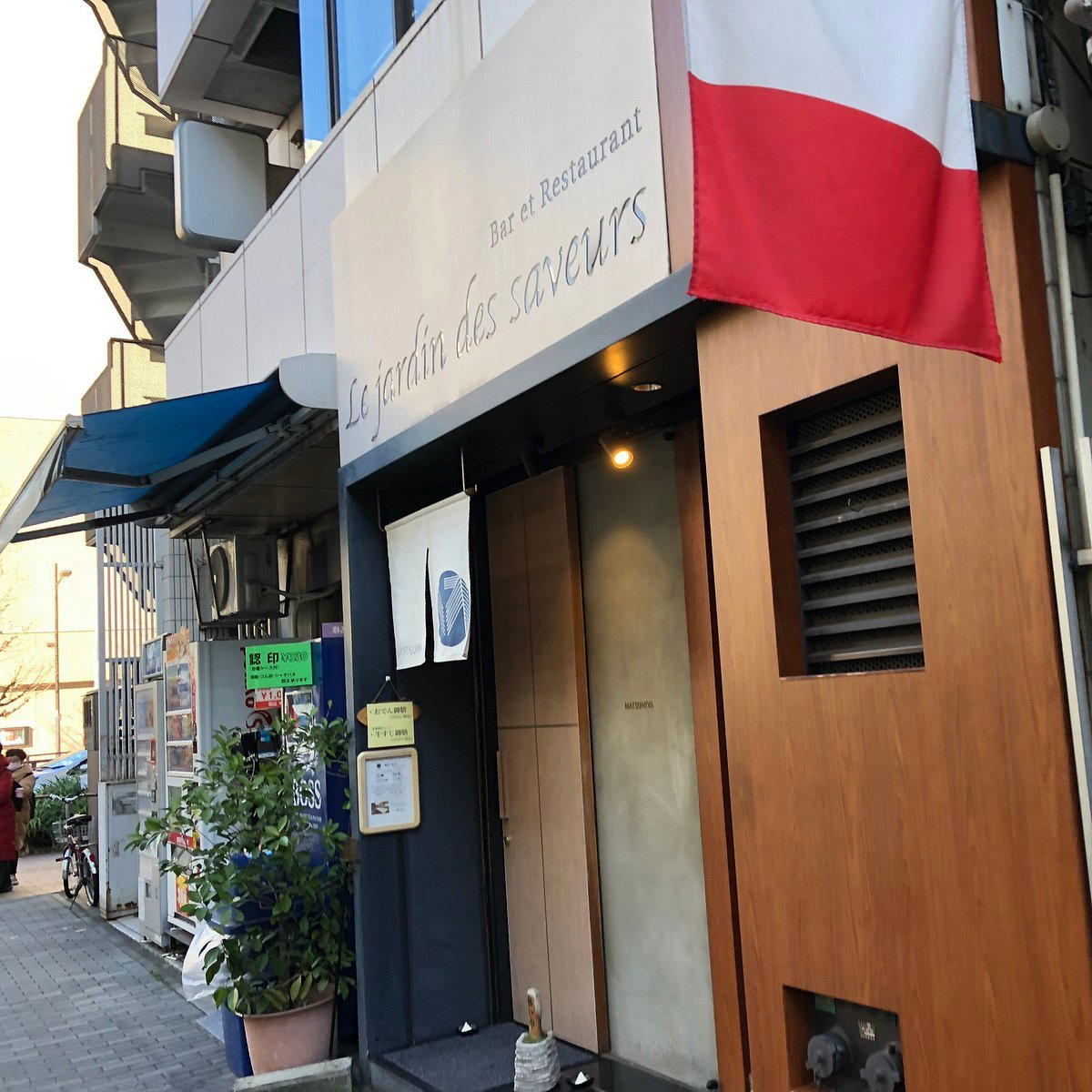
A French-inflected address in the heart of Ginza 6-chome, ル・ジャルダン・デ・サヴール occupies a ground-floor space in one of Tokyo's most competitive dining corridors. The name signals classical French ambition transplanted to Japan, a combination that Ginza has long supported at the premium tier. Booking details and menu specifics are best confirmed directly with the venue.

Pearl is the En Primeur Club membership app — saves, bookings, and concierge access live there. Same editors, same standards.

Plan your visit on PearlPlan Your Visit
Address
Japan, 〒104-0061 Tokyo, Chuo City, Ginza, 6 Chome−16−11 1F
Phone
+81335422200
ル・ジャルダン・デ・サヴール restaurant in Tokyo, Japan
About

Ginza's French Table: A Corridor That Rewards Return Visits

Ginza's position in Tokyo's dining hierarchy has always been partly geographical and partly aspirational. The 6-chome stretch in particular sits close to the district's commercial centre, where retail flagships give way to ground-floor restaurants drawing on decades of accumulated foot traffic and neighbourhood prestige. French cuisine has had a sustained presence in Ginza since the postwar period, when the district became Tokyo's primary address for Western fine dining. That lineage is still legible today: the area hosts several French and French-influenced tables across multiple price tiers, from brasserie formats to longer tasting menus designed around Parisian technique applied to Japanese produce.

ル・ジャルダン・デ・サヴール sits at 6 Chome-16-11, on the ground floor of a building in this corridor. The name translates from French as "the garden of flavours", a framing that signals intent toward produce-driven cooking rather than sauce-heavy classicism. In the broader Tokyo context, this positions the restaurant inside a well-established conversation between French culinary tradition and Japanese ingredient sensibility, a dialogue that venues like L'Effervescence and Sézanne have explored at the awarded end of the spectrum.

What Keeps Regulars Returning: The Logic of Loyalty in Ginza French Dining

Ginza diners at the loyal-clientele level are not looking for novelty in the way that destination tourists might be. They are looking for a kitchen that tracks seasonal produce reliably, a room that handles the pace of a weekday lunch or a business dinner without visible friction, and a menu that rewards the third or fourth visit differently from the first.

This dynamic is what separates Ginza's durable French addresses from those that rely on opening-month momentum. At the premium end, tables like Crony have built followings through format discipline and a clear point of view on ingredient sourcing. At the kaiseki end of the spectrum, RyuGin demonstrates what genuine seasonal attentiveness looks like across years of operation. The French tables in Ginza that attract regulars rather than one-time visitors tend to operate somewhere on the same axis: a commitment to produce timing that makes the menu feel different in March than it does in October.

For ル・ジャルダン・デ・サヴール, the ground-floor Ginza location itself carries logistical advantages for repeat visitors. Ground-floor entries in this part of Chuo City tend to serve both walk-in and reservation traffic, though reservations are essential, particularly for evening sittings. The 6-chome address is walkable from Ginza Station on the Tokyo Metro Ginza, Marunouchi, and Hibiya lines, placing it inside the natural circuit for diners moving between the district's retail and dining nodes.

Placing the Venue in Its Competitive Set

Tokyo's French dining tier is more internally differentiated than a single category label suggests. At the leading, three-Michelin-star operations like those associated with the Sézanne format set the price and formality ceiling. Below that sits a substantial mid-tier of bistro-adjacent and one-to-two-star French addresses that do serious work with Japanese produce inside French frameworks. L'Effervescence in Nishi-Azabu represents one pole of this category: rigorously philosophical, vegetable-forward, internationally recognised. Ginza's French tables occupy a different social function, one more tied to the business lunch circuit and the neighbourhood's long-standing role as Tokyo's European dining anchor.

Across Japan, the French influence on fine dining extends well beyond Tokyo. HAJIME in Osaka operates at the three-star level with a defined ecological philosophy. akordu in Nara applies Spanish-influenced techniques within a Japanese ingredient framework, demonstrating how the European-Japanese culinary dialogue takes different forms across the country's regions. In the sushi register, Harutaka represents the Ginza counter format at its most concentrated, a different price tier and format, but part of the same neighbourhood's premium dining identity.

Further afield, the conversation between French technique and local produce plays out at addresses like Goh in Fukuoka and Gion Sasaki in Kyoto, each resolving the same tension between imported culinary grammar and indigenous ingredient seasons in ways specific to their cities. For EP Club members building an itinerary across Japan, these addresses demonstrate how the same underlying dialogue produces different results depending on geography and local produce availability.

Beyond Japan, the French fine dining register that ル・ジャルダン・デ・サヴール's name invokes has its clearest international reference points at addresses like Le Bernardin in New York City, where technique-led French cooking has sustained decades of critical recognition, and Atomix in New York City, which navigates a comparable East-meets-French-influenced-fine-dining conversation from a Korean culinary starting point.

Planning a Visit

The restaurant is located at 6 Chome-16-11 Ginza, Chuo City, Tokyo, on the ground floor. Getting there: Ginza Station (Tokyo Metro Ginza, Marunouchi, and Hibiya lines) is the closest transit node, with the address falling inside the 6-chome grid. Reservations: Reservations are essential, particularly for evening sittings when Ginza French addresses tend to fill across both business and leisure demand. Dietary requirements: Allergy and dietary enquiries should be directed to the venue ahead of booking.

Readers exploring Japan more widely may also find relevant context at Bistro Ange in Toyohashi, Birdland in Sakai, and regional Japanese addresses including 一本木 夛川製 in Nanao, 夕佳亭山乃 in Sapporo, 湖隣亭宝 in Takashima, and 庭羽屋 in Nishikawa Machi.

Signature Dishes
ガルグイユ

Side-by-Side Snapshot

Comparable venues nearby, for context on price, style, and recognition.

At a Glance
Vibe
  • Elegant
  • Intimate
  • Classic
  • Hidden Gem
Best For
  • Special Occasion
  • Date Night
Dress CodeSmart Casual
Noise LevelQuiet
CapacityIntimate
Service StyleFormal
Meal PacingLeisurely

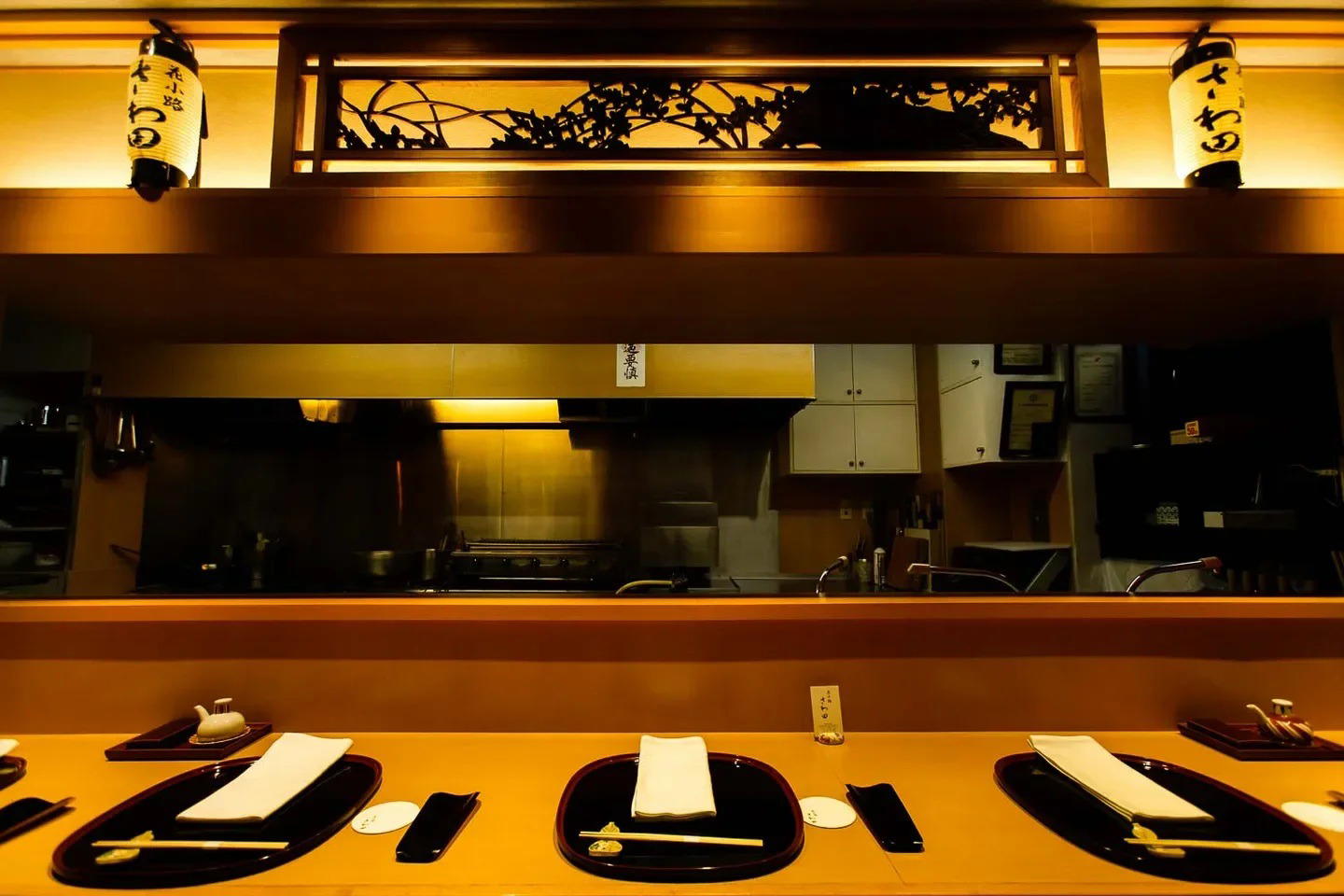
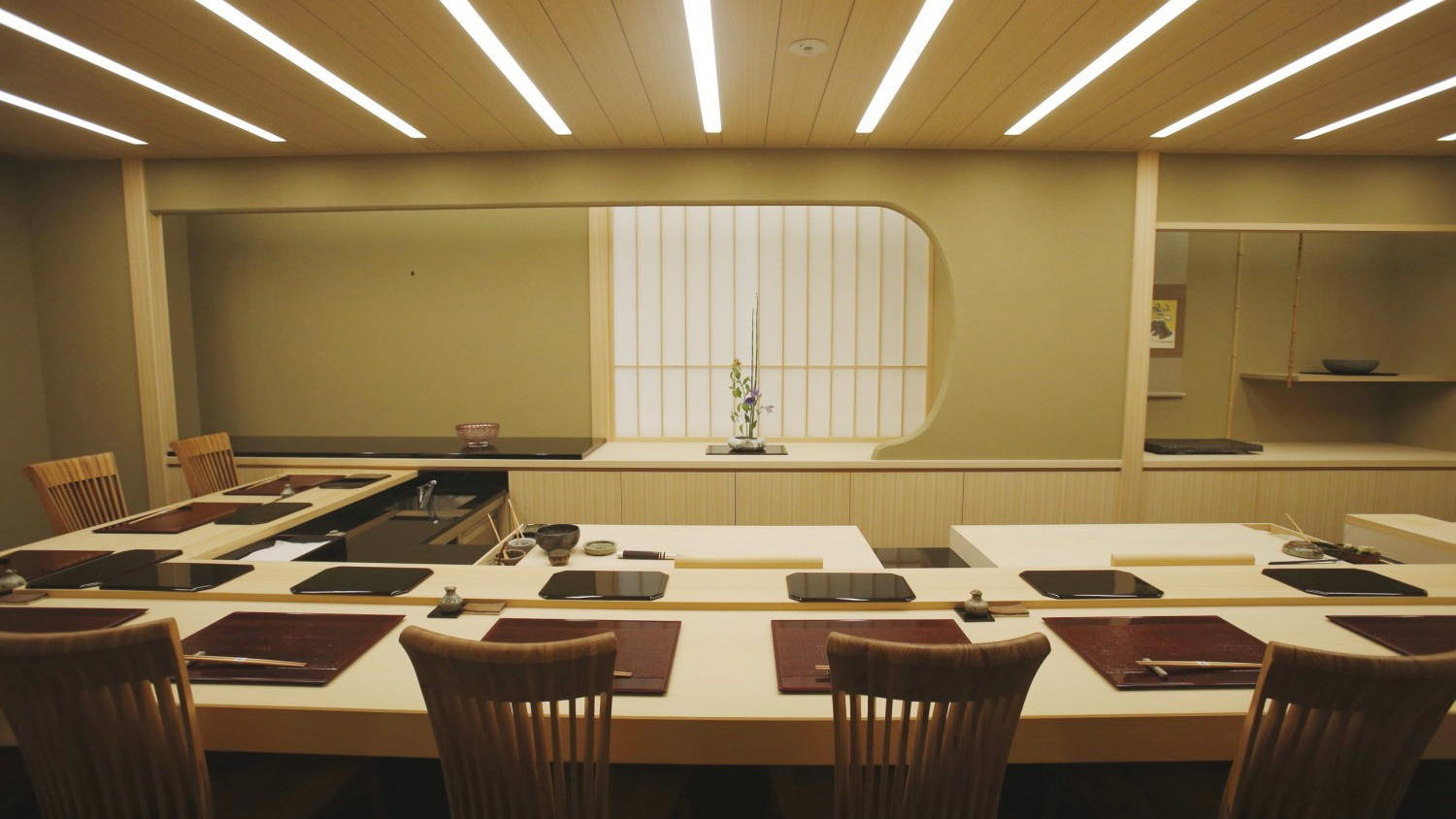
銀座の喧騒から離れた地下のカウンター席のみのこじんまりとした空間で、繊細で美しい料理が並ぶ美食家のための隠れ家的な雰囲気。

Signature Dishes
ガルグイユ