Our verdict
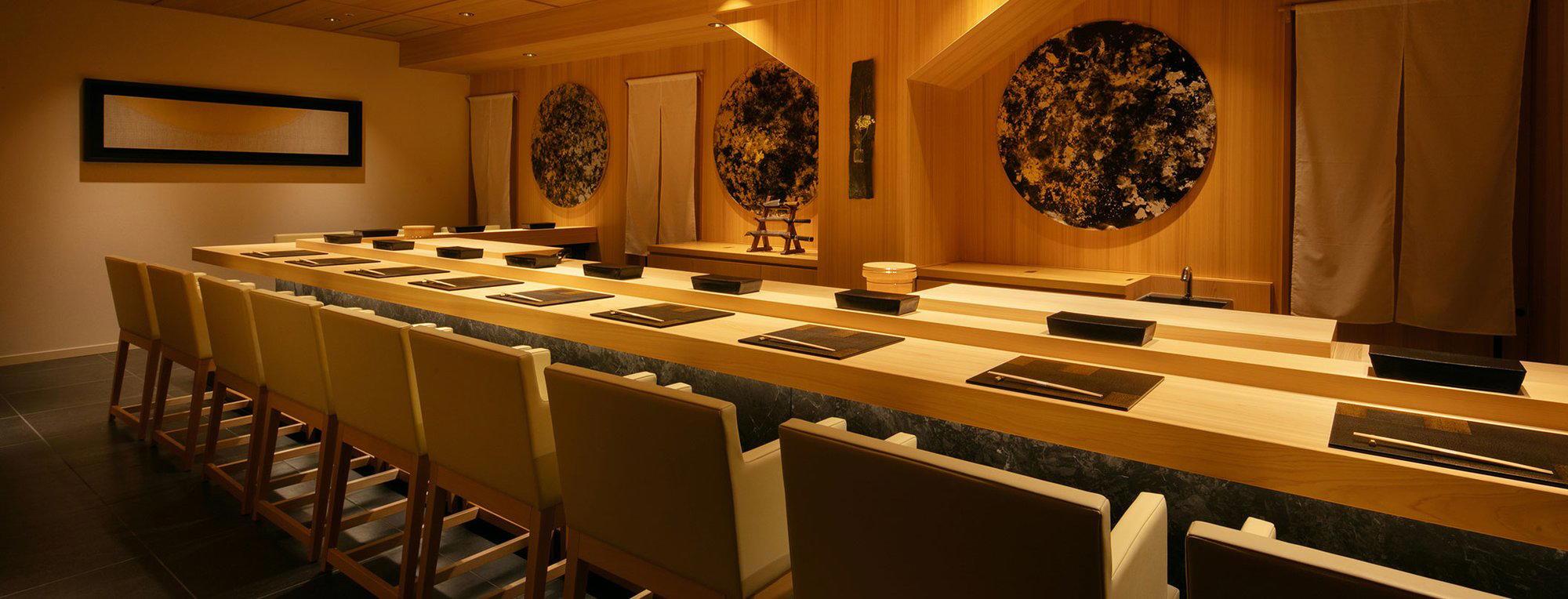
あま木 occupies a ground-floor address in Nagoya's Marunouchi district, where the city's more considered dining culture has been quietly accumulating depth. Positioned among Nagoya's specialist counter restaurants, it draws visitors looking beyond the city's famous nagoya-meshi staples toward a more structured meal format. For those approaching Nagoya's dining scene seriously, it belongs on the itinerary alongside the city's other focused independents.

Pearl is the En Primeur Club membership app — saves, bookings, and concierge access live there. Same editors, same standards.
- Address
- Japan, 〒460-0002 Aichi, Nagoya, Naka Ward, Marunouchi, 3 Chome−16 第22プロスパー丸の内 1F
- Phone
- +81522317971
- Website
- nagoyakankohotel.co.jp
- Directions
- Get directions
The menu
What to order
- Nigiri sushi with Mikawa Bay fish
- Saikyo-grilled Japanese butterfish
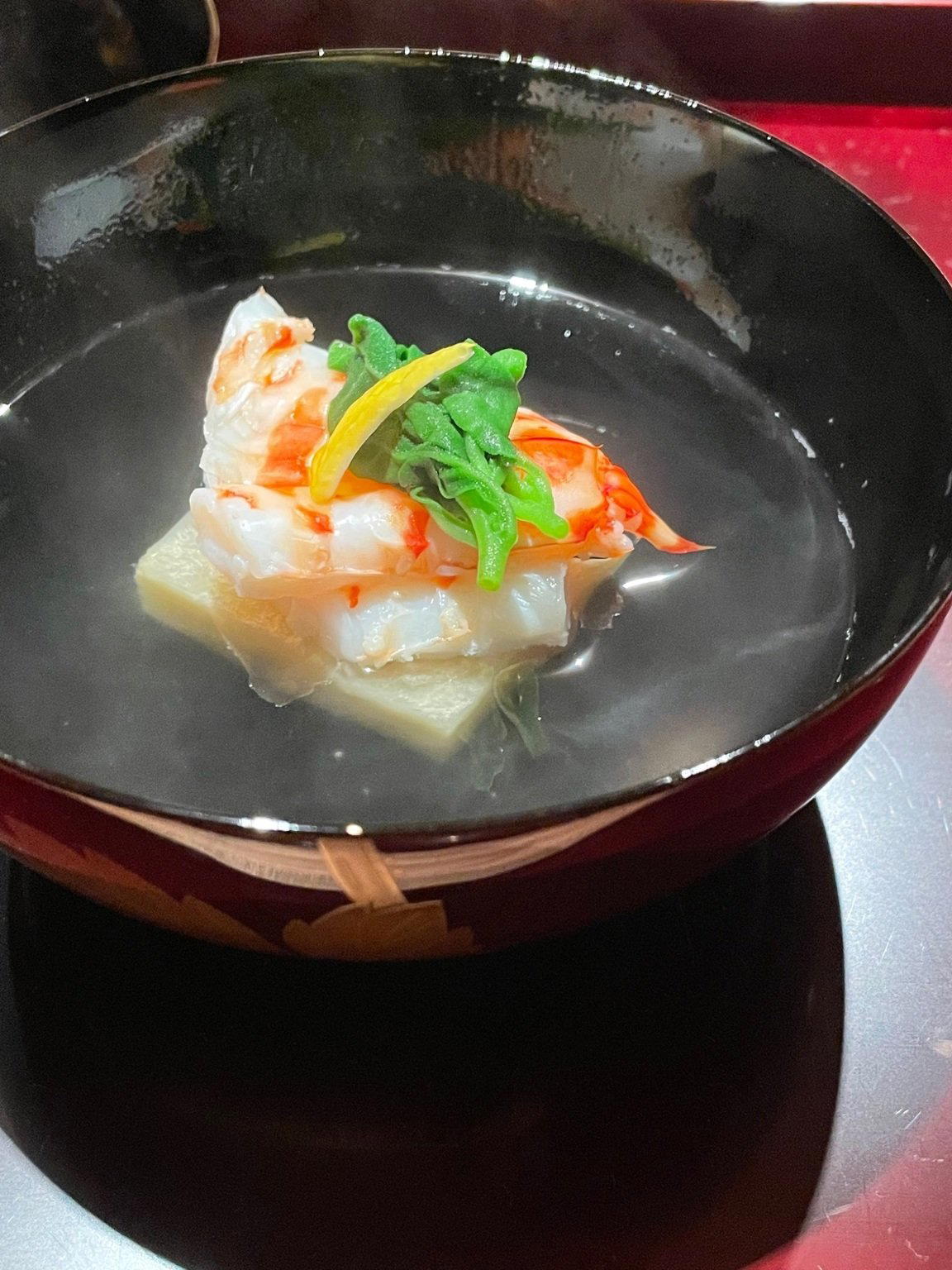
- Steamed abalone
Marunouchi's Counter Culture and Where あま木 Fits
Nagoya's Marunouchi district operates at a different register from the city's louder dining corridors. The office towers and low-rise commercial blocks along Naka Ward's Marunouchi strip host a quieter stratum of restaurants — places that don't need foot traffic to fill seats because their regulars already know the address. あま木, on the ground floor of the 第22プロスパー丸の内 building at 3 Chome−16, belongs to this category: a restaurant that earns its place through the meal itself rather than through visibility or marketing.
Japan's mid-tier cities — Nagoya, Fukuoka, Kanazawa, have each developed their own counter-dining subcultures, partly in response to the gravitational pull of Tokyo's restaurant scene and partly because local producers and local clienteles make different demands. Nagoya's scene is more conservative than Osaka's and less internationally legible than Kyoto's, but it rewards visitors who read past the nagoya-meshi shorthand. The city's serious independents sit inside neighbourhood buildings, take bookings weeks in advance, and price against quality rather than location. あま木 fits that pattern.
The Arc of the Meal
Counter restaurants in Japan, whether sushi, kaiseki, or any of the hybrid formats that have proliferated since the 2010s, share a structural logic: the meal has a beginning, a middle, and an end, and the kitchen controls the pacing. This is not incidental. The sequencing of courses in a Japanese counter format is a compositional decision, equivalent to the structure of an essay or a musical arrangement. At its finest, it means that what arrives first frames what arrives last, and the cumulative effect is greater than any individual dish.
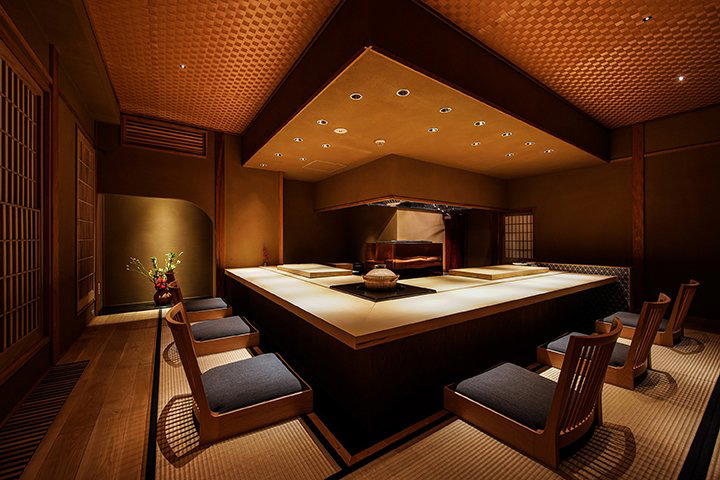
That progression matters for how you should approach あま木. Arrive with time, not just appetite. The counter format here, as at comparable Japanese independents, is not a place to rush toward a single standout course. The early courses, typically lighter, more acidic, designed to orient the palate, establish the vocabulary the kitchen will use throughout the meal. By the time the heavier, more technically demanding courses arrive, the diner has been prepared for them. This is the tradition that distinguishes serious Japanese counter dining from Western tasting-menu formats, which often treat each course as a separate exhibit rather than part of a continuous argument.
For comparison, the same structural discipline appears at Gion Sasaki in Kyoto and at HAJIME in Osaka, though each of those restaurants operates at different price points and with different culinary languages. The common thread is the conviction that the meal's arc matters as much as any individual moment within it.
Nagoya's Dining Scene in Context
Nagoya often gets reduced to its signature dishes, miso katsu, hitsumabushi eel, tebasaki chicken wings, and those dishes are worth knowing. Atsuta Horaiken remains the reference address for hitsumabushi, and it tells you something real about the city's culinary identity. But the nagoya-meshi conversation can crowd out the city's more recent restaurant development, which has been substantial.
The last decade has brought a sharper range of specialist formats to Nagoya. Italian-inflected addresses like cucina Wada and Bacio have carved out serious followings. Chez Kobe adds a Franco-Japanese reference point. Cucina Italiana Gallura moves between Italian and Japanese frameworks within a single format. These are not outliers, they are signs that Nagoya's dining culture has diversified well beyond its regional signature dishes, and that the city now supports a range of ambitious independents across multiple cuisines.
あま木 occupies one position within this broader range. Its Marunouchi address places it in a business-district dining corridor that has historically served corporate lunch culture but has increasingly attracted more considered dinner formats as the neighbourhood's residential and hospitality profile has shifted. The 1F address in a mid-century commercial building is typical of this kind of restaurant in Japan: deliberately understated, relying on reputation rather than signage.
To calibrate what あま木 represents within Japan's wider counter-dining culture, it helps to place it alongside restaurants in comparable mid-tier cities. Goh in Fukuoka illustrates how a regional city can produce counter restaurants that compete on quality with Tokyo's most decorated addresses. In Nara, akordu shows how a small-city format can develop an international culinary vocabulary while remaining rooted in local produce. Further north, restaurants like 札幌 independents and Nanao's specialist counters demonstrate that Japan's counter-dining culture is genuinely national, not concentrated in the major cities.
あま木 sits inside that national pattern. It is a Nagoya restaurant in the sense that it draws from Nagoya's food culture and serves a primarily local clientele, but the format and the seriousness it implies are recognizable to anyone who has eaten through Japan's regional dining scene. Visitors who have experienced Harutaka in Tokyo or the concentrated formats at Takashima and Nishikawa Machi will recognize the underlying logic immediately.
For those approaching Japanese counter dining for the first time from a Western reference point, the comparison to Le Bernardin in New York City is useful not in terms of cuisine but in terms of structural seriousness: a kitchen that treats the meal as a whole rather than as a sequence of independent dishes. Atomix, also in New York, offers a more direct parallel in its counter format and its commitment to sequencing as a compositional tool.
Planning a Visit
あま木's Marunouchi address is accessible from Nagoya's central transport network, with the district a short walk from the main business and hotel corridors. The building at 3 Chome−16 is a ground-floor space within a commercial block, the kind of address that requires a confirmed booking and a deliberate decision to find it. Given the format and the neighbourhood, dinner here works well as a standalone evening rather than one stop among many. Reservations at this category of Japanese independent should be made well in advance; same-day availability is unlikely at a restaurant of this type. For a broader view of where あま木 sits within the city's dining options, see our full Nagoya restaurants guide.
Visitors travelling Japan's regional circuit who are also considering Birdland in Sakai or addresses in the Takashima area will find Nagoya a logical stop on that itinerary, with あま木 providing the kind of focused counter experience that justifies building the city into a longer Japan journey.
Frequently asked questions
Where do I go for あま木?
あま木 is located at Japan, 〒460-0002 Aichi, Nagoya, Naka Ward, Marunouchi, 3 Chome−16 第22プロスパー丸の内 1F, Nagoya.
Is あま木 in Nagoya suitable for a business dinner?
The Marunouchi address at 3-chome puts あま木 squarely inside Nagoya's central business district, a corridor known for professional clientele and office towers rather than leisure dining. Counter restaurants in this setting tend to attract a local, repeat-visit crowd rather than large groups, making the format well-suited to small parties of two to four. The ground-floor location within the 第22プロスパー丸の内 building is straightforwardly accessible from Nagoya's main transport nodes.
What should I eat at あま木?
あま木 sits in Nagoya's Marunouchi district, a neighbourhood that draws from the city's broader culinary traditions rather than tourist-facing set pieces. Counter restaurants in this part of Nagoya tend to run structured set-course formats rather than à la carte menus, so the kitchen determines the sequence. Arriving without a fixed agenda and following the course as presented is the standard approach at addresses like this one.
Do they take walk-ins at あま木?
あま木 occupies the first floor of the 第22プロスパー丸の内 building in Nagoya's Marunouchi 3-chome. Counter restaurants in this district typically operate on reservations, and seat counts at ground-floor counters in commercial blocks like this one are generally limited. Contacting the venue directly to confirm availability before arriving is the practical approach.
What do critics highlight about あま木?
Its Marunouchi address places it in a district that Nagoya's dining community treats as a counterpoint to the city's louder, more tourist-facing restaurant strips.
How does あま木 handle allergies?
Counter-format restaurants running fixed courses in Japan generally require allergy and dietary information at the time of booking rather than on the night. Raising requirements when making your reservation, rather than on arrival, is the standard protocol at this format of venue.
A Tight Comparison
| Venue | Cuisine | Price | Awards | Notes |
|---|---|---|---|---|
| あま木This venue — the venue you are viewing | Sushi Omakase | $300–500 | Not listed | Not listed |
| Cucina Italiana Gallura | Authentic Italian with Local Seafood | $100–150 | Tabelog Bronze #50 | Sushi |
| Hachisen | Kyoto-Style Kaiseki | $200–300 | Tabelog Bronze #91 | Kyoto Cuisine |
| il AOYAMA | Japanese-Inflected Italian Cuisine | $300–500 | Tabelog Silver #42 | Italian |
| Reminiscence | Modern French with Japanese influences | $150–200 | La Liste Top Restaurants · Tabelog Silver #108 | French |
| Unafuji | Nagoya-Style Charcoal Grilled Unagi | $50–100 | Tabelog 100 #38 | Unagi |