
A ten-seat kaiseki counter in Nagoya's Nakagawa Ward, Oryori Hisamatsu has earned Tabelog Bronze recognition and consecutive placement in the Tabelog Japanese Cuisine EAST Top 100 for 2023 and 2025. Dinner runs JPY 10,000–14,999; lunch offers a more accessible entry point. Reservation-only, cash-only, and closed Wednesdays — plan accordingly.
Pearl is the En Primeur Club membership app — saves, bookings, and concierge access live there. Same editors, same standards.
- Address
- 1 Chome-129 Takabata, Nakagawa Ward, Nagoya, Aichi 454-0911, Japan
- Phone
- +81 52-362-8622
- Website
- tabelog.com
- Directions
- Get directions
 Saves & bookings on Pearl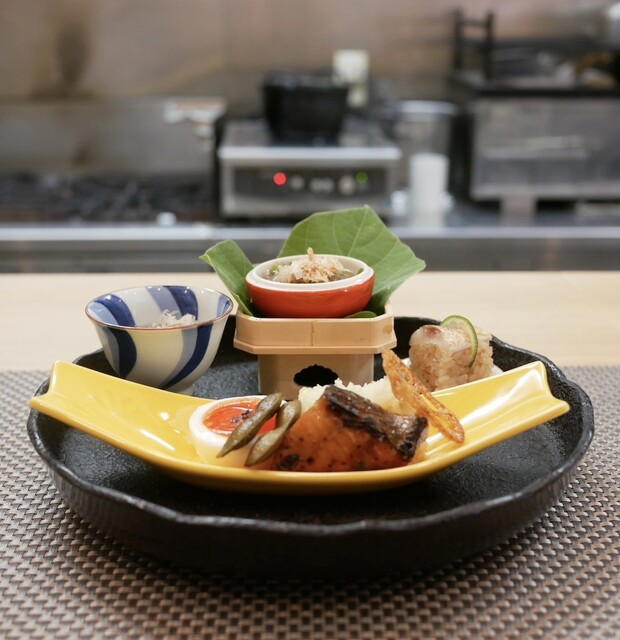
A Residential Address, a Serious Kitchen
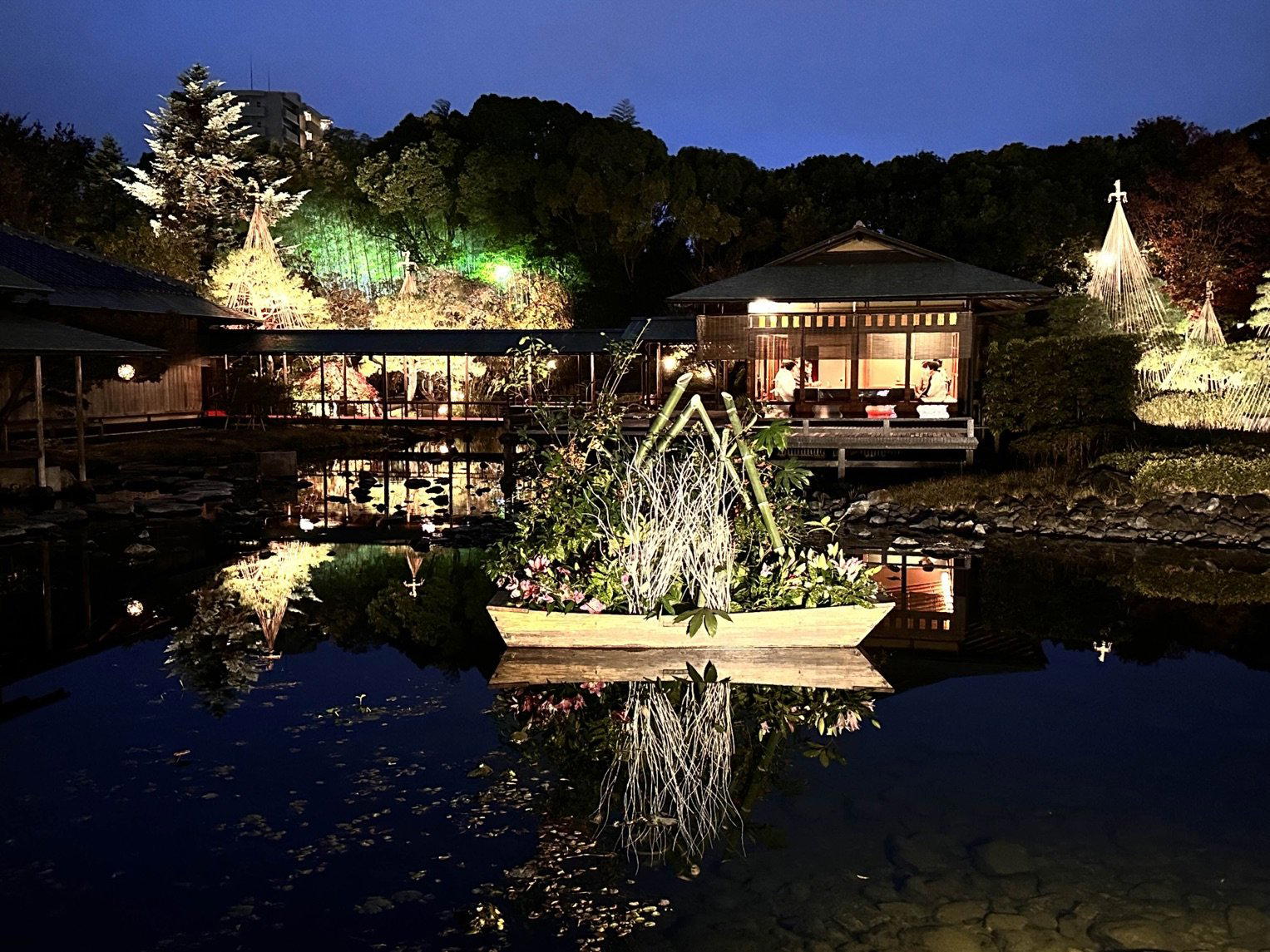
Nagoya's most-discussed kaiseki tables rarely sit in the obvious places. The city's restaurant culture has long operated on a neighbourhood logic that rewards research: destination-grade cooking surfaces in converted houses, ground-floor apartments, and low-signage storefronts far from the tourist circuits around Nagoya Castle or the Sakae entertainment district. Oryori Hisamatsu fits squarely within that pattern. It occupies a first-floor unit in a residential building in Nakagawa Ward's Takabata district — about five minutes on foot from Exit 3 of Takabata Subway Station, or six minutes from Arako Station on the Aonami Line. The address is modest by any measure. The recognition is not.
Since opening in November 2015, the restaurant has accumulated a Tabelog score of 3.75, Tabelog Bronze at the 2026 awards (ranked 120th nationally), and consecutive selection for the Tabelog Japanese Cuisine EAST Top 100 in both 2023 and 2025. In Tabelog's ecosystem, those are not incidental markers: the Top 100 designation across multiple cycles signals sustained peer-level recognition rather than a single strong year. For a ten-seat room in a residential Nagoya ward, that track record places Hisamatsu in a specific competitive bracket — alongside Nagoya kaiseki addresses like Kojitsu and Kyoaji Motoi, and within a national conversation that includes Gion Sasaki in Kyoto and Mitsuyasu in Kyoto.
The Format and What It Signals
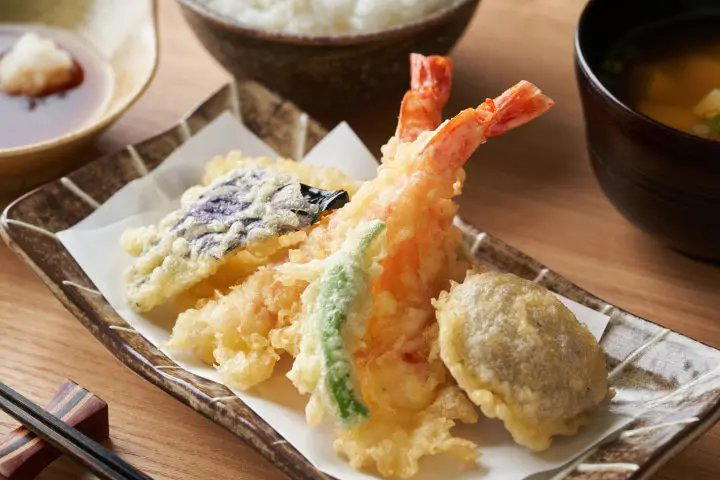
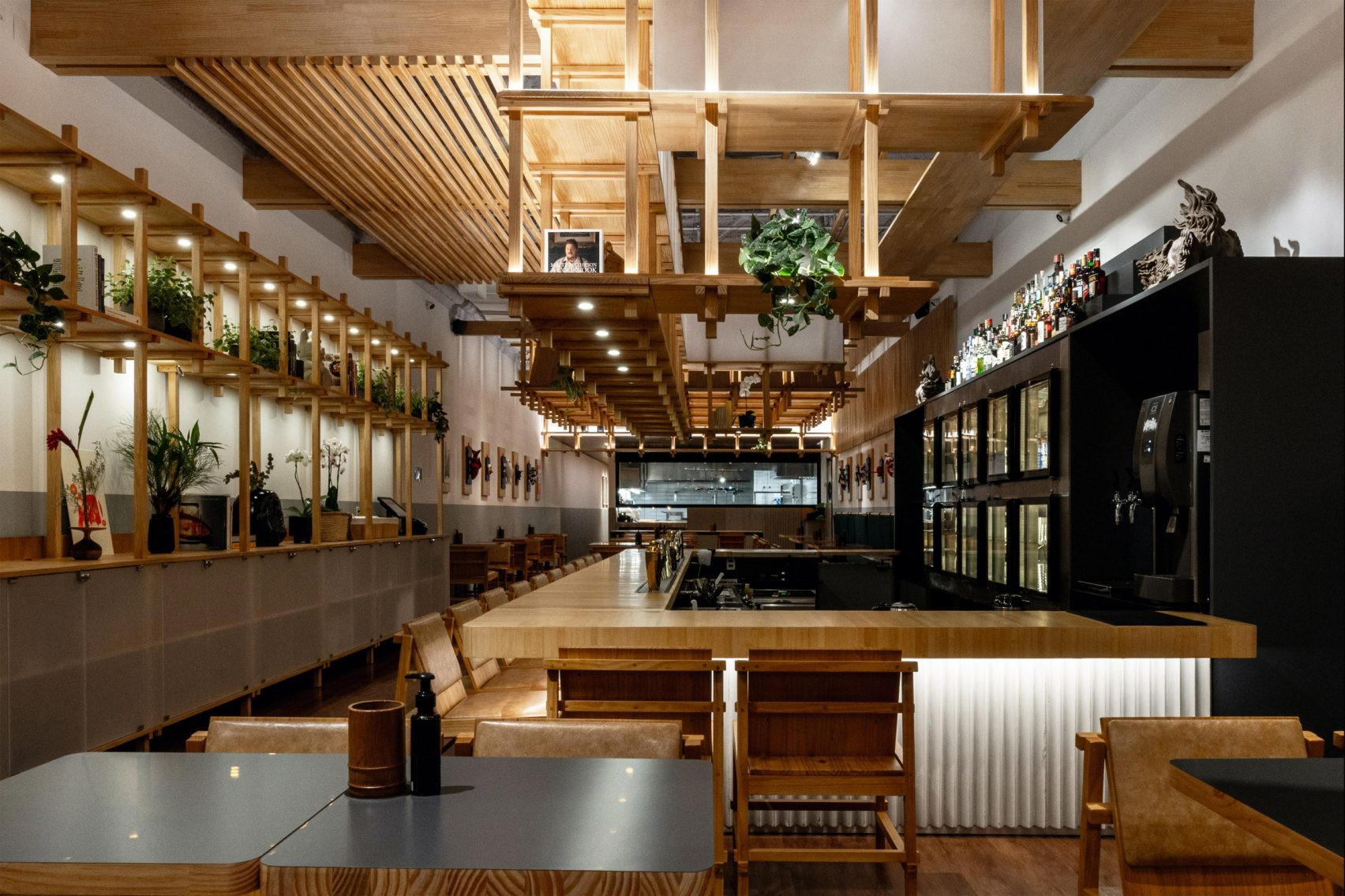
Ten seats, six at the counter, four at a table, is a deliberate constraint, not a limitation. At this scale, the kitchen functions as a direct conversation between cook and guest, and the counter especially compresses the distance between preparation and service to near zero. Japanese cuisine at this level is not plated in a back kitchen and carried out; watching the cook work becomes part of the experience's rhythm. The Tabelog listing notes a specific commitment to fish, which in the kaiseki tradition typically translates into a sequence that follows seasonal availability and the leading available regional catch rather than a fixed menu structure.
The sake program receives similar focused attention. The listing records a particular emphasis on nihonshu (Japanese sake) alongside shochu. At kaiseki counters operating in this price range, the drinks program is rarely an afterthought, it is matched to the progression of courses and often sourced from producers the kitchen has an established relationship with. Guests who want to engage the pairing side of the meal should treat it as a structured conversation rather than a standard wine list request.
The room is described as a relaxing space, and the house-restaurant classification reflects a format common to this tier of Japanese cooking: intimate, controlled, and deliberately removed from the visual and ambient cues of conventional restaurant dining. The contrast with louder, higher-capacity rooms across Nagoya's dining scene, or with the Italian and French formats represented by Cucina Italiana Gallura and French Ryori Kochuten, is total. Different premises, different logic.
Booking Hisamatsu: The Logistics Are the Challenge
Editorial angle here is not the food itself, it is the planning required to sit down to it. Oryori Hisamatsu operates on reservation-only terms, with no same-day bookings accepted. This is standard for kaiseki at this level across Japan, but the specific constraints at Hisamatsu compound in ways that require preparation before you dial the number.
First, payment: credit cards, electronic money, and QR code payments are all declined. Cash only, in full, at the end of the meal. Dinner at JPY 10,000–14,999 per person, plus drinks, means arriving with sufficient yen is non-negotiable. Japan remains largely cash-functional at this end of the dining spectrum; the nearest ATM to Takabata Station that handles international cards is worth identifying in advance.
Second, hours: the schedule varies by day. Monday, Friday, Saturday, and Sunday operate both lunch (noon to 14:00, last order at 13:00) and dinner (18:00 to 20:00, last order at 20:00). Tuesday and Thursday are dinner-only. Wednesday is closed, along with irregular holidays announced via the restaurant's social media channels. The practical implication: check Facebook or Instagram close to your intended visit date to confirm the kitchen is open, particularly around national holidays or extended closures.
Third, the phone. The contact number is +81-52-362-8622. For non-Japanese speakers, the reservation process may require either a Japanese-speaking intermediary, or a concierge service at your hotel. This is not unusual for small, owner-operated kaiseki rooms in Japan's regional cities, it is, rather, the norm. Booking through a Nagoya hotel concierge, particularly at properties accustomed to handling dining reservations for international guests, is the most reliable path.
Lead time matters. A Tabelog score of 3.75 at a ten-seat counter typically implies demand that outpaces supply by a meaningful margin. Treating Hisamatsu as a same-week addition to a Nagoya itinerary is unlikely to succeed. Two to four weeks ahead is a reasonable minimum; more is safer, particularly for weekend evening slots.
The restaurant does offer private use for groups of up to 20 people, larger than the standard seating capacity suggests, which points to the possibility of arranging the space differently for an exclusive booking. Two parking spaces are available on-site, which matters for guests arriving by car from outside central Nagoya.
Where Hisamatsu Sits in a Broader Japan Itinerary
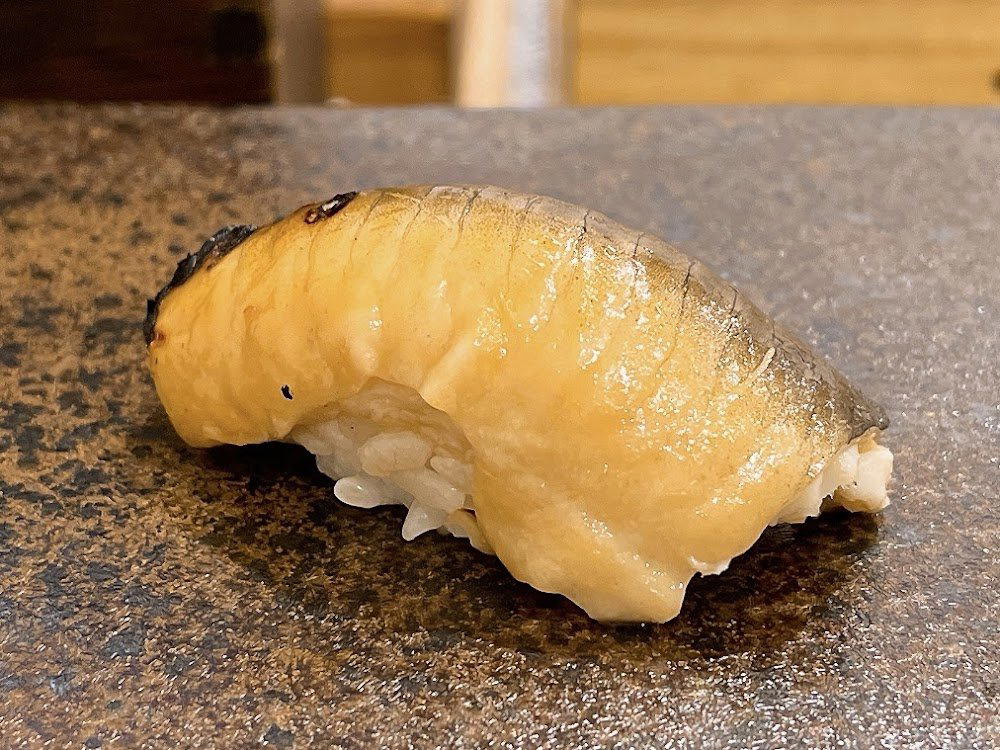
Nagoya occupies an underappreciated position in Japan's kaiseki geography. It sits between Kyoto's deep-rooted formal tradition and Tokyo's competitive density, and it draws on Aichi Prefecture's own ingredients, freshwater fish from the Kiso River system, specific regional vegetables, the Mikawa Bay seafood supply, rather than simply replicating what the capital cities produce. Hisamatsu's noted emphasis on fish places it within a broader Japanese culinary logic: that the cook's relationship with the daily catch, and the season's dictates, is the primary creative constraint.
Travellers building multi-city itineraries around serious Japanese cooking will find Nagoya's scene more varied than its reputation suggests. For reference points at the national level: Harutaka in Tokyo and HAJIME in Osaka represent the capital-city tier; akordu in Nara and Goh in Fukuoka show the regional-city model at full stretch. 1000 in Yokohama and Beppu Hirokado in Oita extend the map further. Hisamatsu belongs in that wider itinerary conversation, a table that earns its place on consistent awards evidence, not on the strength of its address or its city's name recognition.
Within Nagoya specifically, the kaiseki tier is smaller than in Kyoto but more rigorous than the city's miso-katsu and hitsumabushi reputation might suggest. Our full Nagoya restaurants guide maps the wider scene, and for planning around accommodation and supplementary programming, our Nagoya hotels guide, bars guide, wineries guide, and experiences guide cover the rest.
Practical Planning Reference
Dinner at Oryori Hisamatsu runs JPY 10,000–14,999 per person; lunch, available Monday, Friday, Saturday, and Sunday, falls in the JPY 6,000–7,999 range and represents a more accessible entry to the kitchen's output. The room holds ten seats. No same-day bookings. No card payments of any kind, bring cash. Closed Wednesdays and on irregular holidays (confirm via social media before travelling). Reservations by phone at +81-52-362-8622. Transit: five minutes from Takabata Subway Station Exit 3, or six minutes from Arako Station on the Aonami Line. Two on-site parking spaces available.
What should I eat at Oryori Hisamatsu?
Oryori Hisamatsu does not publish a fixed menu, and the Tabelog record lists no featured dishes. The kitchen's noted emphasis is on fish, situating it within the kaiseki tradition where the day's leading seasonal catch drives the course sequence. Guests should expect a set progression, the format of the meal rather than specific dishes is what you book. The sake program receives deliberate attention and is worth engaging alongside the food. Arrive with an open brief and let the kitchen set the terms.
How Oryori Hisamatsu Nagoya compares with similar nearby venues.
| Venue | Cuisine | Price | Awards |
|---|---|---|---|
| Oryori Hisamatsu | Japanese Cuisine | JPY 10,000 - JPY 14,999 JPY 6,000 - JPY 7,999 | Tabelog Bronze #120 (2026), Tabelog 100 #54 (2025) |
| Kojitsu | Japanese Cuisine | JPY 20,000 - JPY 29,999 JPY 10,000 - JPY 14,999 | Not listed |
| Higashiyama Ogata | Japanese Cuisine | JPY 30,000 - JPY 39,999 | Not listed |
| Mitsuyasu | Japanese Cuisine | ¥¥¥¥ | Not listed |
| Tsuru Yoshi | Japanese Cuisine | JPY 20,000 - JPY 29,999 JPY 6,000 - JPY 7,999 View spending breakdown | Not listed |
| Le Bois | Japanese Cuisine | ¥¥¥ | Not listed |
Recognition history
Dated appearances from independent guides and award organizations, with the underlying list record or original source where available.
Tabelog Bronze #120
Tabelog
Tabelog 100 #54 · No. 54
Tabelog · Tabelog 100 - Japanese cuisine - EAST - 2025

At a Glance
- Intimate
- Elegant
- Special Occasion
- Chefs Counter
- Sake Program
Current opening hours
- Monday
- 11:30 AM–2 PM, 5:30–9 PM
- Tuesday
- 11:30 AM–2 PM, 5:30–9 PM
- Wednesday
- 11:30 AM–2 PM, 6–9 PM
- Thursday
- 11:30 AM–2 PM, 5:30–9 PM
- Friday
- 11:30 AM–2 PM, 5:30–9 PM
- Saturday
- 11:30 AM–2 PM, 5:30–9 PM
- Sunday
- 11:30 AM–2 PM, 6–9 PM
Hours can change for holidays and private events. Last verified .
Relaxing space with counter and table seating focused on intimate dining.
Know Before You Go
- Getting there
- 1 Chome-129 Takabata, Nakagawa Ward, Nagoya, Aichi 454-0911, Japan