Tabelog 100 #33
Our verdict
Located on the third floor of Marunouchi Hills in Nagoya's Naka Ward, Sushisho occupies a quiet upper tier of the city's sushi scene. The counter format and Marunouchi address position it within a narrow bracket of serious omakase dining that Nagoya sustains alongside its better-known kaiseki and eel traditions. For visitors calibrating a Japan itinerary around precision sushi, it belongs on the shortlist.

Pearl is the En Primeur Club membership app, where members save venues, book tables and use the concierge.
A Counter Above the Street
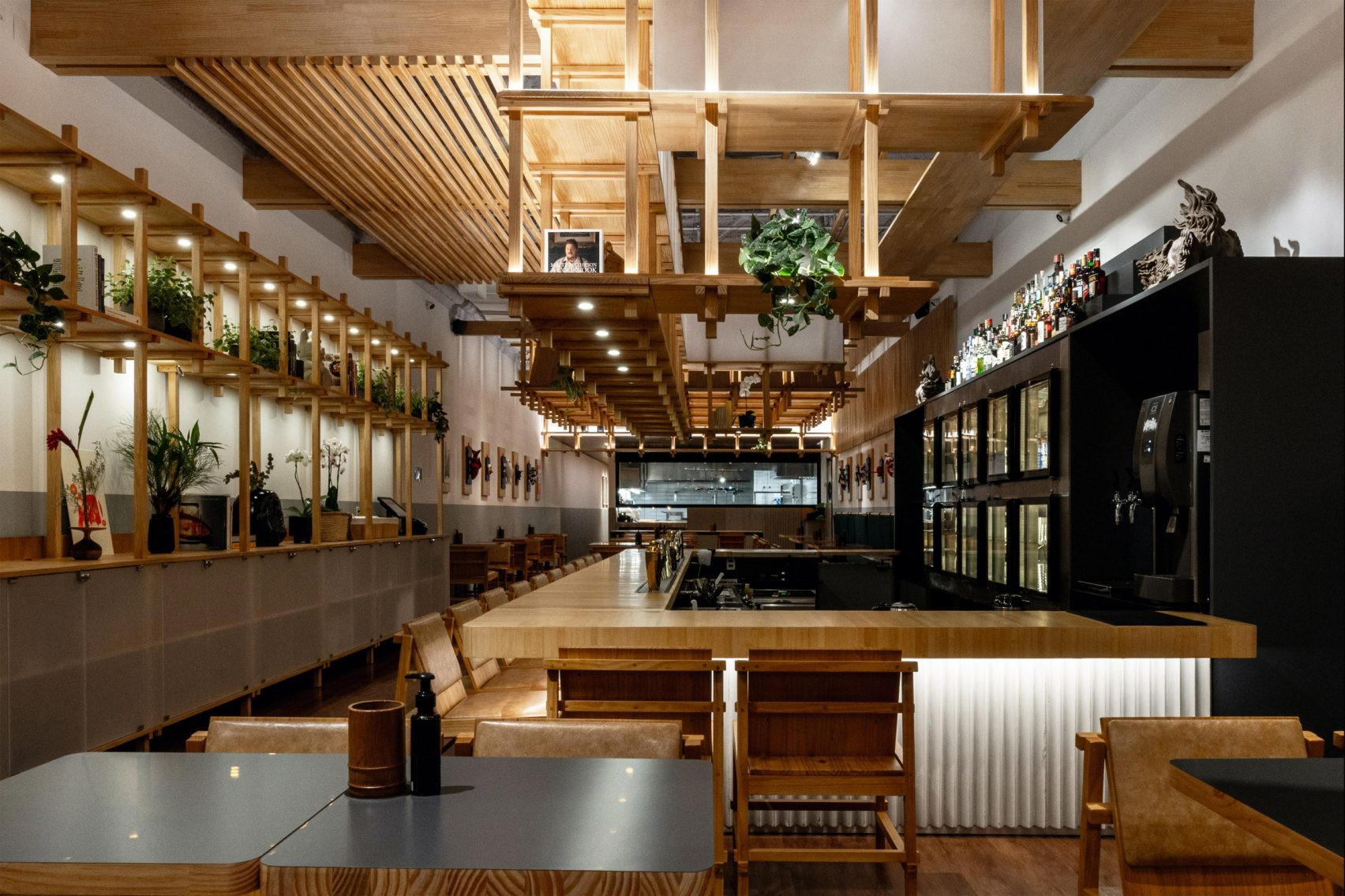
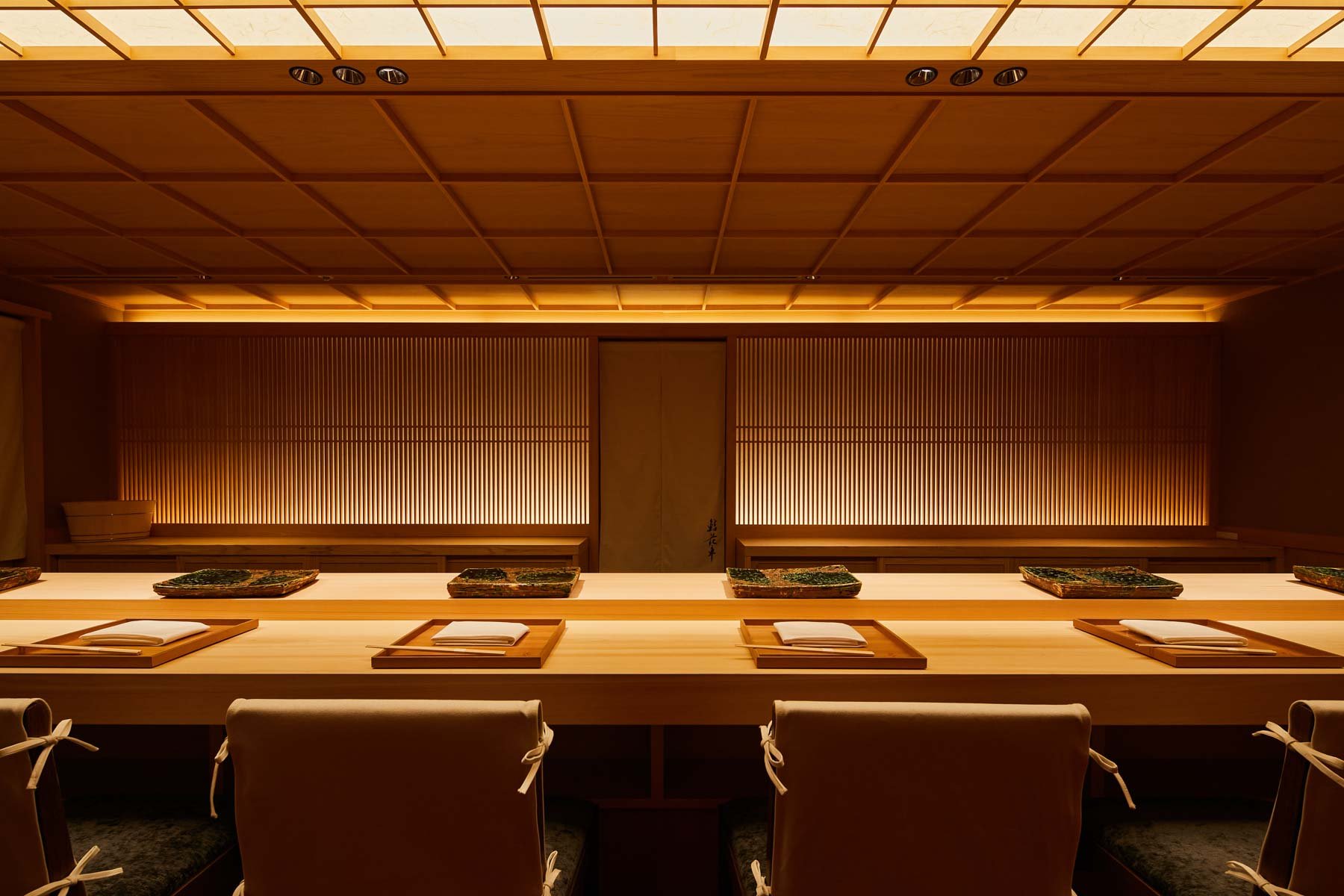
There is something deliberate about reaching a sushi counter on the third floor of a building. The ascent, past the noise of Marunouchi's office-district streets, up through corridors that filter out the casual drop-in crowd, is itself a form of selection. Nagoya's Marunouchi district carries the composed, slightly formal energy of a city that takes its business seriously, and Sushisho, situated within Marunouchi Hills at 2-19-19, reads that environment correctly. You do not stumble into it.
That physical remove matters in the context of Japan's omakase culture, where the space between the street and the counter is rarely accidental. Counter sushi at this address tier is not about visibility or foot traffic. It is about the kind of guest who already knows where they are going and has made arrangements accordingly.
Nagoya's Sushi Position Within Japan's Hierarchy
Nagoya is an underread city in international dining conversations. The default associations run to Atsuta Horaiken and its hitsumabushi, or to the city's deeply local comfort canon, miso katsu, kishimen, tebasaki. But Nagoya also sustains a tier of precision counter dining that reflects its industrial wealth and its position midway along the Shinkansen corridor between Tokyo and Osaka. Residents who travel frequently between those two poles develop calibrated expectations, and the city's serious restaurants have responded accordingly.
Within Japan's broader sushi geography, the Kansai and Kanto traditions pull in recognisably different directions. Edo-mae technique, developed in Tokyo and documented across generations of apprenticeship chains, privileges the seasoning of rice, the control of temperature, and a restraint in presentation that reads as confidence. Restaurants like Harutaka in Tokyo represent that tradition at its most refined. The Kansai corridor, Osaka, Kyoto, and the prefectures around them, offers its own counterpoint, where kaiseki proximity sometimes inflects how sushi counters approach sequence and ingredient sourcing. Gion Sasaki in Kyoto shows how those traditions can overlap at the highest level.
Nagoya sits between these poles, both geographically and gastronomically. Its serious sushi counters draw from both lineages and serve a guest base that has eaten at the reference points in both cities. That creates a particular kind of pressure on quality and a particular kind of attentiveness from the kitchen.
The Sensory Logic of the Counter
The omakase format imposes a specific sensory discipline. There is no menu to read, no negotiation over courses, no buffering layer between the guest and the chef's decision-making. What you engage with, piece by piece, is a sequence of judgements about sourcing, preparation, temperature, and timing. The counter itself, its material, its proximity to the kitchen, the acoustics of the room, becomes part of the experience in a way that table-service dining never quite replicates.
At the upper tier of Japanese sushi, rice temperature is as scrutinised as fish quality. The warmth of the shari against cooled fish is a technical decision with sensory consequences that guests at this level notice and discuss. The silence that often falls over a counter when a particularly considered piece arrives is not theatre; it is the natural response to precision.
Nagoya's counter sushi addresses in the Marunouchi area operate with that same expectation of attentiveness. The third-floor setting at Marunouchi Hills removes ambient street noise and visual distraction, narrowing the sensory focus to what is placed in front of you. That is a design choice with implications for how a meal is experienced, not simply a real-estate circumstance.
For context on what this level of focus produces at its most committed, it is worth comparing the counter experience in Japan to what international restaurants working in the same idiom attempt. Atomix in New York City, which applies Korean fine dining logic to a comparable counter format, illustrates how the physical and sensory architecture of a counter shapes a meal's entire register. The Japanese original remains the reference point for why that format works.
Nagoya's Broader Dining Geometry
One of the more interesting aspects of Nagoya's restaurant culture is how it sustains genuinely distinct traditions side by side without the flattening effect that affects more tourist-heavy cities. The Italian current, represented by venues like Bacio, cucina Wada, and Cucina Italiana Gallura, coexists with serious French addresses like Chez Kobe and with the precision Japanese counter tradition. These are not competing for the same guest so much as serving different facets of a well-travelled, food-literate local population.
Sushisho's Marunouchi address places it in a professional-district context rather than a dining-quarter one. That is consistent with how Nagoya's higher-end counter dining tends to locate itself: close to the people who use it regularly rather than positioned for discovery by out-of-towners. It is a pattern visible elsewhere in Japan's mid-tier cities. Goh in Fukuoka and akordu in Nara both carry that quality of being embedded in local dining culture in ways that their online profiles do not always convey.
For visitors assembling a Japan itinerary that takes sushi seriously across multiple cities, the regional spread matters. HAJIME in Osaka anchors the Kansai end of that spectrum at the three-Michelin-star level. Japan's regional sushi counters, in cities like Nanao, where 一本木 石川製 operates, or further north in Sapporo with 夕仙山乃, extend that geography toward ingredient sources rather than population centres. Nagoya sits closer to the consumer end of that spectrum, but its proximity to Ise Bay seafood means sourcing conversations here carry genuine regional specificity.
Planning a Visit
Marunouchi Hills is reachable from Nagoya Station via the Tsurumai Line or a short taxi ride through the city's central business grid. The third-floor location within the building requires finding the correct entrance and lift access, which is standard for this class of Nagoya counter address. As with virtually all serious omakase counters in Japan, contact for reservations should be made well in advance; the Naka Ward business-district clientele book regularly, which limits the availability window for first-time visitors. Phone and website details are best confirmed through a hotel concierge or through updated local dining resources, as this category of restaurant often manages bookings through Japanese-language channels.
Visitors planning a wider Nagoya dining itinerary will find the full picture in our full Nagoya restaurants guide, which maps the city's serious dining addresses across cuisines and price tiers. For those extending the trip into Shiga Prefecture, 湖畔荘 in Takashima and 庄羽屋 in Nishikawa Machi offer regional context. And Birdland in Sakai represents the Osaka-adjacent yakitori tradition at a level worth incorporating into a broader Kansai sweep.
Frequently asked questions
How do I find Sushisho?
Sushisho is located at Japan, 〒460-0002 Aichi, Nagoya, Naka Ward, Marunouchi, 2 Chome−19−19 Marunouchi Hills, 3F, Nagoya.
Where exactly is Sushisho located in Nagoya, and how do I find it?
Sushisho occupies the third floor of Marunouchi Hills at 2-chome 19-19 Marunouchi, Naka Ward, Nagoya, a business-district address that sits within reach of Nagoya Station via the Tsurumai Line. The upper-floor placement means the entrance is not street-visible, so confirming the building and floor before arrival is advisable.
What dish is Sushisho famous for?
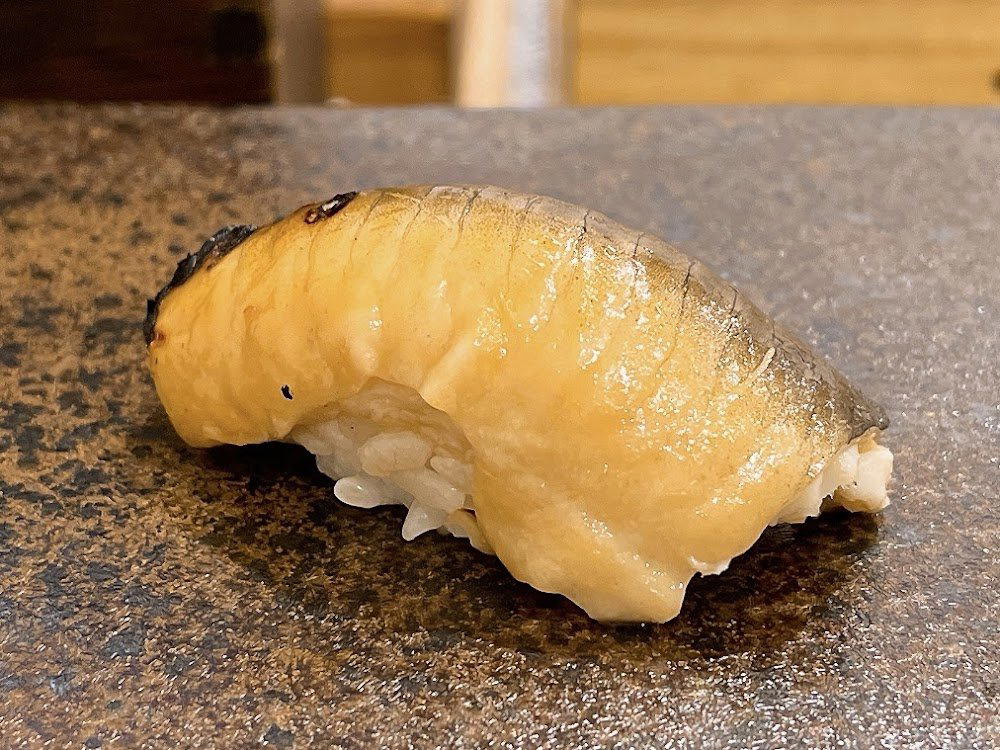
Sushisho operates as an omakase counter, meaning the chef determines every piece served that evening, there is no à la carte menu and no signature dish in the conventional sense. The format itself is the point: guests at the Marunouchi Hills counter eat what the kitchen deems best on that day, guided by seasonal availability and the chef's sequencing logic.
Do I need a reservation for Sushisho?
Yes. Counter omakase restaurants at this level in Nagoya, particularly those on upper floors with limited seating, do not accommodate walk-ins. Booking well in advance is standard practice, and the Marunouchi Hills location adds a layer of discretion that makes the venue harder to locate without prior planning.
What makes Sushisho worth seeking out?
Nagoya rarely enters the conversation when international visitors plan a sushi itinerary across Japan, the city's reputation runs to miso-braised dishes and hitsumabushi. A counter like Sushisho, positioned in the central Marunouchi business district, represents the quieter thread of Nagoya dining: serious technique without the crowds or press attention of Tokyo or Osaka equivalents.
Is Sushisho good for vegetarians?
The omakase format at a traditional sushi counter is structured around fish and seafood, and Sushisho is no exception. Guests with dietary restrictions should communicate their requirements directly at the point of reservation, substitutions at this level of counter dining are handled on a case-by-case basis, not assumed.
Is a meal at Sushisho worth the investment?
Counter omakase in a city like Nagoya, where the dining scene sustains genuine craft without the price premium baked into Tokyo's most-visited addresses, tends to offer strong value relative to comparable experiences in Ginza or Roppongi. The third-floor Marunouchi Hills setting and the omakase format signal a kitchen operating at a considered level, though prospective guests should confirm current pricing directly when booking.
Reputation First
Comparable venues nearby, for context on price, style, and recognition.
| Venue | Cuisine | Price | Awards | Notes |
|---|---|---|---|---|
| SushishoThis venue (the venue you are viewing) | Edo-style Sushi Omakase | Not listed | Tabelog 100 #33 | Not listed |
| 寿し道 桜田 | Edomae Sushi Omakase | $100–150 | Tabelog Bronze | Naka |
| Housa Saryo | Seasonal Japanese Kaiseki with Uni Specialties | $100–150 | Tabelog 100 #20 | Chikusa |
| TANAKA YAKINIKU RESTAURANTE | Modern Wagyu Yakiniku | $100–150 | Tabelog 100 #44 | Nakamura |
| Kyoto Kiccho Nagoya ten | Traditional Kyoto-style kaiseki | $150–200 | Tabelog 100 #52 | Nakamura |
| Taka Fuku Nagoya JR sentoraru tawāzu ten | Shabu-Shabu & Sukiyaki | $50–100 | Tabelog 100 #8 | Nakamura |
Recognition history
Dated appearances from independent guides and award organizations, with the underlying list record or original source where available.
Tabelog 100 #33 · No. 33
Tabelog · Tabelog 100 - Sushi - EAST - 2025