Omakase tempura highlights light batter and finesse.
- Address
- Japan, 〒451-0042 Aichi, Nagoya, Nishi Ward, Nagono, 1 Chome−23−2 1階南 四間道糸重
- Phone
- +81525264034
- Website
- kusunoki.in
- Directions
- Get directions

Nishi Ward Quiet, Nagoya Serious
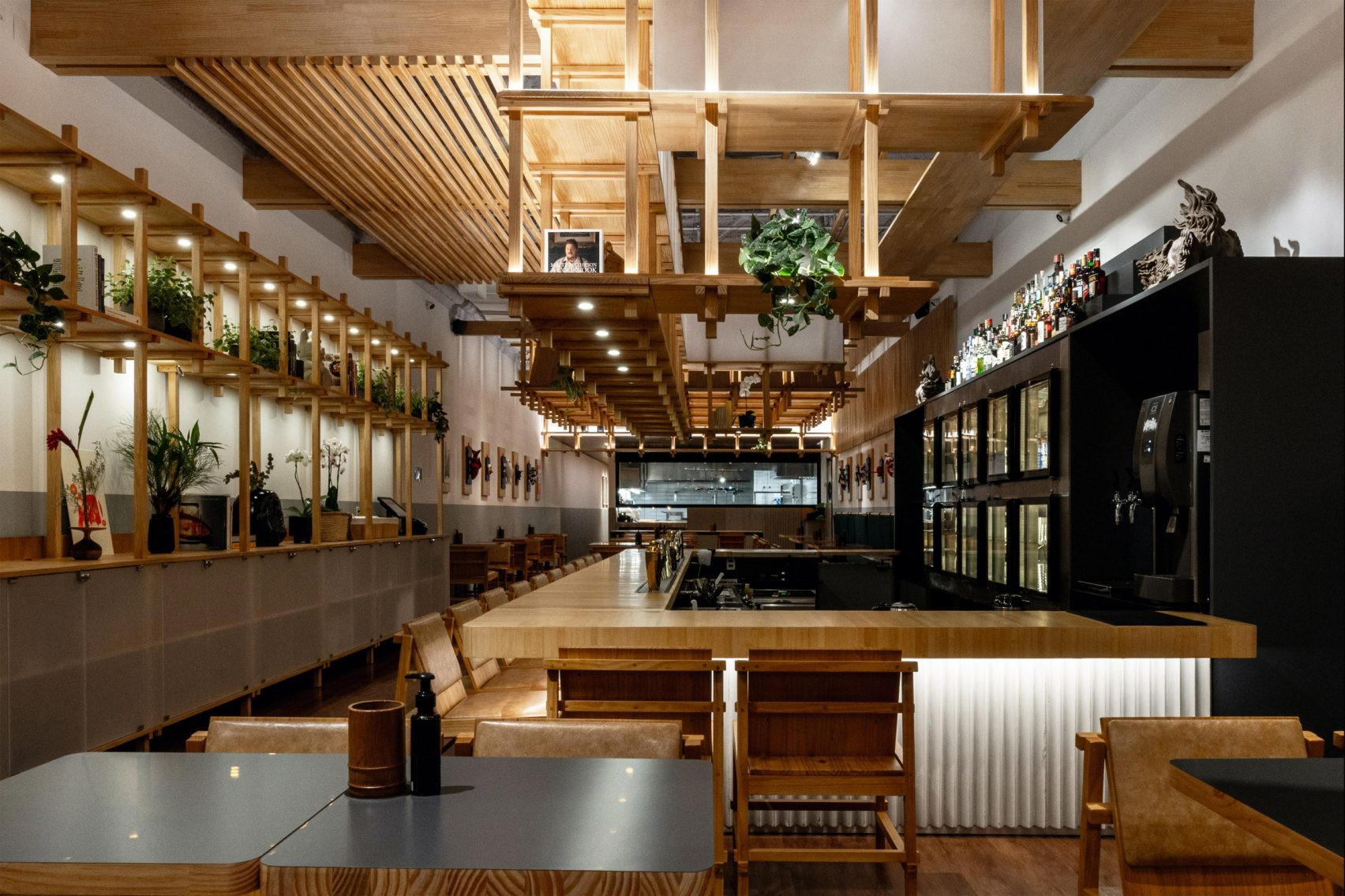
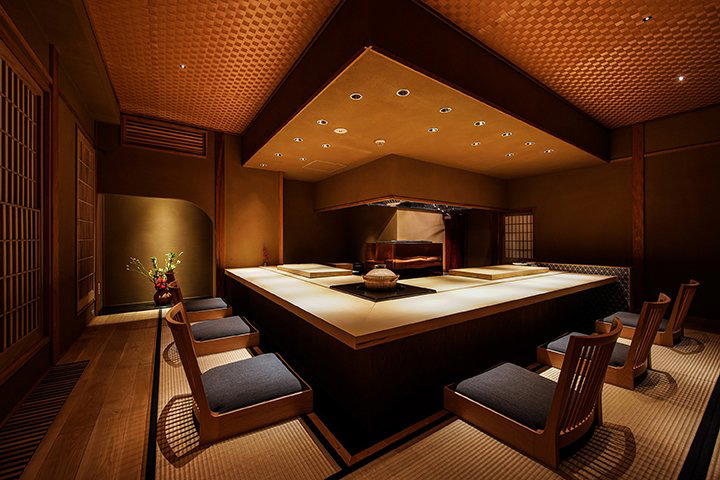
Kusunoki is a restaurant in Nagoya, Japan, serving tempura fine dining at a price point of about US$170 per person. The address places Kusunoki firmly outside Nagoya's central restaurant corridor. Nagano-cho in Nishi Ward is a residential pocket where the ambient noise is light traffic rather than Sakae neon, and the approach by foot from the nearest subway stop runs past shuttered shopfronts and low-rise housing blocks. That physical remove is not incidental. In Nagoya, as in Kyoto, the restaurants that operate at the upper end of the local dining conversation tend to embed themselves in quiet neighbourhoods, relying on a committed clientele rather than passing footfall. The room, when you arrive, reflects that logic: the scale is compact, the lighting measured, and the absence of street-level theatre is part of the register the experience is working in.
For comparative context, consider how Nagoya's dining scene has developed relative to its more-discussed neighbours. Gion Sasaki in Kyoto and HAJIME in Osaka carry internationally circulated Michelin credentials, and Harutaka in Tokyo sits at the tier where omakase has become a reservation-months-ahead exercise. Nagoya, Japan's fourth-largest city, has historically played a quieter hand in that conversation despite producing a serious dining culture rooted in its own distinct ingredient traditions. Kusunoki operates in this context: a city whose restaurant community is more insular than its population size might suggest, and more technically accomplished than its international profile implies.
The Collaboration at the Counter
The editorial angle most useful for understanding restaurants operating at this level in Japan is not the chef's biography but the dynamic between the kitchen and the room. Japanese service culture, particularly at small counters or intimate table-service formats, treats front-of-house as a craft parallel to the kitchen rather than subordinate to it. The coordination between what arrives on the plate and what information, drink, or pacing accompanies it from the floor is where the dining experience is actually constructed. At venues in this category across Japan, from Goh in Fukuoka to akordu in Nara, the coherence of that kitchen-to-floor relationship is what separates a technically accomplished meal from one that reads as complete.
What distinguishes Nagoya's serious dining tier from Tokyo's busier market is a certain absence of performance anxiety. Restaurants here are not positioning themselves for international press cycles in the way that a Ginza counter might be. The team dynamic at venues like Kusunoki, operating in a ward where the clientele is largely local and returning, reflects a different kind of discipline: the consistency that comes from serving the same community over time rather than rotating through tourists seeking a trophy reservation. That regularity shapes both kitchen rhythm and floor confidence in ways that are harder to replicate at higher-volume or higher-turnover operations.
For a broader sense of how this team-led ethos functions across Japan's regional restaurant culture, the model appears at venues as different in format as a kaiseki house in Nanao and a ryotei-adjacent room in Takashima. The common thread is that the front-of-house is expected to read the pace of the kitchen and translate it for the table rather than simply deliver dishes on cue.
Nagoya's Culinary Position and What It Means for a Restaurant Like This
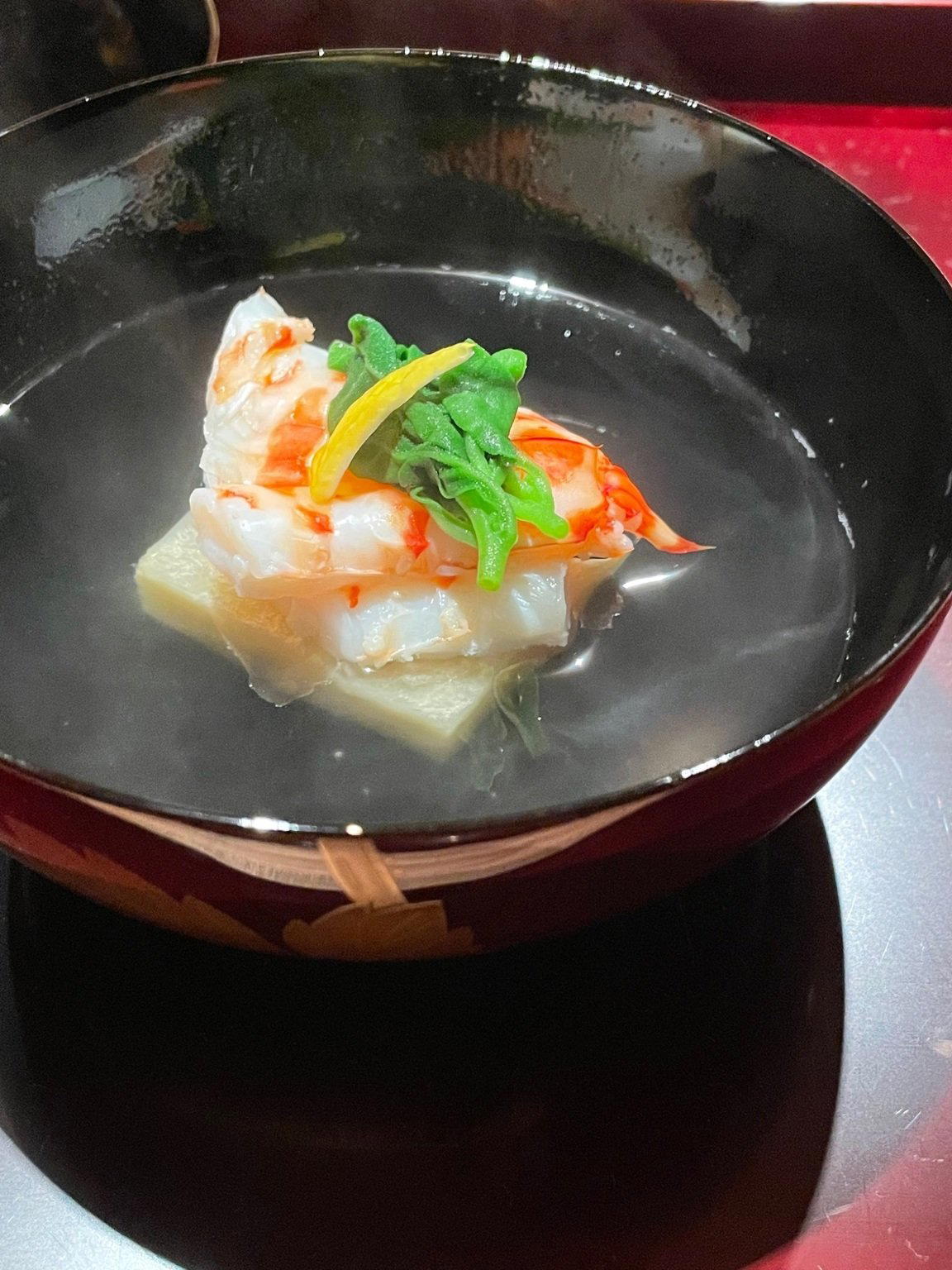
Nagoya cuisine carries a set of regional identifiers that are well-established: hatcho miso's depth, the fortified sweetness of mirin-heavy preparations, the local preference for ebi furai and kishimen in everyday contexts. At the level Kusunoki appears to occupy, those vernacular references typically serve as a foundation rather than a menu theme. The serious Japanese restaurants in this price and format tier tend to work with Nagoya's ingredient logic while operating within a broader kaiseki or contemporary Japanese framework, positioning themselves against peer restaurants in the regional cities rather than against the local teishoku tradition.
Compared to the Nagoya restaurants that EP Club tracks, the picture of the city's upper dining tier is eclectic. Atsuta Horaiken anchors the city's most documented dish, hitsumabushi, at an institutional level. Bacio and cucina Wada represent the Italian strand that Nagoya sustains at a level that would read as competitive in Tokyo's mid-tier. Chez Kobe and Cucina Italiana Gallura extend the picture further. The overall character of Nagoya's serious dining scene is one of quiet plurality: a city that supports a range of formats without any single one dominating the critical conversation.
Venues operating outside that plurality, in quieter wards with limited web presence and no English-language press, are not necessarily lesser. In Japan's regional cities, the absence of international profile is often a function of deliberate local orientation rather than quality ceiling. See also comparable quiet operators in Sapporo and Nishikawa Machi, where the same dynamic applies.
How Kusunoki Sits Within a Wider Japan Dining Trip
For a traveller building a serious Japan itinerary, Nagoya functions as either a primary destination or a logical stop on the Shinkansen corridor between Tokyo and Osaka. The city is thirty-five minutes from Kyoto by Nozomi and under ninety minutes from Tokyo. That accessibility makes it viable to include Nishi Ward dining in a trip structured around the more-documented cities without significant detour cost. The contrast in atmosphere between a Nagoya neighbourhood restaurant and a Ginza counter or Gion machiya is itself part of the value: the same technical tradition expressed in a different social register.
At the international reference points in the EP Club network, venues like Le Bernardin in New York and Atomix illustrate how a kitchen-floor collaboration model operates at maximum formality and press visibility. Birdland in Sakai shows the same discipline applied in a regional Japanese context closer in character to what Nagoya's quieter operators represent. The common thread is that the quality of the meal is a product of internal coherence rather than external recognition, and that coherence travels regardless of neighbourhood postcode.
Planning a Visit
Kusunoki's address in Nishi Ward's Nagono district places it a short taxi or subway ride from Nagoya Station. Reservations are essential.
A Pricing-First Comparison
Comparable venues nearby, for context on price, style, and recognition.
| Venue | Cuisine | Price | Notes |
|---|---|---|---|
| KusunokiThis venue — the venue you are viewing | Nishi, Tempura Fine Dining | $$$$ | Not listed |
| TANAKA YAKINIKU RESTAURANTE | Nakamura, Modern Wagyu Yakiniku | $$$$ | Not listed |
| Sushisho | Naka, Edo-style Sushi Omakase | $$$$ | Not listed |
| か茂免 | Not listed | $$$$ | Higashi, Traditional Japanese Kaiseki & Fugu |
| Japanese cuisine Kashizuki | Chikusa, Seasonal Japanese Kaiseki | $$$$ | Not listed |
| Setsugekka Nagoya | Nakamura, Premium Wagyu Niku Kappo | $$$$ | Not listed |
Continue exploring
More in Nagoya
Restaurants in Nagoya
Browse all →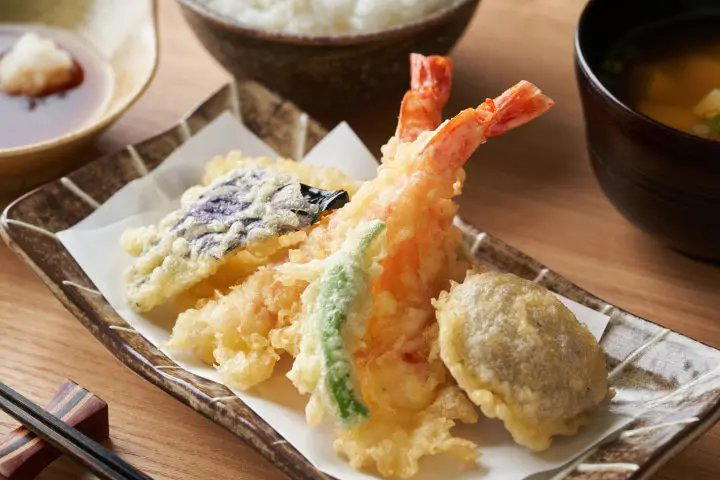

At a Glance
- Intimate
- Elegant
- Sophisticated
- Special Occasion
- Chefs Counter
- Sake Program
Intimate and reverent atmosphere focused on the chef's precise tempura preparation.