
Nagoya’s occasion-dining sushi tier is smaller and more controlled than Tokyo’s, with counter scale, reservation discipline, and award recognition doing much of the signalling. Sushi Ishiguro belongs in that conversation through a nine-seat, reservation-only format and selection for Tabelog 100 Sushi EAST 2025, making it a serious choice for milestone meals rather than casual sushi tourism.
Pearl is the En Primeur Club membership app — saves, bookings, and concierge access live there. Same editors, same standards.
- Address
- 2 Chome-40-11 Meieki, Nakamura Ward, Nagoya, Aichi 450-0002, Japan
- Phone
- +81 52-562-5500
- Website
- sushiguro.jp
 Saves & bookings on Pearl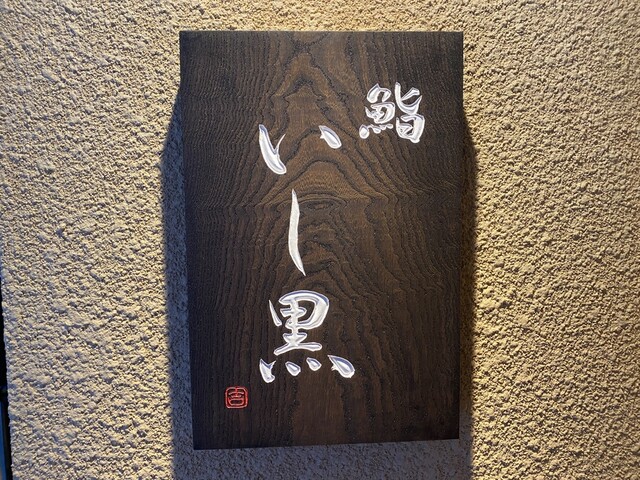
The strongest sushi rooms in Japanese cities announce themselves less through spectacle than through compression: a short counter, a narrow booking window, and a rhythm that makes the meal feel closer to a private performance than a restaurant sitting. In Nagoya, that format has a different charge than it does in Ginza or Nihonbashi. The city’s luxury dining culture is tied to business dinners, family occasions, and station-area convenience, so a serious sushi counter near Nagoya Station carries practical weight as well as culinary ambition.
Sushi Ishiguro fits that occasion-dining lane with unusual clarity. The room is built around nine seats, reservations are required, and the restaurant has been selected for Tabelog 100 Sushi EAST 2025, with an earlier selection in 2021. Those signals matter because Japan’s upper sushi tier is crowded with claims and short on easy comparisons. A Tabelog Hyakumeiten listing does not make a restaurant interchangeable with Tokyo’s trophy counters, but it places the address within a vetted national conversation, especially for travellers deciding where Nagoya’s serious sushi energy sits.
Nagoya Station sushi for milestone meals, not casual grazing
Meieki is not a romanticised backstreet dining district. It is Nagoya’s transport and business hinge, the place where Shinkansen arrivals, hotel check-ins, department stores, and corporate dinners overlap. That context shapes how high-end sushi works here. The meal needs enough ceremony for a celebration, enough efficiency for an evening built around travel, and enough confidence to justify choosing sushi in a city better known internationally for miso katsu, hitsumabushi, and chicken wings.
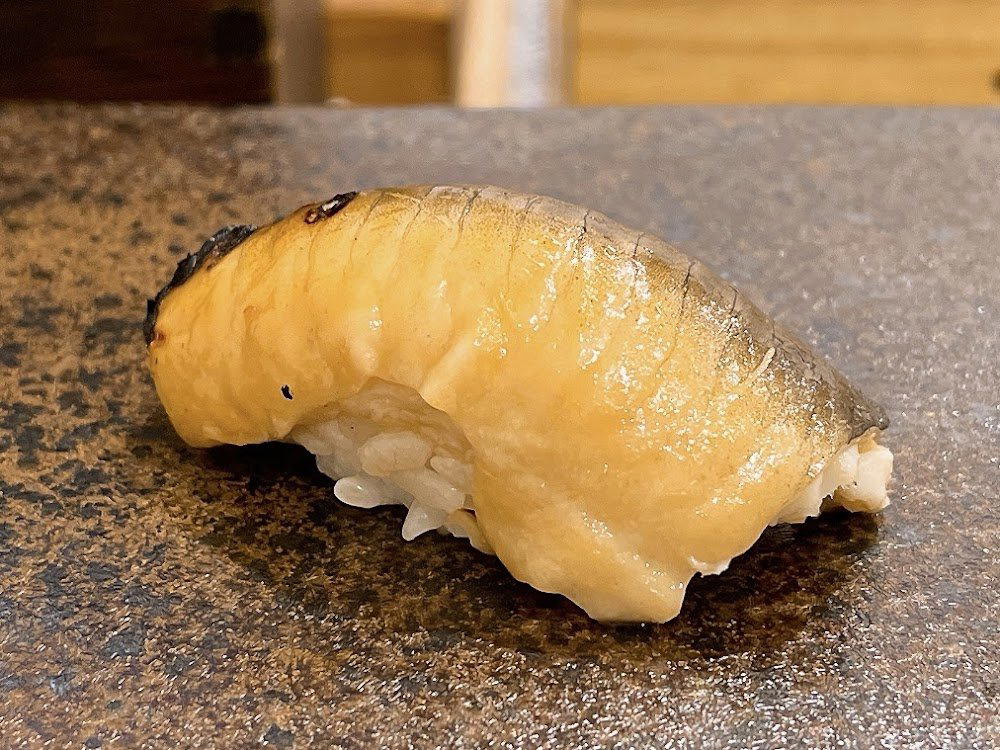
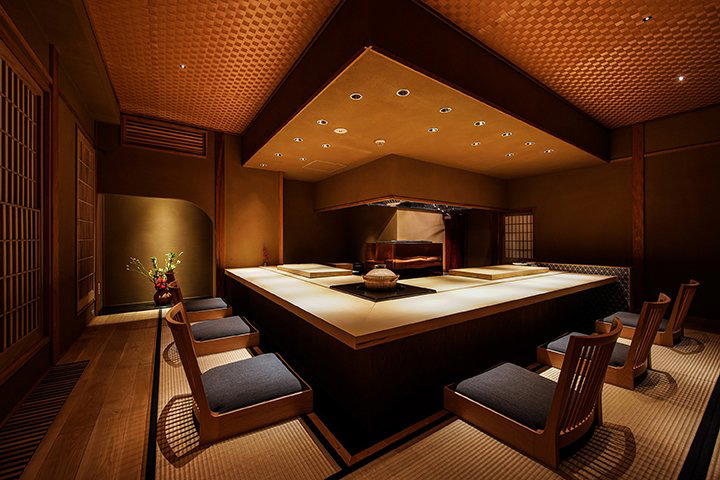
That is why the counter format carries the editorial point. With nine seats and no private rooms, the restaurant belongs to the small-room school of Japanese sushi rather than the banquet model. The decision is not about ordering broadly or grazing through a menu; it is about committing to a controlled sequence in a room where pacing, temperature, and timing are part of the value. For birthdays, anniversaries, and client dinners where the host wants structure without hotel-dining stiffness, this is the relevant category.
Within Nagoya, the comparison set splits sharply. O Dashi to Ginshari Chuka Soba Nito occupies an entirely different budget and tempo, closer to everyday noodle culture than occasion dining. Bar Neat Meieki ten answers the post-dinner cocktail question in the same station orbit, while Saitobi Hida Gyu Shabusuki Ya Bakuro Ichidai Nagoya WEST points toward beef-led group dining. Sushishunbi Nishikawa and Sushi Shumbi Nishikawa sit closer in category, but the broader point is that premium sushi in Nagoya is a narrower field than in Tokyo; award recognition and counter scale become more useful filters.
Edomae discipline outside Tokyo's gravitational pull
Edomae sushi has long travelled beyond Tokyo, but it changes character when transplanted into regional business cities. In Tokyo, the genre often competes through lineage, scarcity, and micro-neighbourhood prestige. In Nagoya, the stronger question is whether the counter can hold its own as a special-occasion meal without leaning on capital-city mythology. Selection for Tabelog 100 Sushi EAST 2025 gives Sushi Ishiguro a public credential in that argument, and the restaurant’s Tabelog score of 3.66 adds another measurable signal for diners who use Japanese review culture as a sorting tool.
The drinks positioning also speaks to the meal’s role. Sake, shochu, and wine are all listed, with particular attention to sake and wine. That combination suits a counter where the guest may be marking a milestone rather than simply eating dinner after work. It also reflects a broader Japanese fine-dining pattern: sushi counters increasingly need to satisfy both the traditional sake drinker and the wine-literate traveller who expects pairings to move beyond default beer and nihonshu.
Opening in 2012 gives the restaurant a meaningful operating history without turning it into a nostalgia address. In a category where new counters can generate quick attention and disappear from serious rotation just as quickly, more than a decade of service offers a steadier signal. The 2021 and 2025 Tabelog 100 selections reinforce that continuity: this is not a single-season spike but an address that has remained visible inside Japan’s sushi conversation.
How to place it in a Nagoya dining itinerary
The right use case is a focused sushi evening built around Nagoya Station, especially for travellers staying in Meieki or moving through the city by rail. It is less suited to diners seeking a broad survey of Nagoya specialties in one night. For that, the city rewards a looser crawl across local formats. Here, the logic is narrower: choose it when the meal itself is the occasion, when a compact counter is preferable to a large room, and when Japanese award recognition matters more than English-language fame.
For a wider city plan, Our full Nagoya restaurants guide gives the stronger overview, while Our full Nagoya hotels guide, Our full Nagoya bars guide, Our full Nagoya wineries guide, and Our full Nagoya experiences guide help place the meal inside a fuller trip. Nearby and related restaurant pages include 1022, 451, Aaron, Alan., and All Day Dining Montmartre.
Travellers extending the Japan dining thread beyond Nagoya can compare different formats through -Grilled beef Sukiyaki- KAMAKURA TANUKIAN 鎌倉 たぬき庵 in Kamakura. 鮪と炭火焼き うお炭 秋葉原店 in Tokyo.cafe in Osaka.know in Kumamoto, (Shoku) Vietnam in Kawasaki, and [Curry Senmon Ten] Maruyama Kyoju. in Sapporo. Outside Japan, Jōdo Saké Bar in Los Angeles and Onigiri Time in Pasadena show how Japanese dining formats translate into California’s more flexible restaurant culture.
Just the Basics
Comparable venues at a glance for context.
| Venue | Cuisine | Price | Notes |
|---|---|---|---|
| Sushi IshiguroThis venue — the venue you are viewing | Not listed | $$$$ | Not listed |
| 橦木町 しみず | Higashi, Seasonal Gifu Kaiseki Omakase | $$$$ | Not listed |
| Myoan | Not listed | $$$$ | Higashi, Seasonal Japanese Kappo / Kaiseki |
| ふじさわ | Chikusa, Modern Japanese Sushi | $$$$ | Not listed |
| Sushi Shumbi Nishikawa | Nishi, Nagoya-style Omakase Sushi | $$$$ | Not listed |
| Yanagibashi Yakiniku Waniku | Nakamura, Kobe Beef Yakiniku Kaiseki | $$$$ | Not listed |
Recognition history
Dated appearances from independent guides and award organizations, with the underlying list record or original source where available.
Tabelog 100 #68 · No. 68
Tabelog · Tabelog 100 - Sushi - EAST - 2025
Continue exploring
More in Nagoya
Restaurants in Nagoya
Browse all →
At a Glance
- Elegant
- Quiet
- Intimate
- Sophisticated
- Date Night
- Special Occasion
- Business Dinner
- Solo
- Chefs Counter
- Standalone
- Design Destination
- Sake Program
- Sustainable Seafood
- Local Sourcing
Current opening hours
- Monday
- 6:30–10 PM
- Tuesday
- 6:30–10 PM
- Wednesday
- 6:30–10 PM
- Thursday
- 6:30–10 PM
- Friday
- 6:30–10 PM
- Saturday
- 11:30 AM–1 PM, 6:30–10 PM
- Sunday
- Closed
Hours can change for holidays and private events. Last verified .
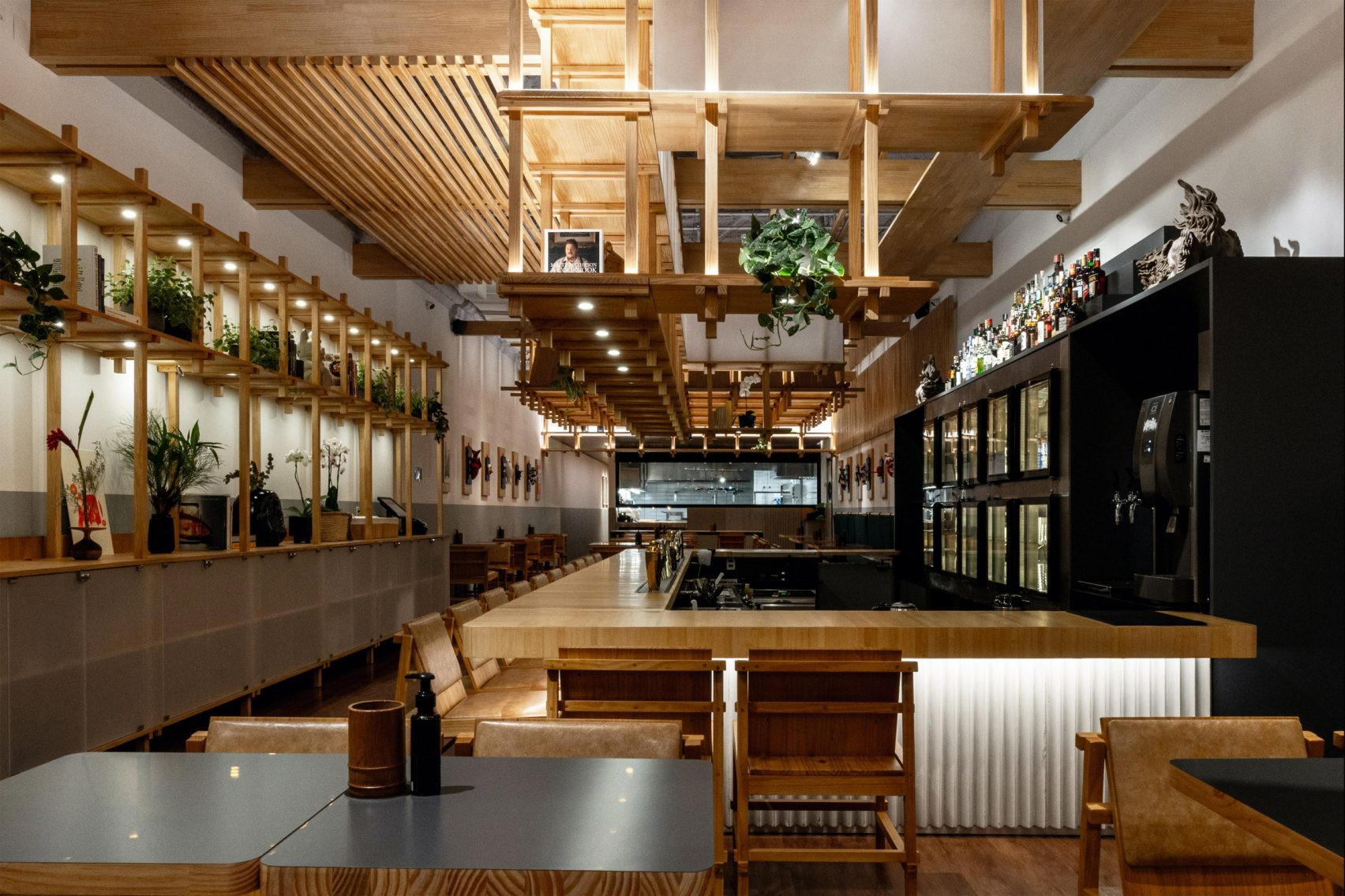
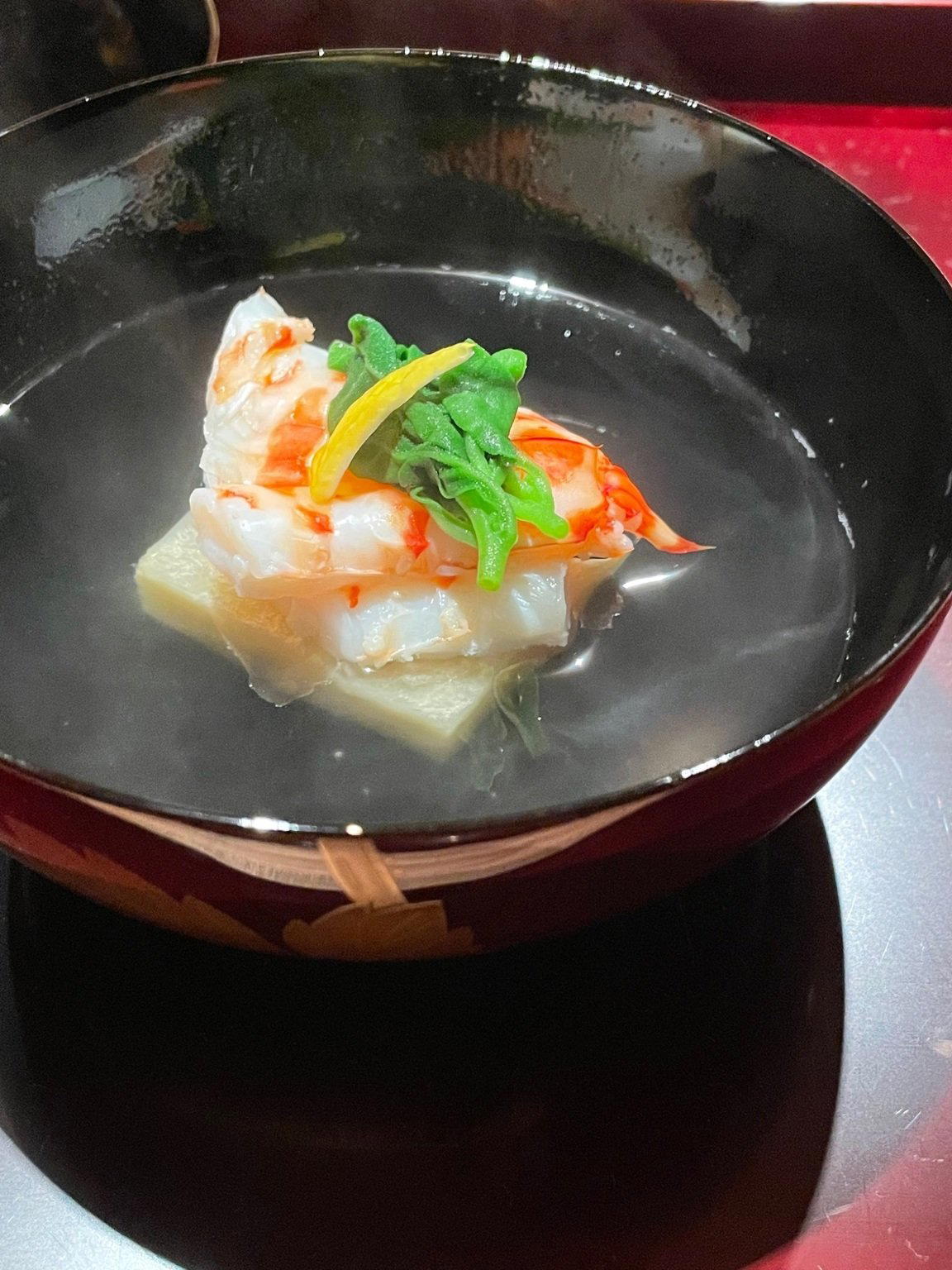
A small, refined Edomae sushi counter with a relaxed and elegant atmosphere, subdued lighting, and a calm, quiet mood designed for lingering over a focused omakase experience rather than casual dining.