天婦羅 佐々木 occupies a quieter residential pocket of Nakamura Ward, well away from Nagoya's central dining corridors. The address places it among a smaller tier of destination-style Japanese restaurants where the format and sourcing philosophy do more work than location or visibility. For tempura at this level in a mid-sized Japanese city, the commitment to seasonal produce and precise frying technique is what defines the experience.
Pearl is the En Primeur Club membership app — saves, bookings, and concierge access live there. Same editors, same standards.
- Address
- 2 Chome-21-3 Kamejima, Nakamura Ward, Nagoya, Aichi 453-0013, Japan
- Phone
- +81524531117
- Website
- restaurant.ikyu.com
- Directions
- Get directions
 Saves & bookings on Pearl
Tempura in the Provinces: What Nakamura Ward Tells You About Nagoya's Dining Geography
Nagoya's serious dining scene has never clustered the way Osaka's or Tokyo's has. Rather than a single high-density corridor of destination restaurants, the city distributes its better tables across residential wards, neighbourhood shopping streets, and low-profile second-floor addresses that reward research over accident. Nakamura Ward, where å¤©å©¦ç¾ åä¹ is located at 2 Chome-21-3 Kamejima, fits this pattern precisely. The ward is not where visitors instinctively look, and that is partly the point. In Japanese dining culture, the willingness to travel to a specific address rather than wander into something prominent is a form of signal, it indicates the kitchen is doing enough to justify the effort.
Tempura as a category occupies an interesting position in Japanese fine dining. It lacks the international profile of kaiseki or the media attention of high-end omakase sushi, yet at its most disciplined it demands the same level of sourcing precision, technical control, and seasonal responsiveness. The leading tempura counters in Japan time their menus around when specific vegetables, fish, and shellfish are at their densest and most flavourful, not when they are available, but when they are optimal. That distinction is what separates counter tempura at the upper end from the category's more casual expressions.
Sourcing as the Defining Variable
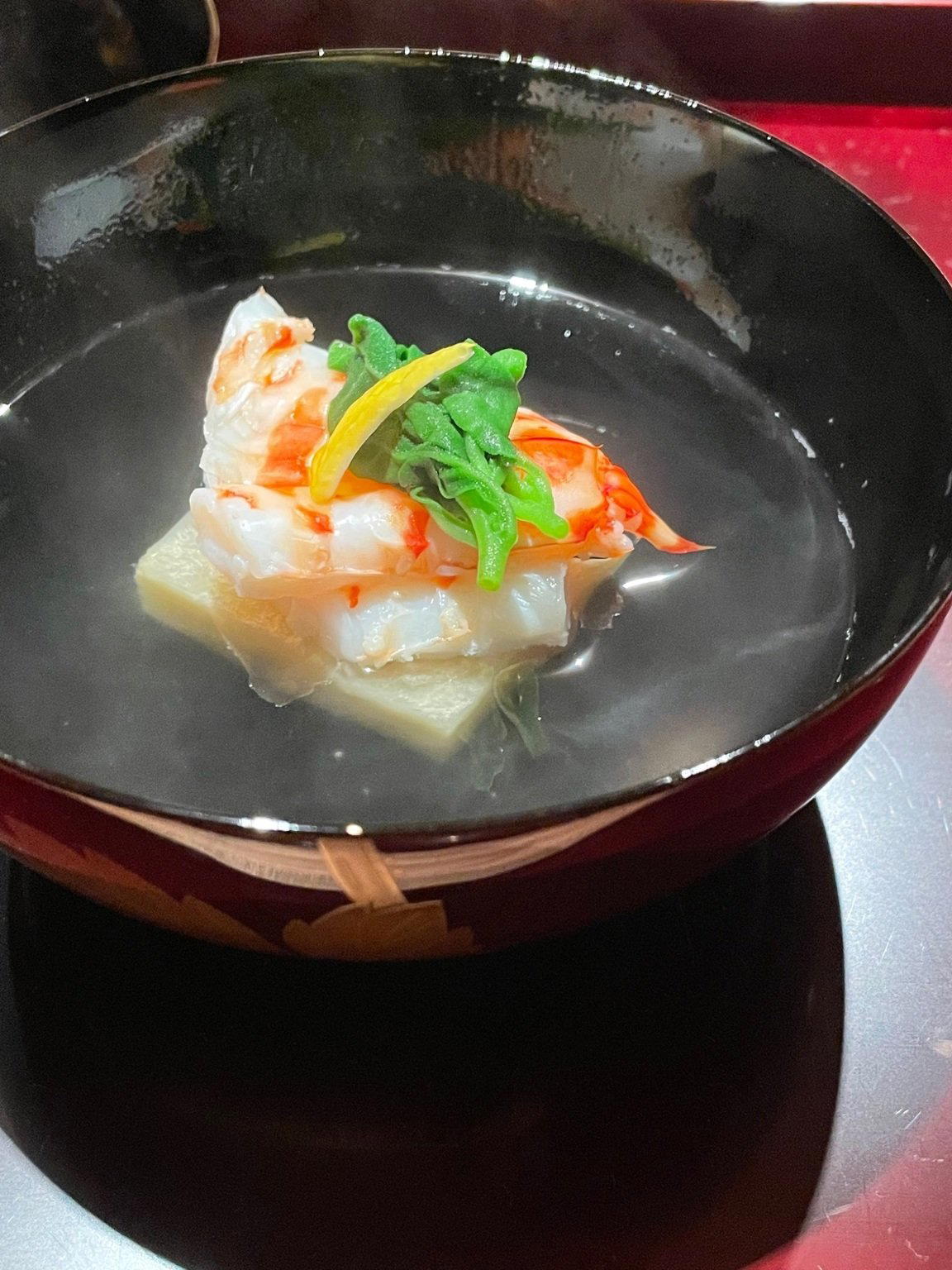
The ingredient sourcing question in Japanese tempura is not decorative. Tempura batter, by design, is thin and neutral: its job is to conduct heat efficiently and add texture without masking what sits beneath it. This means the quality and condition of the raw ingredient does almost all of the flavour work. A shrimp that is not at peak freshness, or a vegetable harvested days earlier rather than hours, will telegraph that fact through the batter immediately. There is no sauce-based correction available. This structural reality makes sourcing less of a marketing decision and more of a technical necessity at serious tempura counters.
In Nagoya specifically, this matters because the city sits within reach of several productive agricultural and coastal supply networks. The Chita Peninsula to the south provides seafood access; Aichi Prefecture as a whole has strong vegetable cultivation traditions. For a tempura kitchen operating at a destination level, proximity to these supply chains is a meaningful operational advantage. It shortens the time between harvest and service, which in tempura terms is a direct quality variable.
This sourcing-centred approach connects 天婦羅 佐々木 to a broader pattern visible at serious Japanese regional restaurants across the country. Consider Goh in Fukuoka, where proximity to Kyushu's fishing grounds shapes the entire menu architecture, or 一本木 石川制 in Nanao, where the kitchen's position on the Noto Peninsula gives it direct access to Sea of Japan seafood that metropolitan kitchens cannot match for freshness. Regional positioning, in the hands of a kitchen that understands it, becomes a culinary asset rather than a logistical limitation.
The Counter Format and What It Demands of a Diner
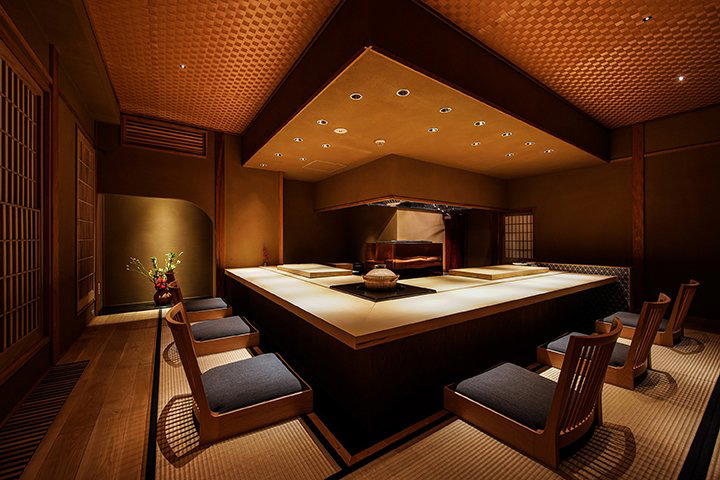
Destination tempura in Japan typically operates at a counter, where the cook fries each piece individually and passes it across the bar at the moment it is ready. This format is not theatrical in the way that some tasting-menu presentations are, it is functional. Tempura deteriorates within seconds of leaving the oil, and the counter arrangement is the only format that allows the diner to receive it at the correct temperature and texture. Eating tempura from a platter that has been assembled in the kitchen and carried to a table introduces a lag that undermines the entire technique.
This format also places demands on the diner. Pacing is set by the kitchen, not the guest. The sequence of ingredients follows the cook's reading of what is ready and what should come next. It is closer to omakase sushi in its dynamics than to a la carte dining, even if the category is different. For visitors accustomed to Nagoya's more accessible dining options, Atsuta Horaiken (あつた蓬莱軒 本店) for hitsumabushi or the Italian kitchens that have developed in the city, such as cucina Wada and Bacio, a dedicated tempura counter represents a more structured, format-specific commitment.
Nagoya's Tempura Counter in a National Context
Tempura at the counter level in Japan has its clearest concentration in Tokyo, where several multi-decade houses have defined what the format can achieve. But the category is not purely metropolitan. Serious tempura counters exist across Japanese cities, often with less visibility than their Tokyo counterparts but with sourcing relationships and technique that are fully competitive. Nagoya, as a city that has historically been somewhat underwritten in international food media despite its strong regional cuisine culture, has a number of kitchens operating below the attention they might receive in a more prominent food city.
This relative low profile is a consistent feature of Nagoya's dining scene. Restaurants like Chez Kobe and Cucina Italiana Gallura operate at a standard that would attract significant attention in Tokyo or Osaka, yet function in Nagoya's lower-visibility environment. The same dynamic applies to destination tempura. Compared to the media infrastructure around, say, Gion Sasaki in Kyoto or HAJIME in Osaka, Nagoya's serious restaurants receive less international documentation, which affects both their international booking demand and their perceived position in Japan's dining hierarchy.
For a traveller with the time to look past the city's most publicised dining options, the kishimen, miso katsu, and hitsumabushi circuit, this creates a practical opportunity. Reservation difficulty at Nagoya's serious Japanese counters is generally lower than at equivalent addresses in Kyoto or Tokyo. Harutaka in Tokyo and akordu in Nara illustrate how booking difficulty scales with international media attention; Nagoya venues have not yet reached that level of international demand pressure.
Planning a Visit
The Kamejima address in Nakamura Ward sits west of Nagoya Station, reachable in under ten minutes by subway on the Tsurumai Line from the station's underground connections. The area is residential rather than commercial, which means arriving early to explore the surroundings offers little in the way of supplementary dining or drinking. The visit to å¤©å©¦ç¾ åä¹ is, in practical terms, the occasion itself. Booking well in advance is advisable, as reservations are essential. Given the counter format and the pacing that comes with it, allow a full evening rather than treating it as a quick meal before another engagement.
Those interested in how other Japanese regional kitchens approach seasonal sourcing may also find value in the pages for 湖畔荘庵 in Takashima and 庄羽屋 in Nishikawa Machi, both of which operate with strong regional sourcing identities in less-visited Japanese cities.
How It Stacks Up
Comparable venues nearby, for context on price, style, and recognition.
| Venue | Cuisine | Price | Notes |
|---|---|---|---|
| å¤©å©¦ç¾ åä¹This venue — the venue you are viewing | Modern Kaiseki Omakase | $$$$ | Not listed |
| Tomi Sushi | Seasonal Sushi Omakase | $$$$ | Naka |
| Kikkou | Refined Sushi Omakase | $$$$ | Naka |
| Japanese cuisine Nao | Seasonal Japanese Counter Cuisine | $$$$ | Nishi |
| Kajikawa | Seasonal Japanese Kaiseki Counter | $$$$ | Chikusa |
| TANAKA YAKINIKU RESTAURANTE | Modern Wagyu Yakiniku | $$$$ | Nakamura |
Continue exploring
More in Nagoya
Restaurants in Nagoya
Browse all →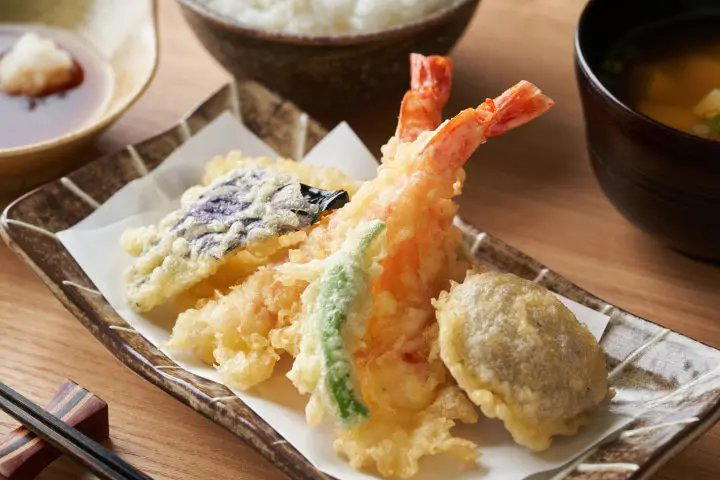

At a Glance
- Elegant
- Intimate
- Sophisticated
- Date Night
- Special Occasion
- Chefs Counter
- Sake Program
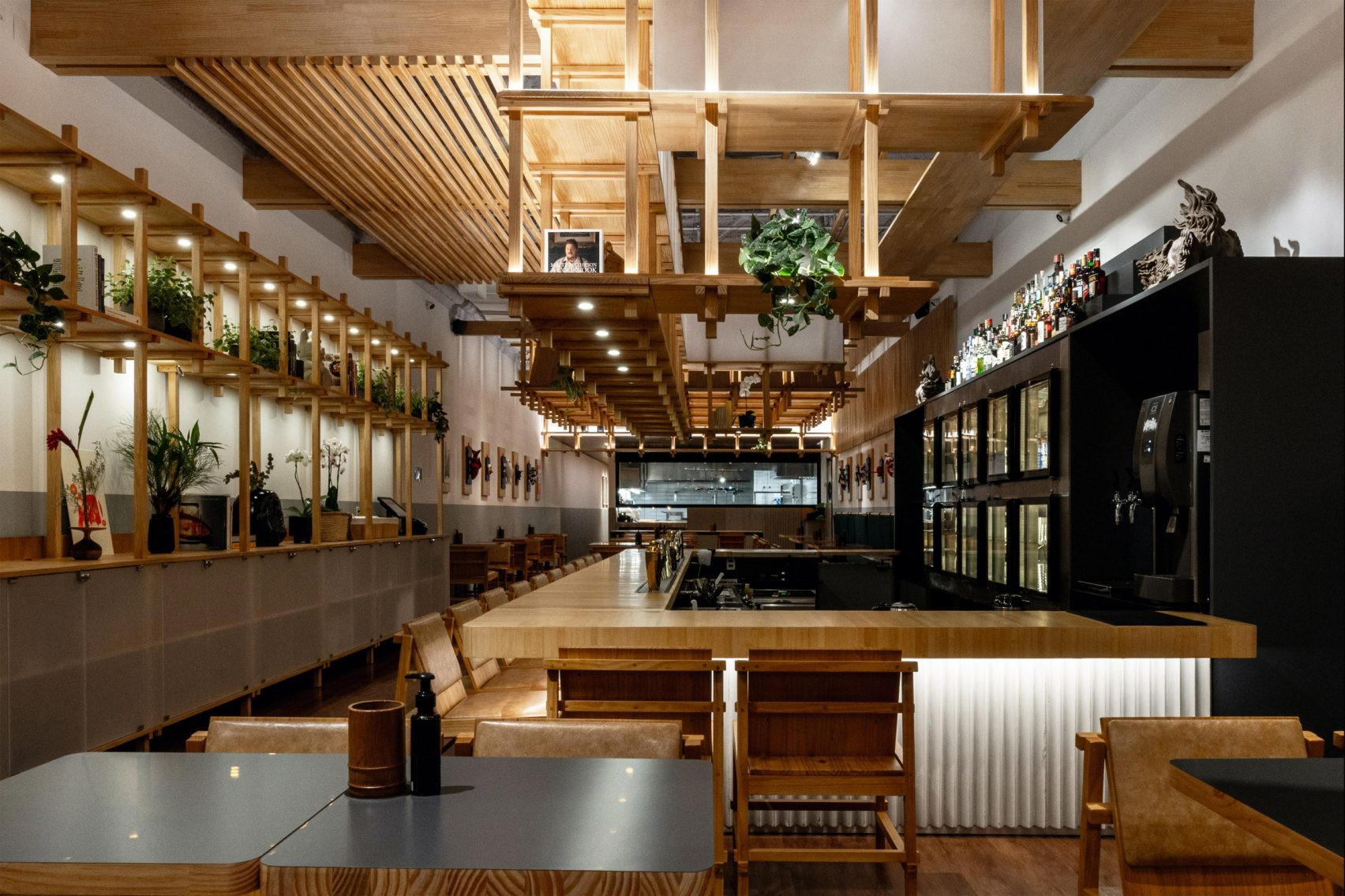
Dimly lit with minimalist Japanese decor, creating a serene and refined atmosphere focused on the culinary artistry.