
マガーリ occupies a ground-floor space on Odori Nishi 14-chome in Sapporo's Chuo Ward, where the Italian restaurant category has grown steadily more serious over the past decade. The room sits within a neighbourhood that rewards those willing to explore beyond the central dining strip, and the reservation picture here is worth understanding before you go.
Pearl is the En Primeur Club membership app — saves, bookings, and concierge access live there. Same editors, same standards.
- Address
- Japan, 〒060-0042 Hokkaido, Sapporo, Chuo Ward, Odorinishi, 14 Chome−1-14 neoビル 1F
- Phone
- +817052888172
- Website
- magari.myconciergejapan.net
- Directions
- Get directions
 Saves & bookings on Pearl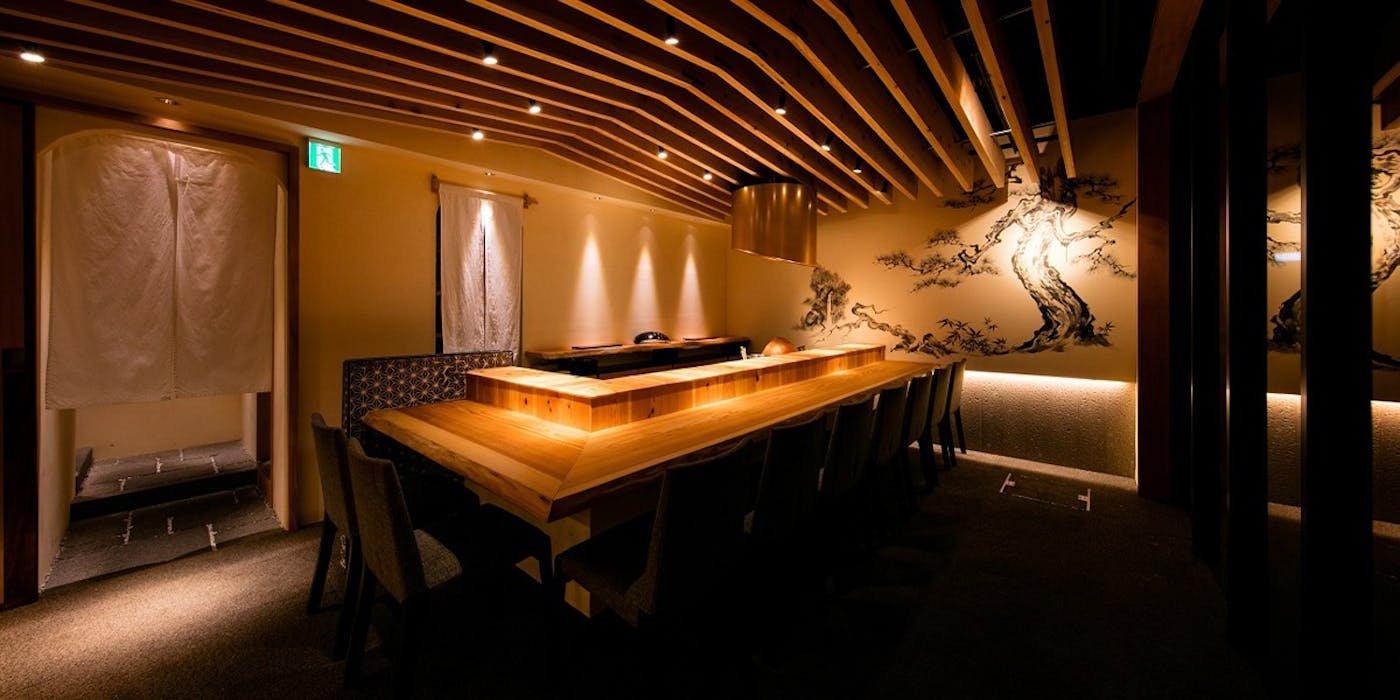
A Corner of Sapporo Where Italian Has Quietly Deepened
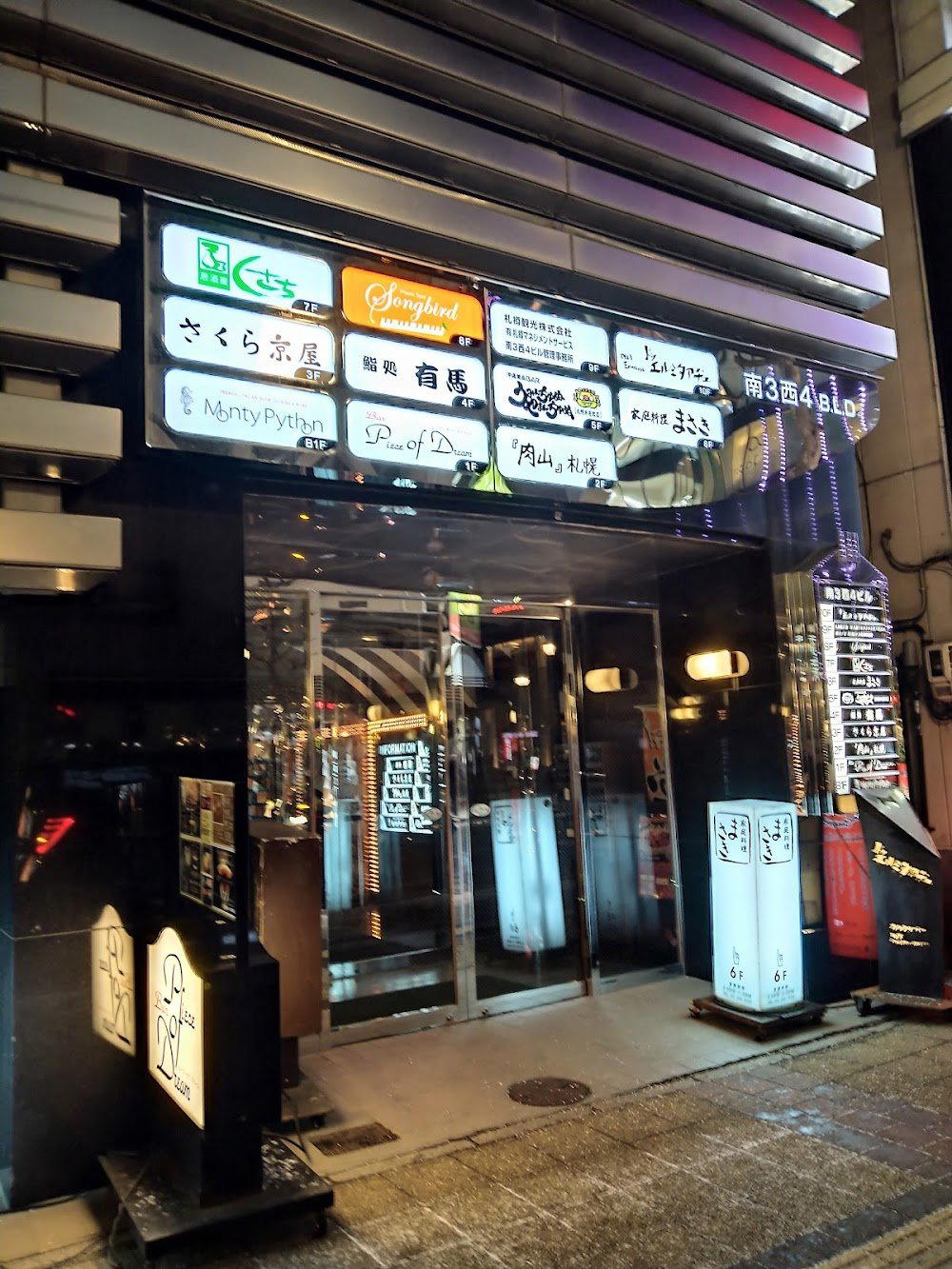
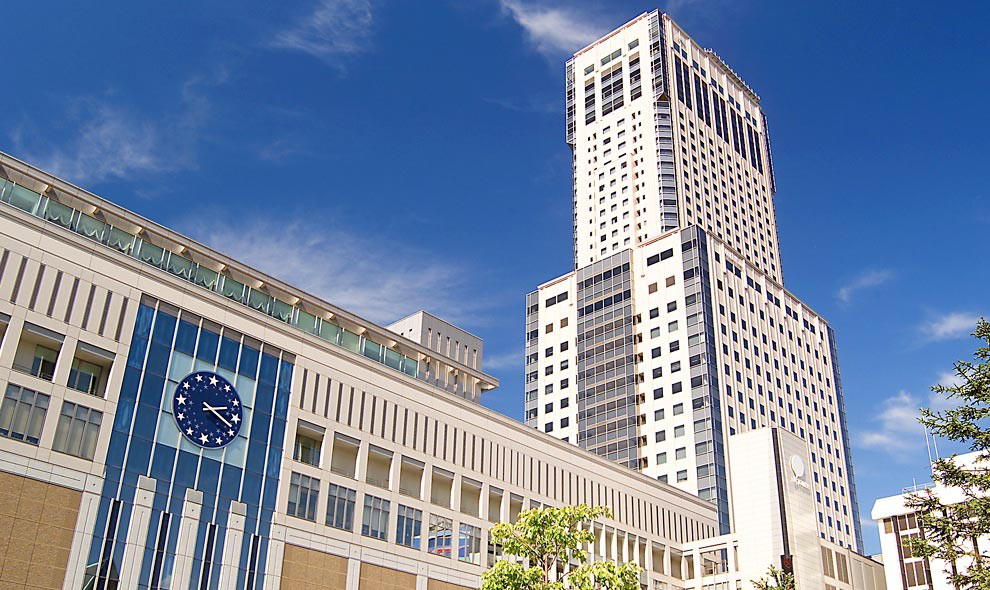
マガーリ is an innovative Italian restaurant in Sapporo, Hokkaido, with a price point of about US$130 per person. The neo building's ground floor announces マガーリ with restrained signage, the kind that assumes you already know where you're going. This part of Sapporo's Chuo Ward sits west of the more heavily trafficked restaurant corridors, and that positioning is not incidental.
Sapporo's dining scene has grown substantially in ambition since the 2010s. The city's access to Hokkaido's agricultural and seafood resources gives any kitchen working in a European idiom an obvious structural advantage: dairy from farms less than two hours away, sea urchin and crab from the surrounding waters, lamb and venison from the island's interior. Italian cooking, with its emphasis on ingredient quality over technique complexity, translates that advantage efficiently. Where kaiseki at Hanakoji Sawada or sushi at Arima works within formal Japanese frameworks, a restaurant like マガーリ can negotiate the same Hokkaido larder through a different set of references.
The Logic of the Room
Italian restaurants in Japan occupy a wider stylistic range than the category name implies. At one end sit trattoria-format operations built around pasta and wood-fired heat; at the other, multi-course tasting menus that position Italian cuisine as a framework for precision cooking, closer in ambition to what HAJIME in Osaka does with French structure or what akordu in Nara achieves with Basque-influenced progressions. Where マガーリ sits within that range is part of what makes the Sapporo Italian category worth reading carefully rather than assuming.
The neo building ground-floor address in Chuo Ward places the restaurant within reach of Sapporo's professional and cultural core without sitting inside it. This geography matters for understanding how a dining room functions on a Tuesday versus a Saturday, and how local regulars relate to the space differently from visitors arriving for a single meal. Restaurants that hold their own at that neighbourhood intersection without needing destination-diner foot traffic to sustain them tend to develop more coherent hospitality cultures over time.
Team Dynamics in a Japanese Italian Kitchen
The editorial angle most useful for understanding a restaurant like マガーリ is not the individual chef narrative but the structure of the working team. In Japanese fine-casual Italian operations, the division of labour between the kitchen and the front of house carries weight that's easy to underestimate. Sommeliers at this tier of the Sapporo dining scene are increasingly expected to build programmes that reflect regional Japanese producers alongside Italian and natural European labels, a negotiation that requires genuine knowledge in both directions. The floor team's capacity to explain that curation to a customer who arrived without strong wine intentions is what separates a good meal from a coherent one.
This kind of internal collaboration characterises the Italian restaurants that have built lasting local reputations in Japan's regional cities. At Goh in Fukuoka, the integration of Japanese produce into a European menu has depended as much on how the front of house communicates that intention as on the kitchen's sourcing decisions. The same pattern holds in Sapporo, where the leading rooms feel like a shared project between the people cooking, the person managing the cellar, and the team reading the room. Whether マガーリ achieves that integration at the level its address suggests is the operative question for a first visit.
Sapporo's Italian Category in Peer Context
Sapporo's comparable set for Italian dining includes a range of formats. Venues like aki nagao and Hidetaka represent the kind of personal-format, precision-led cooking that has drawn critical attention to Sapporo's dining scene in recent years, while Higebozu occupies a different register entirely. For comparison beyond Hokkaido, the progression of Italian-influenced cooking at places like Harutaka in Tokyo or the produce-led European formats seen at Gion Sasaki in Kyoto suggest the range of references that serious regional restaurants are now measuring themselves against.
Further afield, the standard set by Le Bernardin in New York City for ingredient-led precision or by Atomix in New York City for tasting-menu coherence illustrates the international frame within which Japan's better regional restaurants now operate implicitly. Sapporo's Italian restaurants are not competing directly with those rooms, but the ambitious among them are aware of what that level of programme discipline looks like. Restaurants in smaller Japanese cities including venues like Bistro Ange in Toyohashi and Birdland in Sakai confirm that geographical remove from Tokyo or Osaka does not prevent serious culinary ambition from taking hold. The same logic applies here.
Other regional Japanese venues worth cross-referencing when calibrating expectations include 一本杉 川島酒造店 in Nanao, 湖畔荘 in Takashima, and 庄羽屋 in Nishikawa Machi, each of which demonstrates how regional settings can concentrate rather than dilute dining ambition when the right conditions are in place.
Planning a Visit
マガーリ is located at 14 Chome-1-14 Odori Nishi, Chuo Ward, Sapporo, on the ground floor of the neo building. The restaurant operates by appointment only.
Quick Comparison
Comparable venues nearby, for context on price, style, and recognition.
| Venue | Cuisine | Price | Notes |
|---|---|---|---|
| マガーリThis venue — the venue you are viewing | Innovative Italian with Hokkaido Ingredients | $$$ | Not listed |
| テアトロ ディ マッサ | Modern Italian Regional with Hokkaido Ingredients | $$$ | Chūō |
| ゴーシェ | French Wild Game Bistro | $$$ | Chūō |
| Gyo Sai | Seasonal Seafood Izakaya & Sake Bar | $$$ | Chūō |
| レ カネキヨ ビストロノミーフランセーズ | Bistronomie Française | $$$ | Nishi |
| Ni no Kura | Avant‑garde Sushi Omakase | $$$ | Chūō |
Recognition history
Dated appearances from independent guides and award organizations, with the underlying list record or original source where available.
Tabelog 100 #1 · No. 1
Tabelog · Tabelog 100 - Italian - EAST - 2025
Continue exploring
More in Sapporo
Restaurants in Sapporo
Browse all →
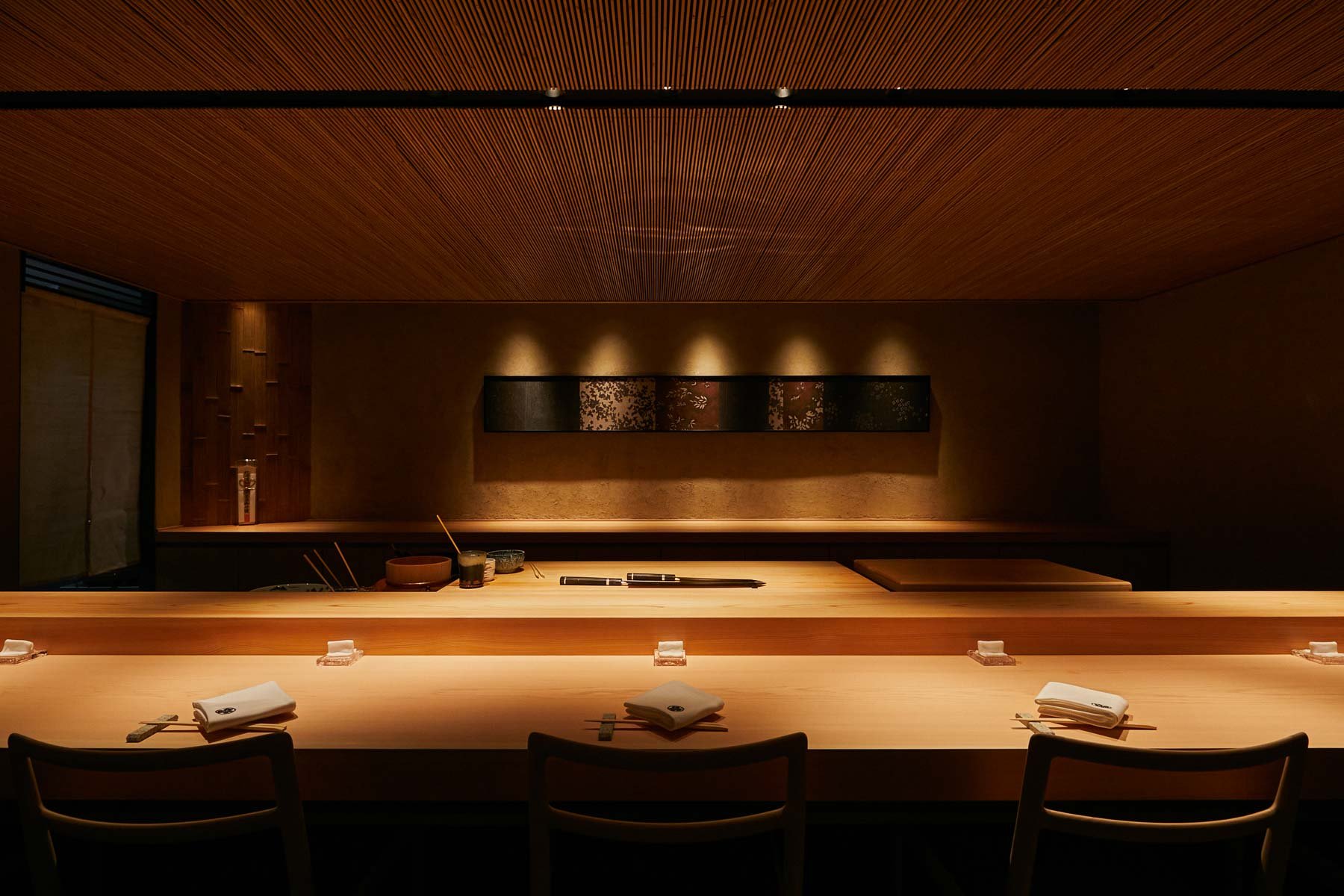
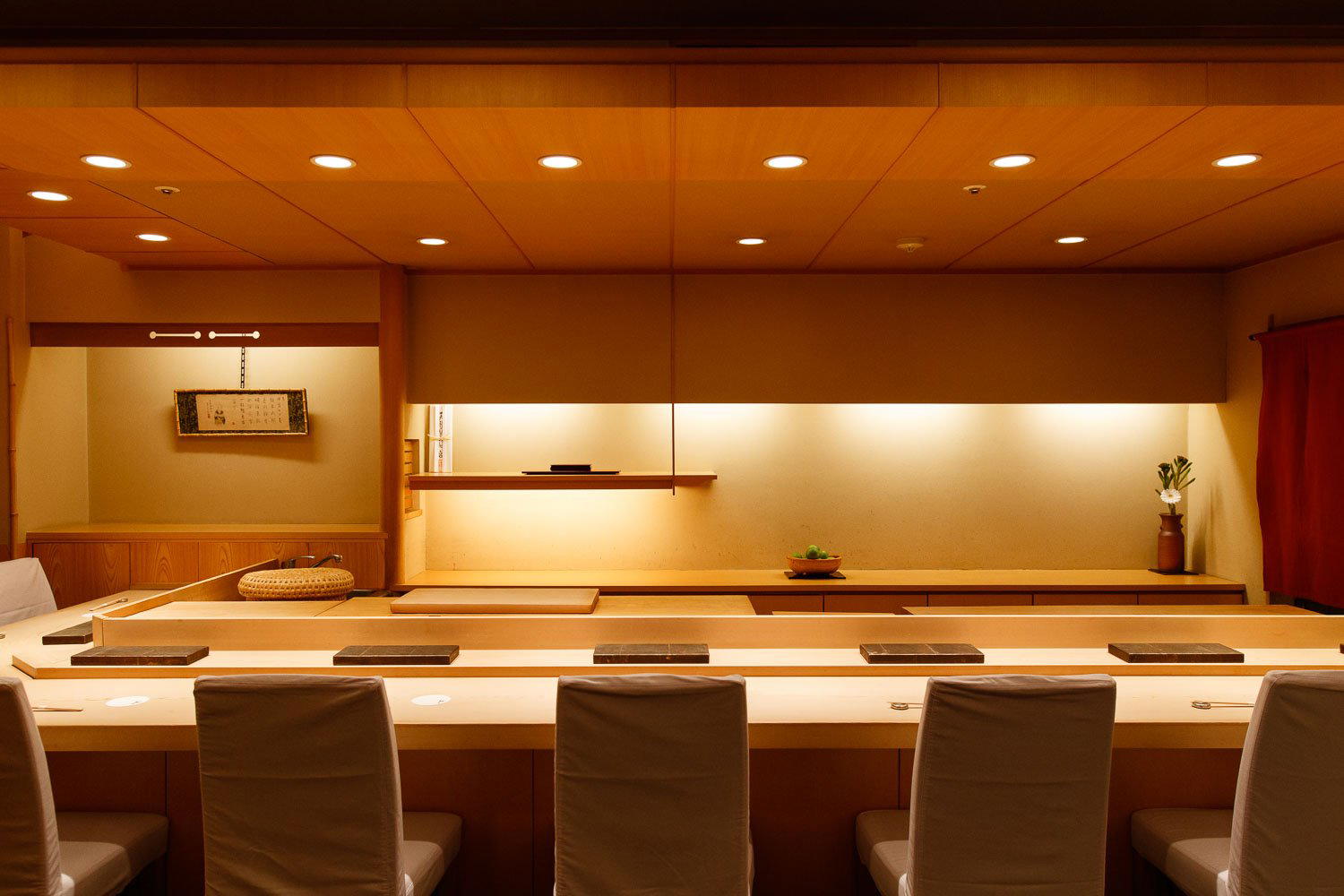
At a Glance
- Elegant
- Modern
- Intimate
- Sophisticated
- Date Night
- Special Occasion
- Business Dinner
- Chefs Counter
- Open Kitchen
- Beer Program
- Local Sourcing
- Farm To Table
Current opening hours
- Monday
- 12–2 PM, 6–10 PM
- Tuesday
- 12–2 PM, 6–10 PM
- Wednesday
- 12–2 PM, 6–10 PM
- Thursday
- Closed
- Friday
- 12–2 PM, 6–10 PM
- Saturday
- 12–2 PM, 6–10 PM
- Sunday
- 12–2 PM, 6–10 PM
Hours can change for holidays and private events. Last verified .
Ground-floor counter dining in a modern neo building with a refined, minimalist aesthetic and attentive service atmosphere.