
Gyo Sai belongs to Sapporo’s serious izakaya tier: fish-led cooking, sake and shochu as central players, and a small-room format that rewards diners who understand the rhythm of drinking food. Its Tabelog 100 Izakaya EAST selections in 2021, 2022, 2024, and 2025 place it in a competitive Hokkaido set where restraint, seafood sourcing, and bottle selection matter more than theatrics.
Pearl is the En Primeur Club membership app — saves, bookings, and concierge access live there. Same editors, same standards.
- Address
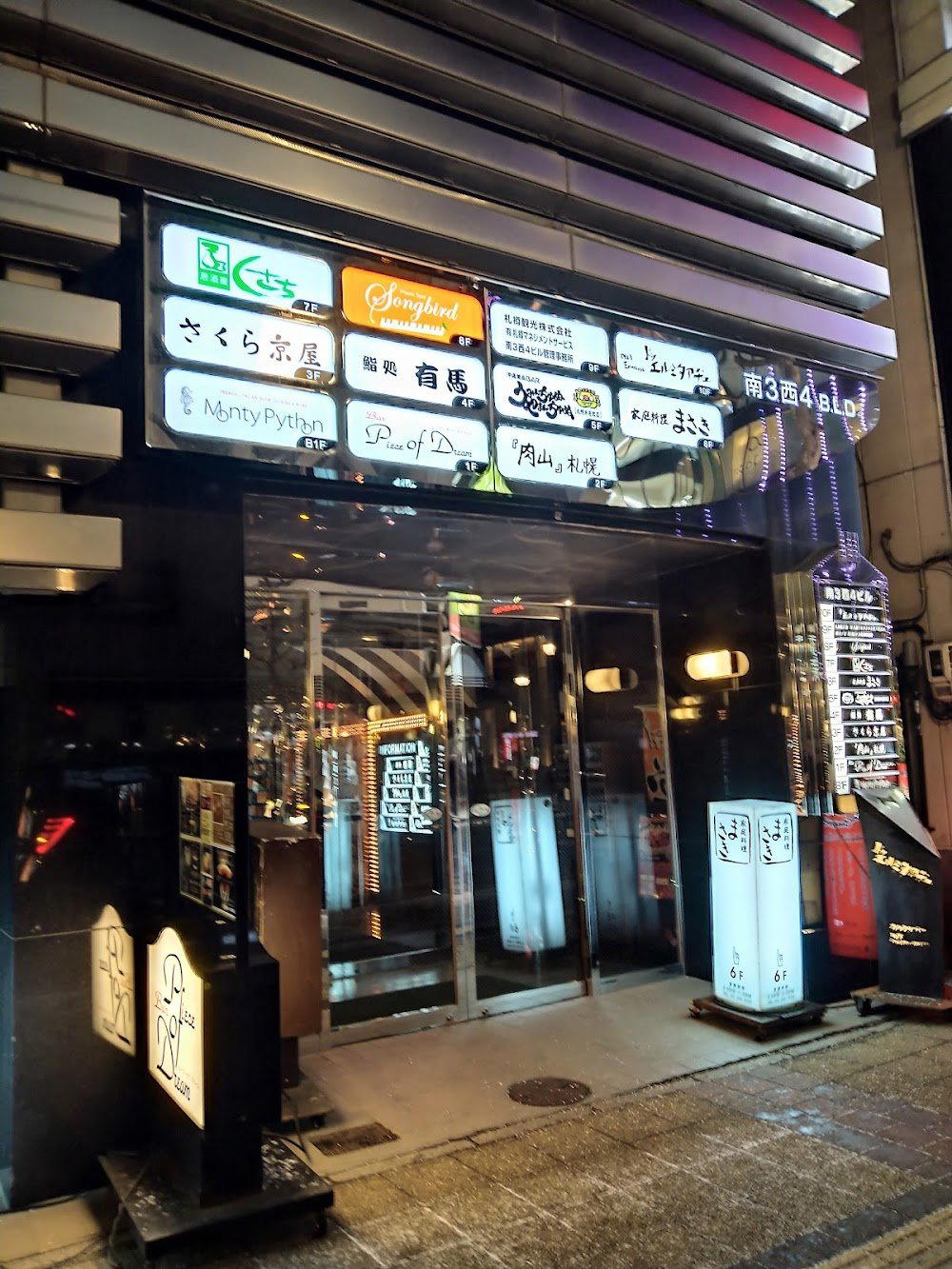
- 北海道札幌市中央区南三条西5 三条美松ビル 4F
- Phone
- +81112108588
- Website
- tabelog.com
 Saves & bookings on Pearl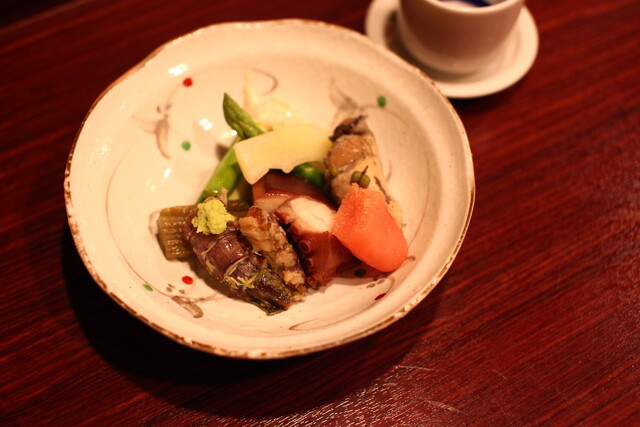
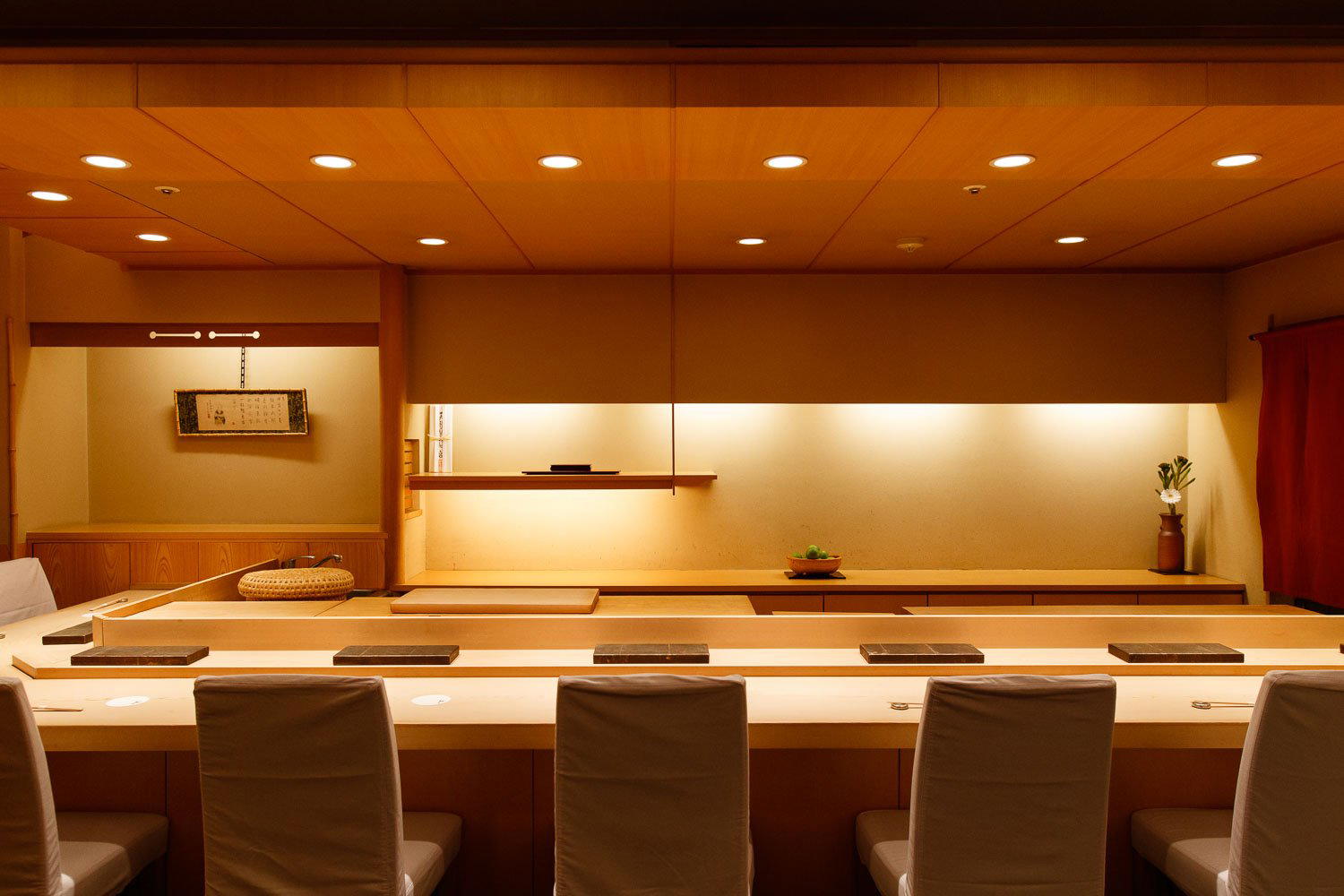
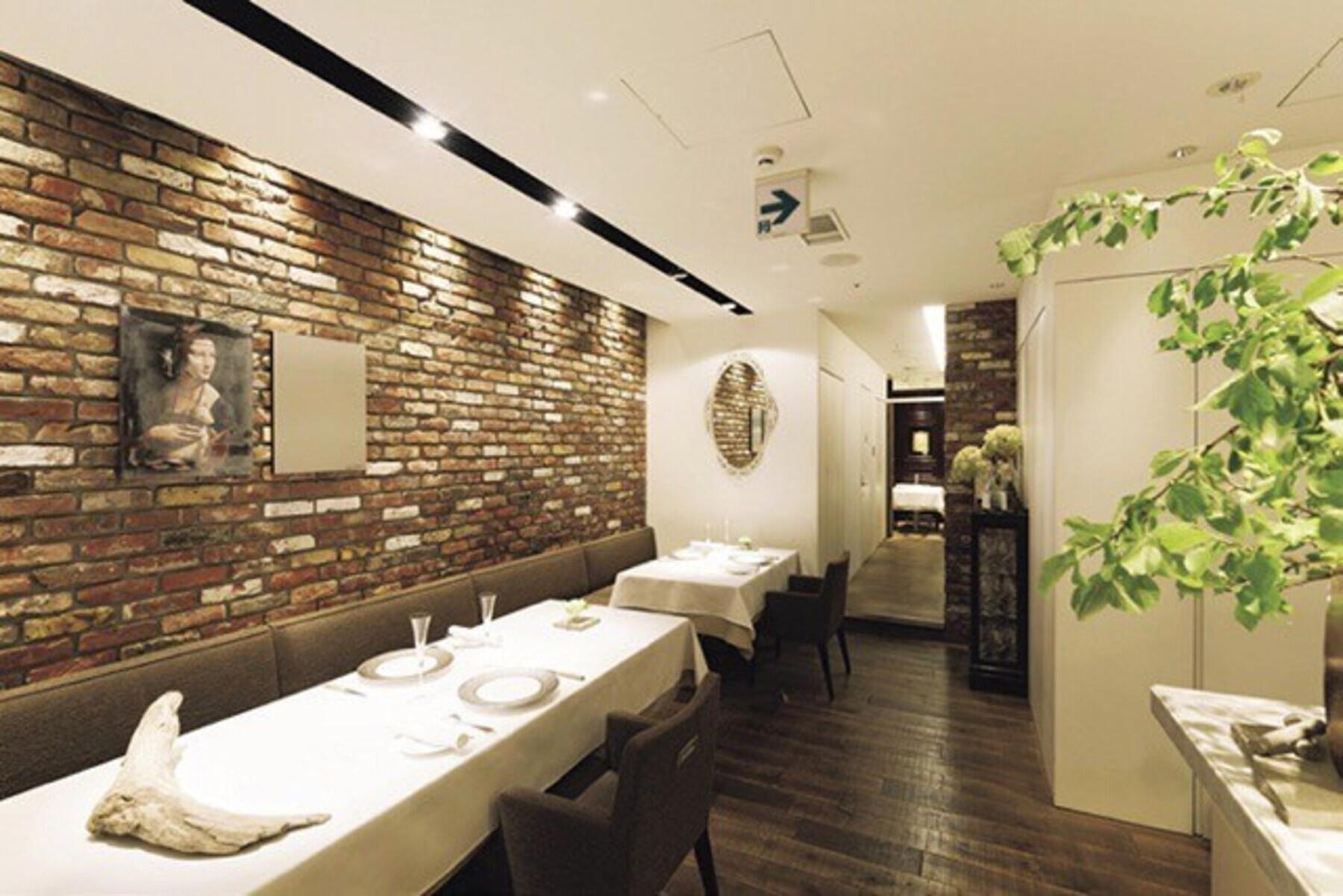
The room signals its intentions before the meal becomes about plates. Counter seats put the kitchen in view; tatami seating keeps the evening social rather than ceremonial. In Sapporo, that distinction matters. The city has polished sushi counters and high-spend kappo rooms, but its izakaya culture works on a different register: food built for drinking, seafood treated as daily currency, and service that assumes the table will move at the pace of conversation.
Gyo Sai sits in that smaller, more serious bracket of Sapporo izakaya: not a casual beer hall, not a tasting-menu restaurant pretending to be informal. The category listed around it is izakaya, Japanese sake bar, and Japanese cuisine, which is more revealing than a single cuisine label. This is the kind of place where the drinks program is not an accessory to dinner; it shapes the order of the meal.
Sapporo izakaya culture, seen through sake and fish
Hokkaido gives izakaya kitchens an advantage that Tokyo cannot copy in the same way. The region’s seafood identity is not a luxury pose; it is part of how everyday dining is understood. A fish-focused izakaya in Sapporo can sit close to the city’s drinking districts and still operate with the seriousness normally reserved for higher-formality Japanese counters. That is the useful lens for Gyo Sai. Its recognition in Tabelog 100 Izakaya EAST in 2021, 2022, 2024, and 2025 puts it among venues judged inside the izakaya category rather than against sushi, kaiseki, or French formats.
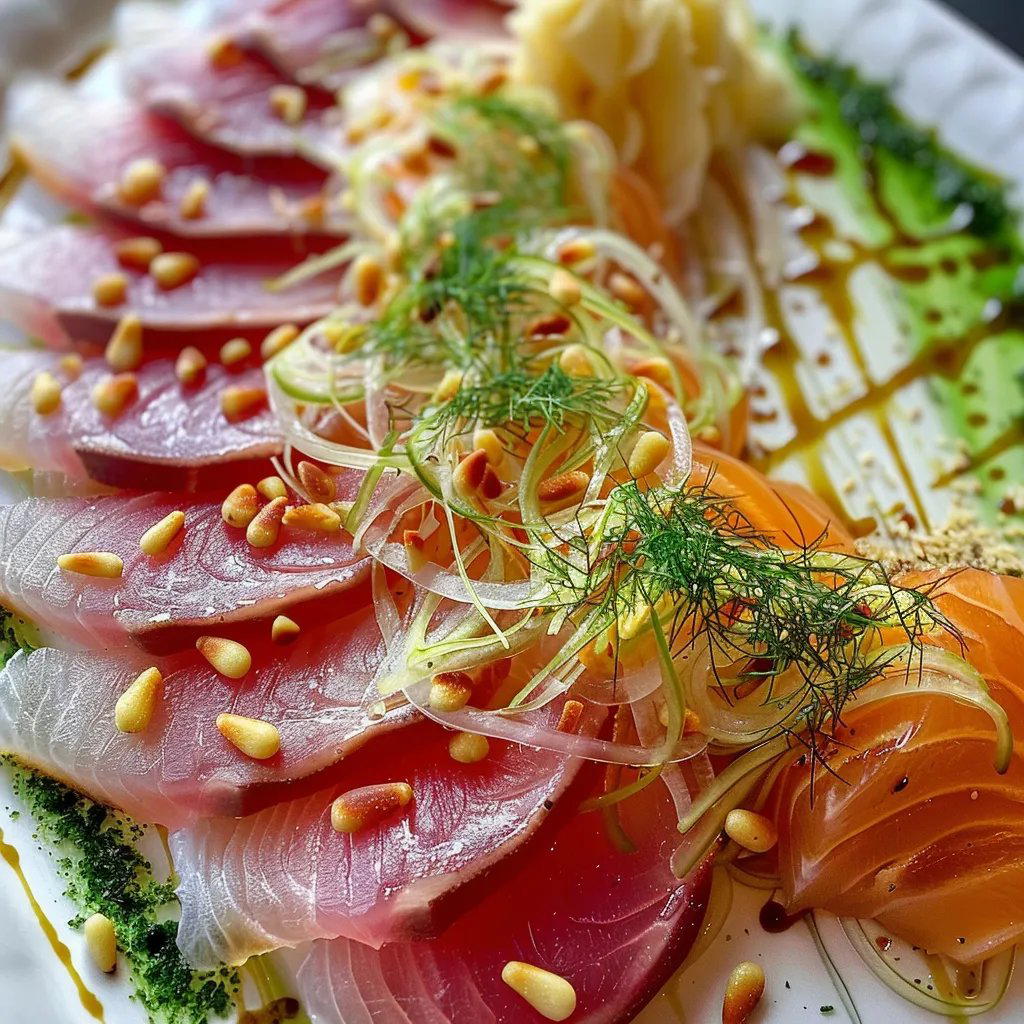
The wine-list assignment here translates naturally to sake. In Japan’s izakaya tradition, the cellar is often a sake refrigerator, and the act of curation is less about trophy labels than fit: acidity for fish, rice polish and body for richer cooked dishes, shochu for a longer evening. Gyo Sai’s drink identity is explicitly tied to sake from across Japan and shochu, which places it in the drink-led izakaya lineage rather than the food-only tavern lane. The stronger order is not to treat sake as a pairing afterthought, but to let the bottle choice determine how much raw, grilled, simmered, or fried food belongs on the table.
That approach separates it from other Sapporo dining decisions. Shinohei, at a higher dinner spend, competes in a different bracket. Arima and Sushi Ikkou belong to the sushi conversation, where the counter and rice define the meal. Deux Hermitage and Chinese Momiji sit closer on spend or informality but speak in other culinary languages. The restaurant’s value is category-specific: a compact izakaya with fish at the center and alcohol built into the premise.
A small-room format that rewards the right group
Scale changes the evening. With 20 seats split between counter and tatami, the room is built for diners who want proximity rather than anonymity. The counter suits anyone reading the kitchen as part of the performance; the tatami room makes more sense for friends settling into a slower sequence of drinks and shared dishes. This is why the occasion signal matters: the restaurant is repeatedly framed around dining with friends, not corporate ceremony or family dining.
The adult-drinking emphasis is part of the identity, not a footnote. Many Japanese izakaya can absorb a wide range of guests; this one is more clearly organized around alcohol. That matters for international travelers who sometimes approach izakaya as a general Japanese restaurant category. The better comparison is a serious wine bar with a kitchen, except the grammar is sake, shochu, fish, and small plates rather than Burgundy and charcuterie.
Recognition also needs context. Tabelog 100 is not Michelin, and it should not be read as a star system. It is more useful as a category filter: a signal that a venue has cut through a dense field of Japanese diners, repeat users, and local specialists. In Sapporo, where tourists often default to ramen, soup curry, crab, and sushi, a selected izakaya gives a different reading of the city’s appetite. It shows how locals drink with seafood rather than simply order seafood as a headline dish.
How to place it inside a Sapporo eating itinerary
For a food-focused trip, the restaurant works better as the night built around sake than as a stop between bigger plans. Sapporo rewards sequencing: ramen after drinks, curry on a separate lunch, sushi when the budget and timing allow. The city’s range is easy to underestimate, which is why a serious itinerary might move from 175°DENO Tantanmen Sapporo kitaguchi ten to [Curry Senmon Ten] Maruyama Kyoju., or compare older curry traditions through Ajanta Indo Curry Ten and Ajanta Sohonke. Bread and pastry have their own northern argument at Aigues Vives.
Seen that way, the izakaya is not filler between destination meals. It is the part of the trip that explains how Sapporo eats after work, after shopping streets thin out, and after the day’s appetite turns toward bottles. For wider planning, use Our full Sapporo restaurants guide alongside Our full Sapporo hotels guide, Our full Sapporo bars guide, Our full Sapporo wineries guide, and Our full Sapporo experiences guide. The broader Japan file can stretch from -Grilled beef Sukiyaki- KAMAKURA TANUKIAN 鎌倉 たぬき庵 in Kamakura and. 鮪と炭火焼き うお炭 秋葉原店 in Tokyo to.cafe in Osaka.know in Kumamoto, (Shoku) Vietnam in Kawasaki, and [ki:] in Kyoto. For sake beyond Japan, Jōdo Saké Bar in Los Angeles and Onigiri Time in Pasadena show how the category travels, though Sapporo’s fish-and-sake logic remains its own argument.
Cuisine Context
Comparable venues by category and price.
| Venue | Cuisine | Price | Notes |
|---|---|---|---|
| Gyo SaiThis venue — the venue you are viewing | Seasonal Seafood Izakaya & Sake Bar | $$$ | Not listed |
| Gyu no Ishizaki | Wagyu sukiyaki & shabu-shabu | $$$ | Chūō |
| Ni no Kura | Avant‑garde Sushi Omakase | $$$ | Chūō |
| はなれ味重 | Traditional Kaiseki | $$$ | Chūō |
| Sumika | Japanese Yakiniku | $$$ | Chūō |
| Yakiniku Gurumans Ito | Yakiniku (Japanese BBQ) | $$$ | Chūō |
Recognition history
Dated appearances from independent guides and award organizations, with the underlying list record or original source where available.
Tabelog 100 #13 · No. 13
Tabelog · Tabelog 100 - Izakaya - EAST - 2025
At a Glance
- Cozy
- Intimate
- Lively
- Trendy
- After Work
- Casual Hangout
- Solo
- Date Night
- Business Dinner
- Standalone
- Sake Program
- Beer Program
- Local Sourcing
A small, non‑smoking hideout on the 4th floor with counter and tatami seating, warm and stylish izakaya lighting, and a relaxed but lively atmosphere centered around sake and carefully prepared seafood.