

Tabelog Bronze #430
Our verdict
Sapporo sushi becomes more persuasive when read through Hokkaido’s waters rather than Tokyo’s hierarchy. Sushikin belongs to the city’s small counter tradition: compact, reservation-led, award-recognised, and built for diners who want local seafood handled with discipline rather than theatre. Its Tabelog Bronze recognition and OAD recommendation place it in the serious tier of Susukino dining.

Pearl is the En Primeur Club membership app — saves, bookings, and concierge access live there. Same editors, same standards.
- Address
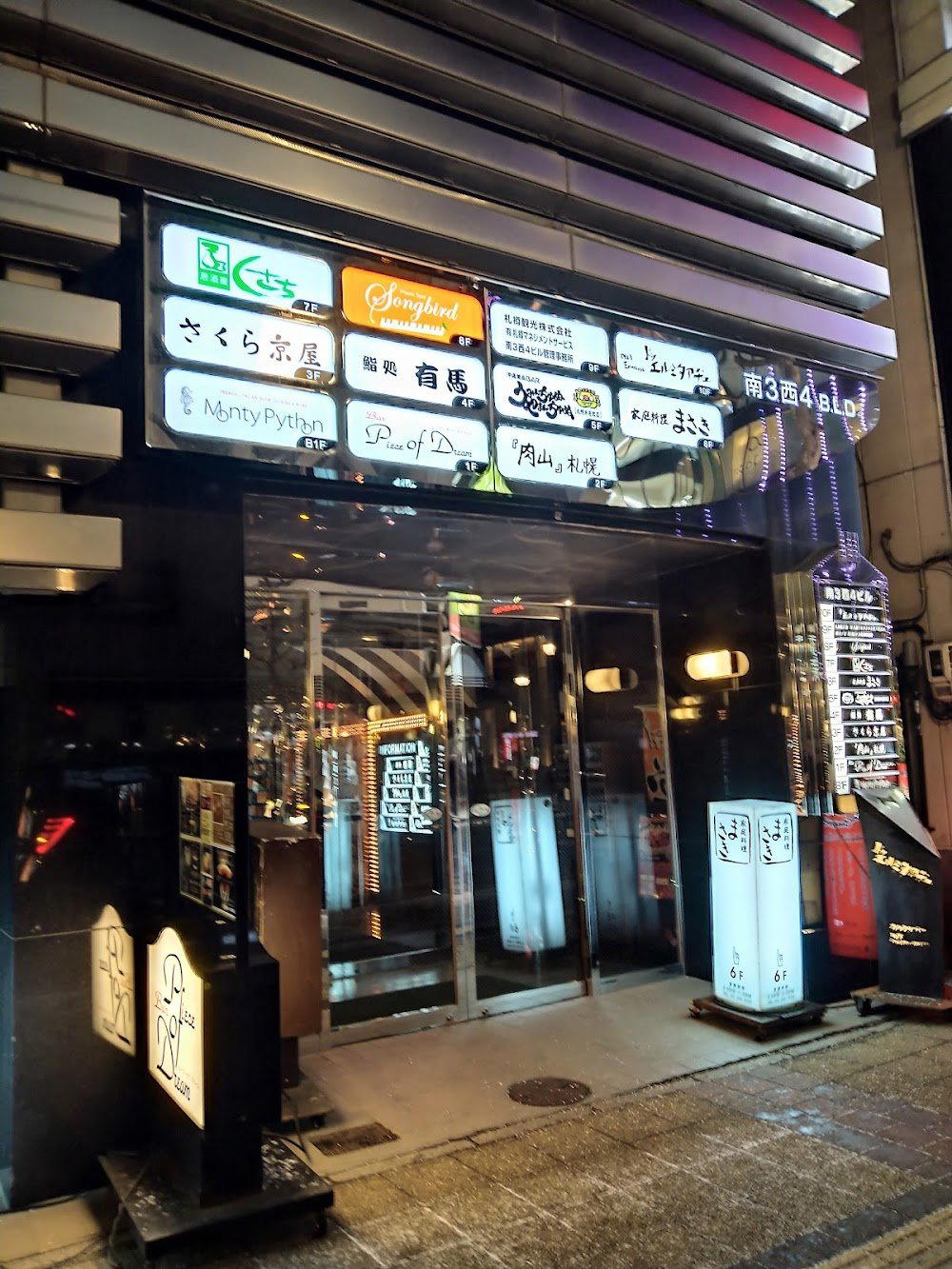
- 4 Chome-7 Minami 4 Jonishi, Chuo Ward, Sapporo, Hokkaido 064-0804, Japan
- Phone
- +81 11-251-9521
- Hours
- Mon–Tue 6–10 PMWed ClosedThu–Sun 6–10 PM
- Website
- tablecheck.com
- Directions
- Get directions
- Booking
- Book on TableCheck
The menu
What to order
- Hokkaido Uni Nigiri
- Seasonal Kani
- Chutoro
Susukino is often read through neon, late trains, and Sapporo’s after-dark appetite, but its serious sushi counters move quietly. Behind the district’s drinking culture is another rhythm: short counters, fixed pacing, and seafood that only fully makes sense in a city facing the cold northern Pacific, the Sea of Japan, and Hokkaido’s fishing ports. Sushikin belongs to that register, where the room is small enough for the counter to become the experience and sourcing matters more than decorative luxury.
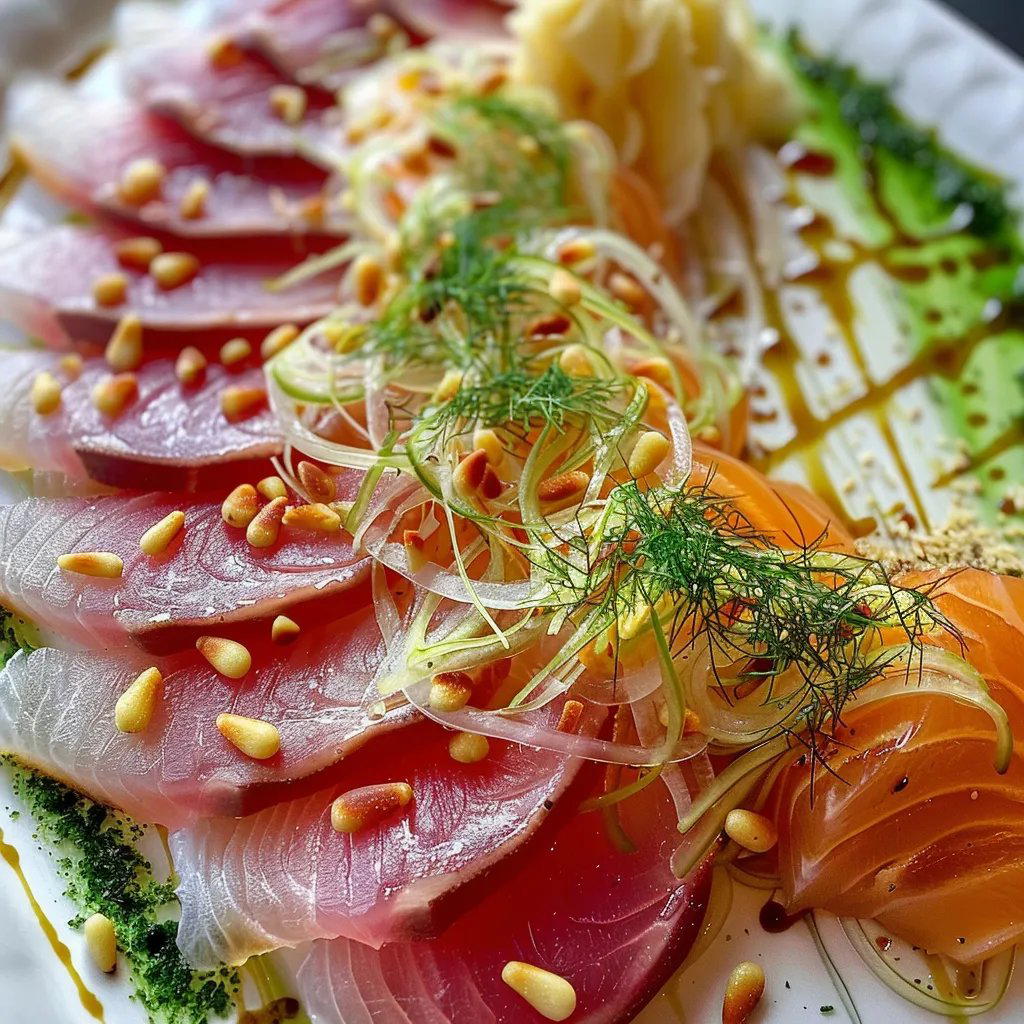
Hokkaido gives sushi chefs a different starting point from the Tokyo model. The point is not only prestige, but raw material. Sapporo diners sit close to crab, scallop, sea urchin, squid, salmon roe, and cold-water white fish that shape the region’s sushi identity. The stronger reason to eat sushi here is not that the city imitates Ginza, but that Hokkaido can make a counter feel place-specific before technique enters the conversation.
Hokkaido seafood, handled in the compact Susukino counter style
The city’s premium sushi scene is smaller and less internationally codified than Tokyo’s, so its serious counters depend more on local credibility. Sushikin’s public recognition gives that credibility shape: Tabelog Award Bronze in 2026, with earlier Bronze recognition in 2025, 2023, and 2022, plus selection for Tabelog Sushi EAST “Tabelog 100” in 2025, 2022, and 2021. Opinionated About Dining also lists it in the 2026 OAD Top Restaurants in Japan Recommended group. Those signals do not explain the meal, but they place the restaurant where repeat local attention matters.
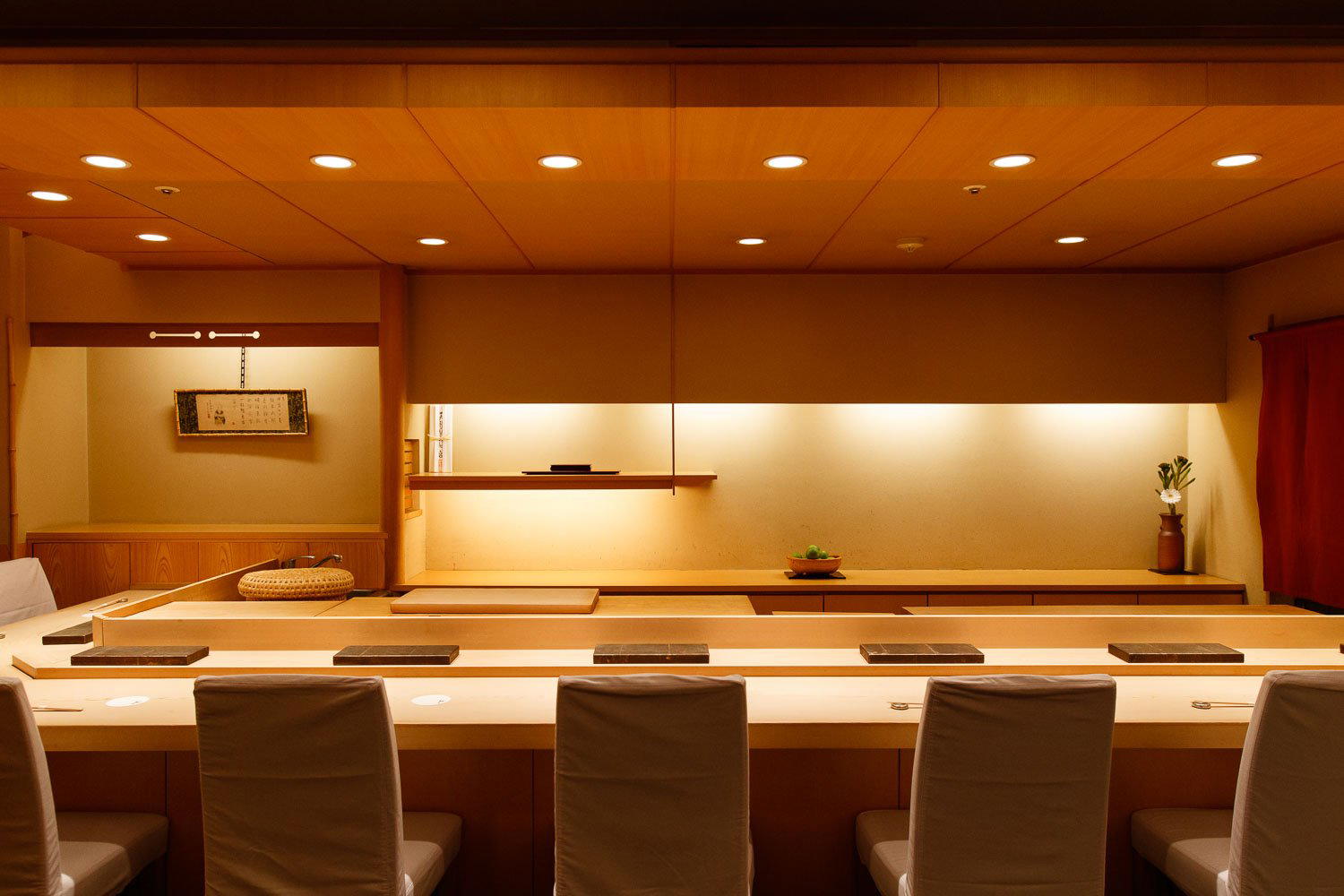
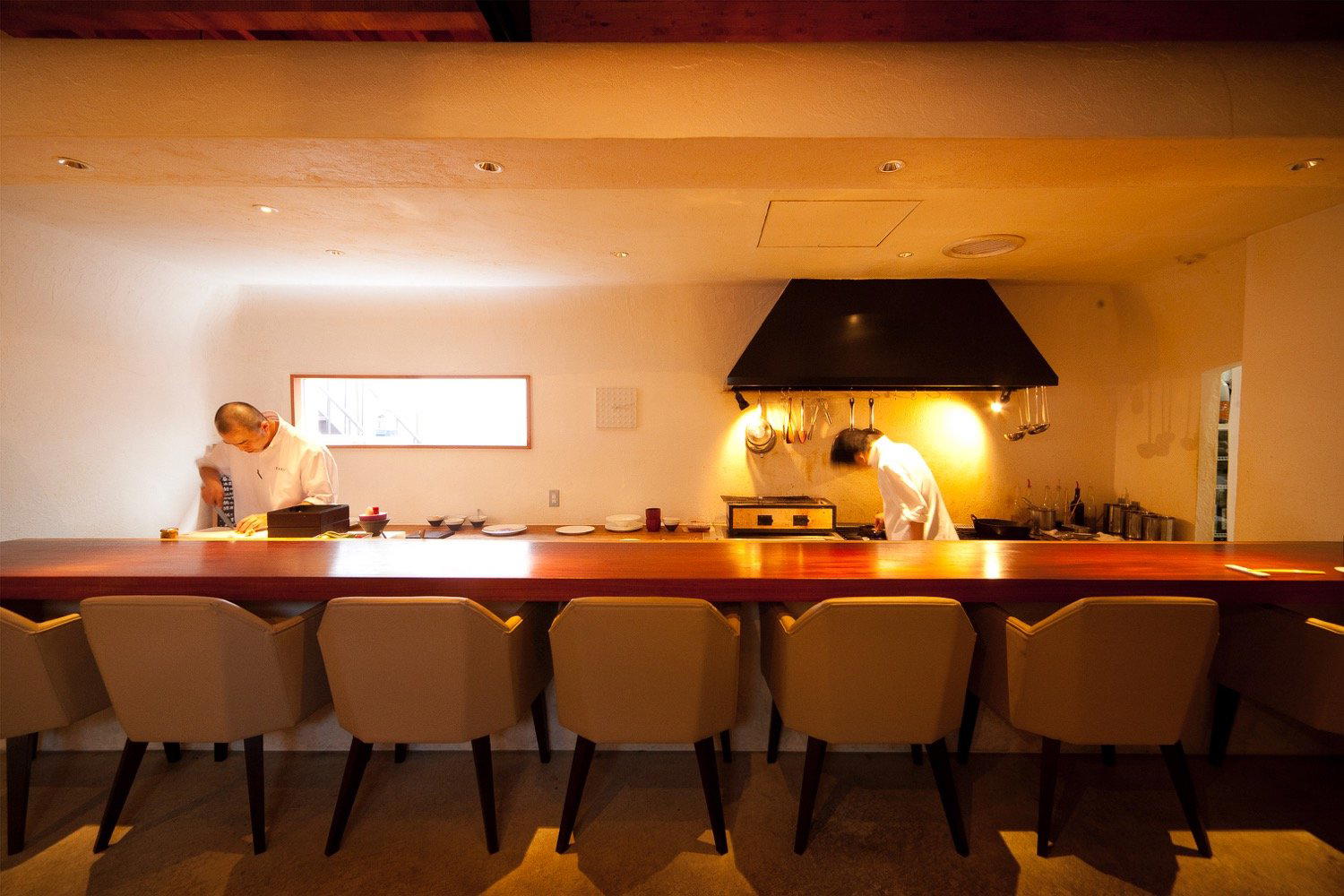
The format is the point. An eight-seat counter changes the social contract of sushi: little room for distraction, with value in sequence, temperature control, rice handling, and the chef’s decisions around the day’s seafood. For travellers, that format clarifies expectations. This is not the casual Sapporo seafood experience of abundance and noise; it is the controlled version, closer to a tasting-menu mentality, where Hokkaido ingredients pass through a narrow technical frame.
That matters because Sapporo’s dining identity is unusually broad for its size. Ramen, soup curry, lamb, dairy, bakery culture, and izakaya drinking all compete for attention, and sushi can flatten into a “fresh seafood” cliché. A sharper reading: sushi counters here translate Hokkaido’s supply chain into a concise evening. Diners comparing the city’s range can use Our full Sapporo restaurants guide for the wider map, from specialist ramen such as 175°DENO Tantanmen Sapporo kitaguchi ten to curry addresses including [Curry Senmon Ten] Maruyama Kyoju., Ajanta Indo Curry Ten, and Ajanta Sohonke. Sushikin sits at the opposite end: fewer seats, narrower focus, higher stakes.
Where Sushikin fits among Sapporo's serious dining choices
Price tier separates the decision quickly. Within the supplied Sapporo comparison set, masa is listed below Sushikin’s bracket, and Sushi Dokoro Ichii lower again; casual references such as Sumire Sapporo susukino ten and soup curry Suage+ operate in another dining economy. BAR YAMAZAKI works as a nightlife comparison rather than a food comparison, showing how Susukino supports both mature drinking rooms and controlled counter dining within the same urban grid.
The better question is not whether Sushikin is the right first meal in Sapporo. For many travellers, it is not. A first night may be better spent understanding the city’s ramen, curry, or izakaya habits before committing to a high-focus sushi counter. For a second or third evening, after the city’s broader appetite is clear, this meal becomes more persuasive. It compresses Hokkaido’s seafood advantage into a disciplined format and avoids the sprawling menu logic that can make seafood restaurants generic.
The awards record adds relevance. Tabelog Bronze is not decorative in Japan’s dining culture; it reflects a platform where domestic diners and restaurant obsessives exert real influence. OAD’s 2026 recommendation adds an international-facing layer without making the place a trophy stop. Together, they suggest a counter that has earned attention across more than one audience, useful in Sapporo, where many strong restaurants remain locally legible rather than globally marketed.
Travellers building a full Sapporo itinerary should resist making every reservation a prestige meal. The city rewards contrast. Pair a controlled sushi evening with bakery or coastal cooking such as Aigues Vives, then leave room for bars, hotels, and winter-specific pacing through Our full Sapporo hotels guide, Our full Sapporo bars guide, Our full Sapporo wineries guide, and Our full Sapporo experiences guide. For cross-Japan comparison, the EP Club restaurant archive also ranges from -Grilled beef Sukiyaki- KAMAKURA TANUKIAN 鎌倉 たぬき庵 in Kamakura and. 鮪と炭火焼き うお炭 秋葉原店 in Tokyo to.cafe in Osaka.know in Kumamoto, (Shoku) Vietnam in Kawasaki, and [ki:] in Kyoto; outside Japan, sake and rice specialists such as Jōdo Saké Bar in Los Angeles and Onigiri Time in Pasadena show how differently Japanese food travels once it leaves its source context.
The editorial read: a serious counter for diners who care where the fish begins
Sushikin makes the strongest case for travellers who understand why Hokkaido seafood carries weight and want that advantage translated through sushi rather than displayed as market abundance. The appeal is not spectacle, but the discipline of a small counter in a city where proximity to northern waters is the underlying luxury. The room, awards record, and category point toward focused diners, not a broad group occasion.
That is also the caution. Sapporo has easier, cheaper, more relaxed ways to eat well, many of which reveal the city with less formality. This counter belongs to a narrower plan: a serious sushi evening in Susukino, chosen because Hokkaido’s seafood supply deserves a format that can edit it tightly. For that purpose, Sushikin reads as a confident choice, especially for travellers who prefer regional specificity over a generic luxury script.
Frequently asked questions
Does Sushikin work for a family meal?
It is an 8-seat counter in Sapporo, reservation only, with dinner priced at JPY 30,000–39,999. That format suits adults or older children who are comfortable with a focused sushi setting rather than a large-family room. The service charge is 5%, and private rooms are unavailable.
What's the overall feel of Sushikin?
The room is compact and counter-led, with non-smoking service and a 5% service charge. Sushikin has also been recognised by the Tabelog Award 2026 Bronze and selected for Tabelog Sushi EAST "Tabelog 100" in 2025. In Sapporo, that reads as a serious sushi address rather than a casual stop.
What are Sushikin's hours?
Hours at Sushikin: Mon, Tue, Thu, Fri, Sat, Sun, Public Holiday, Day before public holiday, Day after public holiday 18:00 - 22:30.
What is Sushikin known for?
Sushikin is primarily known for its core concept and execution in Sapporo.
Snapshot
Comparable venues by cuisine and price in the same metro.
| Venue | Cuisine | Price | Awards | Notes |
|---|---|---|---|---|
| SushikinThis venue — the venue you are viewing | Edomae-style Omakase Sushi | $200–300 | Tabelog Bronze #430 | Not listed |
| Hanakoji Sawada | Michelin-Starred Kaiseki | Not listed | Tabelog 100 #6 | Chūō |
| 姫沙羅 | Hokkaido-influenced Edomae Sushi | $150–200 | Tabelog 100 #76 | Maruyama Park |
| Akatsuki | Traditional Edomae Sushi Omakase | $150–200 | Tabelog 100 #72 | Chūō |
| Suyama | Kyoto Kaiseki | $200–300 | Tabelog Bronze #436 | Kita |
| Sushizen | Traditional Hokkaido Sushi Omakase | $150–200 | Not listed | Chūō |
Recognition history
Dated appearances from independent guides and award organizations, with the underlying list record or original source where available.
Opinionated About Dining Top Restaurants in Japan Recommended
Opinionated About Dining
Tabelog Bronze #430
Tabelog
Full recognition history (4 entries)
Tabelog Bronze
Tabelog
Tabelog 100 #51 · No. 51
Tabelog · Tabelog 100 - Sushi - EAST - 2025
Continue exploring
More in Sapporo
Restaurants in Sapporo
Browse all →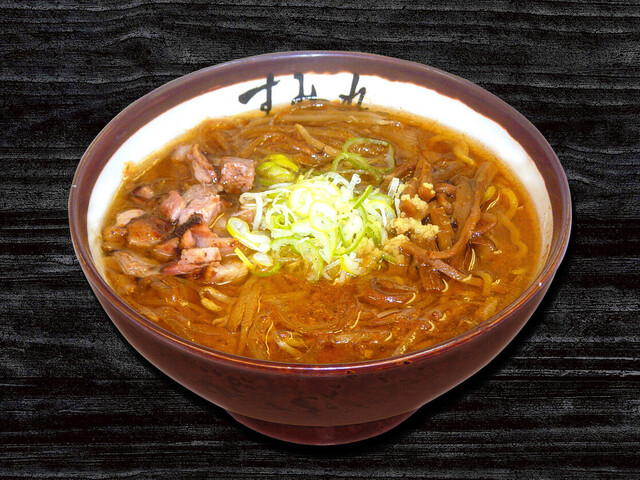
Details
- Intimate
- Elegant
- Quiet
- Sophisticated
- Date Night
- Special Occasion
- Chefs Counter
- Sake Program
- Local Sourcing
- Sustainable Seafood
- Street Scene
- Omakase
- Counter Dining
- Sake Program
Current opening hours
- Monday
- 6–10 PM
- Tuesday
- 6–10 PM
- Wednesday
- Closed
- Thursday
- 6–10 PM
- Friday
- 6–10 PM
- Saturday
- 6–10 PM
- Sunday
- 6–10 PM
Hours can change for holidays and private events. Last verified .
Intimate counter seating for eight with warm lighting, cypress counter, and quiet traditional atmosphere focused on the chef's preparation.