
Tabelog Bronze #409
Our verdict
Shota places Sapporo sushi in the serious counter-dining tier: Edomae technique, kaiseki framing, eight counter seats, and Tabelog Bronze recognition for 2025 and 2026. The appeal is not spectacle but scale, with a compact format that makes Hokkaido seafood culture feel disciplined rather than touristic.

Pearl is the En Primeur Club membership app — saves, bookings, and concierge access live there. Same editors, same standards.
- Address
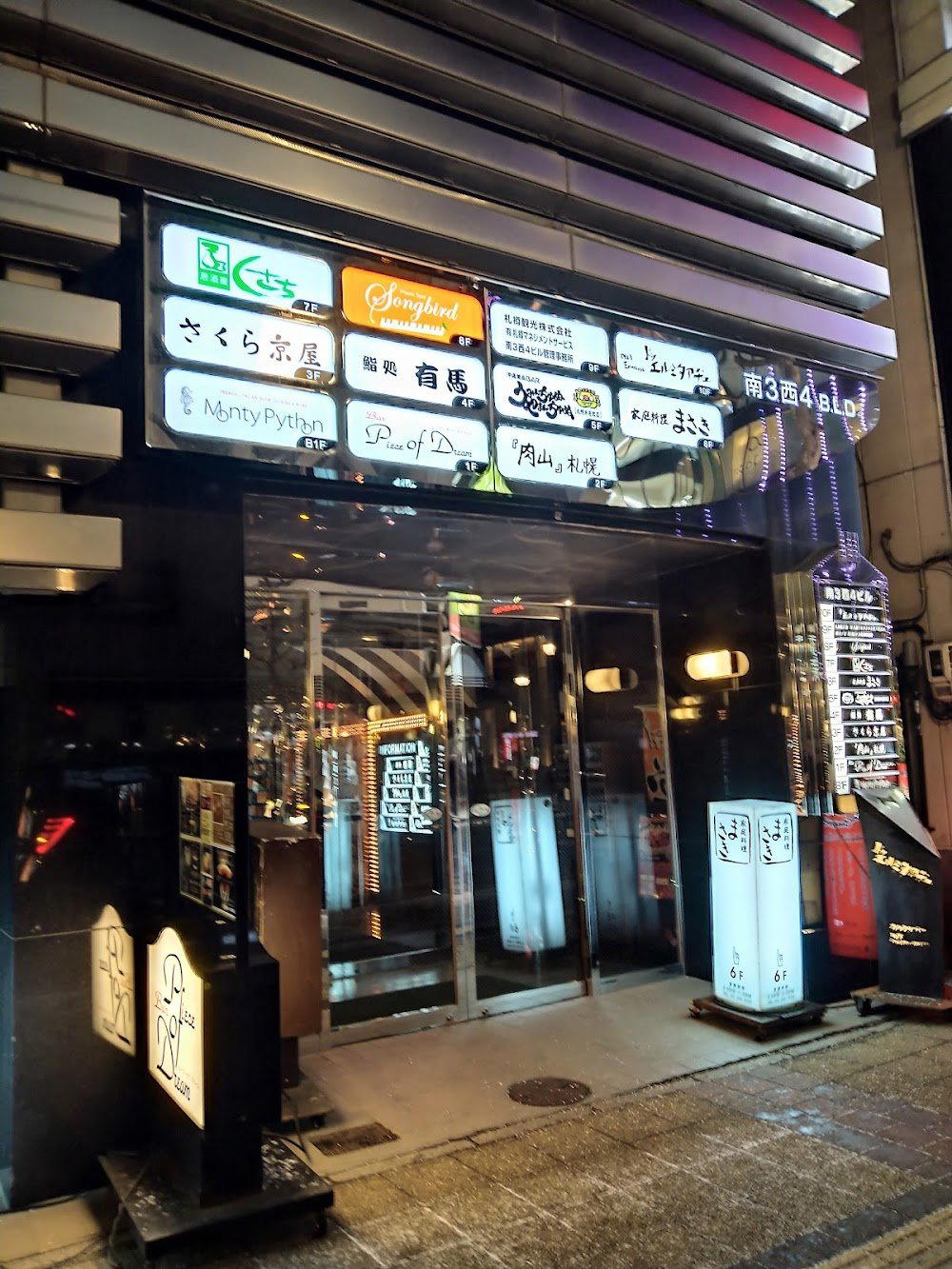
- Japan, 〒060-0001 Hokkaido, Sapporo, Chuo Ward, Kita 1 Jonishi, 3 Chome−3−14 敷島プラザビル 地下1階 別館
- Phone
- +81 90-6802-8306
- Hours
- Mon–Tue 6–11 PMWed 12–11 PMThu–Fri 6–11 PMSat 12–11 PMSun Closed
- Website
- sushi-shota.com
- Directions
- Get directions
- Booking
- Book on Omakase
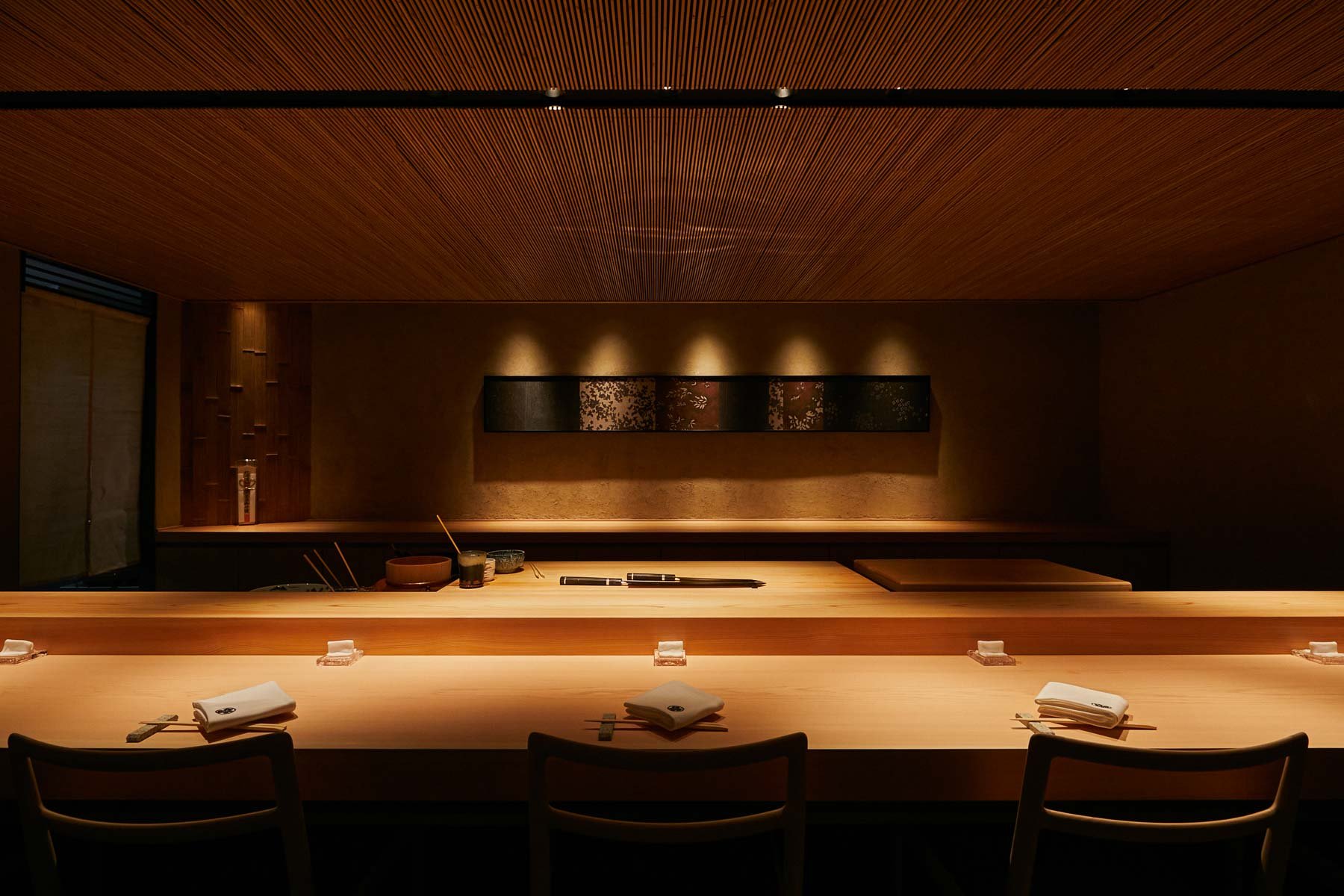
The approach is urban rather than coastal: central Sapporo, an underground level, a small counter, and the quiet compression Japanese sushi rooms use to turn dinner into close observation. In Hokkaido, seafood often reads as abundance. At this tier, abundance matters less than control: temperature, seasoning, rice, pacing, and the relationship between Edomae inheritance and northern product.
That distinction makes Shota useful within Sapporo dining. The city has excellent casual range, from soup curry and ramen to sandwiches and late-night izakaya, but serious sushi counters follow another code: narrower format, fewer seats, higher spend, and a more exacting reading of regional fish culture. For broader planning, start with Our full Sapporo restaurants guide, then map meals by category rather than chasing one famous dish.
Edomae discipline, translated through Hokkaido seafood culture
Edomae sushi began as a Tokyo craft shaped by preservation, vinegar, simmering, curing, and careful handling before refrigeration changed the terms. In Sapporo, it meets a different expectation: diners think first of cold-water seafood. Serious counters must manage that tension. Too much regional display becomes a seafood parade; too much orthodoxy flattens the reason for eating sushi in Hokkaido.
Shota sits on the disciplined side. Tabelog lists the category as sushi and describes the format through Edomae sushi and kaiseki, a meaningful pairing. Kaiseki signals progression and seasonality as structure; Edomae signals technique and restraint. The format belongs to Japan’s high-control counter tradition, not the casual, market-driven seafood meal many visitors associate with Sapporo.
The recognition supports that placement. The restaurant received The Tabelog Award Bronze in 2025 and 2026, and was selected for Tabelog Sushi EAST 100 in 2025. Its Tabelog score appears at 4.12 for the 2026 Bronze listing, with a prior Sushi EAST listing at 4.09. These are not universal rankings, but in Japan they signal a serious audience: diners who compare counters closely and punish inconsistency.
The chef detail is context. Tabelog identifies Masato Oda and describes the restaurant as a new stage after work at the forefront of sushi. The editorial point is not biography; it is that Sapporo has room for counters speaking the language of national sushi evaluation while staying tied to Hokkaido’s ingredient identity. That lane is narrower than tourist seafood, and more demanding.
An eight-seat counter changes the economics of the meal
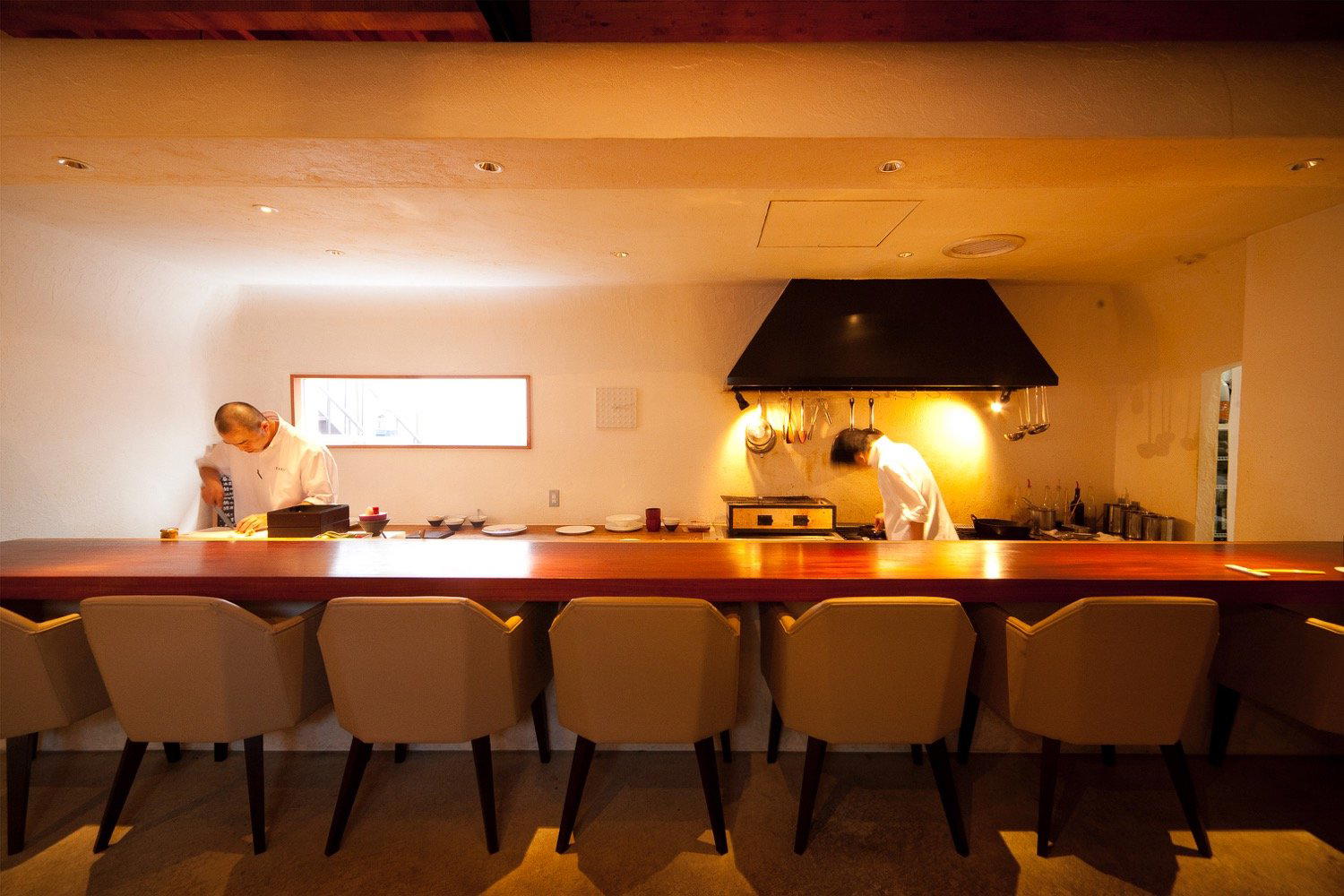
Small sushi counters are not intimate by accident. Eight seats change pacing, conversation, mise en place, and the margin for error. At this scale, the counter is both dining room and stage, and the guest is close enough to notice repetition, hesitation, and timing. Capacity signals more than decor: expect concentration rather than variety.
Pricing places the meal in a premium Sapporo bracket. The listed budget is JPY 30,000 to JPY 39,999 for lunch and dinner, while review-based dinner spend is JPY 40,000 to JPY 49,999. That separates it from everyday dining. Picante Sapporo ekimae ten and Saera sit at JPY 1,000 to JPY 1,999, while Sushi Chinese Fukurokuju is around JPY 5,000 to JPY 5,999 at dinner. These are not substitutes; they show how sharply Sapporo splits between daily comfort and counter-led occasion dining.
Shota is therefore a poor choice for diners wanting maximum range in one day. Sapporo rewards grazing: ramen, curry, bakery stops, seafood markets, whisky bars, and seasonal produce. A serious sushi counter absorbs the evening and demands planning around the meal, not adding it between sightseeing and drinks. Travelers building a wider itinerary can use Our full Sapporo hotels guide, Our full Sapporo bars guide, Our full Sapporo wineries guide, and Our full Sapporo experiences guide to avoid treating dinner as an isolated trophy.
The better comparison is categorical, not stylistic. Japanese Ramen Noodle Lab Q expresses Sapporo’s precision through noodles and broth; Ramenya Kirita Seimen through an everyday price point; Picante Sapporo ekimae ten through soup-curry culture; Saera through a lighter local routine. Shota belongs to the counter tradition, where value lies in compression and technical sequencing. It is less flexible, but more consequential for diners who care about sushi as craft.
How to place it in a Sapporo itinerary
The practical read is simple: this reservations-only counter has a course format expected to last about two hours, and asks guests to allow enough travel time when planning onward flights. That matters in Sapporo, where airport transfers can make a tight evening brittle. Listed near Odori, with access from the underground pedestrian network, it fits a central dining night better than a last-minute airport-day detour.
Payment is another filter. Credit cards are accepted; electronic money and QR payments are not. Private rooms are not part of the format, and the counter is non-smoking. Children under 16 are accommodated only when reserved, confirming the meal’s adult, controlled rhythm without making the room ceremonial. Parking is not provided, with coin parking nearby, but the central location makes rail and walking more natural.
For travelers deciding where this sits among Japan dining priorities, Shota is strongest when Sapporo is already part of the trip. It is not a generic luxury sushi address interchangeable with Tokyo or Osaka. Its interest comes from the friction between Edomae grammar and Hokkaido identity, plus recognition within Japan’s serious sushi conversation. Diners chasing breadth should spend the day elsewhere first: 175°DENO Tantanmen Sapporo kitaguchi ten, [Curry Senmon Ten] Maruyama Kyoju., Aigues Vives, Ajanta Indo Curry Ten, and Ajanta Sohonke point to the city’s wider appetite before the counter narrows the focus.
鮪と炭火焼き うお炭 秋葉原店 in Tokyo.cafe in Osaka.know in Kumamoto, (Shoku) Vietnam in Kawasaki, [ki:] in Kyoto, Jōdo Saké Bar in Los Angeles, and Onigiri Time in Pasadena all sit in different conversations about Japanese food culture and its global offshoots. Shota’s conversation is narrower and sharper: how far Sapporo sushi can move from regional abundance toward counter-dining rigor without losing its northern reason for being.
Frequently asked questions
Where do I go for Shota?
Shota is located in Sapporo館, Sapporo.
What are Shota's hours?
Hours at Shota: Mon, Tue, Thu, Fri 18:00 - 22:30.
What makes Shota worth seeking out?
Shota combines an 8-seat counter in Sapporo with a reservation-only format through OMAKASE, so the room is built around focus rather than volume. Its Tabelog Bronze awards for 2025 and 2026, plus selection for Tabelog Sushi EAST 2025, give it clear third-party weight in the city’s sushi scene.
What is Shota known for?
Shota is primarily known for its core concept and execution in Sapporo.
Budget Reality Check
Comparable venues by cuisine and price in the same metro.
| Venue | Cuisine | Price | Awards | Notes |
|---|---|---|---|---|
| ShotaThis venue — the venue you are viewing | Edomae Sushi Omakase | $150–200 | Tabelog Bronze #409 | Not listed |
| 姫沙羅 | Hokkaido-influenced Edomae Sushi | $150–200 | Tabelog 100 #76 | Maruyama Park, Edomae Sushi |
| Takuzushi | Traditional Omakase Sushi | $150–200 | Tabelog 100 #62 | Chūō, Traditional Omakase Sushi |
| Japanese cuisine Komatsu | Modern Japanese Kaiseki | $150–200 | Tabelog Bronze #198 | Chūō, Modern Japanese Kaiseki |
| Nukumi | Contemporary Kaiseki | $150–200 | Tabelog Bronze #330 | Chūō, Contemporary Kaiseki |
| 月下翁 | Chūō, japanese | Not listed | Not listed | Not listed |
Recognition history
Dated appearances from independent guides and award organizations, with the underlying list record or original source where available.
Tabelog Bronze #409
Tabelog
Full recognition history (3 entries)
Tabelog 100 #46 · No. 46
Tabelog · Tabelog 100 - Sushi - EAST - 2025
Tabelog Bronze
Tabelog
Continue exploring
More in Sapporo
Restaurants in Sapporo
Browse all →
Details
- Elegant
- Sophisticated
- Intimate
- Minimalist
- Special Occasion
- Date Night
- Chefs Counter
- Open Kitchen
- Sake Program
- Omakase
- Counter Dining
- Sake
- Wine
Current opening hours
- Monday
- 6–11 PM
- Tuesday
- 6–11 PM
- Wednesday
- 12–11 PM
- Thursday
- 6–11 PM
- Friday
- 6–11 PM
- Saturday
- 12–11 PM
- Sunday
- Closed
Hours can change for holidays and private events. Last verified .
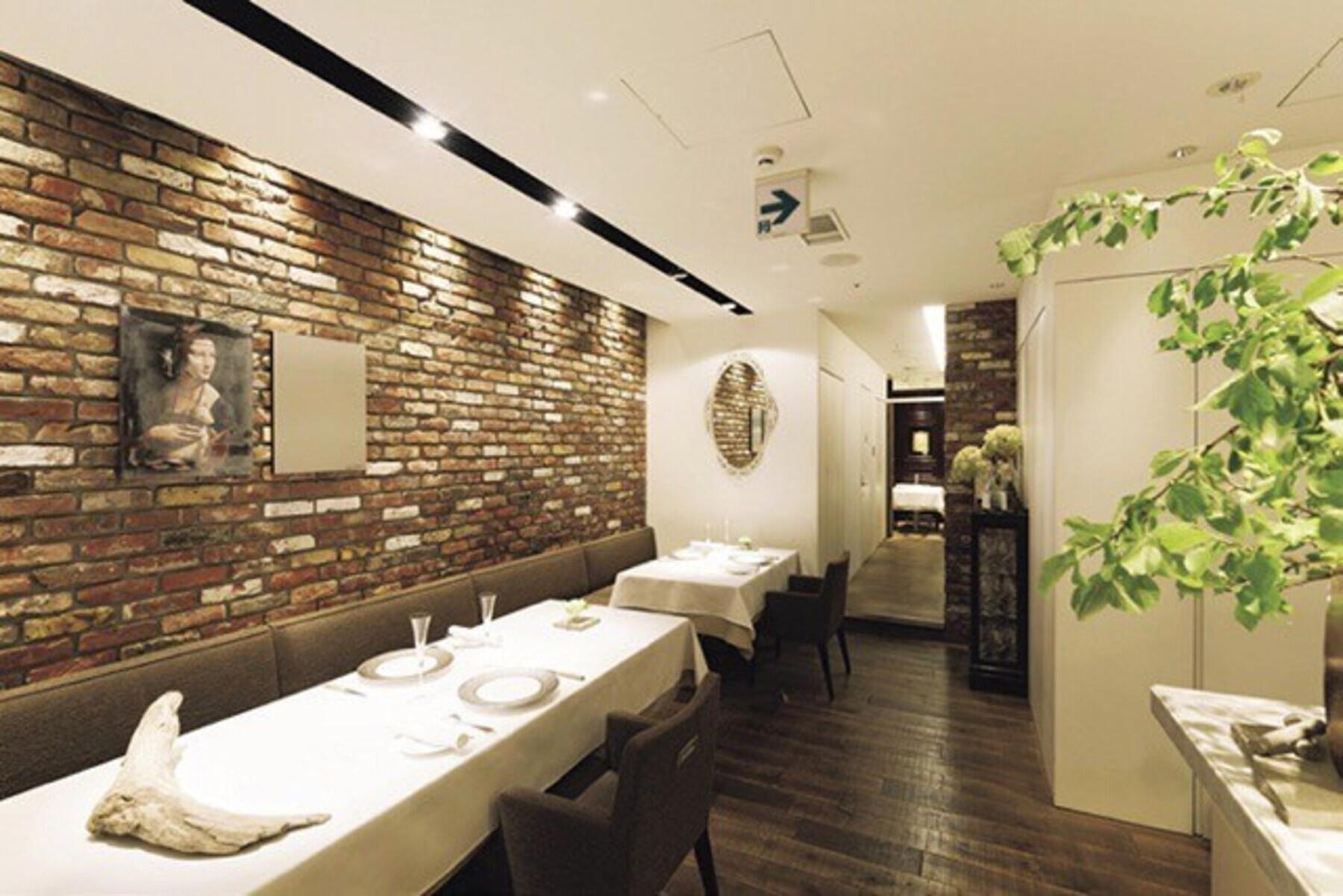
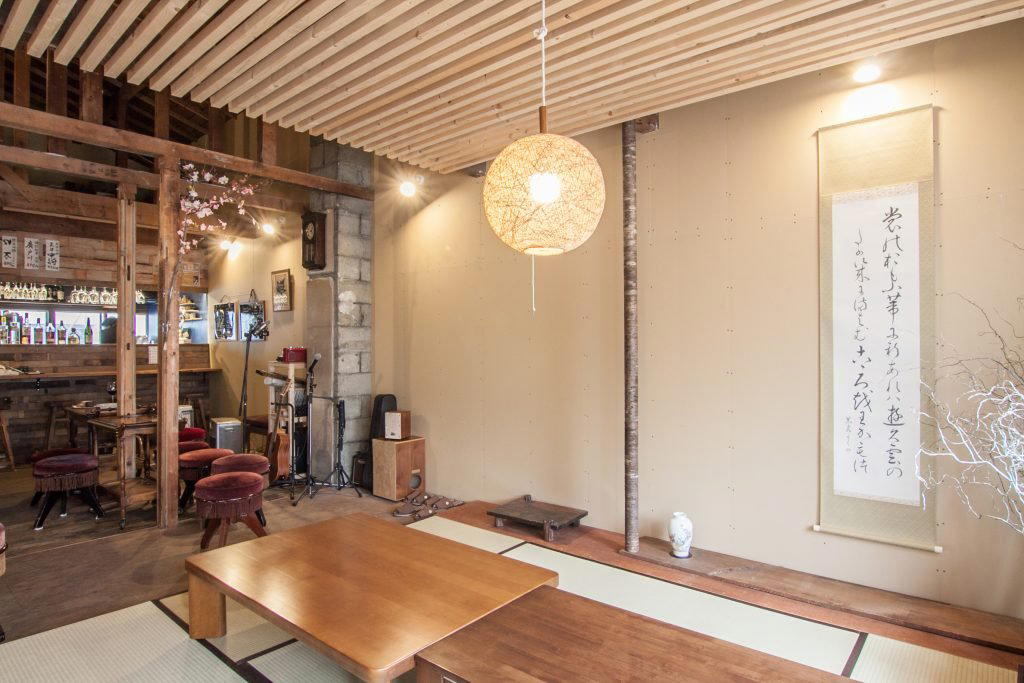
Refined atmosphere with a single-plank hinoki cypress counter, bamboo ceiling, earthen walls, and traditional Japanese tableware in a relaxing, non-smoking space.