Our verdict
A bistronomy-format French restaurant in Sapporo's Kotoni district, レ カネキヨ ビストロノミーフランセーズ sits within a city that has developed one of Japan's more credible French dining traditions, supported by Hokkaido's exceptional dairy, produce, and seafood supply. The format places it between casual brasserie and full tasting-menu formality, an increasingly relevant tier in Japan's regional French scene.

Pearl is the En Primeur Club membership app — saves, bookings, and concierge access live there. Same editors, same standards.
- Address
- 1 Chome-3-5 Kotoni 2 Jo, Nishi Ward, Sapporo, Hokkaido 063-0812, Japan
- Phone
- +81112139200
- Hours
- Mon ClosedTue–Sat 12–3 PM, 6–10 PMSun Closed
- Website
- leskanekiyos.com
- Directions
- Get directions
French Bistronomy in Hokkaido: A Format That Fits
Sapporo's French dining tradition did not arrive by accident. Hokkaido's agricultural output, among the most varied and high-quality in Japan, gave the city's French kitchens a distinct advantage: butter and cream of a calibre that would not embarrass Normandy, lamb and venison from open terrain, and seafood, particularly Hokkaido scallop, sea urchin, and crab, that arrives with a freshness difficult to replicate further south. That supply chain created conditions in which serious French cooking could establish itself outside Tokyo and Osaka, and Sapporo is now the provincial city most associated with that possibility.
Within that context, the bistronomy format occupies a specific and increasingly relevant position. Bistronomy, which emerged in Paris in the early 2010s as a response to both the rigidity of haute cuisine and the thinness of casual dining, asks kitchens to cook at close to fine-dining technical level while operating at lower price points, with less ceremony, and often in smaller rooms. In Japan, that format has found genuine traction, partly because Japanese kitchens are already disciplined about technique, and partly because the domestic appetite for French food spans a broader demographic than it does in most Western markets. レ カネキヨ ビストロノミーフランセーズ, located in the Kotoni district of Sapporo's Nishi Ward, sits inside that tradition.
The Setting: Kotoni and Its Quietly Serious Dining Character
Kotoni is not the neighbourhood that first-time visitors to Sapporo tend to prioritise. That distinction goes to Susukino and the central Odori corridor, where the density of restaurants is higher and the foot traffic more visible. But Sapporo's dining geography, like Tokyo's, rewards the visitor willing to move into residential districts, where rents are lower, rooms are smaller, and the cooking tends to be more focused rather than more spectacular. A bistronomy operation in Kotoni fits that pattern precisely: the format does not require a destination address, it requires a neighbourhood willing to support regulars.
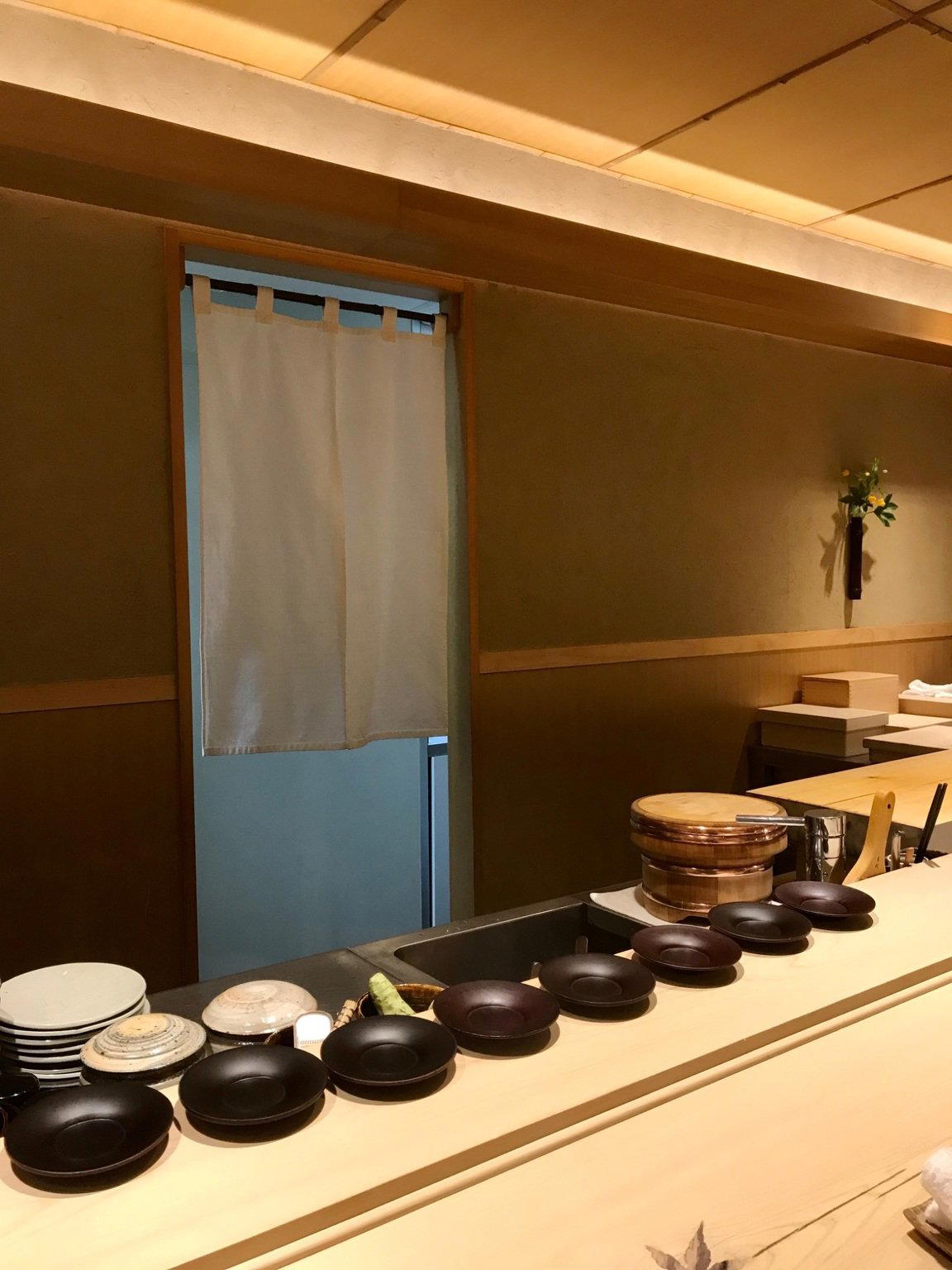
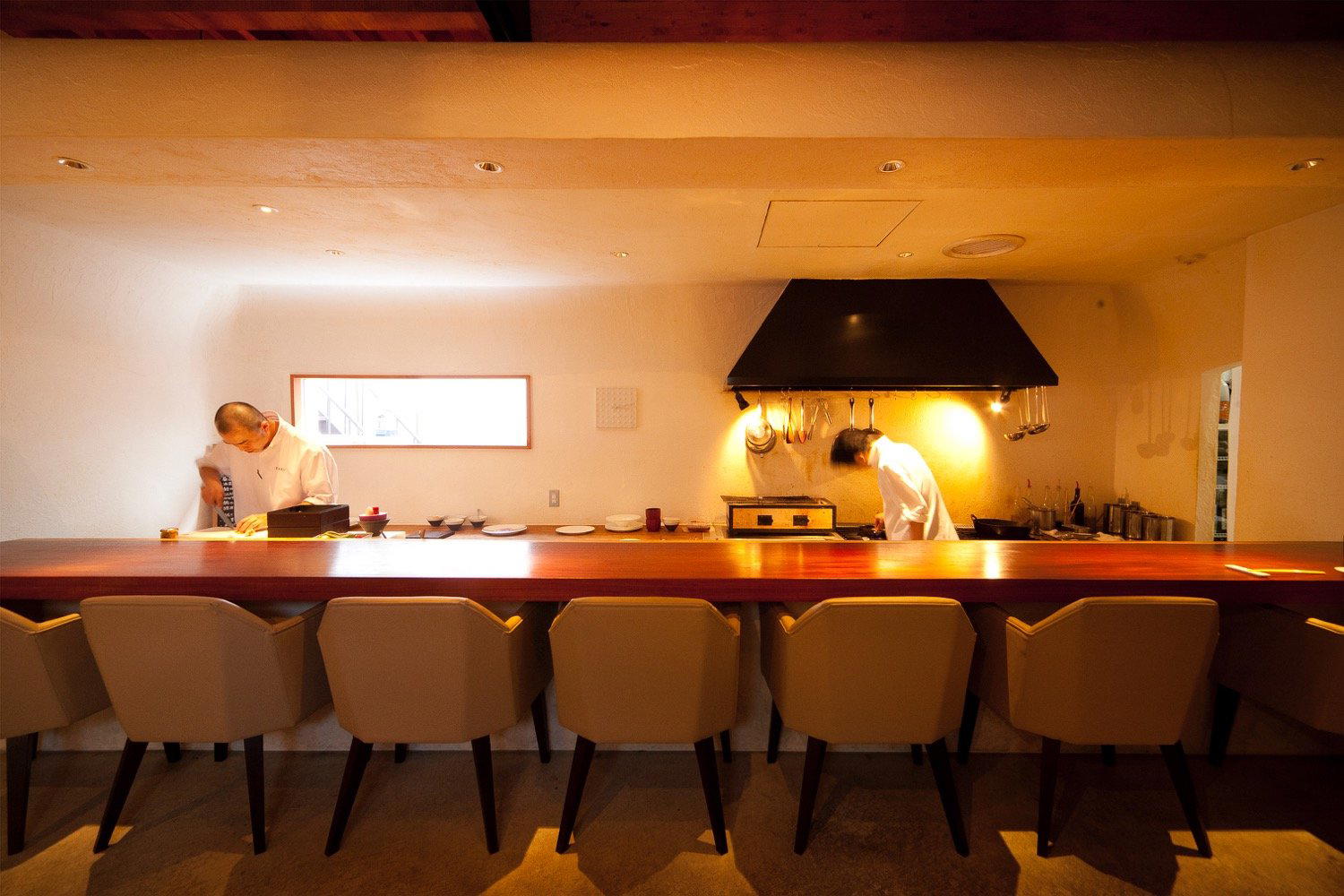
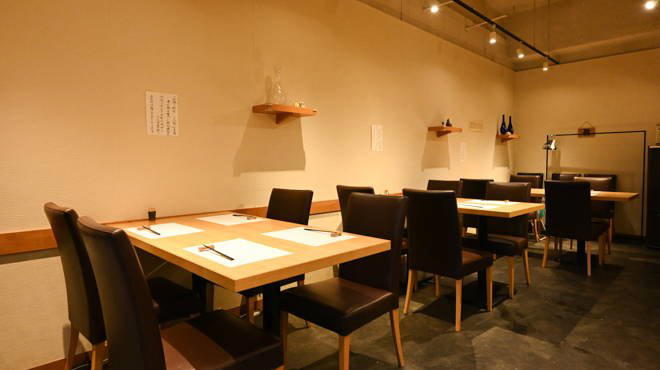
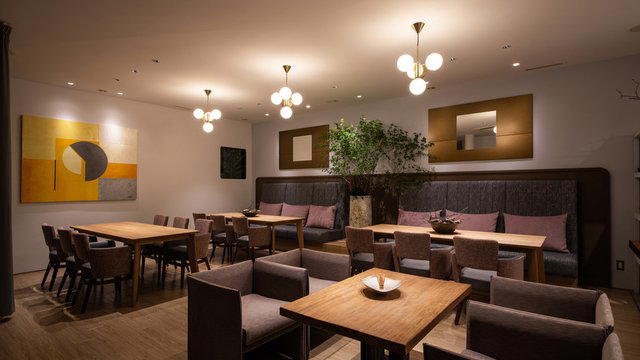
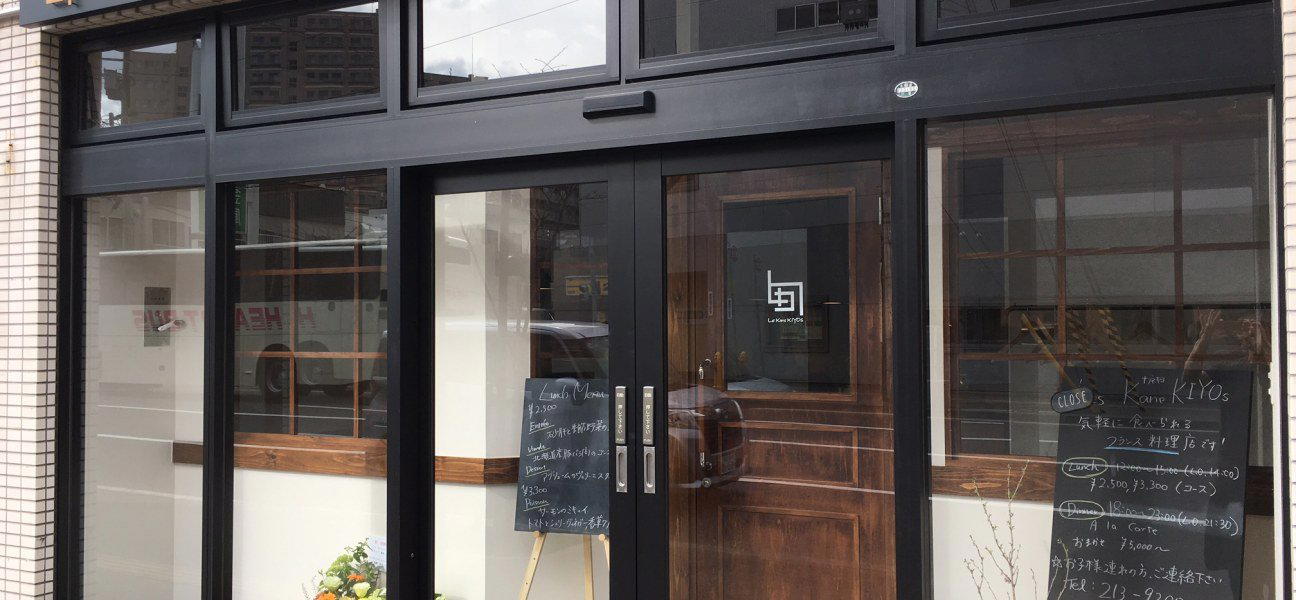
Approaching a restaurant of this type in a low-rise Sapporo residential pocket, the atmosphere reads as deliberate restraint rather than underdevelopment. The bistronomy format in France was born in similar circumstances, often occupying former wine bars or neighbourhood eateries, and its Japanese iterations have largely preserved that quality: the room is part of the argument that good cooking does not require theatre.
The Wine Dimension: What Bistronomy Demands of a Cellar
The editorial angle on bistronomy that tends to get underplayed is the wine relationship. Bistronomy as a format is inseparable from natural and low-intervention wine culture. When chefs like Bertrand Auboyneau and later Inaki Aizpitarte began operating at the bistronomy tier in Paris, the wine lists were not afterthoughts: they were curated programs built around small producers, often from peripheral appellations, and selected to complement food that was technically sharp but tonally relaxed. The two things reinforced each other. A restaurant operating under a bistronomy name is, implicitly, making a statement about how it thinks wine should sit alongside food.
In Japan, that pairing carries additional complexity. Japanese natural wine culture has matured significantly over the past decade, and cities like Tokyo, Kyoto, and Osaka now support specialist importers, wine bars, and restaurant programs that compare with anything in major European cities. Sapporo is somewhat behind that curve in scale but not in seriousness, and a bistronomy operation in the city would logically orient its cellar toward the same producers and philosophies that define the leading lists elsewhere in Japan. The question for any wine-led bistronomy program is always curation depth: how far down into the producer catalog does the list go, and does the team have the knowledge to guide a table through it without defaulting to familiar appellations? For venues at this level in Japan, that guidance is typically where the wine experience either consolidates or unravels.
For broader context on how French cooking with serious wine programs is developing across Japanese cities, the programs at HAJIME in Osaka and akordu in Nara represent the higher formality end of the same tradition, while Sapporo's own Hanakoji Sawada (Kaiseki) illustrates how Japanese formats at the fine-dining level handle the wine-and-produce relationship differently.
Sapporo's French Scene: Where This Restaurant Sits
Sapporo supports a French dining tier that includes tasting-menu operations, brasserie-style venues, and a growing number of bistronomy formats. The bistronomy tier is the most competitive in terms of value proposition: it is where kitchens need to demonstrate both technical credibility and enough informality to attract the lunch and early-evening trade that sustains a neighbourhood operation. Other notable addresses in the city include aki nagao, Arima (Sushi), Hidetaka, and Higebozu, each occupying a different segment of the city's premium dining market.
Nationally, the bistronomy format is visible in cities from Fukuoka to Toyohashi. Bistro Ange in Toyohashi and Goh in Fukuoka show how regional cities have adopted the format with varying degrees of wine seriousness. At the highest formality end of the international reference set, Le Bernardin in New York City represents what French technique at full discipline looks like, while Atomix in New York City demonstrates how Asian-led kitchens can operate at that level with a different set of cultural coordinates.
Planning Your Visit
レ カネキヨ ビストロノミーフランセーズ is located at 1 Chome-3-5 Kotoni 2 Jo, Nishi Ward, Sapporo, Hokkaido. The Kotoni area is accessible by subway from central Sapporo, making it a practical choice even for visitors staying near Odori or Susukino. Hokkaido's seasonal calendar is worth factoring into timing: winter brings the crab and shellfish season to its peak, and Sapporo's French kitchens that source locally tend to reflect that rhythm most clearly between November and March. Summer visits offer a different register, with Hokkaido's lamb and dairy produce and warm-season vegetables in sharper focus. Our full Sapporo restaurants guide covers the broader dining context for the city.
Frequently asked questions
Where is レ カネキヨ ビストロノミーフランセーズ in Sapporo?
レ カネキヨ ビストロノミーフランセーズ is located at 1 Chome-3-5 Kotoni 2 Jo, Nishi Ward, Sapporo, Hokkaido 063-0812, Japan, Sapporo.
How does レ カネキヨ ビストロノミーフランセーズ fit into Sapporo's broader French dining scene?
Sapporo has developed a French dining tier that spans formal tasting-menu operations in the central corridor and a smaller number of bistronomy formats further into residential wards. レ カネキヨ, positioned in Nishi Ward's Kotoni district, sits in the latter category — French in technique and framing, but operating outside the city's restaurant-strip concentration. That positioning puts it closer in spirit to the Paris bistronomy model that emerged in the 2000s than to Japan's characteristically ceremonial French tradition.
What dish is レ カネキヨ ビストロノミーフランセーズ famous for?
The bistronomy format the restaurant operates in — French technique applied to seasonal, produce-forward menus — suggests the kitchen's output shifts with Hokkaido's agricultural calendar rather than anchoring around a fixed signature plate.
Should I book レ カネキヨ ビストロノミーフランセーズ in advance?
Bistronomy-format restaurants in Sapporo's residential neighbourhoods, particularly in lower-profile districts like Kotoni, often run small covers with no walk-in buffer. Reservations ahead of your visit are advisable.
What makes レ カネキヨ ビストロノミーフランセーズ worth seeking out?
The restaurant sits in Kotoni, a Sapporo neighbourhood with no tourist footfall, which means its clientele is almost entirely local and repeat. That alone tends to separate serious neighbourhood bistros from venues performing for visitors. Hokkaido's produce — dairy, root vegetables, seafood from adjacent coastlines — gives a French bistronomy format here a sourcing base that few equivalent European addresses can match on raw material quality.
Is レ カネキヨ ビストロノミーフランセーズ allergy-friendly?
No allergen policy or dietary accommodation information is documented. French bistronomy kitchens typically build menus around a tight set of daily ingredients, which can limit substitutions. Communicating dietary requirements directly at the time of reservation is the standard approach at this type of restaurant.
Similar Picks
Comparable venues nearby, for context on price, style, and recognition.
| Venue | Cuisine | Price | Awards | Notes |
|---|---|---|---|---|
| レ カネキヨ ビストロノミーフランセーズThis venue — the venue you are viewing | Bistronomie Française | $50–100 | Not listed | Not listed |
| L’Espérance | Vegan French Fusion | $30–50 | We're Smart World 4 Radishes | Chūō |
| オーベルジュ・ド・リル・サッポロ | Fine French and Alsatian Cuisine | Not listed | Tabelog 100 #63 | Chūō |
| メリメロ | French Fine Dining | $150–200 | Tabelog 100 #10 | Chūō |
| Michikusa Bazaar | Spice-driven Indian-inspired cuisine & natural wine | $50–100 | Tabelog 100 #40 | Chūō |
| Matsukura | Japanese Kaiseki / Washoku | $100–150 | Tabelog 100 #77 | Chūō |