
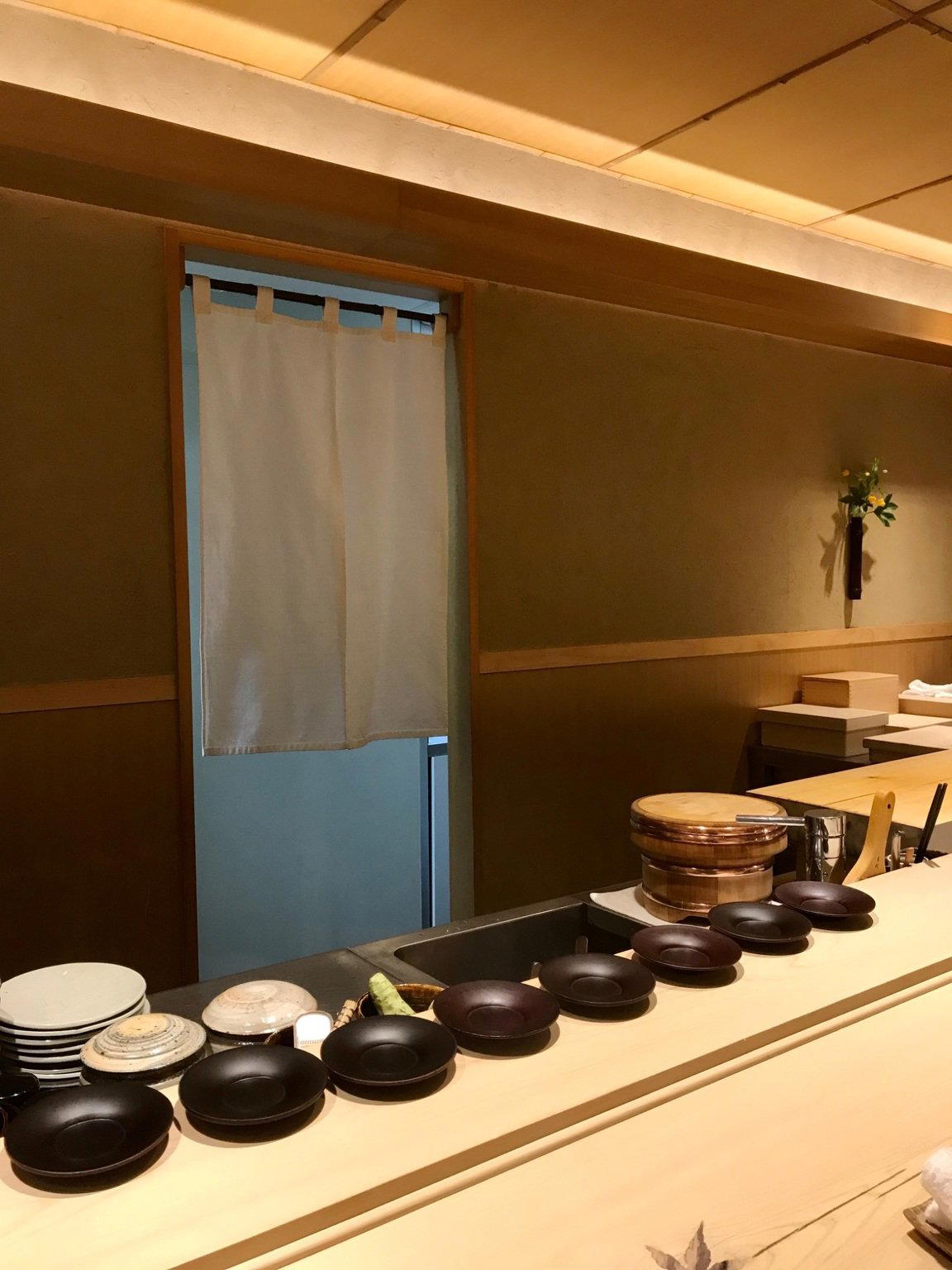
Ni no Kura is a six-seat sushi counter in Sapporo’s Maruyama area, selected for Tabelog Sushi EAST “Tabelog 100” in 2025 and 2022. Its appeal sits in the city’s smaller, ingredient-led sushi tier: Hokkaido seafood, counter format, and a drinks program that reaches across sake, shochu, and wine rather than treating pairings as an afterthought.
Pearl is the En Primeur Club membership app — saves, bookings, and concierge access live there. Same editors, same standards.
- Address
- Japan, 〒064-0803 Hokkaido, Sapporo, Chuo Ward, Minami 3 Jonishi, 22 Chome−2−7 第51 藤栄ビル 1F
- Phone
- +81 90-8900-0202
- Website
- booking.teriyaki.me
 Saves & bookings on Pearl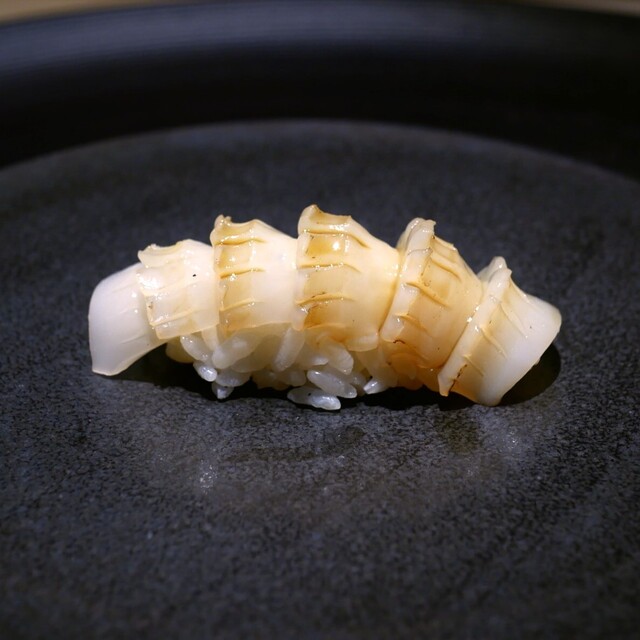
Maruyama changes the register before the meal begins: central Sapporo’s neon and station-side density give way to a quieter west-side rhythm of low buildings, residential streets, and restaurants that reward planning over passing appetite. Ni no Kura sits in the city’s compact counter-sushi category, where the room frames fish, rice, temperature, and drink rather than acting as stage set.
Sapporo sushi faces different pressure from Tokyo sushi. The capital’s prestige counters often trade on lineage, scarcity, and a fierce reservation economy; Hokkaido counters are judged more directly by cold-water seafood access, local catch handling, and the confidence to keep the format narrow. Ni no Kura’s selection for Tabelog Sushi EAST “Tabelog 100” in 2025 and 2022 puts it in that bracket, but the sharper signal is scale: six counter seats. At that size, pacing, drink service, and the chef’s handling of each course are exposed.
Six seats, Hokkaido fish, and a drinks list with range
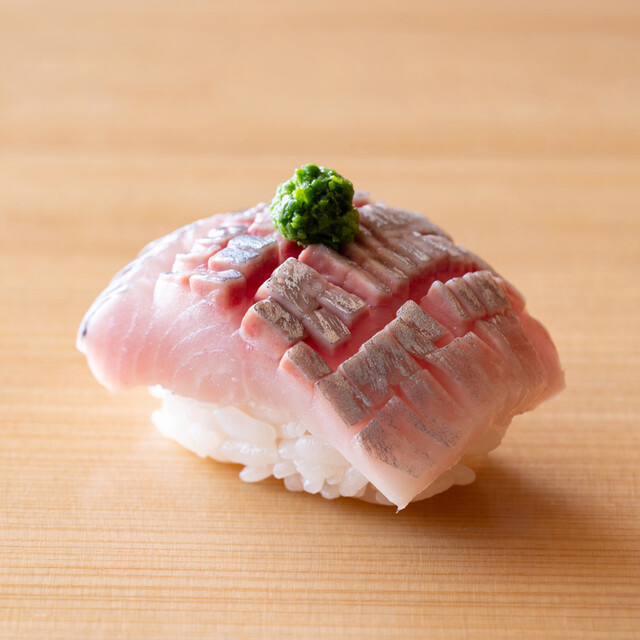
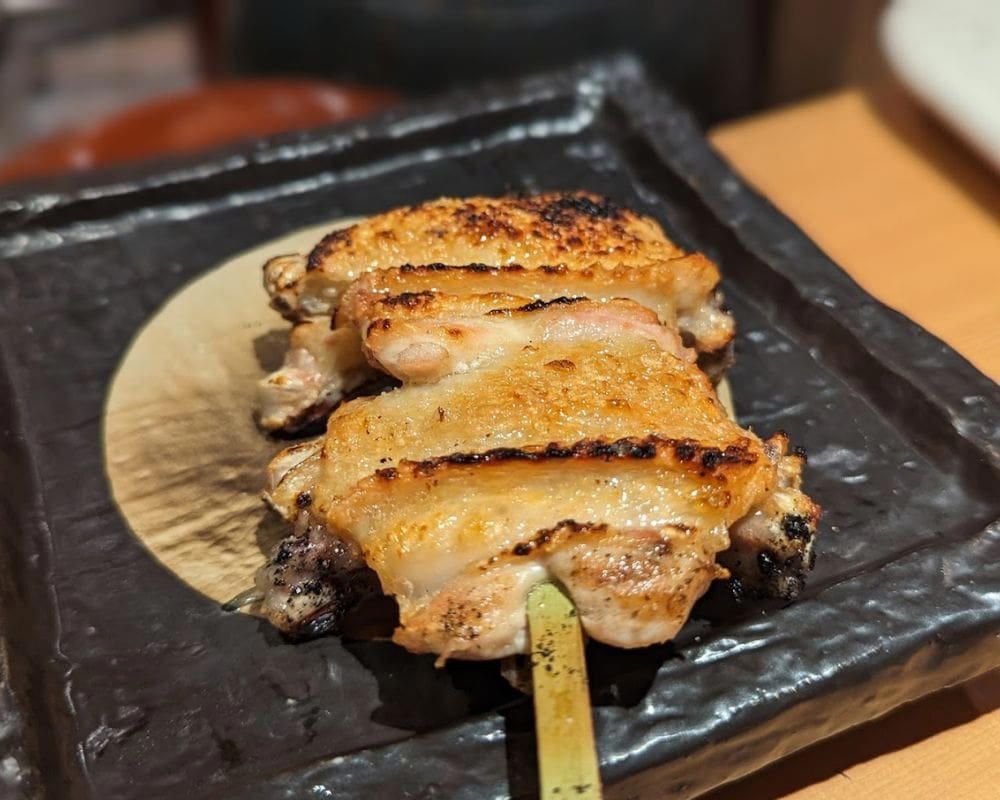
The counter format matters because sushi here is less menu browsing than surrender to sequence. The category is sushi, with a stated emphasis on fish, and the service model is a fixed course rather than casual à la carte. That places Ni no Kura closer to destination omakase than neighbourhood sushi, even though the west-side setting feels removed from obvious tourist dining corridors.
The wine angle is more interesting than it first appears. Many sushi counters in Japan default to sake as the safe pairing language, with beer or shochu supporting. Ni no Kura lists sake, shochu, and wine, with particular attention noted for each. That does not prove a large cellar, but it widens the pairing conversation beyond “cold sake with everything.” For a counter this small, drink curation can change the meal’s rhythm: sake for saline and umami, shochu for a cleaner break, wine when acidity or texture needs more work.
That range reflects Sapporo’s broader dining personality. The city has serious sushi, but it is not only a sushi city: curry shops, ramen specialists, French-leaning kitchens, bakeries, and izakaya culture all compete for attention. A traveller might put the restaurant at the formal end of a Maruyama day, after comparing the neighbourhood’s casual price tier at [Curry Senmon Ten] Maruyama Kyoju., or use it as a counterpoint to station-side heat at 175°DENO Tantanmen Sapporo kitaguchi ten. These restaurants do not compete directly; they show how sharply Sapporo’s dining budget and format can shift within one trip.
Maruyama's quieter dining tier rewards planning
Maruyama is one of Sapporo’s more composed dining areas, shaping expectations. Restaurants here often feel less transactional than those around the station or Susukino, but better small-format rooms demand intention. The restaurant’s six-seat counter and national sushi-list recognition make it a planned meal, not a fallback. In the same west-side orbit, casual curry at [Curry Senmon Ten] Maruyama Kyoju. sits in another category, while MATALE Maruyama ten and Yondai Kashin show the area’s lower-cost everyday layer. The contrast explains why a small sushi counter feels so concentrated here: it operates amid lower-stakes options.
For visitors building a Sapporo itinerary, the restaurant works well as an evening anchor, not one stop in a long crawl. The counter is non-smoking, private rooms are not part of the format, and the room is built around counter seating. Children are allowed only if they can take the same course as adults, a clue to tempo rather than a hospitality warning. Strong perfume is discouraged, a common but meaningful request where aroma can interfere with fish, rice, and drink.
Payment defines the practical experience: major credit cards are accepted, while electronic money and QR-code payments are not. There is no service charge. In Japan, those details distinguish a polished small counter from a casual local stop. The reservation-only structure, simultaneous session starts, and cancellation rules put the burden on punctuality. In a six-seat room, a late arrival is not a private inconvenience; it disrupts the entire counter.
Where it fits in a Sapporo dining plan
The restaurant is for diners who want Sapporo sushi in a compressed, serious format rather than a broad seafood feast. The city has many places where crab, uni, donburi, and izakaya abundance define the evening. This is the opposite instinct: fewer seats, a controlled course, and a drinks program moving between sake, shochu, and wine. It suits travellers who have covered Hokkaido’s obvious seafood pleasures and want to see the region through a formal counter.
The restaurant also sits neatly within a wider Sapporo shortlist. For broader planning, Our full Sapporo restaurants guide gives the city-level view, while Our full Sapporo hotels guide, Our full Sapporo bars guide, Our full Sapporo wineries guide, and Our full Sapporo experiences guide frame the rest of the trip. Sapporo rewards that mapping: ramen at one moment, counter sushi the next, then a bar or hotel chosen for proximity rather than romance.
Travellers comparing Japanese dining formats across cities should note the difference between local anchoring and destination identity. A compact Sapporo sushi counter does not serve the same purpose as beef-led dining at -Grilled beef Sukiyaki- KAMAKURA TANUKIAN 鎌倉 たぬき庵 in Kamakura, seafood-and-charcoal energy at. 鮪と炭火焼き うお炭 秋葉原店 in Tokyo, café pacing at.cafe in Osaka, or contemporary dining at.know in Kumamoto. Nor does it overlap with the casual international register of (Shoku) Vietnam in Kawasaki or the Kyoto mood around [ki:] in Kyoto.
For readers tracking sake culture beyond Japan, the drinks question can extend to Jōdo Saké Bar in Los Angeles, while casual Japanese foodways in California appear differently at Onigiri Time in Pasadena. Back in Hokkaido, the comparison stays grounded: the restaurant is not trying to be the broadest expression of Sapporo dining. It is a small, controlled counter where fish and drinks carry the argument.
That is the reason to prioritize it. Not because every traveller needs a luxury sushi meal in Sapporo, but because this format reveals a quieter side of the city’s seafood culture. The room is small enough that every decision counts, the award history gives it external credibility, and the drinks list suggests a more flexible pairing mindset than many counters of similar scale. For a Sapporo itinerary built around precision rather than volume, that combination has weight.
Cuisine Lens
Comparable venues at a glance for context.
| Venue | Cuisine | Price | Notes |
|---|---|---|---|
| Ni no KuraThis venue — the venue you are viewing | Avant‑garde Sushi Omakase | $$$ | Not listed |
| Yakiniku Gurumans Ito | Yakiniku (Japanese BBQ) | $$$ | Chūō |
| Sushi Dokoro Ichii | Seasonal Hokkaido Sushi Counter | $$$ | Chūō |
| 霜止出苗 | Edomae Sushi Omakase | $$$ | Chūō |
| はなれ味重 | Traditional Kaiseki | $$$ | Chūō |
| susukinodepato | Hokkaido Seafood & Crab Buffet Dining | $$$ | Chūō |
Recognition history
Dated appearances from independent guides and award organizations, with the underlying list record or original source where available.
Tabelog 100 #34 · No. 34
Tabelog · Tabelog 100 - Sushi - EAST - 2025
At a Glance
- Intimate
- Cozy
- Modern
- Date Night
- Special Occasion
- Solo
- Celebration
- Business Dinner
- Chefs Counter
- Standalone
- Design Destination
- Sake Program
- Local Sourcing
- Sustainable Seafood
Current opening hours
- Monday
- 6–8 PM, 8:30–10:30 PM
- Tuesday
- 6–8 PM, 8:30–10:30 PM
- Wednesday
- Closed
- Thursday
- 6–8 PM, 8:30–10:30 PM
- Friday
- 12:30–2:30 PM, 6–8 PM, 8:30–10:30 PM
- Saturday
- 12:30–2:30 PM, 6–8 PM, 8:30–10:30 PM
- Sunday
- 12:30–10:30 PM
Hours can change for holidays and private events. Last verified .
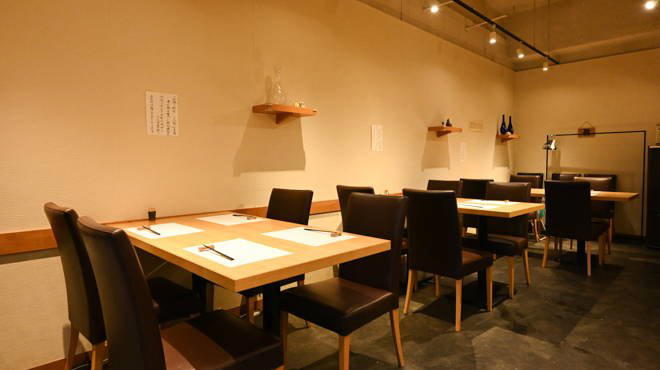
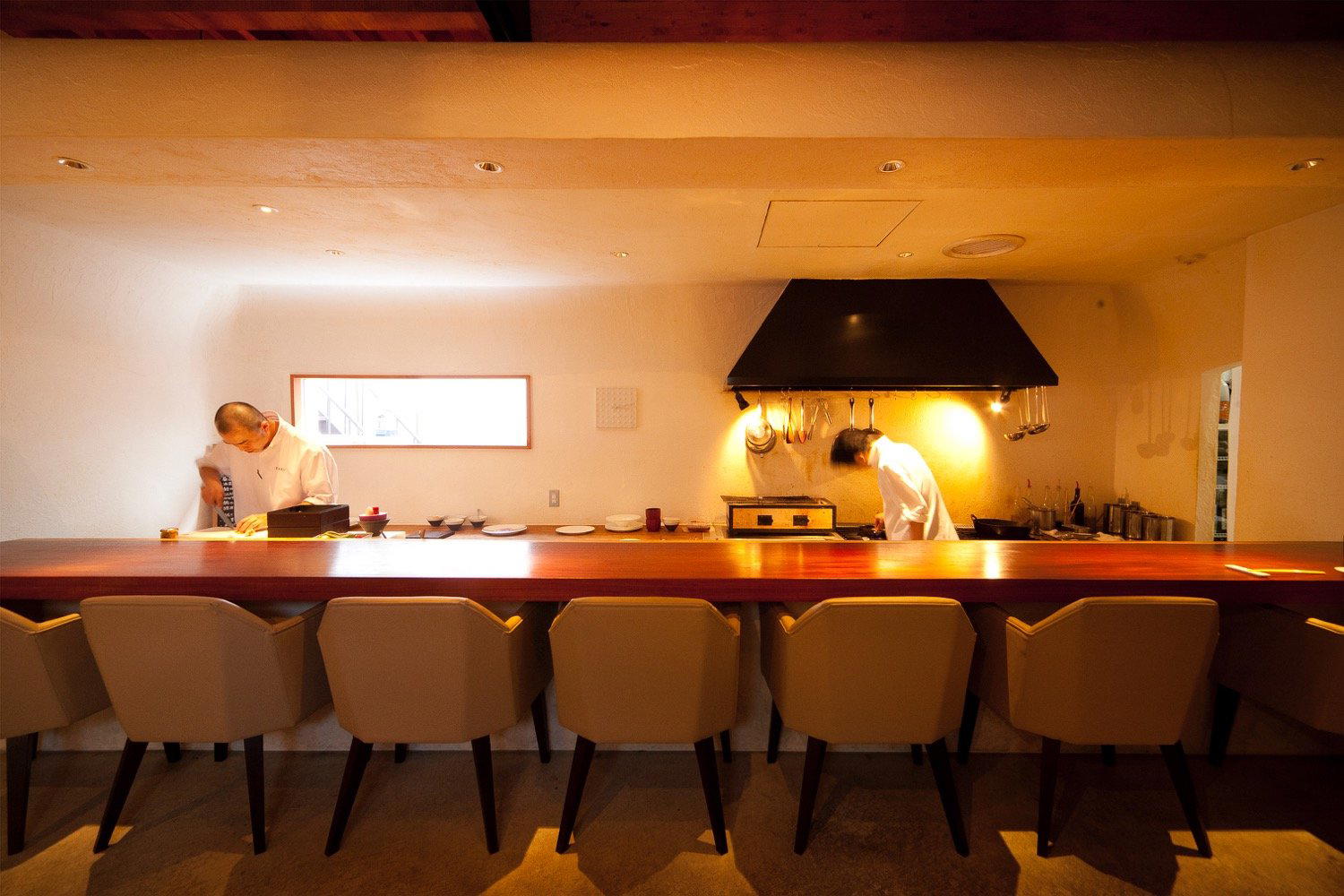
An intimate six-seat counter in a quiet residential area near Maruyama Park, with a calm, understated setting that lets the focus stay on inventive sushi and interaction with the chef.