Tabelog 100 #37
Our verdict
テアトロ ディ マッサ occupies the second floor of the Taiyou Building on Minami 3 Jonishi in Sapporo's Chuo Ward, operating within a city whose dining scene has quietly developed one of Japan's most compelling regional restaurant cultures. The Italian name, Teatro di Massa, signals a theatrical orientation toward food, placing it in a small cohort of Sapporo venues that borrow European frameworks to express Hokkaido's extraordinary larder.

Pearl is the En Primeur Club membership app, where members save venues, book tables and use the concierge.
The menu
What to order
- Tagliatelle with Hokkaido crab
- Venison with juniper berry
- Sea bream cannelloni with ricotta
Where Sapporo's European Thread Meets the Hokkaido Larder
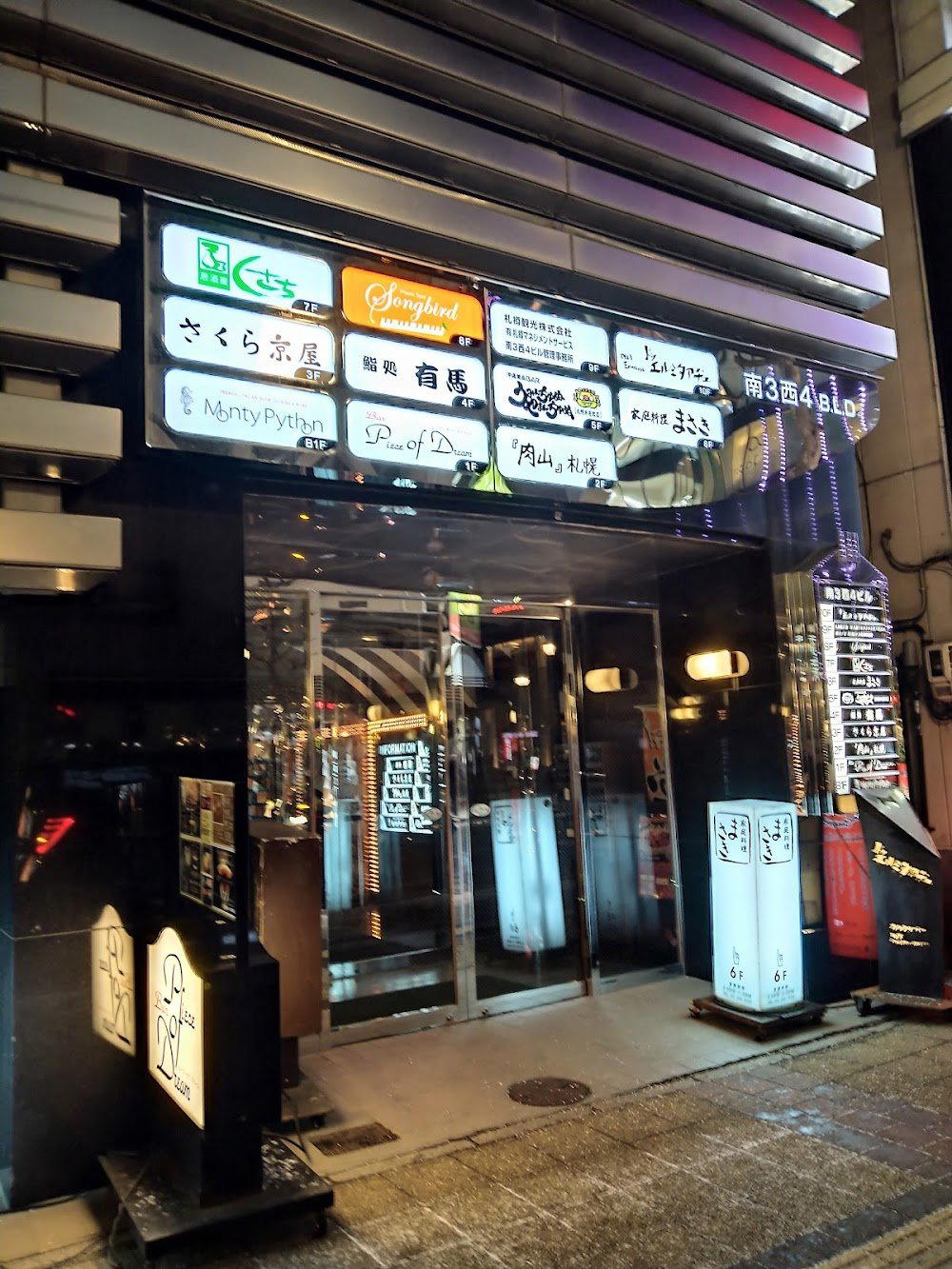
The second floor of the Taiyou Building on Minami 3 Jonishi sits above the street-level noise of Chuo Ward, a neighbourhood that concentrates much of Sapporo's serious dining within walking distance of Susukino and the city's central grid. Reaching テアトロ ディ マッサ requires the kind of mild effort, a staircase rather than a ground-floor entrance, that tends to self-select its audience. The name itself is Italian for "theatre of the mass" or, more loosely, a theatre in which food plays the lead. That framing matters, because it locates the restaurant within a specific current in Japanese regional dining: venues that use European vocabulary, particularly Italian or French, as a lens for reading local ingredients rather than as an end in themselves.
Sapporo's dining scene has developed along this axis for the better part of three decades. Hokkaido's agricultural and marine output, dairy, root vegetables, seafood drawn from some of the coldest, most productive waters in the Pacific, gives chefs here a larder that their counterparts in Tokyo or Osaka would pay premiums to access. The consequence is that Sapporo supports a range of European-inflected restaurants that feel grounded rather than imported, their menus driven by what the surrounding island produces rather than by what a genre handbook specifies. テアトロ ディ マッサ operates inside that tradition.
The Sensory Register of a Second-Floor Dining Room
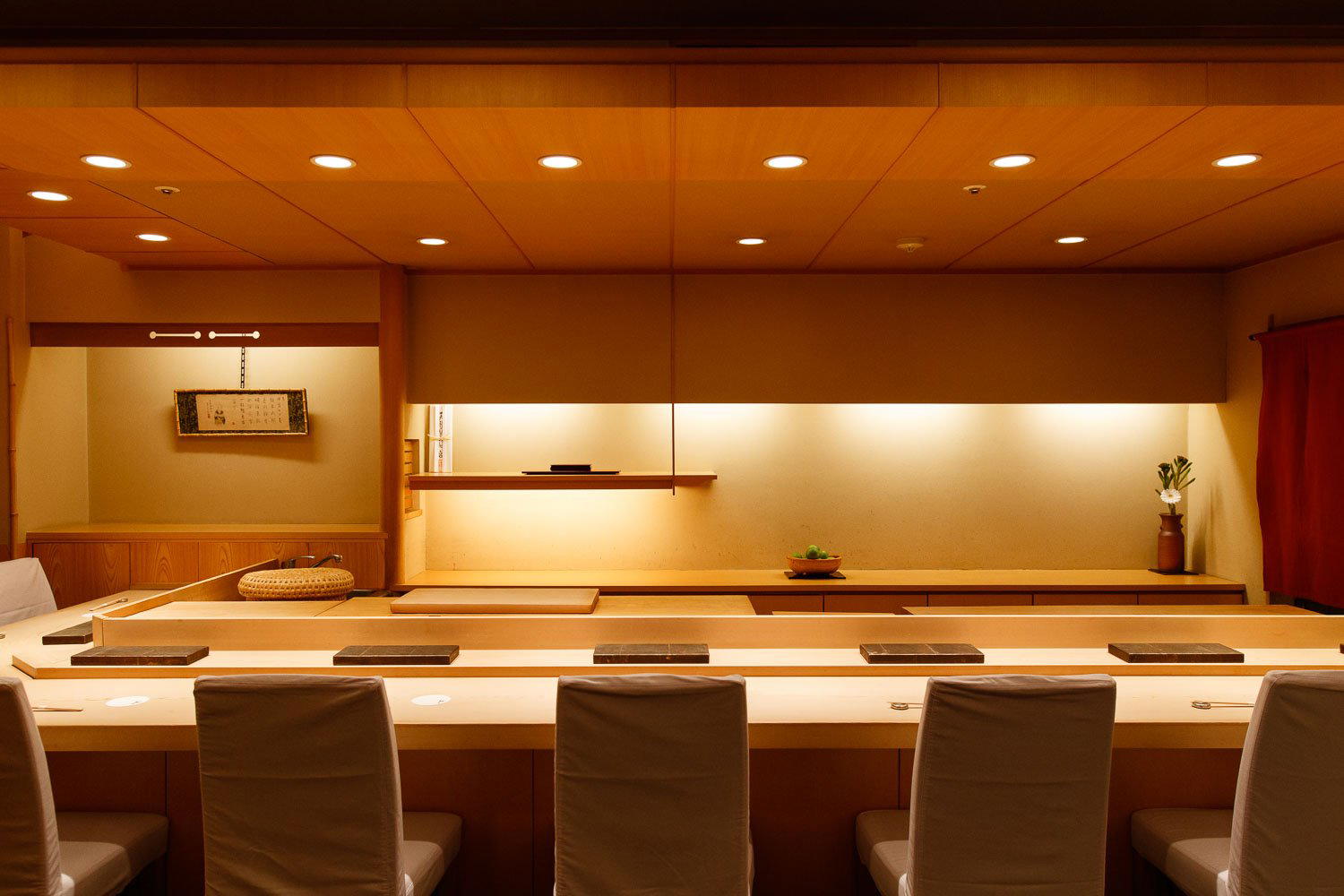
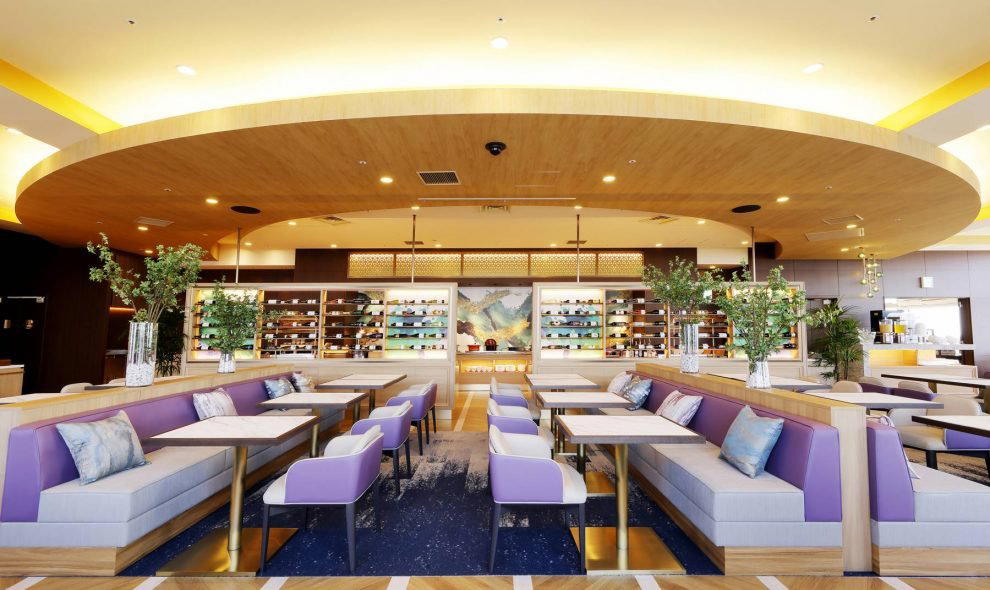
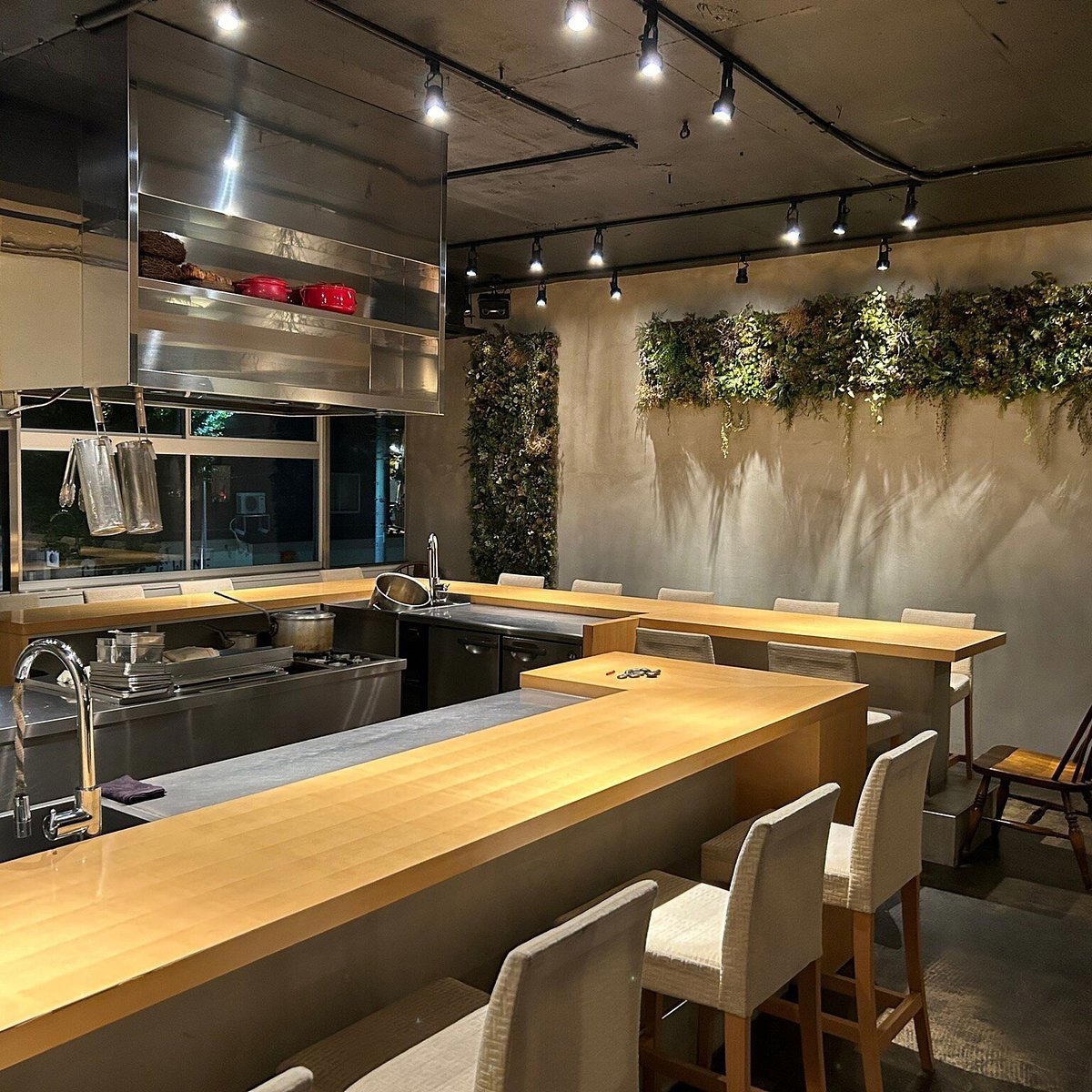
Second-floor dining rooms in Japanese cities carry a particular atmosphere. Removed from the street, they tend toward intimacy over spectacle. Sound behaves differently, the din of the pavement recedes, conversation carries more cleanly, and the kitchen becomes the dominant acoustic source. Whether テアトロ ディ マッサ's room leans toward warm timber, exposed brick, or the cooler neutrals associated with contemporary Italian-influenced interiors cannot be confirmed from available data, but the Taiyou Building address in Chuo Ward places it in a district where mid-century commercial architecture frequently surprises with interior ambitions that exceed the exterior.
The Italian designation in the restaurant's name suggests a cooking register that prioritises restraint and product clarity over elaborate sauce work, a sensibility that aligns well with Hokkaido produce, where the raw material often needs less intervention than more. Across Japan's regional cities, this approach has proven more durable than the fashion-led cooking that cycles through Tokyo. Venues in this mode tend to build a quiet, accumulated reputation rather than a sudden one, and they often draw a high proportion of returning guests who arrive knowing what they want rather than exploring broadly. For comparison, the Italian-leaning tier in Sapporo competes for attention with accomplished French houses, the city's deep sushi culture (represented by counters like Arima (Sushi)), and kaiseki traditions rooted in Hokkaido's seasonal calendar (as at Hanakoji Sawada (Kaiseki)).
Reading テアトロ ディ マッサ Against Sapporo's Broader Dining Map
Sapporo is not a city that makes its dining ambitions obvious to the outside world. Its Michelin coverage has historically been thinner than Osaka or Fukuoka, yet the city's concentration of high-quality produce and a population with genuine appetite for refined dining has produced a restaurant culture that rewards attention. The city's European-inflected restaurants, French, Italian, and hybrid formats, tend to cluster in Chuo Ward, sharing a customer base with the city's Japanese-cuisine specialists. Understanding where テアトロ ディ マッサ sits in that map requires placing it against comparators: the kaiseki seriousness of Hanakoji Sawada, the izakaya-adjacent warmth of Higebozu, or the focused technical work at Hidetaka and aki nagao.
Within Japan more broadly, the pattern of regional cities developing serious European-format restaurants grounded in local produce is well established. HAJIME in Osaka, Goh in Fukuoka, and akordu in Nara each represent regional expressions of European cooking philosophy meeting Japanese ingredient culture. テアトロ ディ マッサ's positioning in Sapporo places it in that national conversation, even if its local market is the primary audience. For readers comparing across Japan's dining cities, the reference points extend further: Gion Sasaki in Kyoto and Harutaka in Tokyo illustrate how Japanese regional cities build culinary identities that are distinct from the capital's, and Sapporo belongs firmly in that conversation. Internationally, the technical standard against which Japanese European-style restaurants are increasingly measured has been set by addresses like Le Bernardin in New York City and Atomix in New York City, venues that use European or European-adjacent frameworks to express something beyond the genre's defaults.
Hokkaido Seasonality as the Organizing Principle
Any Italian or European-inflected restaurant in Sapporo operates against a seasonal backdrop that differs sharply from its counterparts in warmer prefectures. Hokkaido's winters are long and deep; its growing season compressed but intense. Spring produces asparagus and mountain vegetables of a quality that draws buyers from across Japan. Summer brings corn, potatoes, and dairy of a richness rarely matched domestically. Autumn compresses into a short window of maximum abundance, crab, lamb from the island's expanding pastoral industry, fungi, and brassicas. Winter shifts to preserved and aged products, seafood from the coldest months, and root vegetables with concentrated flavour. A kitchen that tracks this calendar seriously will produce menus that look substantially different across a twelve-month span, which is both a challenge and the structural argument for returning more than once.
This seasonal discipline is characteristic of the better European-format restaurants in regional Japan, and it is what separates them from venues that apply European technique to a fixed, import-dependent pantry. The Hokkaido context effectively imposes the discipline, because the gap in quality between what the island produces in season and what arrives by freight from elsewhere is wide enough that any serious kitchen will follow the local calendar. Comparable seasonal orientation can be found at other Japanese regional venues covered by EP Club, including 一本木 石川県 in Nanao, 湖畔荘 in Takashima, and 庭羽庵 in Nishikawa Machi.
Planning a Visit
テアトロ ディ マッサ is located at the Taiyou Building, 2F, 8 Chome-7 Minami 3 Jonishi, Chuo Ward, Sapporo, a central address that keeps it within the walkable radius of Sapporo's main transit infrastructure. The nearest subway stations on the Namboku and Tozai lines are both within comfortable distance of Chuo Ward's southern blocks. No booking platform, phone number, or website is confirmed in available data, so prospective visitors should search directly for current contact details or inquire through a hotel concierge familiar with Sapporo's dining circuit. Given the small-building, upper-floor format that characterises this category of restaurant in Japan, seat count is likely limited, and advance reservation through whatever channel is active is advisable particularly on weekends and during the autumn peak season. For a broader view of where テアトロ ディ マッサ sits within Sapporo's dining options, EP Club's full Sapporo restaurants guide maps the city's major dining categories. Readers comparing mid-range European formats across Japanese regional cities may also find value in EP Club's coverage of Bistro Ange in Toyohashi and Birdland in Sakai.
Frequently asked questions
Where is テアトロ ディ マッサ in Sapporo?
テアトロ ディ マッサ is located at Japan, 〒060-0063 Hokkaido, Sapporo, Chuo Ward, Minami 3 Jonishi, 8 Chome−7−番地 Taiyou Building, 2F, Sapporo.
Is テアトロ ディ マッサ a good choice for a European dinner in Sapporo if you want local Hokkaido ingredients rather than imported produce?
テアトロ ディ マッサ occupies a position in Sapporo's Chuo Ward where European cooking and Hokkaido's larder intersect directly, the prefecture supplies dairy, seafood, and produce that give European menus here a different material basis than their counterparts in Tokyo or Osaka. That alignment between a European format and northern Japanese seasonality is the distinguishing logic of dining rooms like this one in Sapporo. For ingredient provenance specifics, confirming with the restaurant at its Taiyou Building, 2F address is recommended before booking.
What do regulars order at テアトロ ディ マッサ?
Regulars at European-inflected Sapporo restaurants of this type typically return for the kitchen's handling of local ingredients as they shift from spring dairy and mountain vegetables through autumn game and winter root crops. Contacting the venue directly will give the clearest current picture of what the kitchen is running.
Do they take walk-ins at テアトロ ディ マッサ?
Second-floor dining rooms of this format in Sapporo's Chuo Ward tend to operate on a reservation basis, particularly given the neighbourhood's concentration of dining options and the logistical reality of a single-floor room above street level. Reaching out to the venue ahead of any visit to the Taiyou Building, 2F address on Minami 3 Jonishi is the practical approach.
Awards and Standing
Comparable venues nearby, for context on price, style, and recognition.
| Venue | Cuisine | Price | Awards | Notes |
|---|---|---|---|---|
| テアトロ ディ マッサThis venue (the venue you are viewing) | Modern Italian Regional with Hokkaido Ingredients | $100–150 | Tabelog 100 #37 | Not listed |
| Susukino Yakiniku Kiraku | Japanese Yakiniku BBQ | $50–100 | Tabelog 100 #42 | Chūō |
| Menme | Hokkaido Robatayaki Izakaya | $50–100 | Tabelog 100 #43 | Chūō |
| Sushi Saikou | Hokkaido Omakase | $50–100 | Not listed | Chūō |
| Teppanyaki Urushi | Hokkaido Wagyu & Seafood Teppanyaki | $50–100 | Tabelog 100 #72 | Chūō |
| リストランテ カノフィーロ | Italian Fine Dining with Hokkaido Ingredients | $100–150 | Not listed | Chūō |
Recognition history
Dated appearances from independent guides and award organizations, with the underlying list record or original source where available.
Tabelog 100 #37 · No. 37
Tabelog · Tabelog 100 - Italian - EAST - 2025