In Setagaya's Tamagawa district, Ristorante I Lunga operates at a remove from central Tokyo's high-visibility Italian dining circuit, occupying a ground-floor corner space on Yanagi-koji. The restaurant draws a neighbourhood clientele alongside destination diners, with a format that rewards those willing to travel south of the Yamanote loop for Italian cooking in a lower-key residential setting.
Pearl is the En Primeur Club membership app — saves, bookings, and concierge access live there. Same editors, same standards.
- Address
- Japan, 〒158-0094 Tokyo, Setagaya City, Tamagawa, 3 Chome−13−7 柳小路南角1F
- Phone
- +815018073312
- Website
- i-lunga.jp
- Directions
- Get directions
 Saves & bookings on Pearl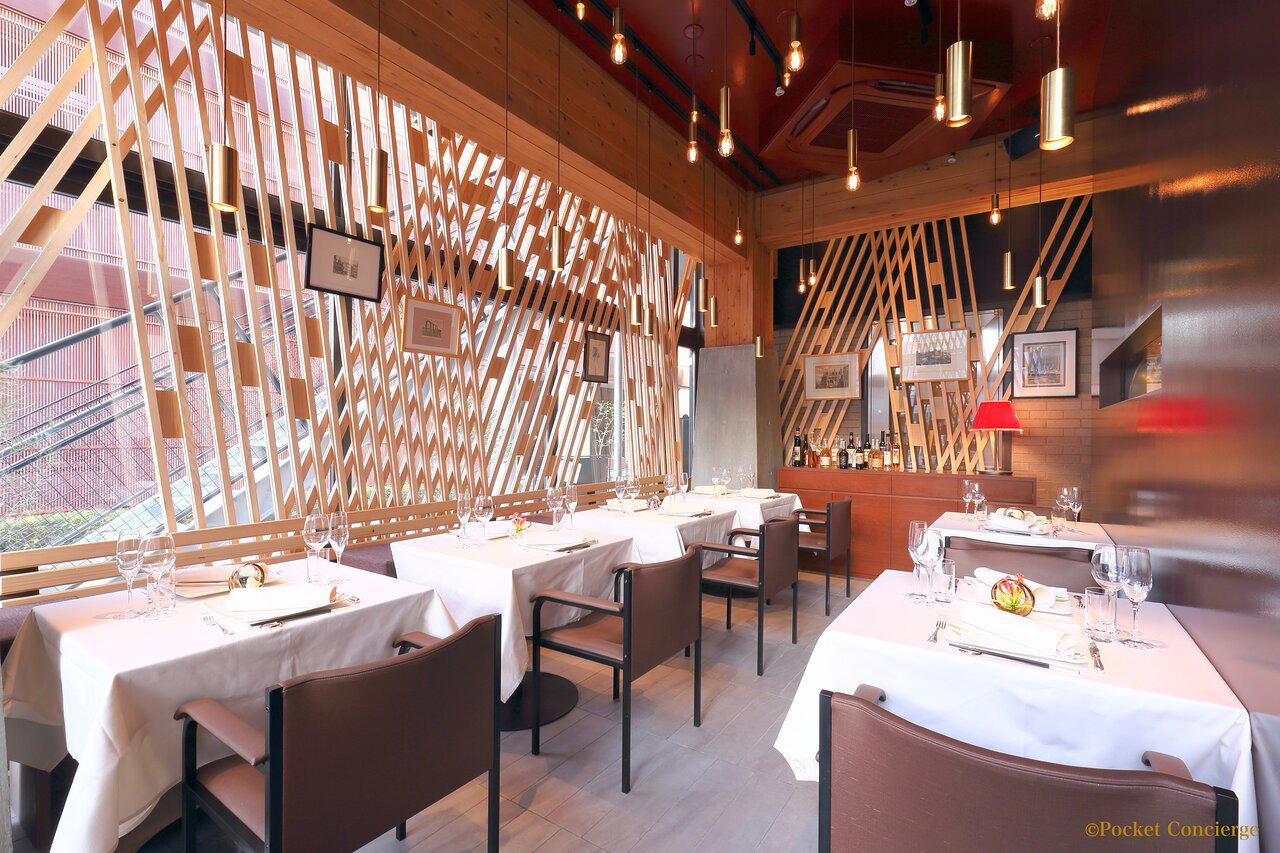
Italian Dining Beyond the Yamanote: The Setagaya Equation
Tokyo's premium Italian restaurants have largely consolidated around a handful of central addresses: Azabu, Ginza, Roppongi, and the fringes of Shinjuku. That concentration reflects real estate logic as much as culinary ambition. But a separate tier of Italian dining has taken root further out, in residential wards where rents allow for smaller, more owner-operated formats and where the clientele tends to arrive with higher repeat-visit frequency and lower tolerance for theatre over substance. Setagaya, Tokyo's most populous ward, is one of those territories. Ristorante I Lunga, a Northern Italian Fine Dining restaurant in Setagaya, Tokyo, located on the corner of Yanagi-koji in the Tamagawa neighbourhood, is positioned squarely within that quieter tradition.
The address itself carries meaning. Tamagawa sits near the Tama River, well south-west of the central loop, and draws the kind of long-term resident diner who builds relationships with specific rooms over years rather than seasons.
Lunch and Dinner: How the Divide Plays Out
Across Italian dining in Tokyo, the gap between lunch and dinner service has widened considerably over the past decade. Lunch now functions in many rooms as the more accessible commercial tier: shorter menus, condensed formats, sometimes a prix-fixe that removes the friction of decision-making at the table. Dinner carries the weight of occasion, longer pacing, and typically a wider wine programme. The lunch offering in neighbourhood Italian restaurants like those found in Setagaya and Meguro tends to outperform central-Tokyo equivalents on value-per-course, precisely because the cost base is lower and the kitchen has less incentive to pad margins with premium add-ons.
For a restaurant in Tamagawa, lunch service is likely where the ratio of quality to outlay tips most favourably toward the diner. Neighbourhood Italian rooms in outer Tokyo wards frequently run set lunches at price points that would be impossible to sustain in Minato or Chuo. Dinner, by contrast, is where the wine list expands, the menu lengthens, and the room shifts toward celebratory or anniversary bookings. The rhythm of such places follows the residential calendar: weekday lunches for local regulars, weekend evenings for occasion dining from further afield.
The Residential Italian Model in Context
Neighbourhood Italian in Tokyo occupies a different competitive space than the Michelin-visible rooms of central wards. Operations like Crony in Minami-Aoyama demonstrate how innovative French-Italian formats can sustain award attention in inner-ring neighbourhoods, while outer-ward restaurants tend to trade on consistency, value, and community rather than tasting-menu spectacle. The tradeoff is not a deficit: many of Tokyo's most technically accomplished Italian cooks have deliberately chosen residential settings precisely to escape the expectation of high-volume covers and accelerated menu cycling.
Across Japan, this pattern of skilled operators choosing lower-profile addresses is well documented. Akordu in Nara and Goh in Fukuoka illustrate how destination-quality cooking survives and sometimes thrives at a remove from major urban centres. The same logic applies within Tokyo's own internal geography: the further from the centre, the stronger the case that the kitchen is drawing diners on merit rather than location convenience.
Comparable dynamics appear in regional Japanese restaurants across the country. Dining in Nanao, Sapporo, Takashima, and Nishikawa Machi each reflect the broader Japanese tendency to sustain serious cooking outside the metropolitan radar. Birdland in Sakai and Bistro Ange in Toyohashi further confirm the pattern in their respective prefectures.
Placing I Lunga in the Tokyo Italian Register
Tokyo's Italian scene spans several price bands and conceptual registers. At the leading end sit rooms like those clustering in Azabu and Ginza, where multi-course menus and deep Italian wine lists sustain ¥¥¥¥ pricing. A step below, in the ¥¥¥ band represented by Florilège in the French register, sit restaurants that deliver technique and ingredient quality without the full ceremony of a tasting-menu room. Neighbourhood Italian in Setagaya more naturally inhabits this middle register or below it, where the proposition is skill and consistency rather than occasion-dining spectacle.
For high-end Japanese references in the city that help calibrate the wider fine-dining market, Harutaka in the sushi register and RyuGin in kaiseki each anchor distinct price and experience tiers. Internationally, the contrast is equally instructive: rooms like Le Bernardin in New York and Atomix demonstrate how European or Korean-inflected fine dining sustains recognition in high-visibility urban markets. I Lunga operates at a different pitch, where community embeddedness counts for more than international profile.
Planning Your Visit
Ristorante I Lunga is located at 3 Chome-13-7 Tamagawa, Setagaya City, Tokyo, on the southern corner of Yanagi-koji. Reservations are essential. Dress: smart casual. Budget: around US$150 per person. Opening hours: Mon, Tue, Thu to Sun 11:30 AM to 2:30 PM and 6 to 10 PM; Wednesday closed.
Pricing, Compared
Comparable venues nearby, for context on price, style, and recognition.
| Venue | Cuisine | Price | Notes |
|---|---|---|---|
| リストランテ イ・ルンガThis venue — the venue you are viewing | Setagaya, Northern Italian Fine Dining | $$$$ | Not listed |
| L'appartamento di NAOKI | Chūō, Wood-fired Italian tasting counter | $$$$ | Not listed |
| Fileja | Chiyoda, Pasta Omakase | $$$$ | Not listed |
| サローネ トウキョウ | Chiyoda, Contemporary Italian Ristorante | $$$$ | Not listed |
| ARMONICO | Not listed | $$$ | Shibuya, Modern Italian with Japanese Ingredients |
| Piatto Suzuki | Minato, Contemporary Italian | $$$$ | Not listed |











At a Glance
- Elegant
- Sophisticated
- Intimate
- Classic
- Date Night
- Special Occasion
- Business Dinner
- Open Kitchen
- Sake Program
- Extensive Wine List
- Local Sourcing
Current opening hours
- Monday
- 11:30 AM–2:30 PM, 6–10 PM
- Tuesday
- 11:30 AM–2:30 PM, 6–10 PM
- Wednesday
- Closed
- Thursday
- 11:30 AM–2:30 PM, 6–10 PM
- Friday
- 11:30 AM–2:30 PM, 6–10 PM
- Saturday
- 11:30 AM–2:30 PM, 6–10 PM
- Sunday
- 11:30 AM–2:30 PM, 6–10 PM
Hours can change for holidays and private events. Last verified .
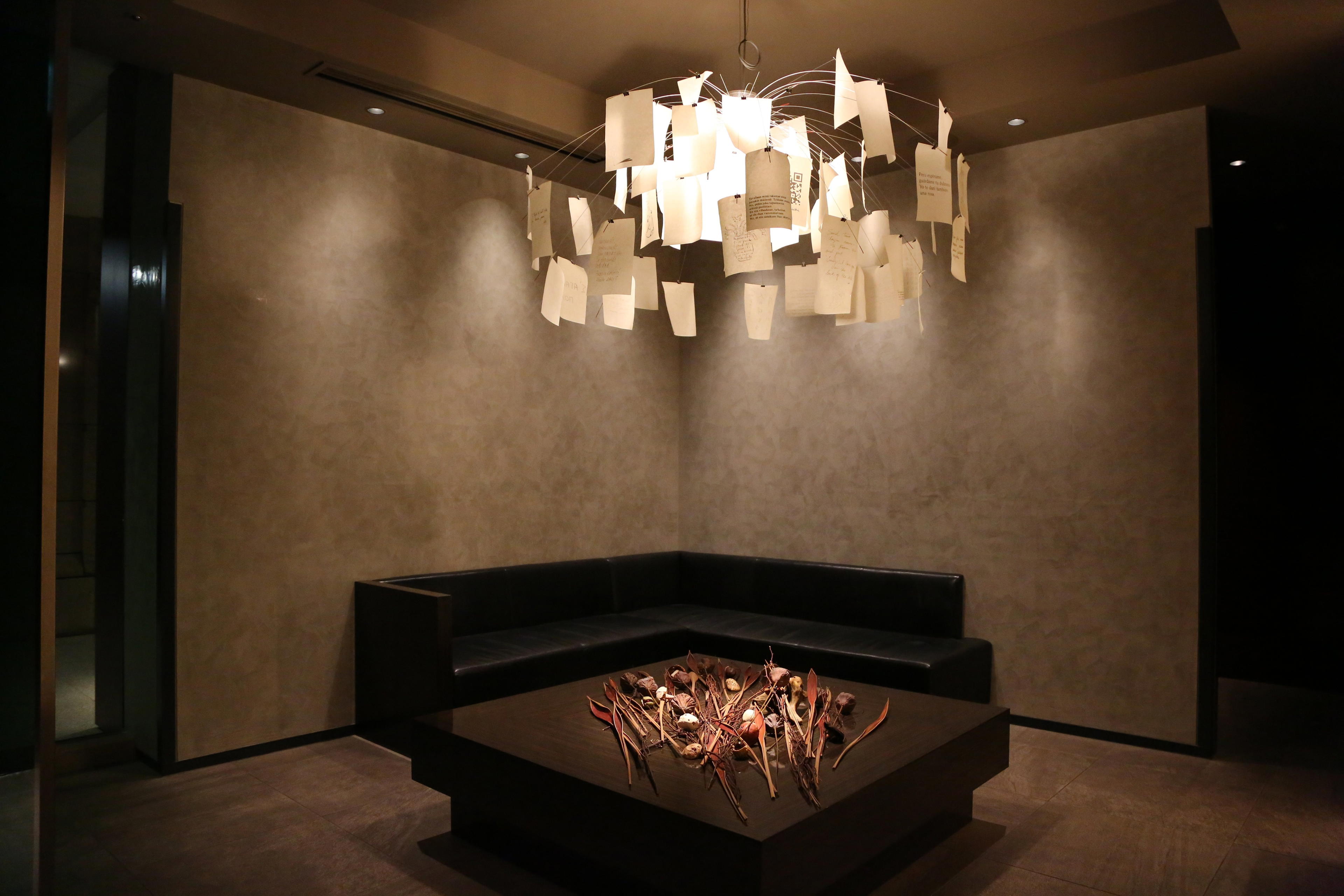
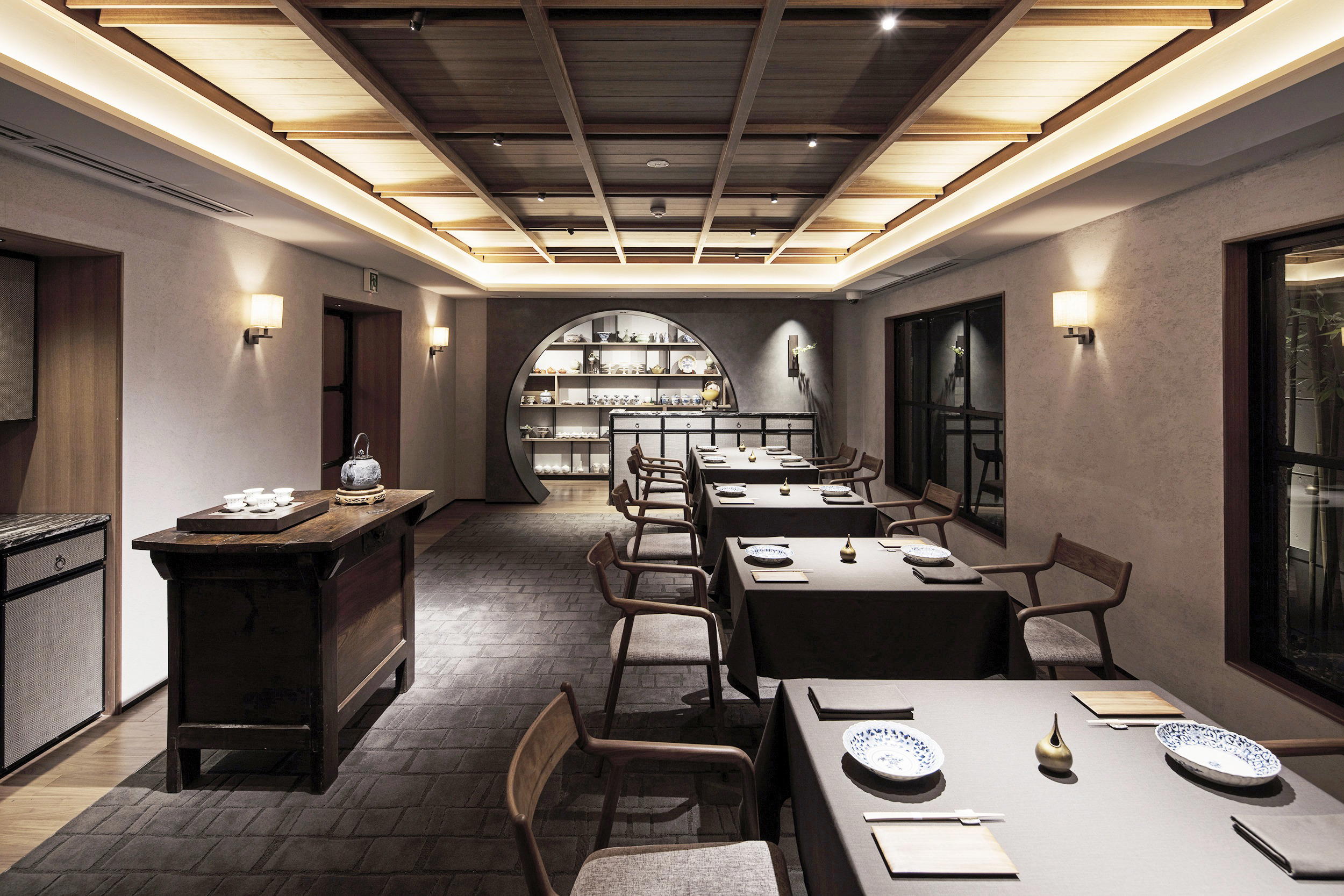
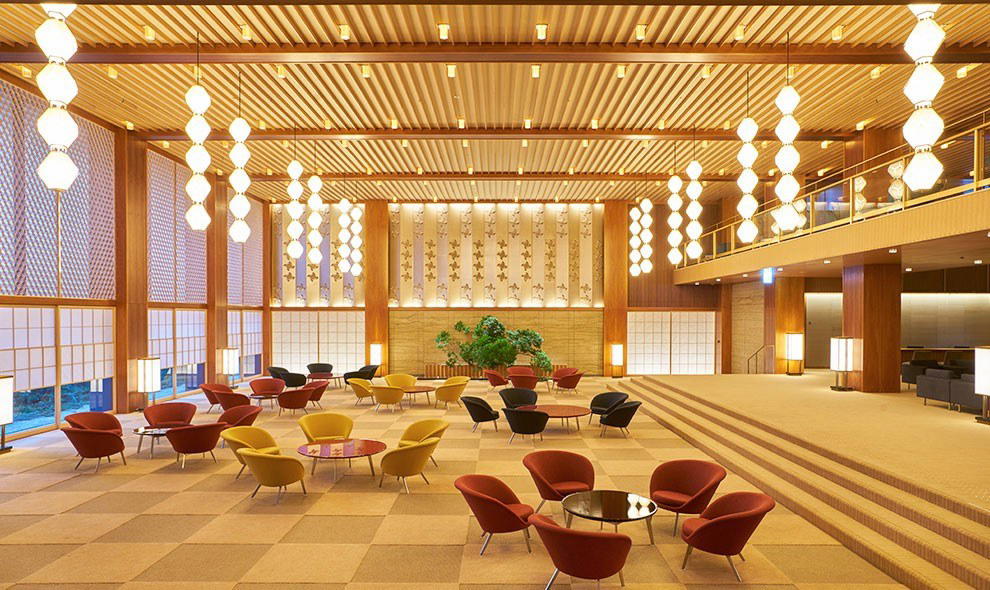
Refined and relaxing atmosphere with a focus on precise, tradition-rooted dishes.