
Ginza Chikamitsu places Ginza yakiniku in the private-room, occasion-led lane rather than the smoky counter genre. Its reputation rests on Japanese BBQ, tripe and beef dishes, with Tabelog 100 Yakiniku Tokyo 2025 recognition giving it a clear marker inside the city’s crowded beef scene.
Pearl is the En Primeur Club membership app — saves, bookings, and concierge access live there. Same editors, same standards.
- Address
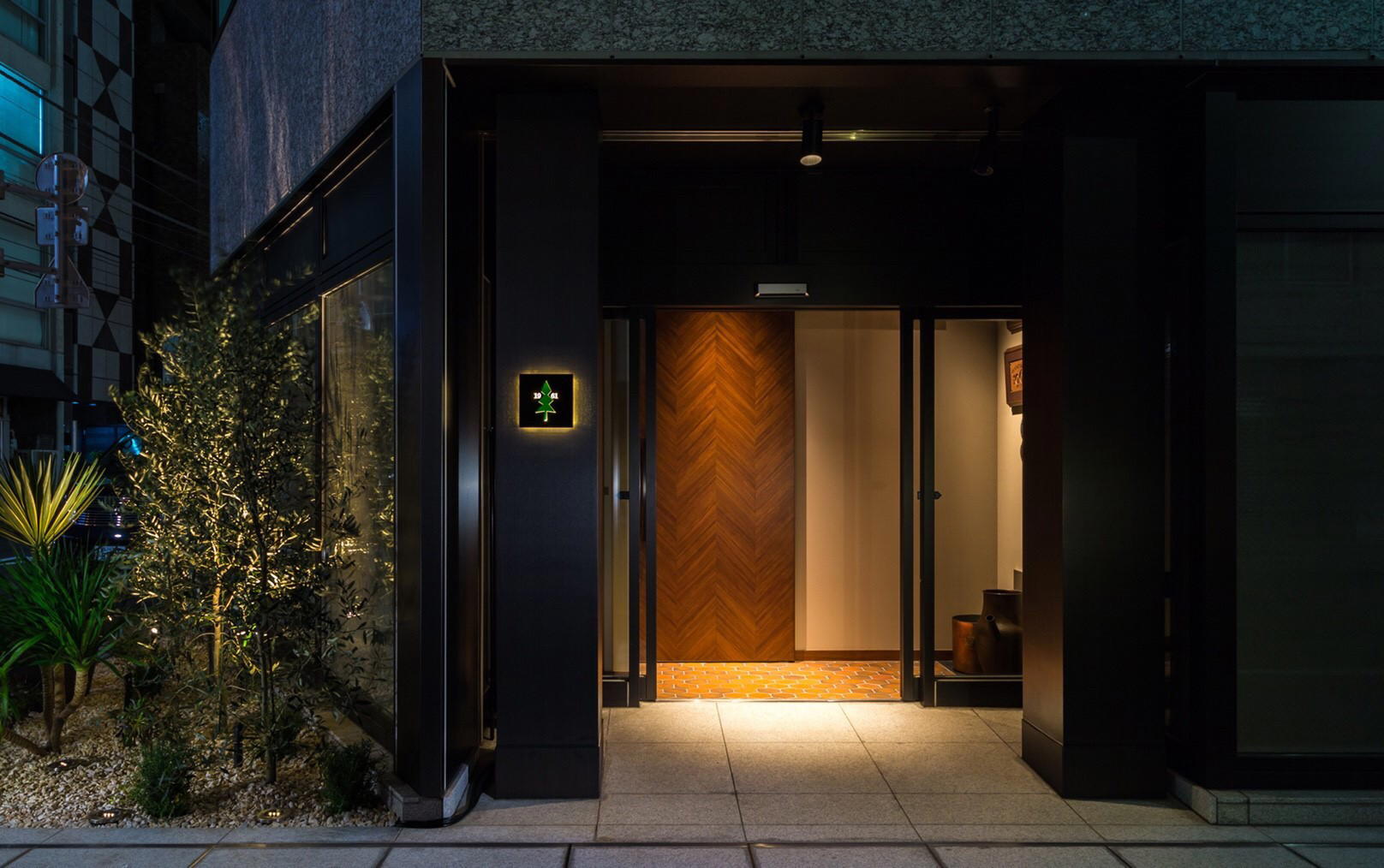
- Japan, 〒104-0061 Tokyo, Chuo City, Ginza, 7 Chome−13−2 ティアラグレイス 銀座タワー 1F
- Phone
- +81 3-6264-2294
- Website
- ginza-chikamitsu.com
 Saves & bookings on Pearl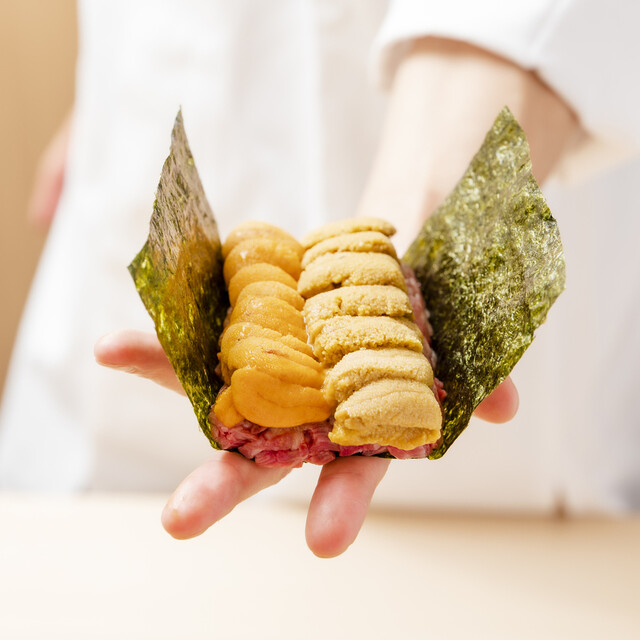
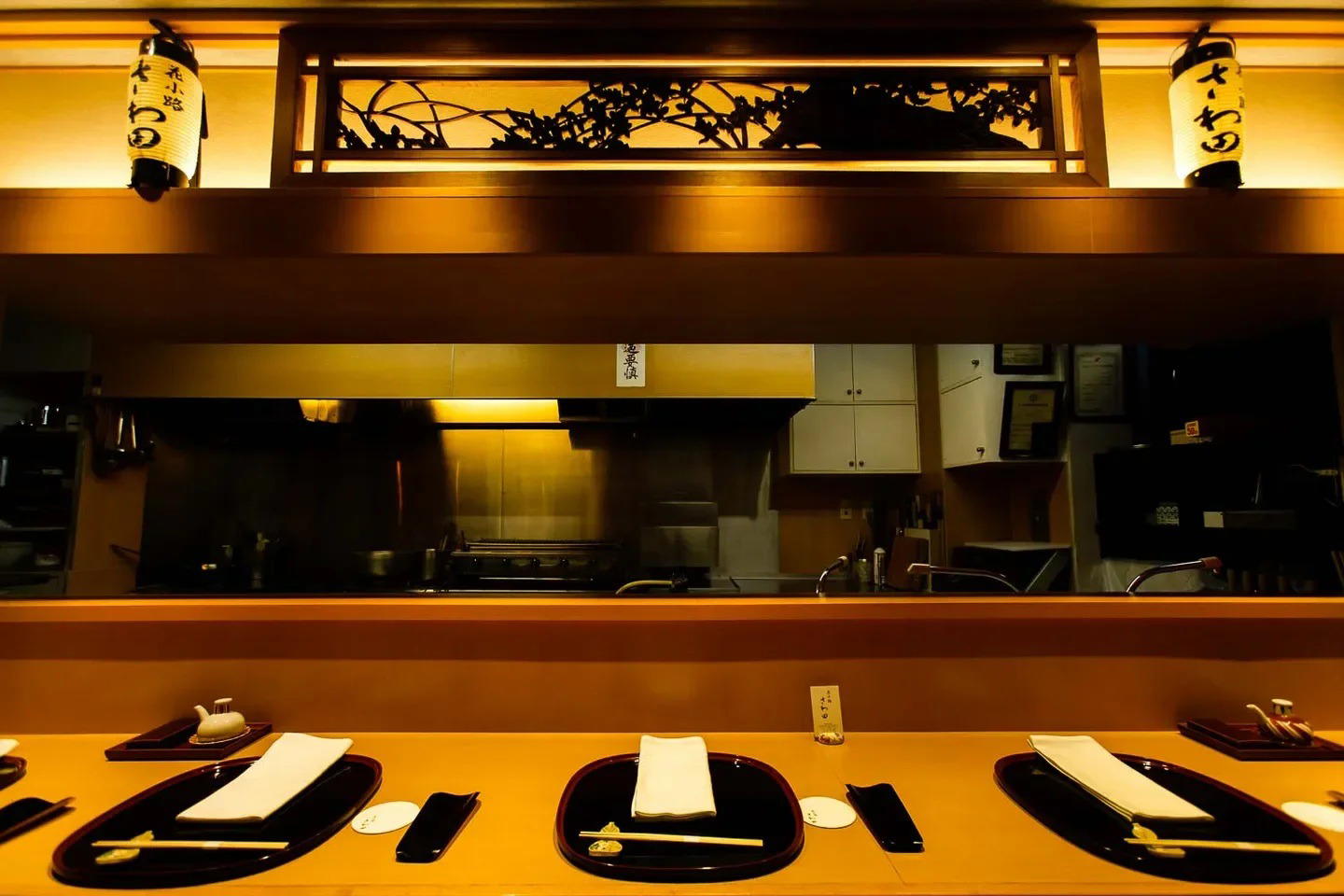
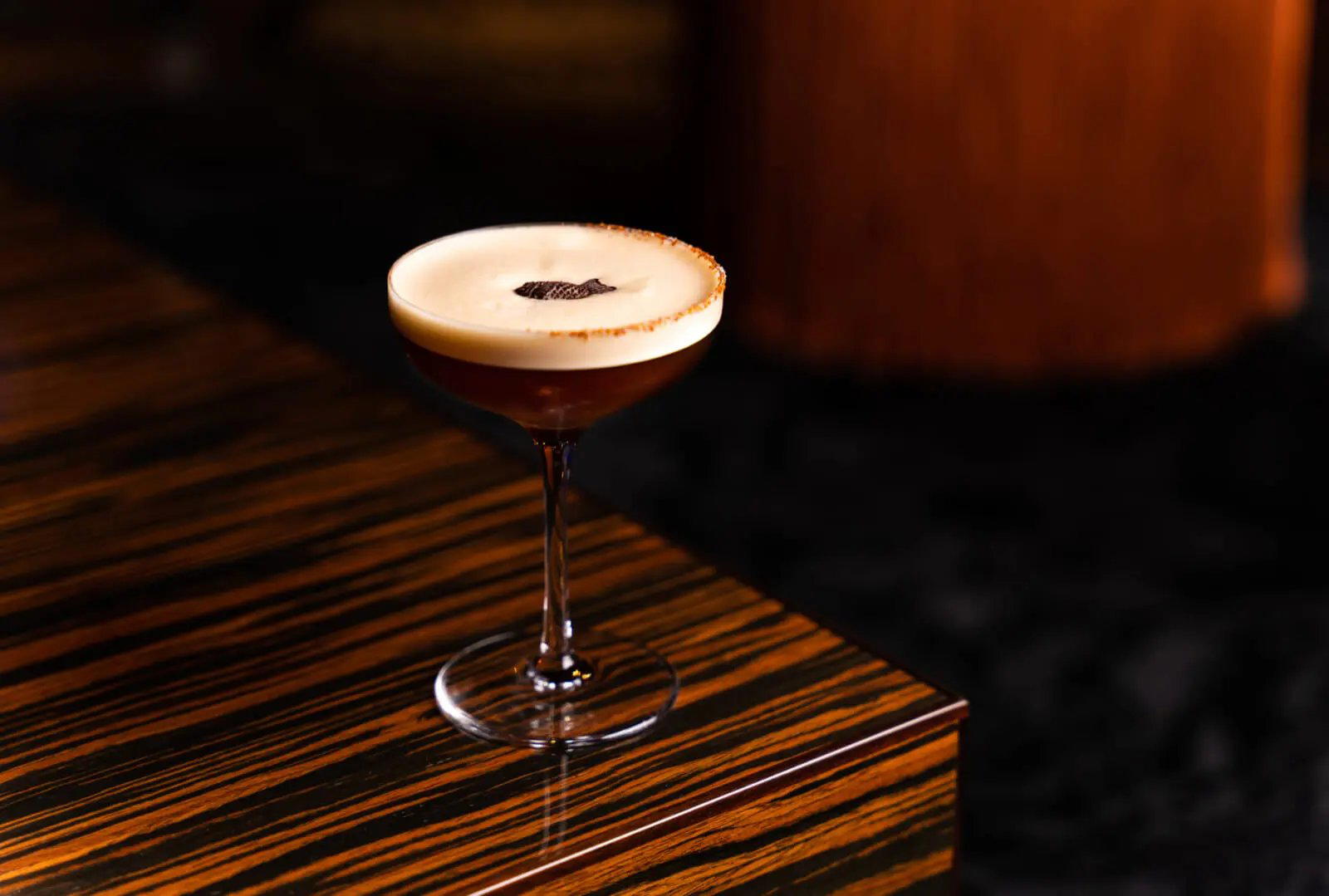
Ginza’s dining rooms often announce themselves by subtraction: fewer seats, less street noise, more control over pace. At Ginza Chikamitsu, that grammar suits yakiniku. Japanese barbecue moves away from the louder, smoke-heavy image many travellers associate with grilled beef into a contained register, where private-room service, a sommelier presence and a drinks list with sake, shochu and wine shape the experience as much as the grill.
That matters because Tokyo yakiniku has split into lanes: casual, fast and group-driven; luxury beef theatre; and, increasingly in Ginza and nearby districts, a polished dinner format for dates, family occasions and client meals. Ginza Chikamitsu belongs to the third. Its selection for Tabelog 100 Yakiniku Tokyo 2025 is the useful signal: evidence that it is judged within a competitive citywide category, not merely as a neighbourhood grill.
Private-room yakiniku changes the rhythm of lunch and dinner
The lunch-versus-dinner divide is the sharpest way to read the place. Daytime yakiniku in Ginza can fit between shopping, work and theatre-area appointments, asking less of the night than a long omakase counter or multi-course French room. Dinner turns the same core cuisine into an occasion. Private rooms support that shift, dampening the performative side of grilling and making the meal less about spectacle than timing, sequence and conversation.
The restaurant’s category is specific: yakiniku, tripe and beef dishes. That range matters because Tokyo’s beef restaurants often show seriousness through offal as much as prized cuts. Tripe and related preparations keep yakiniku tied to broader barbecue culture rather than reducing it to marbled beef alone. The better version is not just expensive meat; it is how kitchen and service create contrast across textures, cuts and grill timing without turning the table into a technical lecture.
Ginza changes expectations. The district is used to controlled environments, tight reservations and small-scale rooms, so barbecue here rarely feels rough-edged. The comparison is less with backstreet horumon counters than with restaurants that make a cuisine legible to mixed groups: visitors, Tokyo regulars, families and business diners. Ginza Chikamitsu’s all-private-room setup puts it firmly in that decision set.
For a broader Tokyo itinerary, the contrast helps. A meal at 124. KAGURAZAKA (Yakitori) points to skewer-and-counter tradition; . 鮪と炭火焼き うお炭 秋葉原店 frames charcoal through seafood and tuna; 3 Chome no Curry Ya San sits in a different comfort-food register. Yakiniku in Ginza is another category: protein-led, private and better suited to a planned meal than a casual detour.
The reputation is built on beef, not chef mythology
The useful way to approach the restaurant is not through chef biography. Tokyo has enough personality-driven dining rooms; this one reads through format, category and recognition. Tabelog’s 2025 Yakiniku Tokyo selection places it among restaurants assessed for grilled beef and related dishes in a city deeply fluent in the genre. That context is tougher than it may appear from outside Japan: Tokyo diners compare sourcing, cut selection, seasoning restraint, grill control, ventilation, service tempo and value with unforgiving precision.
The Chikamitsu and Ushimitsu family of related restaurants also matters. The restaurant Rokuchome is a direct comparison inside the same district, while expansion into other Tokyo neighbourhoods and beyond signals a group with repeatable systems rather than a single-room cult model. That makes the main Ginza address sensible for travellers wanting a polished expression of the genre without decoding an ultra-specialist counter.
Compared with Tokyo’s sushi and French rooms, yakiniku gives diners more agency. That can be strength or liability. At weaker restaurants, the grill becomes work; in a controlled private room, the meal can hold as a hosted sequence rather than a DIY exercise. Wine alongside sake and shochu shows where the category has moved in Ginza: beef restaurants now compete on beverage pairing logic and room comfort, not only cuts.
Cross-category comparisons sharpen the point. 12/10 Shinjuku ten, 2D Cafe, [ki:] in Kyoto and.cafe in Osaka each answer a different travel need. The restaurant is for the diner who wants Tokyo beef in a room built for privacy and pacing, not the loosest, rowdiest version of barbecue culture.
How to place it inside a Tokyo food trip
Within a short Tokyo stay, this is strategic rather than spontaneous. Ginza concentrates department stores, galleries, theatre-adjacent dining and high-budget restaurants, so yakiniku here works when an evening should feel settled without the ceremony of a sushi counter. Lunch is practical for a dense central Tokyo day; dinner carries more social weight and suits groups wanting time behind a closed door.
The family-friendly signals are notable in a city where premium dining can be difficult with children. Babies, preschoolers and school-age children are welcomed, and kids’ plates are listed. That does not make the restaurant casual in the usual sense; it makes it more useful. For families wanting serious beef without defaulting to hotel dining, the private-room format solves several problems at once.
Tokyo’s restaurant scene rewards specificity. A visitor does not need every category on one trip; choose distinct formats. Use Our full Tokyo restaurants guide for the wider dining map, then separate the itinerary by mood: Our full Tokyo hotels guide for where to sleep, Our full Tokyo bars guide for late drinks, Our full Tokyo experiences guide for cultural planning and Our full Tokyo wineries guide for wine-led detours. For beef beyond the capital, -Grilled beef Sukiyaki- KAMAKURA TANUKIAN 鎌倉 たぬき庵 in Kamakura gives a different regional frame.
Travellers building a Japan-wide food route can use contrast rather than repetition:.know in Kumamoto, (Shoku) Vietnam in Kawasaki and [Curry Senmon Ten] Maruyama Kyoju. in Sapporo pull the itinerary away from Ginza’s controlled polish. Overseas references such as Jōdo Saké Bar in Los Angeles and Onigiri Time in Pasadena underline the same point: Japanese dining travels in many forms, but Tokyo’s private-room yakiniku remains shaped by local expectations, not export shorthand.
How It Stacks Up
Comparable venues by category and price.
| Venue | Cuisine | Price | Notes |
|---|---|---|---|
| Ginza ChikamitsuThis venue — the venue you are viewing | Luxury Wagyu Yakiniku | $$$$ | Not listed |
| 精进料理 醍醐 | Shojin-ryori Buddhist vegetarian kaiseki | $$$$ | Minato (Atago) |
| Ginza Ichibun | Traditional Edomae Sushi Omakase | $$$$ | Chūō |
| Karyu | Wagyu Kaiseki | $$$$ | Chūō |
| 霞町 やまがみ | Michelin-Starred Kaiseki | $$$$ | Minato |
| 神楽坂 石かわ | Michelin Three-Star Kaiseki Omakase | $$$$ | Shinjuku |
Recognition history
Dated appearances from independent guides and award organizations, with the underlying list record or original source where available.
Tabelog 100 #1 · No. 1
Tabelog · Tabelog 100 - Yakiniku - TOKYO - 2025










At a Glance
- Elegant
- Intimate
- Sophisticated
- Modern
- Date Night
- Business Dinner
- Group Dining
- Celebration
- Special Occasion
- After Work
- Private Dining
- Standalone
- Design Destination
- Extensive Wine List
- Sake Program
Current opening hours
- Monday
- 11 AM–3 PM, 5–11:30 PM
- Tuesday
- 11 AM–3 PM, 5–11:30 PM
- Wednesday
- 11 AM–3 PM, 5–11:30 PM
- Thursday
- 11 AM–3 PM, 5–11:30 PM
- Friday
- 11 AM–3 PM, 5–11:30 PM
- Saturday
- 11 AM–3 PM, 5–11:30 PM
- Sunday
- 11 AM–3 PM, 5–11:30 PM
Hours can change for holidays and private events. Last verified .
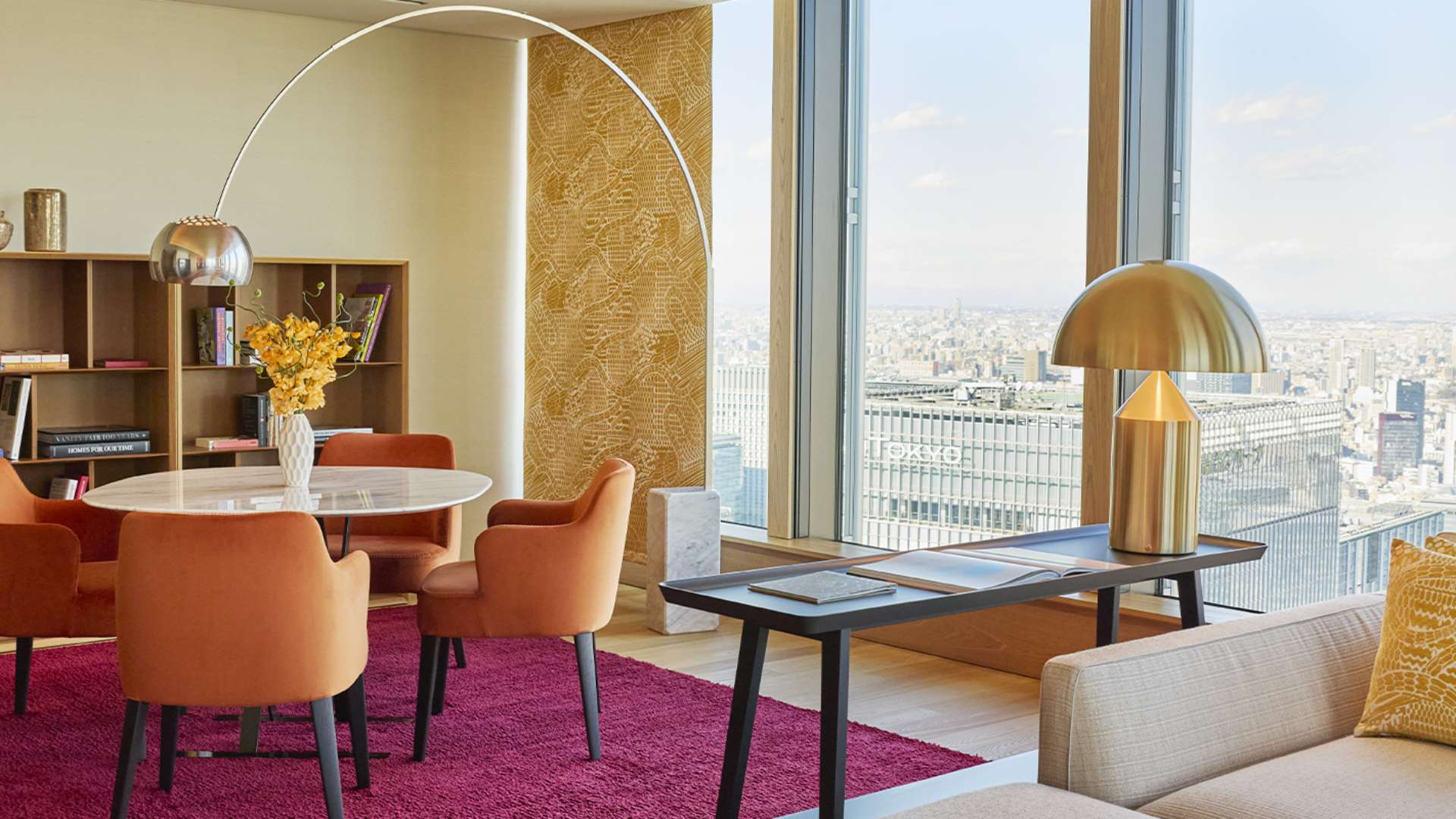
Upscale and quietly sophisticated, with comfortable private rooms and calm lighting that create an intimate, special-occasion feel rather than a casual smoky BBQ atmosphere.