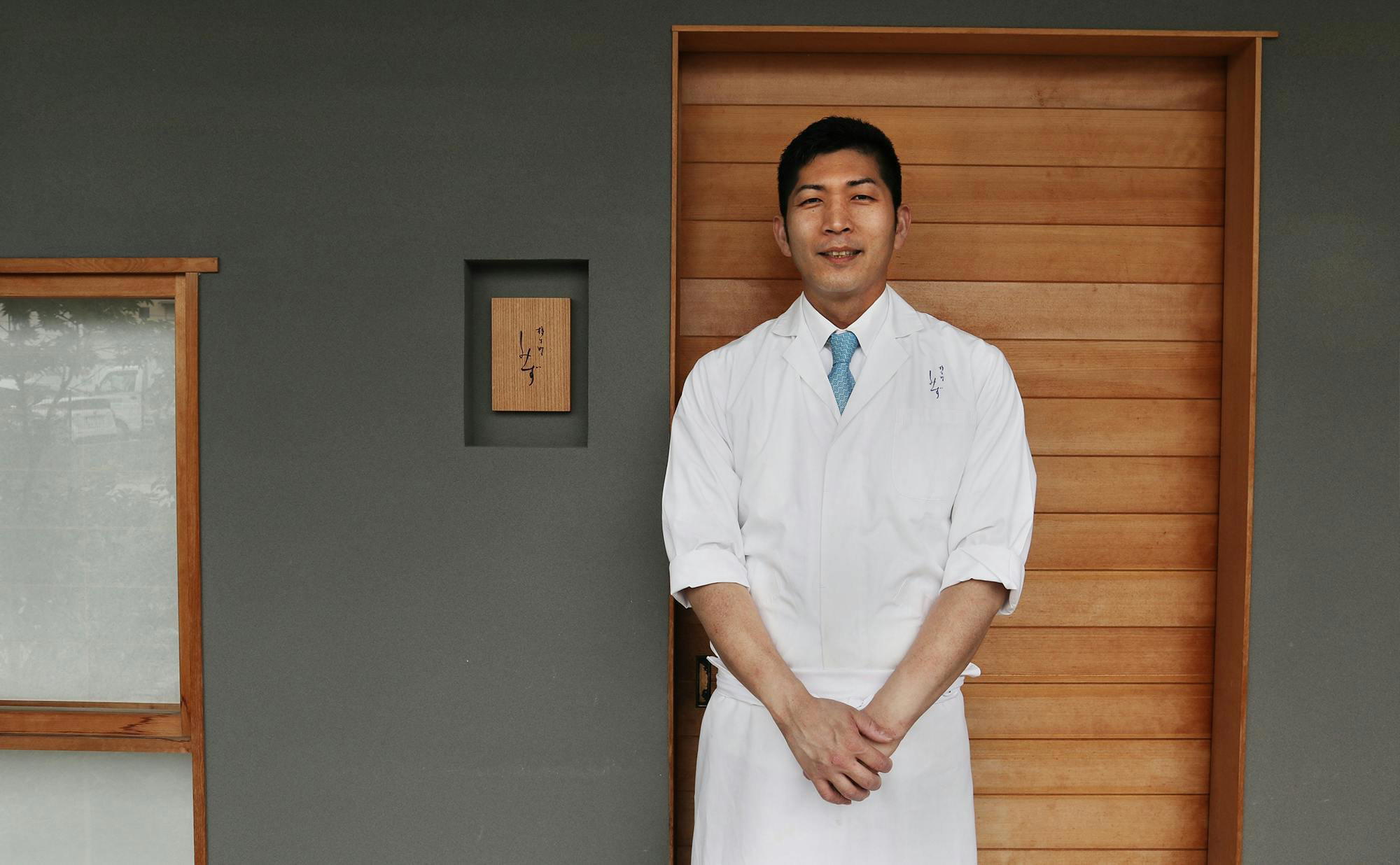
A quietly-placed restaurant in Nagoya's Higashi Ward, 橦木町 しみず occupies the Shumokucho district, a neighbourhood that has gradually established itself as a counterpoint to the city's louder dining corridors. With limited public-facing information, it operates within a tier of Japanese dining that reserves detail for those already at the table, a format common to Nagoya's more deliberate, reservation-led establishments.
 Discover on Pearl
Pearl is the En Primeur Club membership app — saves, bookings, and concierge access live there. Same editors, same standards.
- Address
- Japan, 〒461-0014 Aichi, Nagoya, Higashi Ward, Shumokucho, 3 Chome−24 プランドール撞木 1F
- Phone
- +81528905515
Seasonal Gifu Kaiseki Omakase in Nagoya
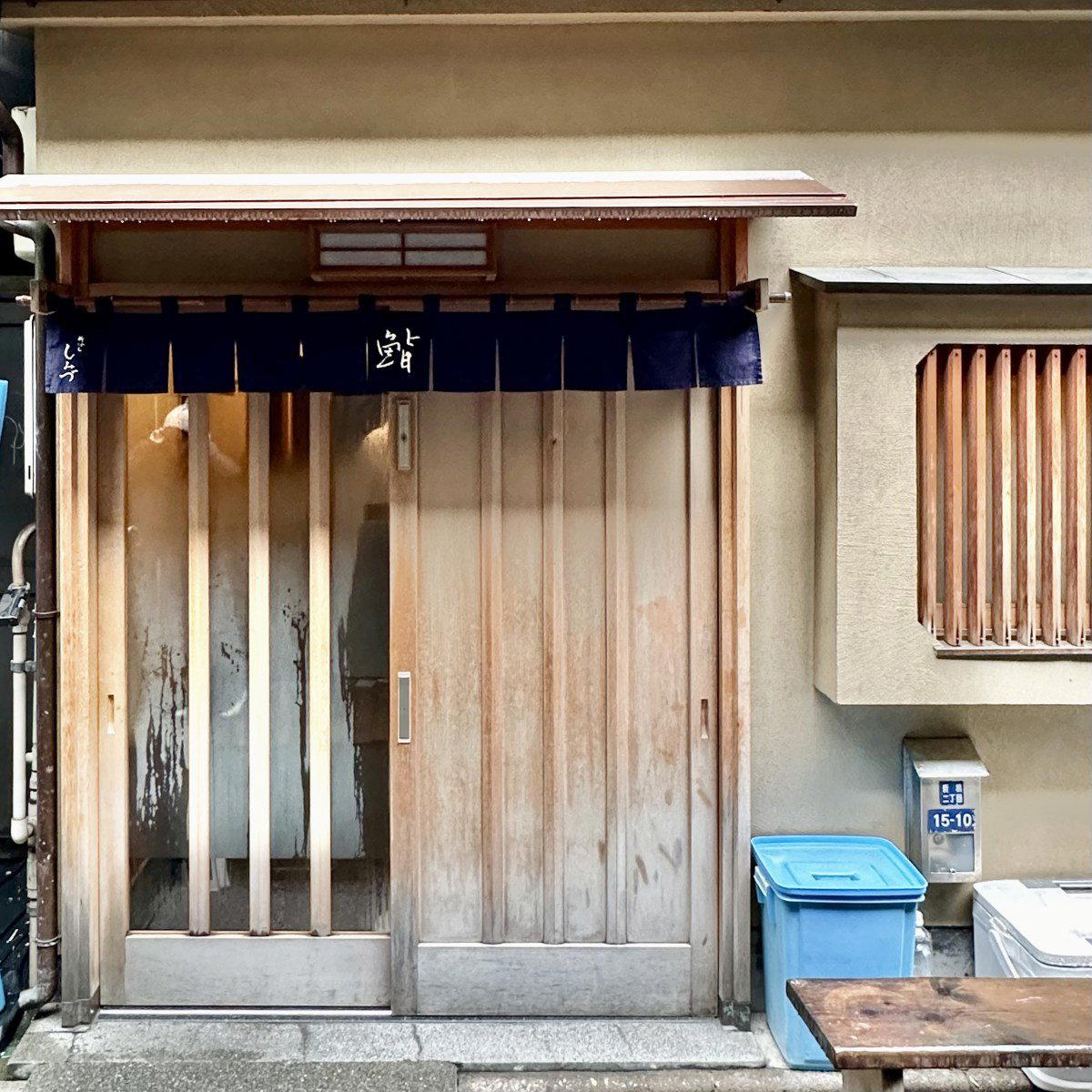
Nagoya's dining identity is often read through its kishimen noodles, miso-braised dishes, and the long queues outside Atsuta Horaiken (あつた蓬莱軒 本店), but a different tier operates almost entirely beneath that surface. In Higashi Ward, the Shumokucho district has accumulated a concentration of small, considered restaurants that work on near-anonymous terms, no signage visible from the street, no reservation portals, no press-release biographies. 橦木町 しみず sits in that cohort. Its address places it inside a low-rise building on a residential-commercial block, the kind of location that filters out casual passersby by design.
This format is not unusual in Japan's mid-to-premium restaurant tier. Across the country, from Gion Sasaki in Kyoto to the counter restaurants that line the backstreets of Fukuoka near Goh, the low-visibility model signals a specific proposition: the kitchen does not need to advertise because its guests return, and word reaches the right people through recommendation rather than algorithm. What distinguishes this approach from obscurity is intentionality. The restaurant is not hard to find because it is overlooked; it is hard to find because it is designed to be found only by those looking deliberately.
The Architecture of a Meal in This Format
In Japanese dining, the structure of a meal often does more communicating than any menu description could. At small counter and room restaurants in this category, the progression from opening course to closing is calibrated to shift the diner's attention incrementally, from texture to temperature, from concentrated to cleansing, from primary to composed. This sequencing logic, familiar at restaurants such as Harutaka in Tokyo or HAJIME in Osaka, reflects a discipline that rewards the diner who surrenders to the pace rather than directing it.
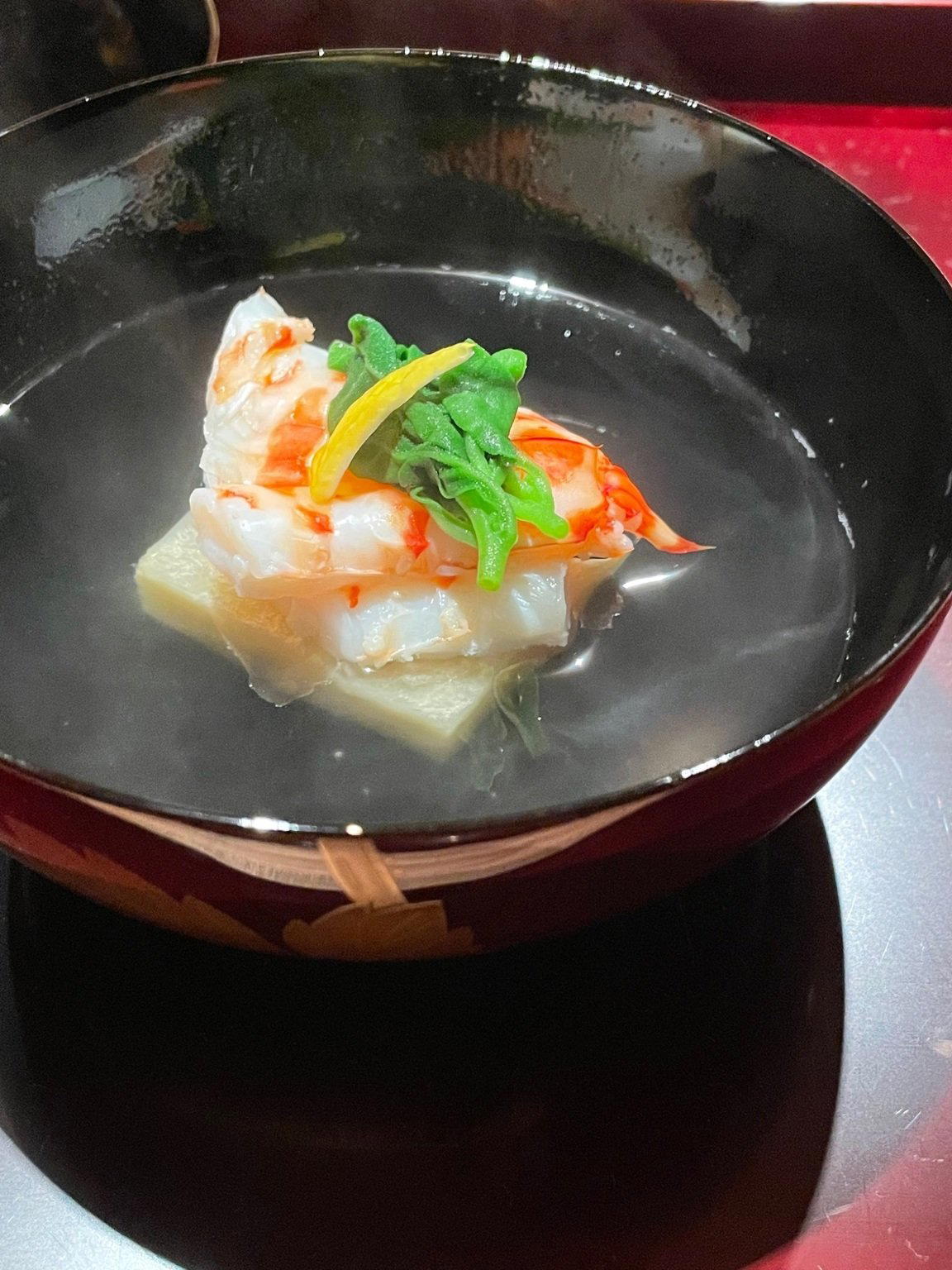
At establishments in Shumokucho operating in this register, the opening courses are rarely the showpiece, they establish reference points. Mild, seasonal, often raw or lightly dressed preparations frame the palate before heavier technique or longer-cooked proteins arrive. The midpoint of the meal tends to carry the most technical weight: this is where heat management, reduction, or precision cutting is most visible. The final courses then wind back toward subtlety, often ending with something grain-based, lacto-fermented, or simply restrained, a structural choice that leaves the diner with clarity rather than satiation as the dominant sensation.
What the restaurant's location, format, and operating model suggest is a kitchen working in this inherited logic, with a focus on local sourcing that Aichi Prefecture makes especially accessible, the region's agricultural output, Mikawa Bay seafood, and proximity to the Kiso River basin provide a seasonal ingredient calendar that supports this kind of progression-oriented cooking throughout the year.
Nagoya's Position in the Broader Japanese Fine Dining Picture
Japan's dining conversation frequently defaults to Tokyo, Kyoto, and Osaka, but Nagoya has maintained its own serious restaurant culture largely outside that circuit. The city sits at the economic centre of the Tokai region, with a manufacturing-driven economy that generates consistent local spending on food without the tourist-driven volatility of other destinations. That stability has supported a class of small, owner-operated restaurants that do not calibrate their menus to international visitors or review cycles.
Restaurants in the Shumokucho district, including 橦木町 しみず, operate in this local ecosystem. They are not positioning themselves against the Michelin-starred counters in Nagoya's more visible districts, nor against the Italian or French restaurants that have taken a firm hold in the city's dining mix, places like cucina Wada, Bacio, and Chez Kobe, which have each built sustained reputations in the Western-cuisine tier. The Japanese-format small restaurants in Higashi Ward occupy a separate competitive set, one measured by repeat custom and local word-of-mouth rather than by award cycles or media coverage.
For comparison, the seasonal kaiseki and washoku formats that define this category in other cities, see akordu in Nara for a Western-influenced counterpoint, require a diner who has already decided to commit time and attention. Nagoya's version of this tradition is somewhat more direct, rooted in the city's own preference for substance over ceremony. That tendency runs through the food culture here in ways that distinguish it from Kyoto's more ceremonial kaiseki tradition.
What to Expect From the Setting and Format
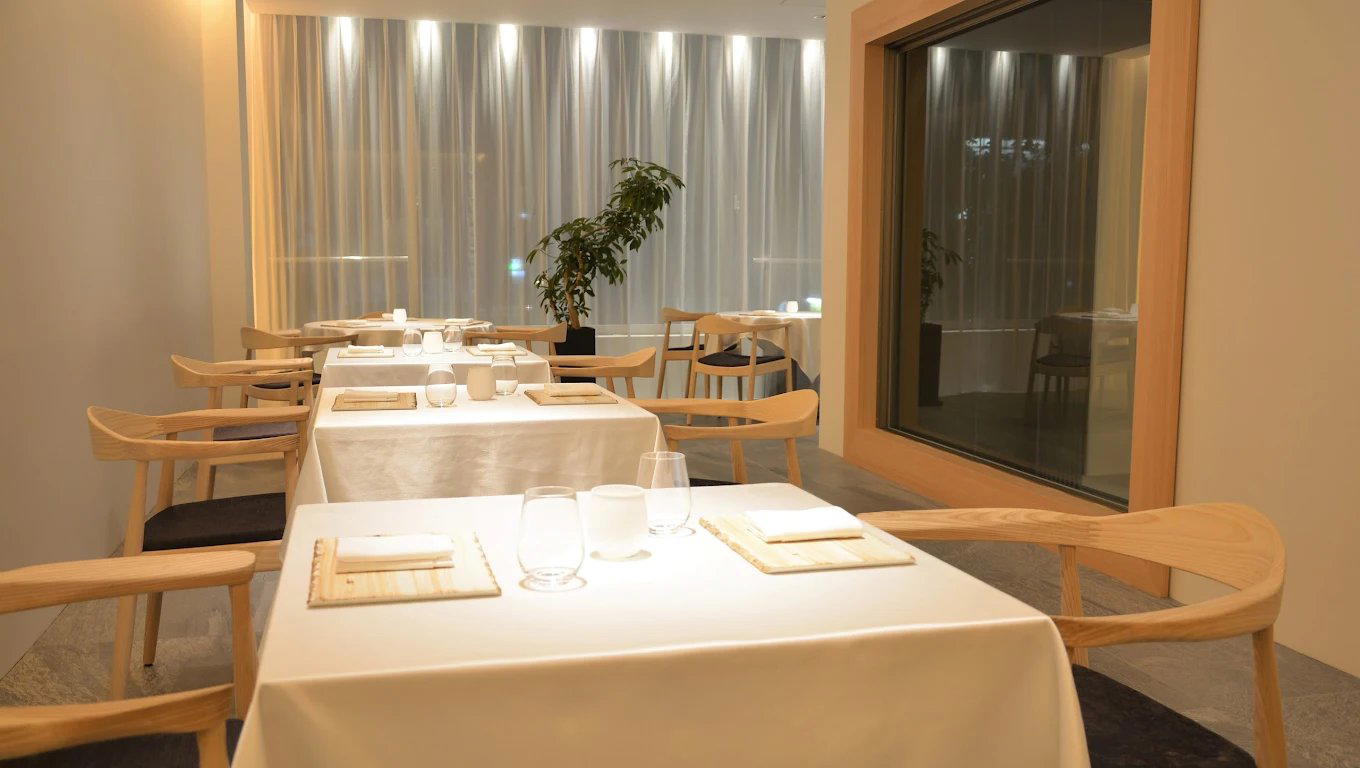
The address places it on the ground floor of Plandor Shumokucho, a mixed-use property in Higashi Ward. First-floor locations in this type of Nagoya building typically accommodate ten to twenty covers at most, often fewer for counter-only formats. This scale is consistent with the operating model described above: limited seating ensures that the kitchen can maintain the sequencing discipline that this style of dining requires.
Other restaurants across Japan that operate in similarly low-profile, neighbourhood-embedded formats include 一本杉 川島酒造店 in Nanao, 夕月庵 in Sapporo, and 羽根屋 in Nishikawa Machi, all part of a wider pattern of Japanese dining where location legibility is inversely proportional to kitchen ambition. 湖畔荘庵 in Takashima and Birdland in Sakai also reflect this geography of intentional restraint. For those accustomed to the American model, where restaurant ambition is matched by visibility, as at Le Bernardin in New York City or Atomix in New York City, this Japanese inverse relationship between profile and quality requires a brief recalibration.
A broader view of Nagoya's restaurant offer, including its Western, Japanese, and sushi formats such as Cucina Italiana Gallura, appears in our full Nagoya restaurants guide.
Know Before You Go
Know Before You Go
- Address: Plandor Shumokucho 1F, 3 Chome-24 Shumokucho, Higashi Ward, Nagoya, Aichi 461-0014, Japan
- Booking: Reservation is essential.
- Getting there: Higashi Ward is served by the Nagoya Municipal Subway. Shumokucho is most accessible from stops along the Higashiyama Line.
- Timing: Mon-Sat 6-10 PM; Sunday closed.
- Price range: Around $400 per person.
Pricing, Compared
Comparable venues nearby, for context on price, style, and recognition.
| Venue | Cuisine | Price | Awards | Notes |
|---|---|---|---|---|
| 橦木町 しみずThis venue — the venue you are viewing | Higashi, Seasonal Gifu Kaiseki Omakase | $$$$ | , | |
| Nako Tei | Nakamura, Luxury Japanese Teppanyaki | $$$$ | , | |
| Hanamaru Kichijitsu | $$$$ | , | Naka, Seasonal Kuzushi Kaiseki / Omakase Japanese | |
| Sushisho | Naka, Edo-style Sushi Omakase | $$$$ | , | |
| Sushi Izumu | Naka, Intimate Sushi Omakase Counter | $$$$ | , | |
| Tori Ryori Masa | Higashi, Yakitori & Chicken Cuisine | $$$ | , |
Continue exploring
More in Nagoya
Restaurants in Nagoya
Browse all →
At a Glance
- Intimate
- Elegant
- Sophisticated
- Special Occasion
- Date Night
- Chefs Counter
- Sake Program
- Local Sourcing
Quiet, modern counter seating in a serene Higashi Ward setting.