
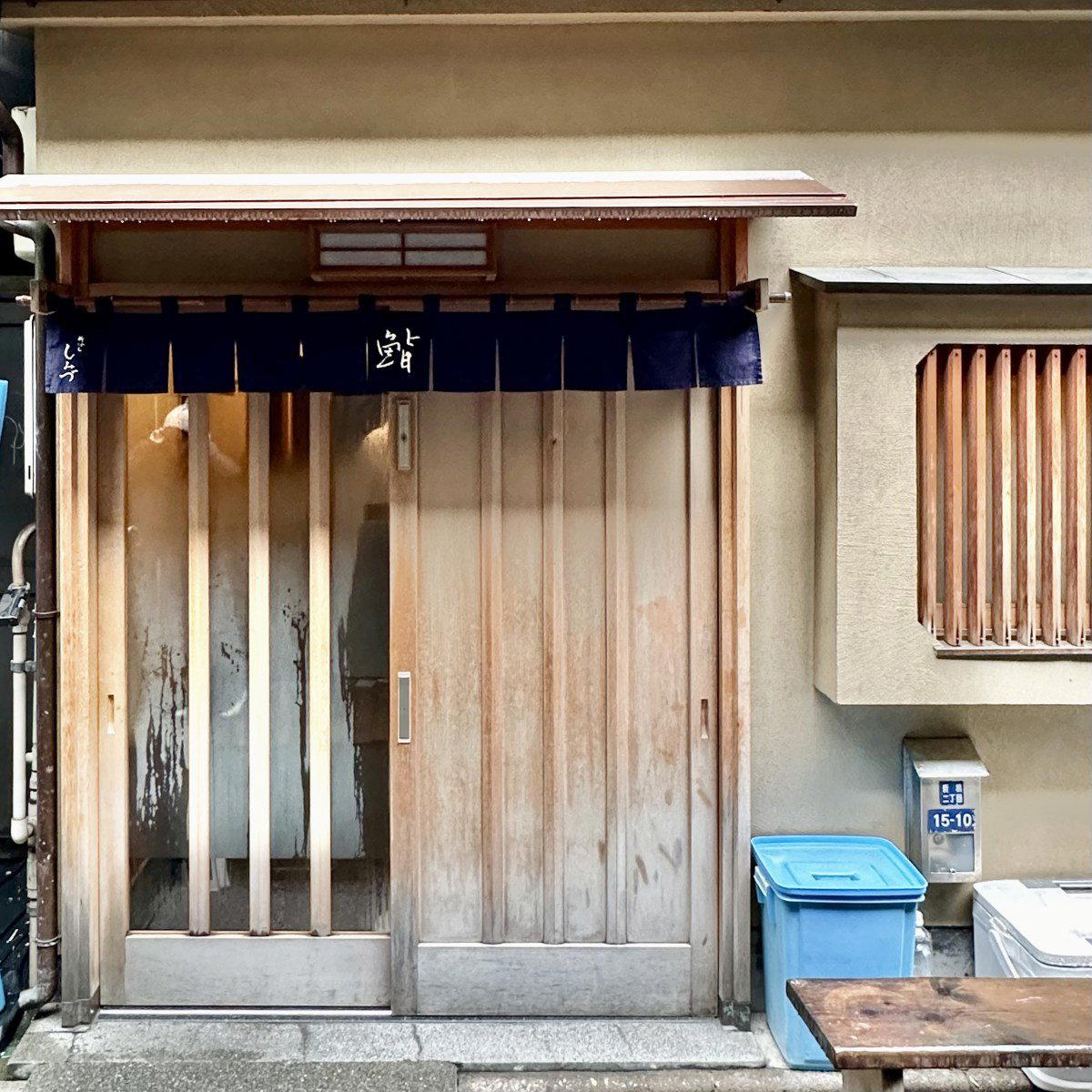
A seven-seat counter in Nagoya’s Izumi district, Tori Ryori Masa sits in the city’s serious chicken-cooking tier rather than its casual yakitori lane. Recognition in the Tabelog 100 for Chicken cuisine 2025, reservation-only service, counter seating, sake and wine, and a dinner range around JPY 8,000 to JPY 9,999 make it a compact, specialist address for focused poultry cooking.
Pearl is the En Primeur Club membership app — saves, bookings, and concierge access live there. Same editors, same standards.
- Address
- 愛知県名古屋市東区泉2-7-16 鍋屋町鈴木ビル 1F
- Phone
- +81529083622
- Website
- tabelog.com
 Saves & bookings on Pearl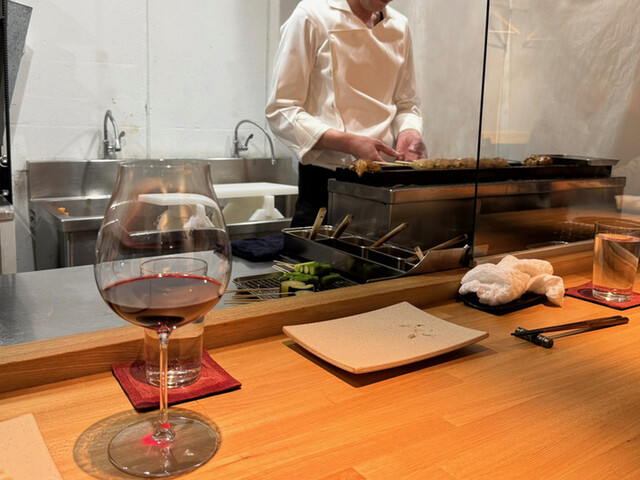
Izumi has a quieter register than Nagoya Station or Sakae: lower-rise streets, businesslike evenings, and restaurants that often reward a deliberate detour rather than passing trade. In that setting, a seven-seat counter changes the rhythm of dinner. Chicken cookery in Japan can be quick, smoky and beer-led, but the small-counter format pushes it toward sequence, temperature control and cut-by-cut attention. Tori Ryori Masa belongs to that narrower category, where the language of yakitori overlaps with the discipline of kappo and the meal is built around proximity to the grill rather than spectacle.
Chicken cookery treated with kappo-level control
Nagoya is an instructive city for this kind of restaurant because chicken is not a secondary protein here. Aichi’s poultry culture, especially the prestige attached to local breeds and careful butchery, gives chefs more to work with than a generic skewer menu. The stronger addresses in this field tend to judge themselves by how well they handle different textures, fat levels and grill timing, not by how many items can be listed on a menu. That is where imported technique and local product meet: the counter meal uses a precise, almost atelier-like approach, while the subject remains familiar Japanese chicken cooking.
The venue’s categories, chicken dishes and yakitori, are modest labels for a format that demands restraint. At this level, the interest is not simply charcoal or seasoning. It is the progression from leaner cuts to richer ones, the management of skin and fat, and the way sake or wine can carry the meal without turning it into a formal French-style pairing exercise. The drinks list’s stated focus on sake and wine places the restaurant in a contemporary Japanese pattern: poultry counters now compete not only with casual yakitori houses, but with small tasting-menu rooms where beverage choices are expected to have range.
Recognition in the Tabelog 100 for Chicken cuisine 2025 gives the restaurant a public signal that matters in Japan’s dining hierarchy. Tabelog’s Hyakumeiten lists are category-specific, which is useful here: the comparison is not against sushi counters or kaiseki rooms, but against other addresses working within chicken cuisine. That distinction keeps the praise properly scaled. This is a specialist counter inside a defined genre, not a general luxury restaurant trying to cover the field.
Where it sits in Nagoya's small-counter economy
Within Nagoya, the price band places the restaurant in a serious but not extravagant bracket. Centro sits higher at JPY 20,000 to JPY 29,999, while Nagoya Cochin Kappo Torifuku moves above this address at JPY 10,000 to JPY 14,999. Kofukusai Kamekichi occupies the same JPY 8,000 to JPY 9,999 dinner range, and Kizki sits lower at JPY 6,000 to JPY 7,999 for dinner. Those comparisons matter because they show how sharply segmented Nagoya dining has become: diners can choose between a compact poultry counter, a broader kappo format, Chinese kappo such as Chuka Kappou Hisada, or higher-priced tasting formats without leaving the city’s central orbit.
Seven seats also change the economics of access. A reservation-only counter with no private rooms and counter seating is not designed for flexible group dining or last-minute corporate overflow. It suits pairs, solo diners who understand counter etiquette, and small parties willing to commit to a tightly managed evening. In Japanese dining terms, that intimacy is not decoration; it is the operating system. The cook’s timing, the sequence of courses, and the room’s pace all depend on limited capacity.
The address near Takaoka Station puts it slightly apart from the louder dining corridors. That has a practical consequence for visitors: this is better treated as the evening’s main plan rather than a casual add-on after hotel drinks or shopping. The surrounding Izumi and Higashi-ku area has enough restaurant density to justify the trip, but the experience here is not about neighbourhood grazing. It is about a narrow culinary subject handled with concentration.
A focused Nagoya choice for poultry, sake and wine
The critical appeal is clarity. Nagoya dining can be discussed through miso katsu, hitsumabushi and kishimen, but the city’s quieter strength is the depth of its specialist rooms. Chicken cuisine benefits from that culture because the difference between ordinary and serious versions is often invisible on paper. A seven-seat counter, reservation-only policy, Tabelog 100 selection and sake-wine drinks orientation form a reliable set of signals: the meal is built for diners who care about gradation rather than abundance.
For broader planning, place this dinner alongside the city’s other categories rather than treating it as an isolated stop. EP Club’s Our full Nagoya restaurants guide maps the wider dining field, while Our full Nagoya hotels guide, Our full Nagoya bars guide, Our full Nagoya wineries guide and Our full Nagoya experiences guide help structure the rest of a stay. Nearby and related restaurant research can also run through 1022, 451, Aaron, Alan. and All Day Dining Montmartre.
Readers building a Japan-wide food itinerary can compare Nagoya’s poultry focus with other precise regional formats: -Grilled beef Sukiyaki- KAMAKURA TANUKIAN 鎌倉 たぬき庵 in Kamakura. 鮪と炭火焼き うお炭 秋葉原店 in Tokyo.cafe in Osaka.know in Kumamoto, (Shoku) Vietnam in Kawasaki and [Curry Senmon Ten] Maruyama Kyoju. in Sapporo. For a trans-Pacific sake angle, Jōdo Saké Bar in Los Angeles and Onigiri Time in Pasadena show how Japanese drinking and comfort-food formats translate outside Japan.
Price and Positioning
Comparable venues by category and price.
| Venue | Cuisine | Price | Notes |
|---|---|---|---|
| Tori Ryori MasaThis venue — the venue you are viewing | Higashi, Yakitori & Chicken Cuisine | $$$ | Not listed |
| Toriryori Jun | Not listed | $$$ | Higashi, Omakase Yakitori & Chicken Cuisine |
| Yakitori Kissho | Not listed | $$$ | Higashi, High-end Yakitori (Nagoya Cochin) |
| Sakana To Nihonshu Atarayo | Naka, Creative Seafood Izakaya with Sake | $$$ | Not listed |
| Ozara Yakiniku Roujuu | Not listed | $$$ | Nishi, Nagoya-style Yakiniku (Japanese BBQ) |
| Taverna Sukima | Not listed | $$$ | Chikusa, Yoshoku (Japanese-style Western cuisine) |
Recognition history
Dated appearances from independent guides and award organizations, with the underlying list record or original source where available.
Tabelog 100 #69 · No. 69
Tabelog · Tabelog 100 - Chicken cuisine - 2025
Continue exploring
More in Nagoya
Restaurants in Nagoya
Browse all →
At a Glance
- Intimate
- Cozy
- Elegant
- Date Night
- Special Occasion
- Business Dinner
- Solo
- Chefs Counter
- Standalone
- Sake Program
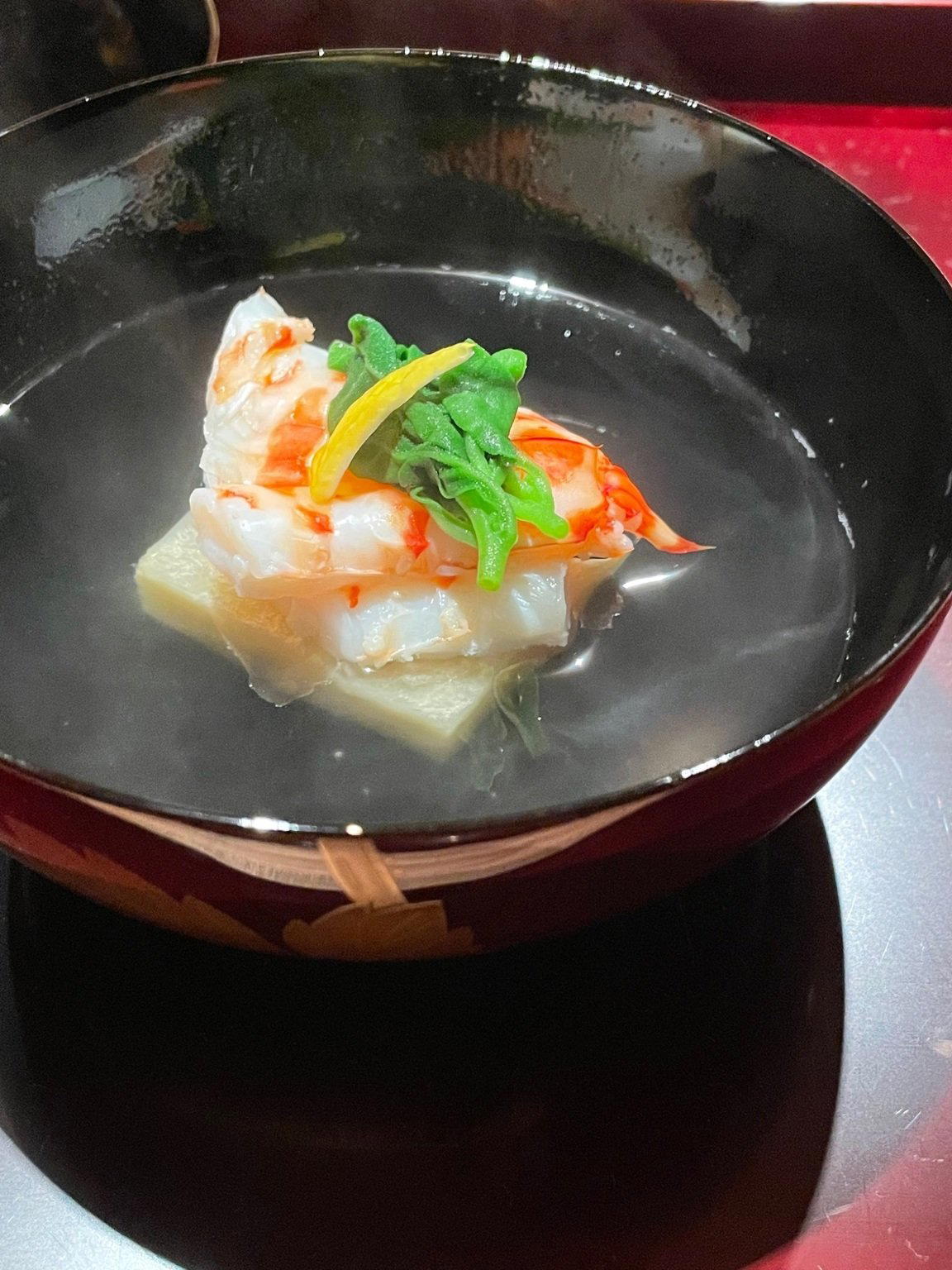
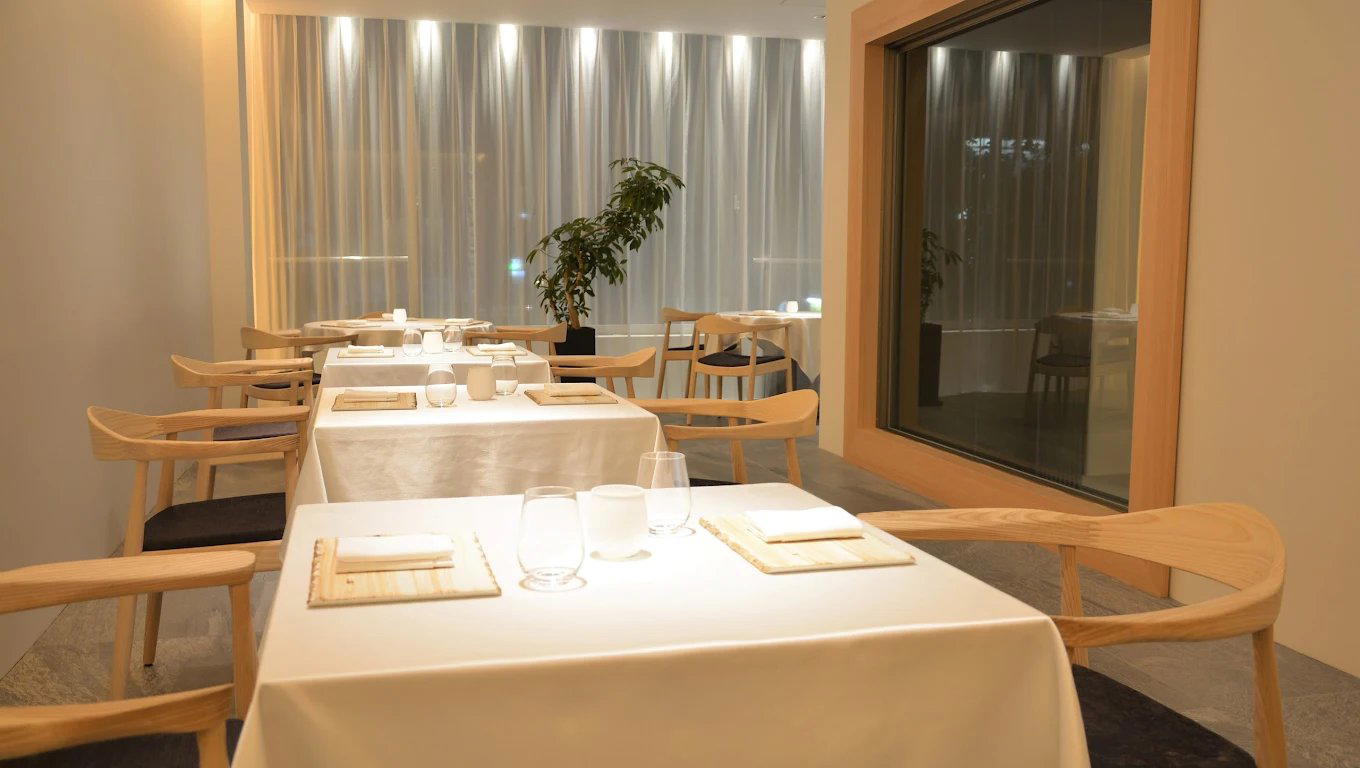
An intimate 7-seat counter-only space with a refined yet cozy feel, non-smoking and focused on a quiet, reservation-only dinner experience built around carefully prepared chicken dishes and yakitori.