
Akasaka Totoya Uoshin sits in Tokyo’s fish-led Japanese dining tier, with Tabelog 100 selections in 2021 and 2025 giving it a clear quality signal among Akasaka’s business-district restaurants. The appeal is less spectacle than sequence: seafood, seasonal Japanese cooking, sake and shochu in a compact room suited to counter dining, private rooms and serious midweek meals.
Pearl is the En Primeur Club membership app — saves, bookings, and concierge access live there. Same editors, same standards.
- Address
- 5 Chome-1-34 Akasaka, Minato City, Tokyo 107-0052, Japan
- Phone
- +81 3-3585-4701
- Website
- tabelog.com
 Saves & bookings on Pearl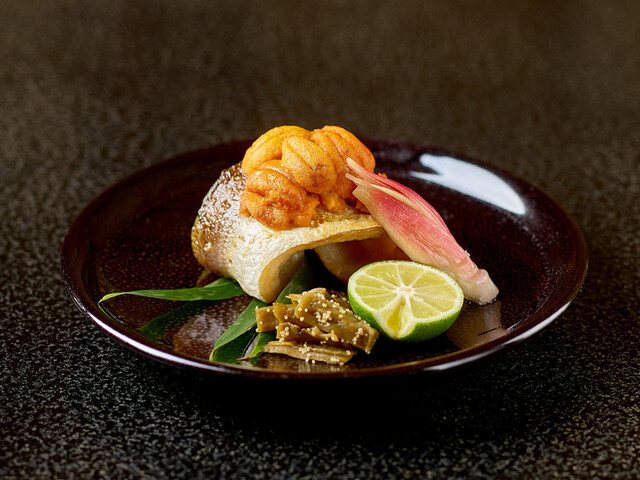
Akasaka after office hours has a distinct rhythm: suited groups leaving towers, side streets narrowing, restaurant signs dropping below eye level. Here, fish-focused Japanese cooking plays a different role from Ginza ceremony or Shinjuku theatre. The meal should move with control, not noise: seasonal seafood, rice, broth, grilled or simmered dishes, and drinks that carry conversation without making dinner a performance.
Akasaka Totoya Uoshin fits that Tokyo category with unusual clarity. Its Tabelog 100 Japanese cuisine selections in 2021 and 2025 place it inside a vetted citywide group, not just a neighbourhood recommendation. That matters in Akasaka, where dining ranges from business yakiniku and hotel-adjacent Chinese rooms to small Japanese counters built for regulars. Within that mix, a 22-seat seafood and Japanese-cuisine format feels deliberate: small enough for rhythm, large enough for counter seating, tatami rooms and private-room use without losing the meal’s structure.
Fish-led Japanese dining in a district built for serious midweek meals
Tokyo’s premium seafood dining is often reduced to sushi in travel shorthand, but Akasaka’s better Japanese rooms work differently. The point is not only raw fish or knife work; it is pacing. A fish-led meal can move through temperature, texture and preparation, pairing sashimi-style precision with grilled, simmered or seasonal Japanese cooking. This wider frame is where this address sits, helped by a drinks program that includes sake, shochu and wine rather than treating beverage choice as an afterthought.
The nearby comparison set shows why the distinction matters. Akasaka Yakiniku Hachimen Roppi occupies a meat-centred premium bracket; Zakuro TBS ten serves a more accessible business-dining tier; infinito HIRO prices into a higher special-occasion lane; Canton Meisai Akasaka Rikyu represents the area’s established Chinese-dining track. Against them, Akasaka Totoya Uoshin is the fish-and-Japanese-cooking answer: not a sushi counter in the narrow sense, not a banquet restaurant, and not a casual izakaya dressed up for expense accounts.
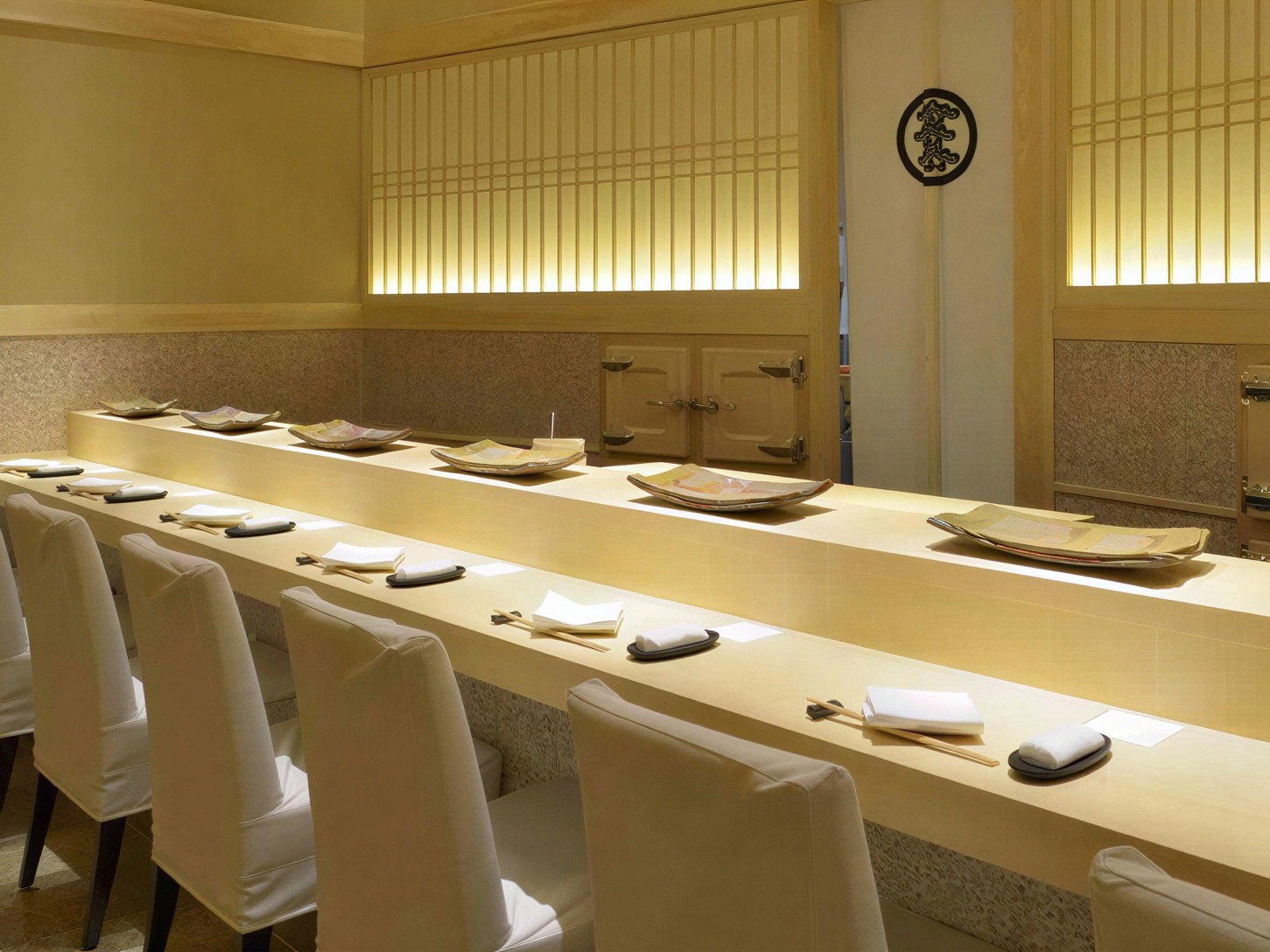
The room format reinforces that middle path. Counter seating keeps the cooking visible, while tatami rooms and private rooms support the Tokyo meal where hierarchy, privacy and pacing still matter. That combination suits Akasaka, where dinner is often social but not loose, professional but not stiff. The English multilingual menu also helps travellers follow the sequence without pushing the kitchen into an international hotel idiom.
The meal is about sequence, not a single signature
Strongest way to understand the experience is as progression. Japanese seafood dining at this level depends on transitions rather than one named dish: cool preparations before warmth, clean fish before richer cooking, sake or shochu chosen to sit with multiple courses, rice or soup closing the meal rather than filling space. No public signature dish defines the restaurant, and that is not a weakness. In this genre, the absence of a trophy plate can signal a kitchen built around season and order rather than a photographable anchor.
That progression also explains why Akasaka Totoya Uoshin suits business and friends more than quick dining. The listed service notes allow parties over 2.5 hours, signalling comfort with a full meal arc. Lunch has a different logic from dinner in Tokyo Japanese restaurants: it often gives structure at a lower spend, while dinner lets the drinks list and private-room culture carry more weight. Here, the official price bands clearly separate those occasions, with lunch and dinner in distinct brackets rather than one all-day format.
The award signal is useful but should be read correctly. Tabelog’s Hyakumeiten lists are not Michelin-style star ratings; they act as a Japanese user-review and editorial recognition marker within a category and region. Selection for Japanese cuisine in Tokyo in both 2021 and 2025 shows continuity across cycles, more persuasive than a single-year flash. In a city where highly rated restaurants can be tiny, difficult to parse, or hyper-specialised, repeat recognition helps identify durable local traction.
How to place it in a Tokyo dining itinerary
For travellers building a Tokyo food itinerary, this is the Akasaka slot for Japanese seafood with structure but not luxury-hotel theatre. It fits a broader city plan: sushi or tempura elsewhere, yakitori on another night, and an Akasaka dinner showing how business-district Japanese restaurants balance privacy, fish quality and drink culture. The location also suits visitors staying around Akasaka, Roppongi, Toranomon or Marunouchi who want a serious meal without crossing the city late.
Families should read the format carefully. Children are welcomed under specific conditions: lunch offers a clearer path for infants and small children through private-room use, while dinner is framed for elementary-school-age children and older on the adult meal structure. That policy reflects pacing, not hostility to families. Tokyo’s better small Japanese restaurants often organise hospitality around the cadence of the meal, not universal flexibility.
For broader planning, use Our full Tokyo restaurants guide alongside city-specific drinking, hotel and experience pages: Our full Tokyo hotels guide, Our full Tokyo bars guide, Our full Tokyo wineries guide and Our full Tokyo experiences guide. Nearby and category contrasts can sharpen the itinerary: 鮪と炭火焼き うお炭 秋葉原店 for tuna and charcoal-grill thinking, 12/10 Shinjuku ten for a Shinjuku counterpoint, 124. KAGURAZAKA (Yakitori) for chicken-skewer discipline, 2D Cafe for a graphic café detour and 3 Chome no Curry Ya San for curry in a different register.
Tokyo also reads better against Japan’s wider dining map. Consider -Grilled beef Sukiyaki- KAMAKURA TANUKIAN 鎌倉 たぬき庵 in Kamakura.cafe in Osaka.know in Kumamoto, (Shoku) Vietnam in Kawasaki, [Curry Senmon Ten] Maruyama Kyoju. in Sapporo and [ki:] in Kyoto. For overseas Japanese drinking and casual formats, Jōdo Saké Bar in Los Angeles and Onigiri Time in Pasadena show how Japanese food culture changes once it leaves Japan.
The editorial case for the restaurant is specific: a compact, award-recognised seafood Japanese restaurant in a district where meals often need privacy, polish and a controlled arc. Choose it for a composed fish-led sequence, not spectacle or celebrity-chef theatre.
Booking and Cost Snapshot
Nearby venues at a similar price tier for orientation.
| Venue | Cuisine | Price | Notes |
|---|---|---|---|
| Akasaka Totoya UoshinThis venue — the venue you are viewing | Not listed | $$$ | Not listed |
| Shoan | Shinjuku, Traditional Japanese Soba | $$$ | Not listed |
| EUREKA! | Minato, Modern sake-focused izakaya | $$$ | Not listed |
| Sumiyaki Unafuji Yuurakuchou ten | Not listed | $$$ | Chiyoda, Traditional Nagoya-style unagi and hitsumabushi |
| o/sio | Chiyoda, Yoshoku-Italian Fusion | $$$ | Not listed |
| Teppanyaki Iwakura | Shinjuku, Japanese Teppanyaki | $$$ | Not listed |
Recognition history
Dated appearances from independent guides and award organizations, with the underlying list record or original source where available.
Tabelog 100 #36 · No. 36
Tabelog · Tabelog 100 - Japanese cuisine - TOKYO - 2025










At a Glance
- Elegant
- Quiet
- Intimate
- Classic
- Business Dinner
- Date Night
- Celebration
- Special Occasion
- After Work
- Private Event
- Chefs Counter
- Private Dining
- Standalone
- Sake Program
- Extensive Wine List
- Local Sourcing
- Sustainable Seafood
Current opening hours
- Monday
- Closed
- Tuesday
- 6–10:30 PM
- Wednesday
- 11:30 AM–2:30 PM, 6–10:30 PM
- Thursday
- 11:30 AM–2:30 PM, 6–10:30 PM
- Friday
- 11:30 AM–2:30 PM, 6–10:30 PM
- Saturday
- 11:30 AM–2:30 PM, 6–10:30 PM
- Sunday
- Closed
Hours can change for holidays and private events. Last verified .
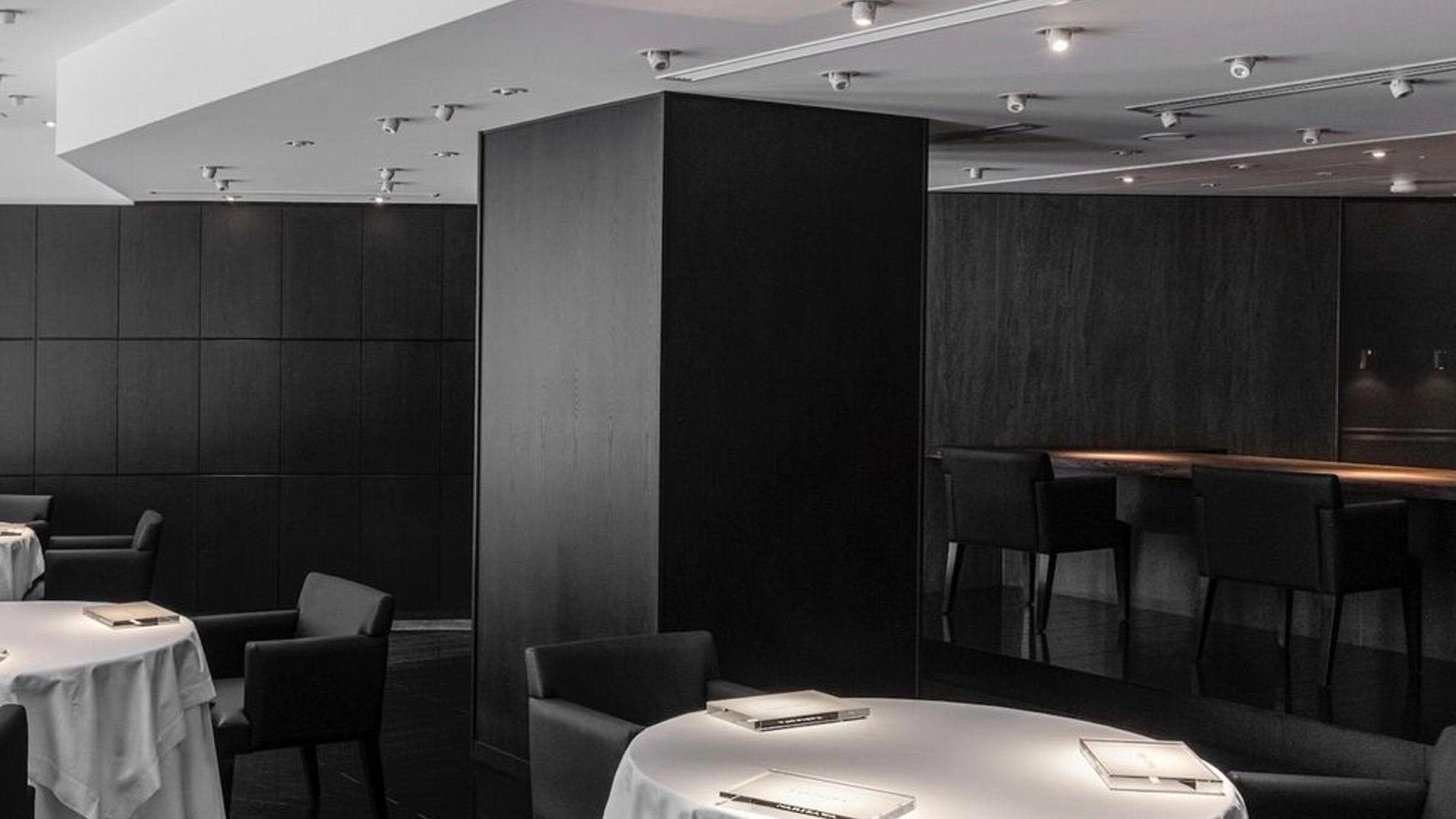
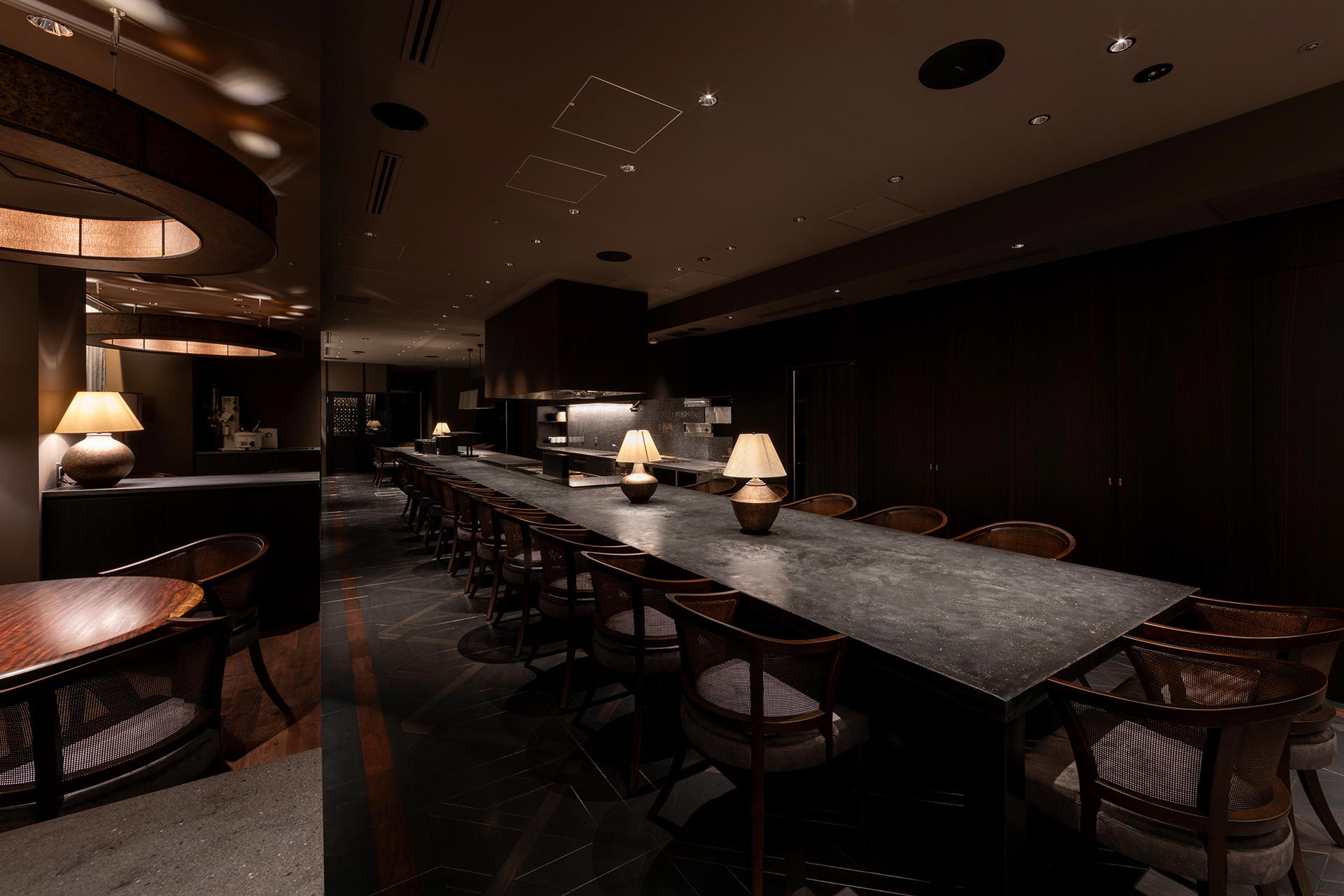
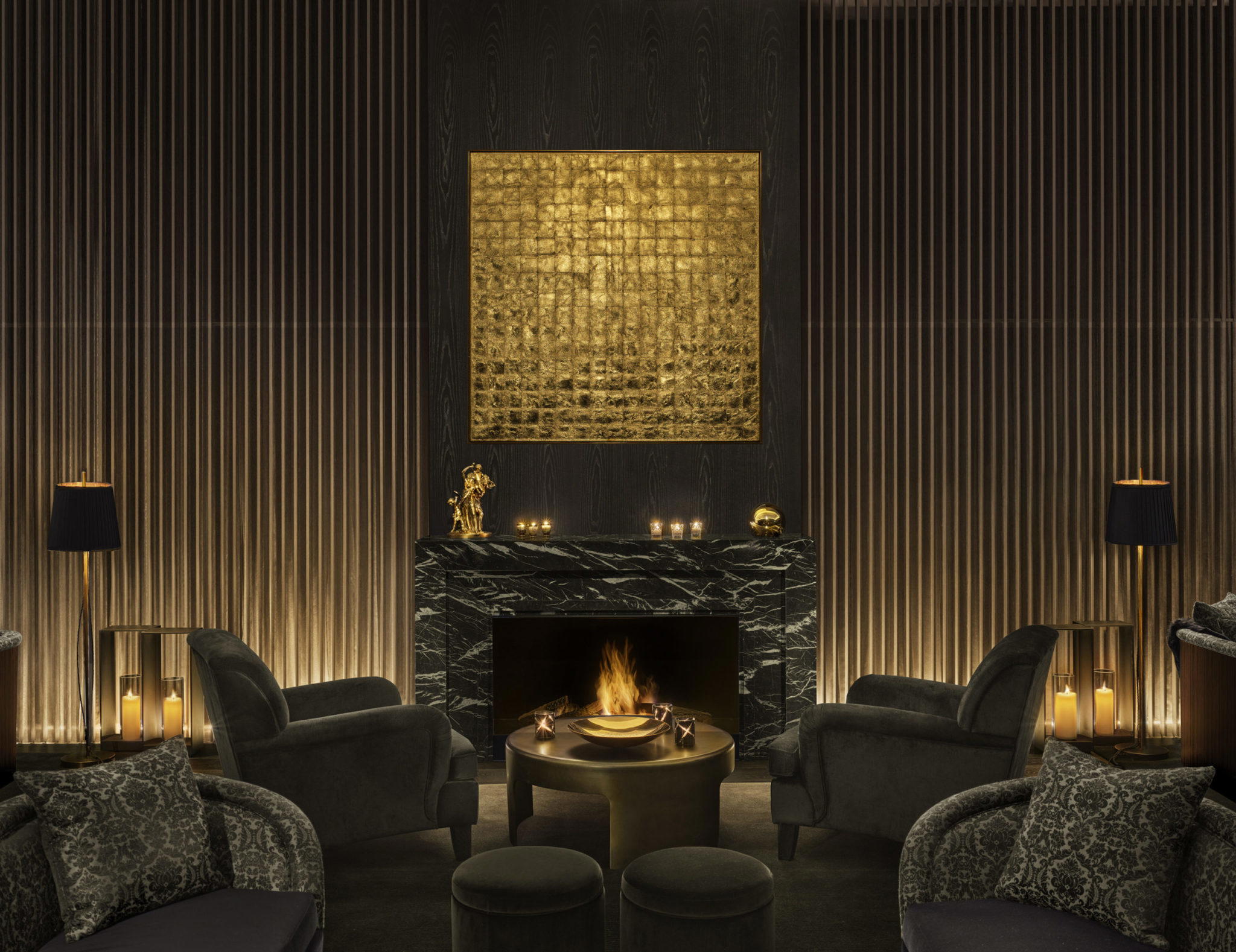
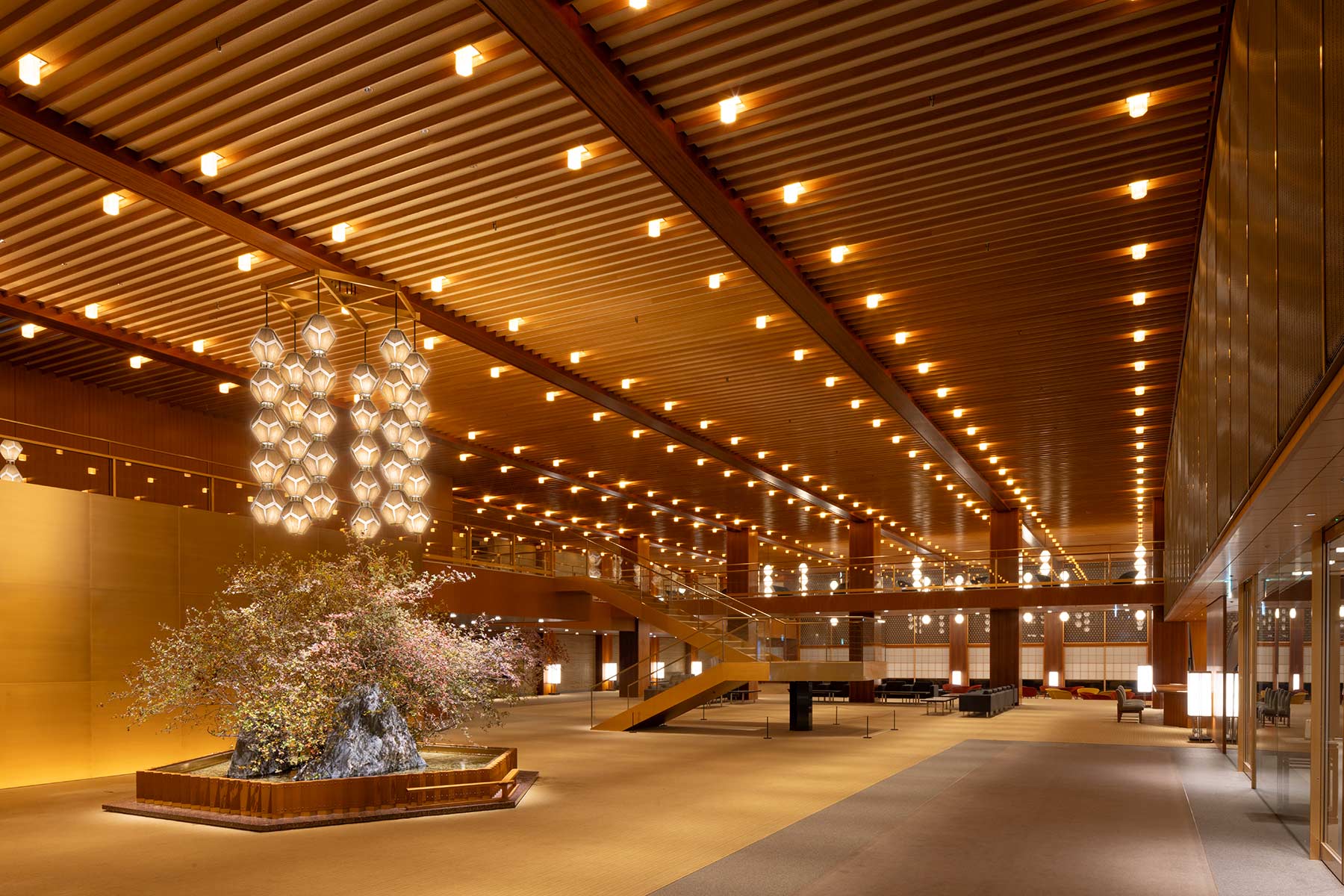
A calm, traditional Japanese space with warm lighting, counter seating facing the open preparation area and tatami private rooms, designed for relaxed, unhurried meals suited to business entertaining and special occasions.