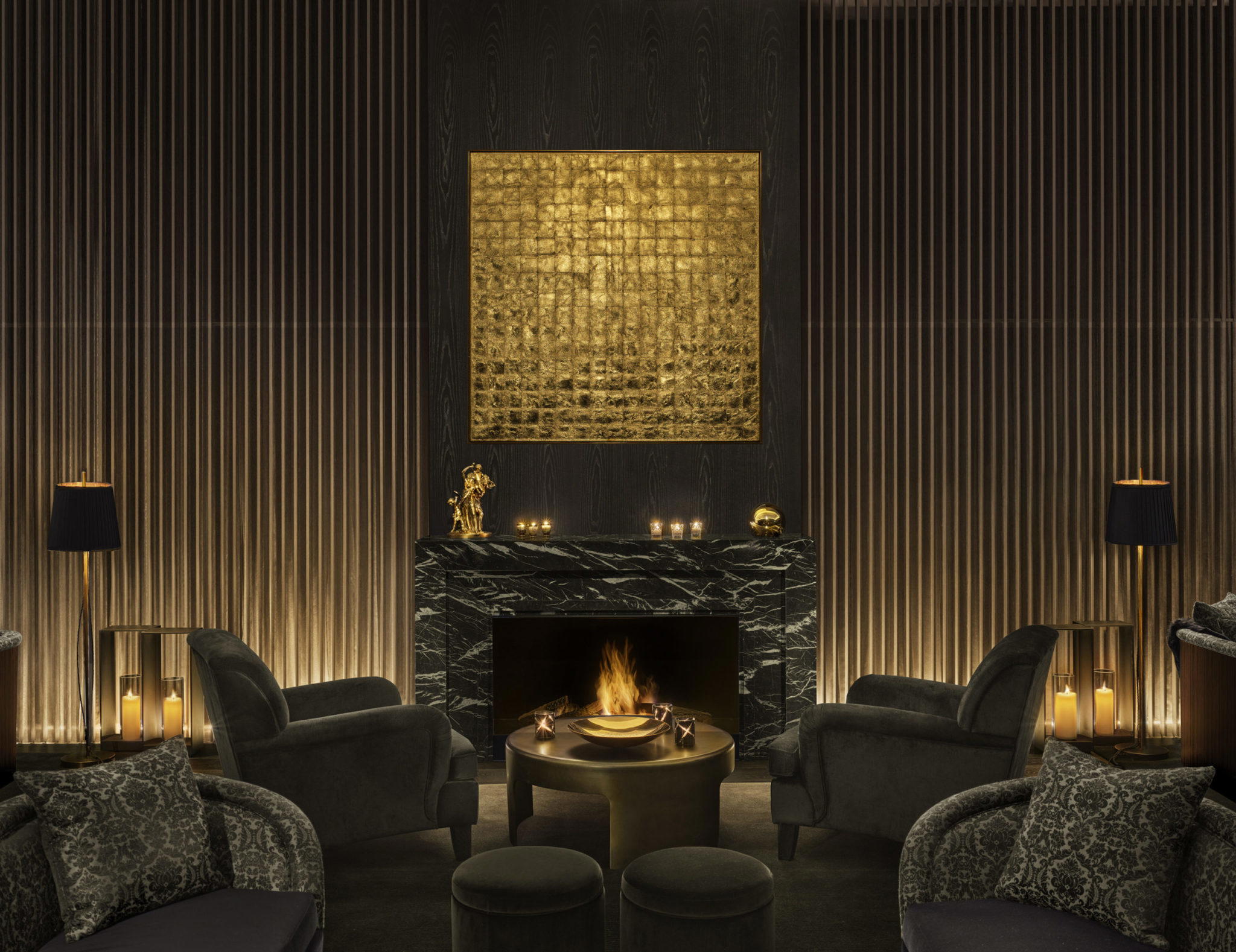
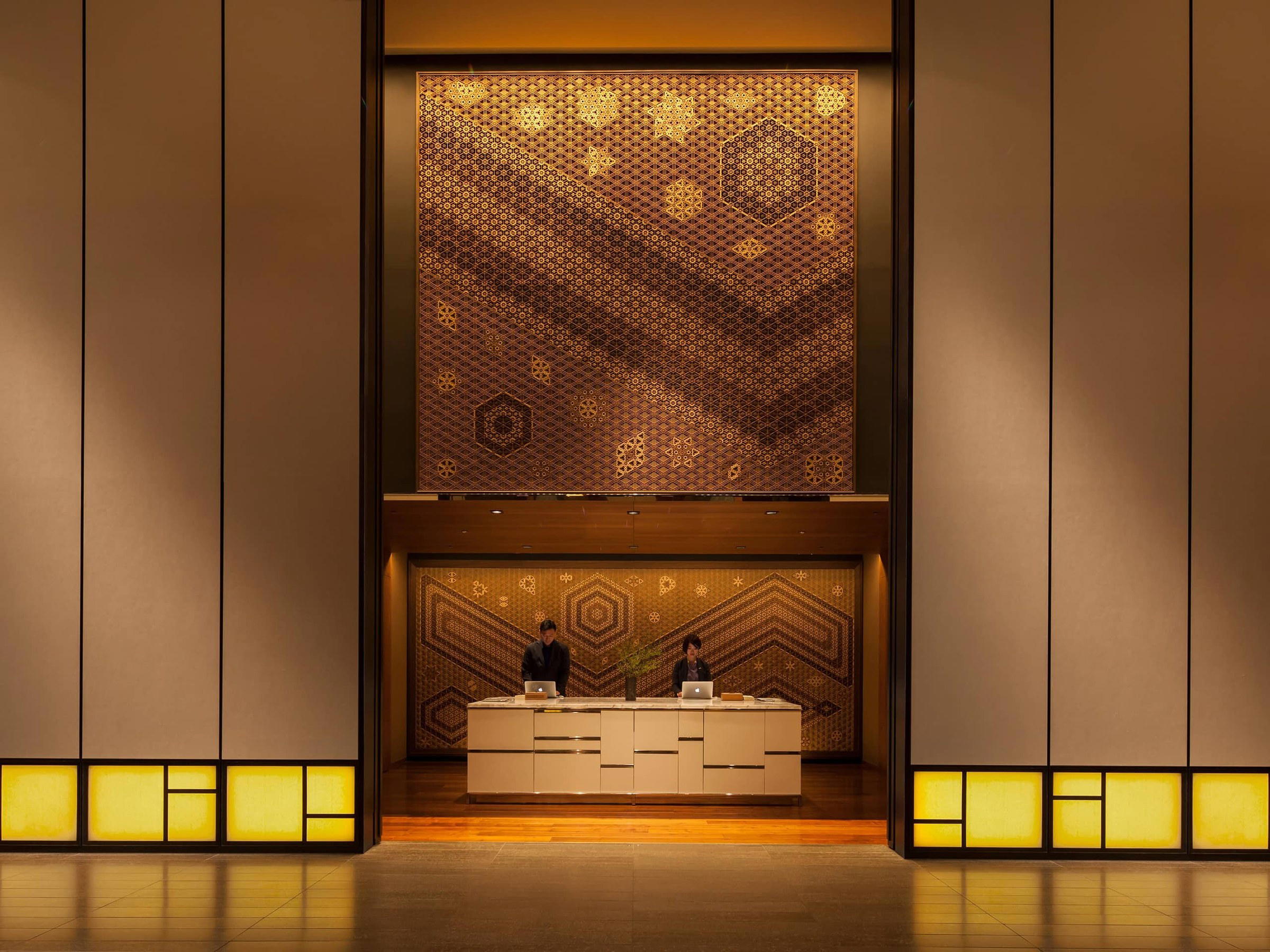
Tabelog 100 #65
Our verdict
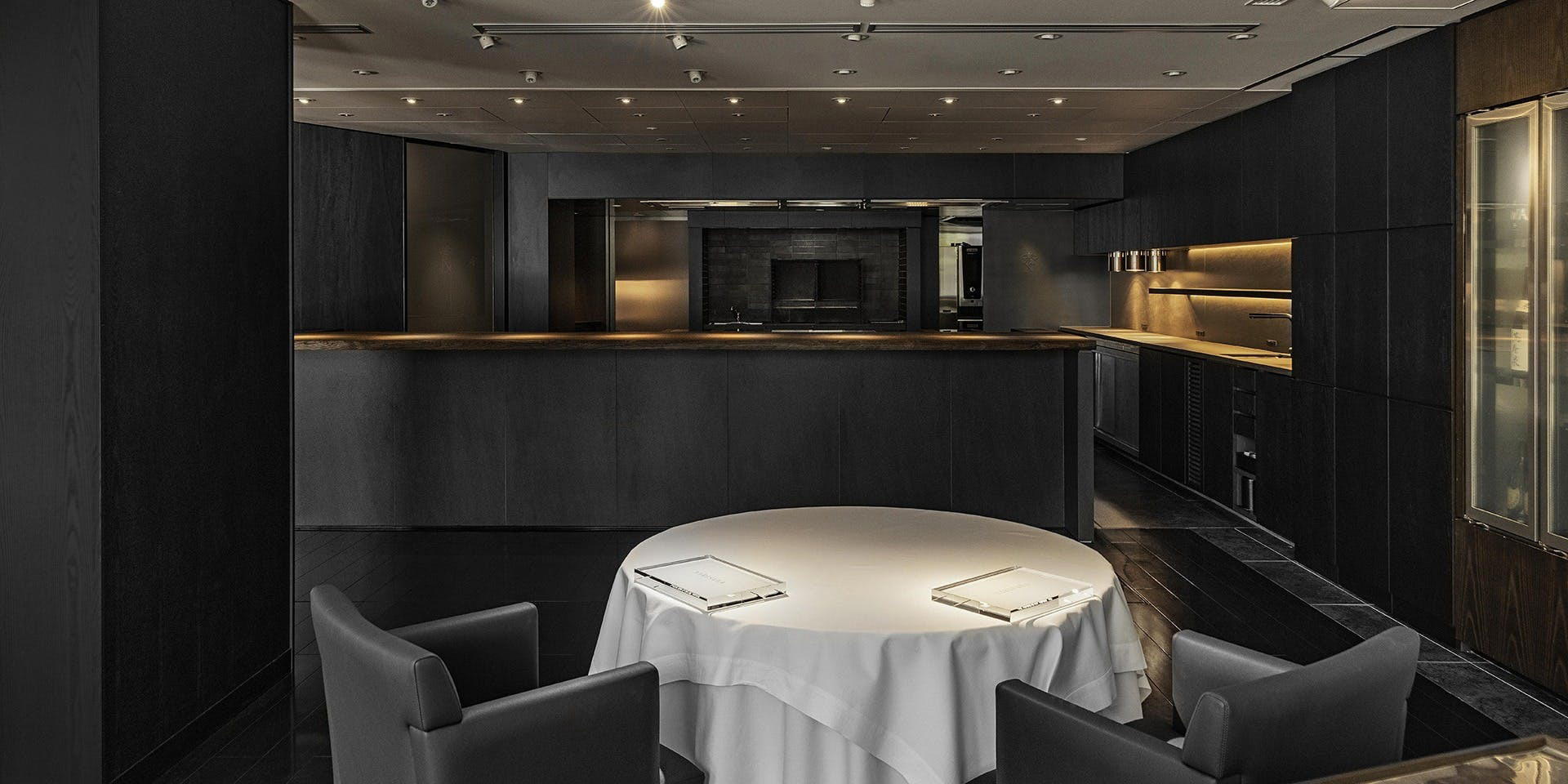
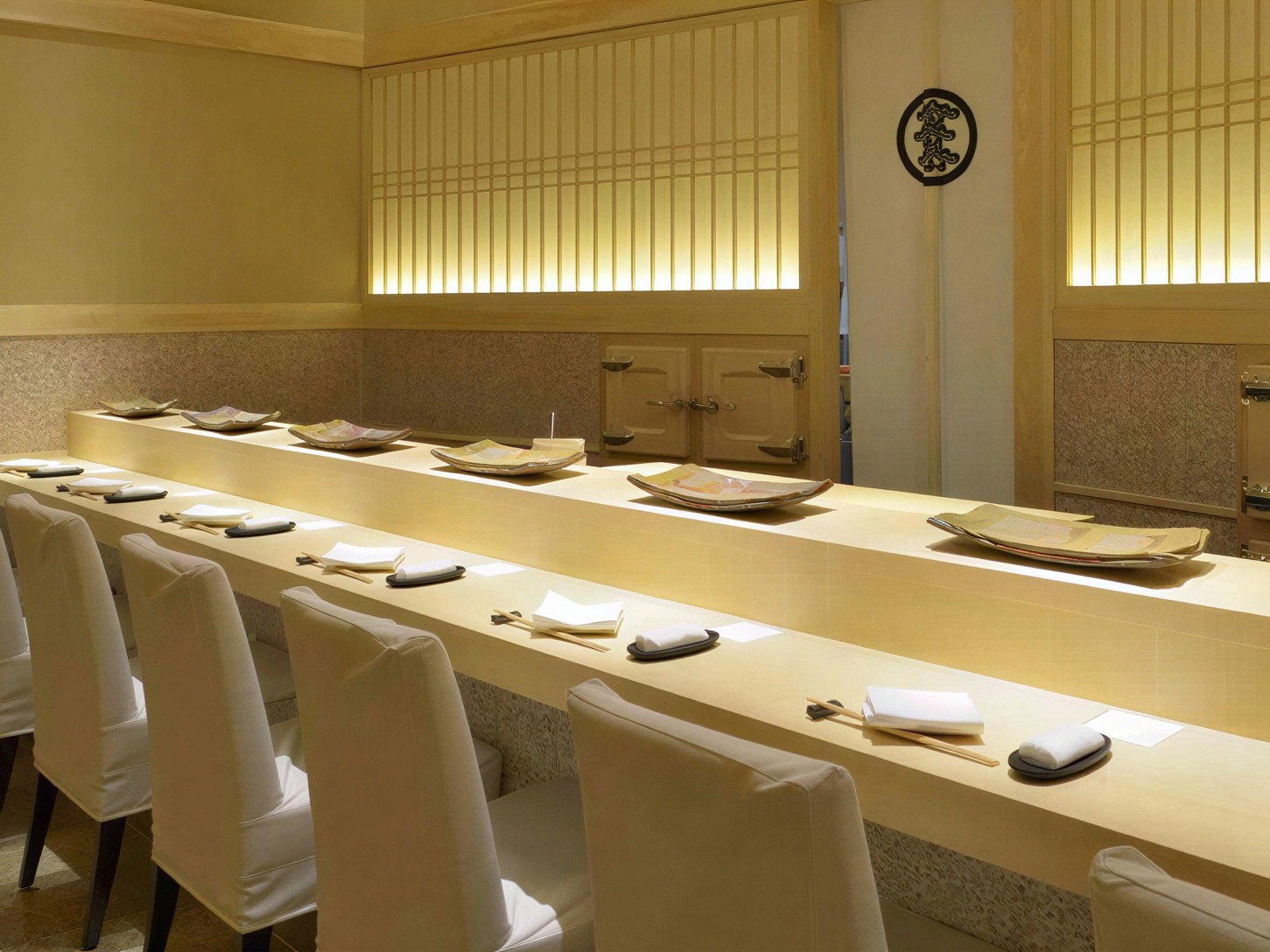
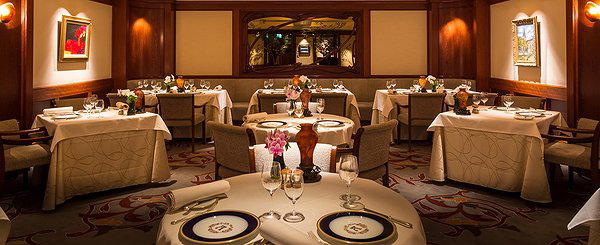
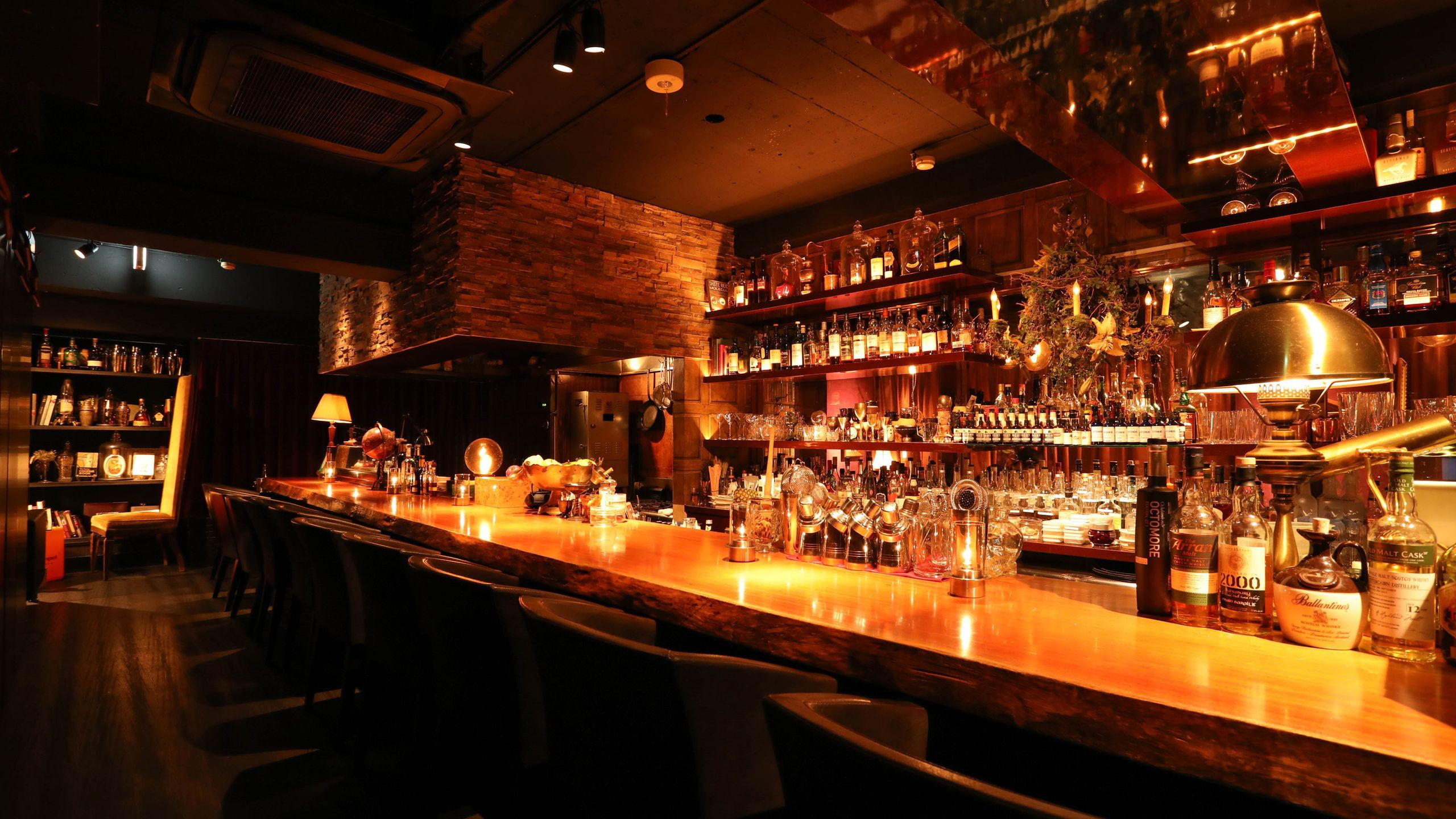
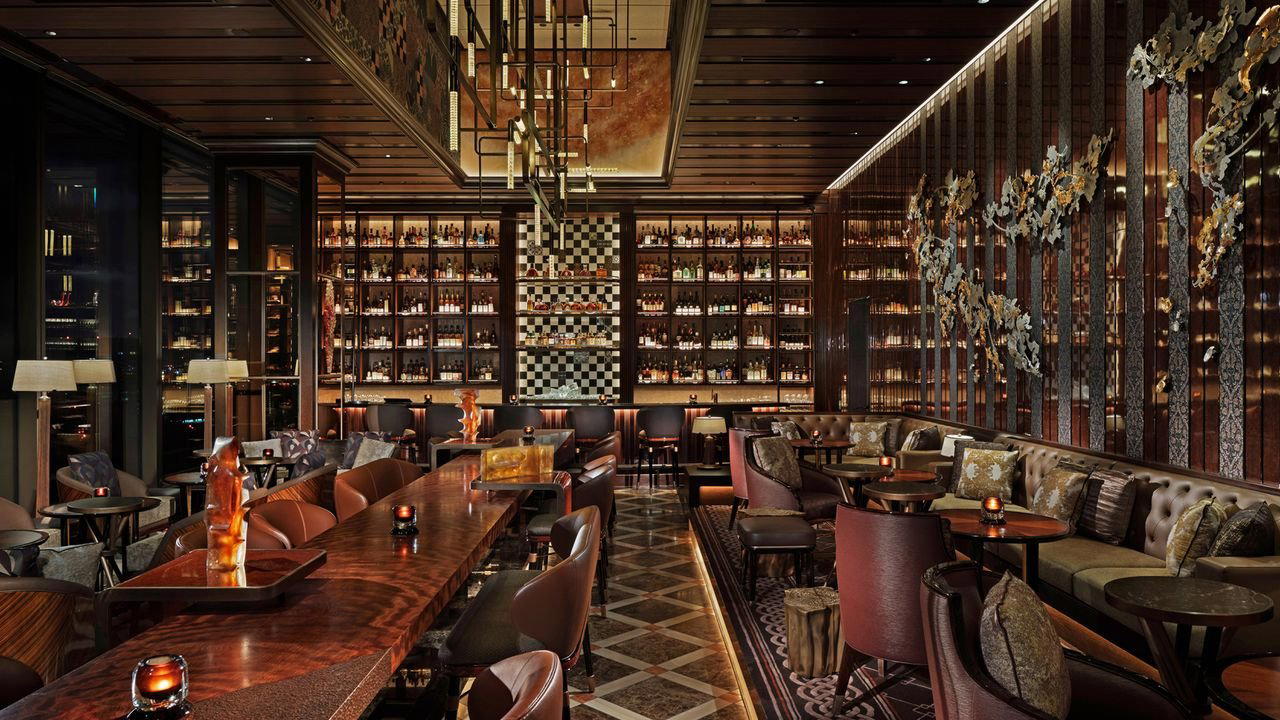
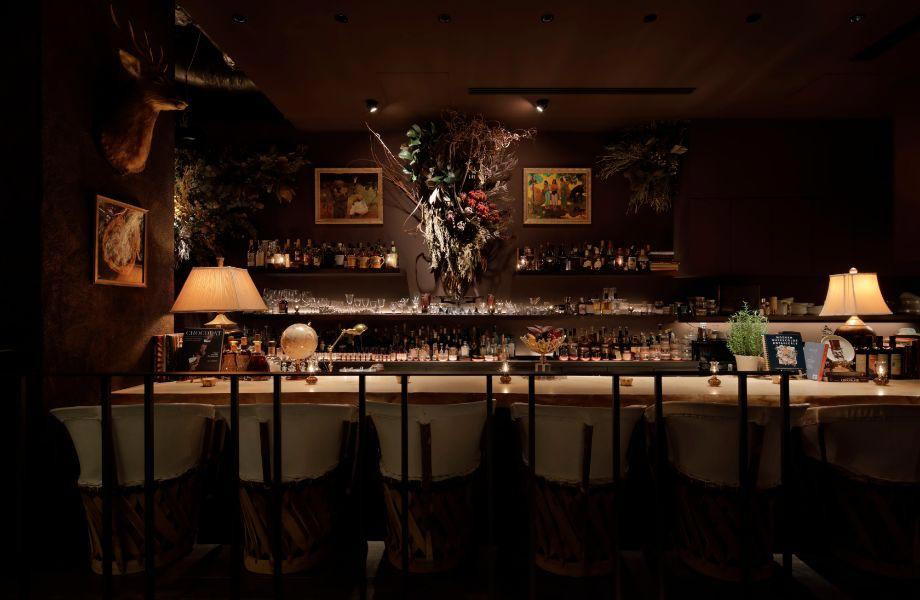
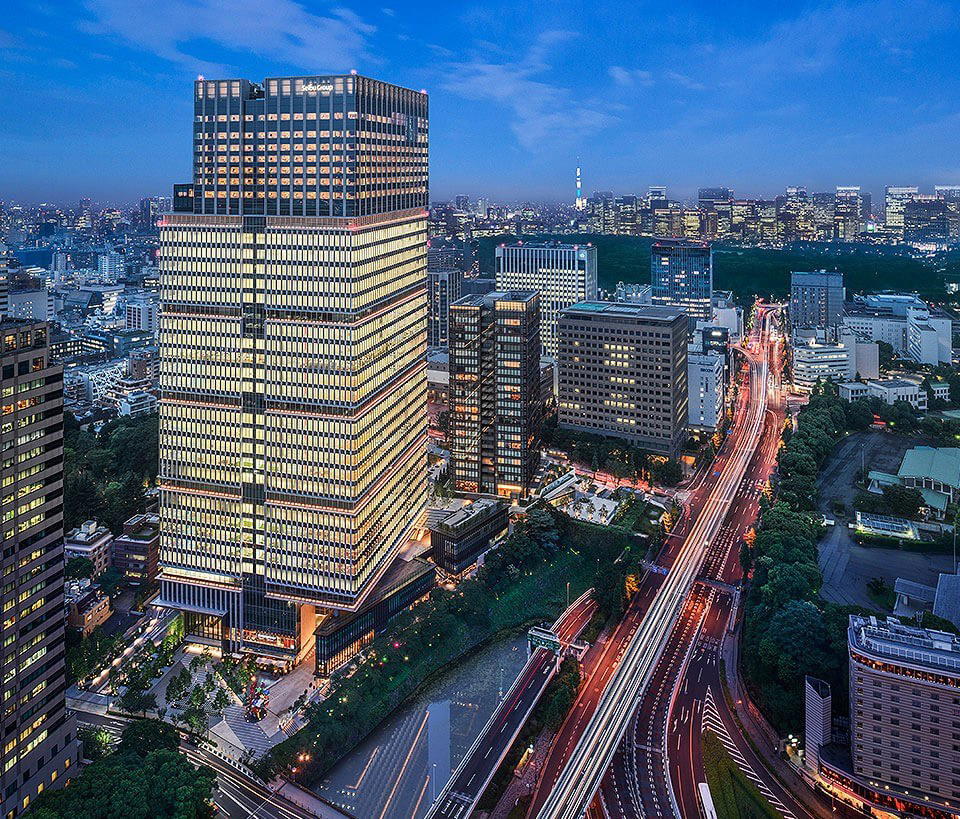
Located on the third floor of Kioicho's Akasaka Palace district in central Tokyo, 紀尾井町茶寮 山茶 occupies a setting shaped by one of the city's most historically layered neighbourhoods.

Pearl is the En Primeur Club membership app, where members save venues, book tables and use the concierge.
Kioicho's Dining Register: Where Address Does the Heavy Lifting
In Tokyo's premium dining geography, few districts carry the weight of Kioicho. The neighbourhood sits between the imperial grounds of the outer palace and the political corridors of Nagatacho, and that adjacency has historically shaped what gets built and who shows up. Restaurants that open here are not making a neutral location decision. The address signals a particular kind of formality, a guest profile that skews toward senior business entertainment, diplomatic hospitality, and the kind of milestone occasion that gets planned months in advance. 紀尾井町茶寮 山茶, positioned on the third floor of a Kioicho building at 1-2 Kioicho, Chiyoda City, sits inside that register.
This matters as context because Tokyo's high-end Japanese dining tier has been quietly stratifying over the past decade. The city now supports at least three distinct bands of premium Japanese cuisine: the Michelin-recognised kaiseki counter (think RyuGin), the neighbourhood specialist that earns its following through word-of-mouth rather than award circuits, and the setting-led dining room where the architectural or historical frame does as much work as the kitchen. Kioicho addresses cluster in that third category. The room's premise, and the guest experience it frames, carries a logic that extends beyond the menu.
The Evolution of Formal Japanese Dining in This Part of the City
The concept of the saryō, a tea-house dining room that blends the aesthetics of the tea ceremony with full-service cuisine, has shifted considerably since its peak in the postwar corporate entertainment era. Through the 1980s and into the 1990s, such spaces in central Tokyo served a clear social function: the private room, the seasonal kaiseki sequence, the lacquerware and handmade ceramics, all operating as a backdrop for relationship-building that couldn't easily happen in a restaurant dining room with visible neighbours. The economic pressures of the 1990s and 2000s put sustained pressure on that model. Corporate entertainment budgets contracted, and several of the old guard saryō operations either closed or repositioned toward tourism-facing formats or event catering.
What has emerged in the current decade is a more considered rebuild of the category. The venues that have persisted or reopened in this tradition tend to operate at the intersection of heritage and restraint, borrowing the visual grammar of the tea house, low furniture, natural materials, seasonal ikebana arrangements, while updating the food proposition to meet a guest who may be equally familiar with L'Effervescence or Sézanne as with traditional kaiseki. The pivot is less about abandoning formality than about making it legible to a broader international audience. 紀尾井町茶寮 山茶, with 山茶 (sanzanka, a Japanese camellia species associated with late-autumn tea ceremony culture) in its name, signals clearly which part of this tradition it is working within.
What the Setting Implies About the Experience
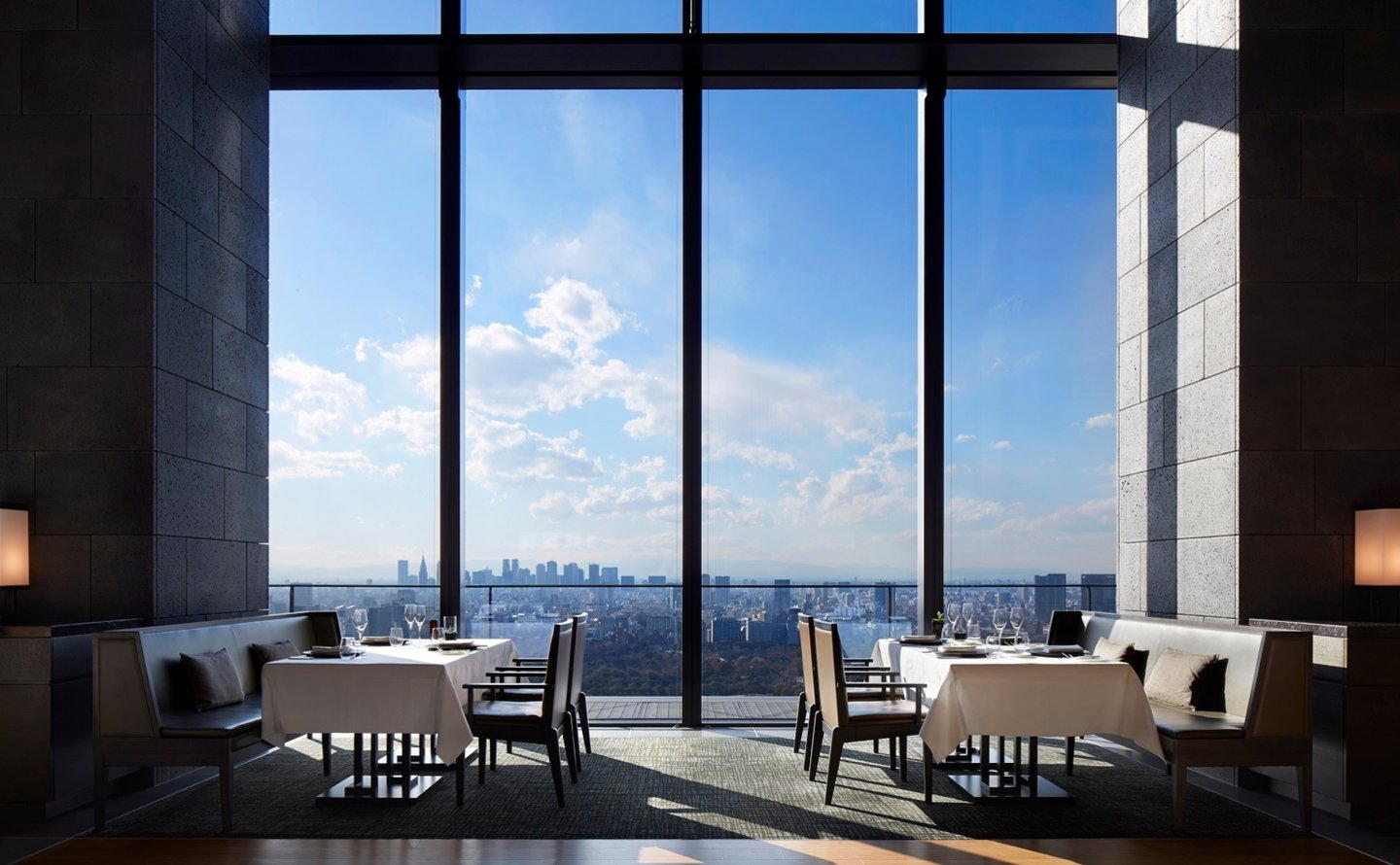
Third-floor dining rooms in Kioicho commercial buildings occupy a specific niche. The elevation removes the immediate street-level noise without providing the panoramic views of a rooftop or upper-floor hotel restaurant. What it offers instead is a degree of enclosure, a sense of arrival via lift rather than door, that reinforces the transition from the outside city into a controlled interior world. For a concept rooted in tea-house aesthetics, that separation is not incidental, it is structural. The sequence from street to dining room is part of the hospitality logic.
Across Tokyo's premium Japanese dining scene, the venues that hold this kind of address tend to design their service around exactly that transition. The interaction with staff before you are seated, the pacing of tea service or drinks before food begins, the room temperature and ambient sound, all of these become part of a coordinated sensory programme that distinguishes the format from the counter-style omakase experiences at places like Harutaka. The comparison is instructive: an omakase counter is intimate and technically focused, with the chef's movement and technique as the performance. A tea-house dining room inverts that dynamic, placing the room itself and the pacing of service at the centre.
Reading 山茶 Against the Broader Tokyo Picture
Tokyo supports a range of formats that serve similar occasion types, the long, formal lunch or dinner designed for relationship-building rather than casual eating. At the innovative end, venues like Crony bring a French-influenced creative approach to this tier. Further afield across Japan, comparable serious dining rooms with strong regional identity can be found at Gion Sasaki in Kyoto, HAJIME in Osaka, and Goh in Fukuoka. Each city's premium tier has its own character, and Tokyo's distinction is density: there are more formats competing within a small radius here than anywhere else in the country. Regional alternatives like akordu in Nara or Abon in Ashiya serve travellers willing to build an itinerary around food outside the capital. For those staying in Tokyo, the Kioicho address keeps 山茶 firmly within the central city's formal dining circuit.
Internationally, the genre that 山茶 most resembles, setting-driven, ceremony-adjacent, occasion-focused, has parallels at places like Le Bernardin in New York City and the more structured end of formats like Lazy Bear in San Francisco, though the cultural grammar differs entirely. What connects them is the understanding that the experience of a meal extends beyond the plate, and that pacing, setting, and service sequencing are not decorative choices but structural ones. See our full Tokyo restaurants guide for how this fits across the city's dining map.
Know Before You Go
Know Before You Go
- Address: 3F, 1-2 Kioicho, Chiyoda City, Tokyo 102-0094
- Neighbourhood: Kioicho, between Akasaka and Nagatacho, walkable from Yotsuya Station (JR Chuo/Sobu Line, approximately 10 minutes on foot)
- Format: Tea-house dining room (saryō style); occasion-focused, formal register
- Price range:, consistent with the Kioicho formal dining tier, which typically positions at ¥¥¥¥ or above for multi-course lunch and dinner formats
- Booking: Advance reservation strongly advised for any Kioicho dining room of this type; walk-in availability is not confirmed
- Contact and hours: Not available in, verify directly before visiting
- Comparable venues in Tokyo: RyuGin, L'Effervescence
Frequently asked questions
What part of town is 紀尾井町 三谷 in?
紀尾井町 三谷 is located at Japan, 〒102-0094 Tokyo, Chiyoda City, Kioicho, 1−2 紀尾井テラス 3F, Tokyo.
What should I eat at 紀尾井町 山茶?
The kitchen at 山茶 operates within the saryō tradition, a format that structures the meal around tea-ceremony aesthetics and seasonal Japanese cooking. Specific menu items are confirmed at the time of booking or in-house, as the offering reflects what is current and in season. Given its Kioicho address, a district associated with formal corporate and diplomatic hospitality, expect a composed, multi-course format rather than à la carte selection.
Can I walk in to 紀尾井町 三谷?
Reservations are recommended for 紀尾井町 三谷 in Tokyo. Confirm current policy via the venue's official channels.
What's the signature at 紀尾井町 三谷?
紀尾井町 三谷 is best approached by focusing on the core concept and signature offerings.
Can 紀尾井町 三谷 handle vegetarian requests?
Dietary accommodations can vary. Flag restrictions in advance via the venue's official channels.
At-a-Glance Comparison
| Venue | Cuisine | Price | Awards | Notes |
|---|---|---|---|---|
| ç´å°¾äºçº ä¸è°·This venue (the venue you are viewing) | Traditional Japanese Kaiseki | $50–100 | Tabelog 100 #65 | Not listed |
| Harutaka | Edo-Style Omakase Sushi | $200–300 | 3 Michelin Stars · World's 50 Best #76 | Sushi |
| L'Effervescence | Modern French with Japanese Influences | $200–300 | 3 Michelin Stars · World's 50 Best #69 | French |
| RyuGin | Modern Kaiseki | $500+ | 3 Michelin Stars · World's 50 Best #41 | Kaiseki, Japanese |
| Crony | Modern French with Japanese Influences | $150–200 | 2 Michelin Stars · World's 50 Best #34 | Innovative, French |
| Den | Modern Japanese Kaiseki | $150–200 | 2 Michelin Stars · World's 50 Best #51 | Innovative, Japanese |
Recognition history
Dated appearances from independent guides and award organizations, with the underlying list record or original source where available.
Tabelog 100 #65 · No. 65
Tabelog · Tabelog 100 - Sushi - TOKYO - 2025