Our verdict
ラ セッテ occupies a quiet address in Hiroshima's Naka Ward, where European technique meets the Seto Inland Sea's seasonal produce. The restaurant sits within a city whose dining scene has grown steadily more ambitious, drawing on local fishermen and regional farmers to supply kitchens fluent in continental disciplines. For visitors working through Hiroshima's serious restaurants, it represents a considered stop.

Pearl is the En Primeur Club membership app — saves, bookings, and concierge access live there. Same editors, same standards.
- Address
- 2-28 Hirose Kitamachi, Naka Ward, Hiroshima, 730-0803, Japan
- Phone
- +81822971207
- Hours
- Mon ClosedTue–Sun 11:30 AM–3 PM, 6–10 PM
- Website
- la-sette.jp
- Directions
- Get directions
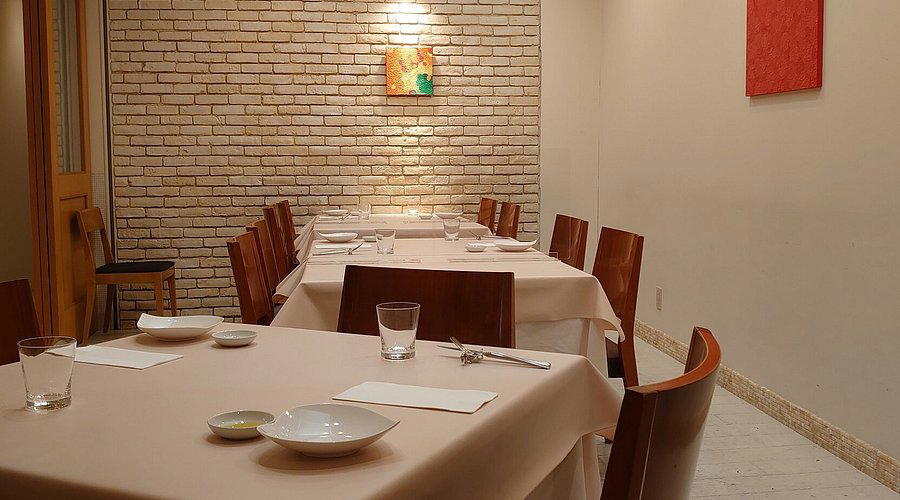
Where the Seto Inland Sea Meets Continental Discipline
Hiroshima's dining identity has long been shaped by geography. The city sits at the intersection of mountain and sea, with the Seto Inland Sea delivering some of Japan's most prized shellfish and white fish, while the surrounding Chugoku region contributes vegetables, citrus, and game that rarely travel far before reaching a kitchen. That raw material advantage has historically been channelled through Japanese formats: kaiseki, izakaya, seafood-forward Japanese dining. What has shifted over the past decade is the number of kitchens choosing to process those same ingredients through European frameworks, applying French or Italian structure to produce that was never designed with those cuisines in mind. ラ セッテ, in Hirose Kitamachi within Naka Ward, belongs to that strand of Hiroshima dining.
The address, on a quieter block away from the main retail and entertainment corridors, is characteristic of how many of Hiroshima's more considered restaurants position themselves. The city's serious dining does not concentrate in one visible district the way Osaka's does around Kitashinchi or Tokyo's around Ginza. Instead, it disperses across residential-adjacent streets, often requiring some navigation to find. That dispersal is part of what keeps certain Hiroshima restaurants operating primarily for locals and for travellers who have done specific research, rather than drawing foot traffic from passing visitors.
The Ingredients-First Argument in Hiroshima's European Kitchens
Across Japan, the most compelling cases for European cooking have been made not by importing ingredient logic from France or Italy, but by reversing the equation: starting with Japanese produce and asking what technique leading expresses it. HAJIME in Osaka operates at the extreme end of this approach, with a formalist precision that has earned it three Michelin stars. akordu in Nara applies Basque method to Yamato ingredients. In Fukuoka, Goh works within French structure while remaining resolutely local in its sourcing. ラ セッテ operates within this broader pattern, in a city where the seasonal calendar of the Seto Inland Sea provides a different starting point than inland or Pacific-facing kitchens would have.
Autumn and winter are the seasons when this combination tends to be most argued. The Inland Sea's oysters, which Hiroshima produces in volumes that account for the majority of Japan's national output, peak in the colder months. When those oysters enter a European-inflected kitchen, the questions become technical: cream-based preparations versus acid-driven ones, raw presentation versus heat application, the role of fat and salt in a product already carrying significant brine. These are the decisions that define whether a restaurant using imported method is genuinely translating its ingredients or simply applying a formula. The seasonal alignment between Hiroshima's produce calendar and European cooking traditions, which also peak in cooler months, is one reason this combination has found a viable audience in the city.
Hiroshima's Competitive Table
Hiroshima does not carry the Michelin density of Kyoto, Tokyo, or Osaka, but its restaurant scene operates with more seriousness than its national profile might suggest. Kaiseki remains the format with the strongest institutional presence: restaurants like Nakashima maintain the precision and sourcing discipline that the form requires. On the Japanese side, Tenko Honten holds a different kind of local authority, rooted in the city's own culinary conventions. Newer entrants have complicated this map. Chiso Sottakuito works within Japanese tradition but with a contemporary editorial sensibility. Denko Sekka occupies a different price and format register. CHILAN and Eizan each bring distinct approaches to what Hiroshima dining can mean, while MASUKI, positioned in the JPY 20,000 to 29,999 bracket, shows the price ceiling that more ambitious Hiroshima restaurants are now testing.
Within this field, European-style kitchens occupy a smaller but consistent niche. They tend to draw a dinner-focused clientele, often skewing toward couples and business dining occasions rather than the larger group formats more common in Japanese restaurants. The booking pattern for this type of restaurant in a city like Hiroshima typically involves advance reservation, often by phone or through a Japanese-language booking platform, which creates a practical consideration for visitors from outside Japan who may not have domestic booking infrastructure. Checking availability well before arrival and considering assistance from hotel concierge services is, for most international visitors, the most reliable approach.
Placing ラ セッテ in the Wider Japanese Western-Cuisine Conversation
The restaurant sits in a category that Japanese food culture has developed a specific term for: yoshoku at the serious end gives way to what practitioners now simply call French or Italian, though the best of these kitchens resist easy categorisation. Harutaka in Tokyo and Gion Sasaki in Kyoto represent endpoints of the Japanese culinary tradition; the European-trained counterparts working in regional cities like Hiroshima represent a parallel conversation about what technique is for. Beyond Japan, this dialogue has its own reference points: Le Bernardin in New York City built its reputation on the argument that classical French technique, applied with sufficient discipline, could express seafood more completely than any other framework. Atomix in New York City runs the reverse argument with Korean ingredients inside a tasting format. Both positions have influenced how Japanese chefs working in European idioms think about their own practice.
Across Japan, a similar pattern plays out in smaller cities. 一本杉 川島屋 in Nanao, 古仁屋山乃 in Sapporo, 湖畔荘 in Takashima, and 広羽屋 in Nishikawa Machi each represent a version of regional Japan's engagement with tradition and technique on its own terms. Birdland in Sakai extends the argument into a product-specific register. ラ セッテ belongs in this wider map of Japanese restaurants finding their own logic in the space between local produce and international method.
Planning a Visit
The restaurant's address in Hirose Kitamachi, Naka Ward, places it within reach of central Hiroshima on foot or by a short taxi ride from the main shinkansen station, Hiroshima Station, which sits on the Sanyo Shinkansen line connecting the city to Osaka, Kyoto, and Tokyo. Naka Ward is the city's central administrative and dining district, containing most of Hiroshima's higher-end restaurant addresses. Visitors combining ラ セッテ with broader Hiroshima dining should consult our full Hiroshima restaurants guide for context on the city's full range of options, from kaiseki to contemporary formats. Given that specific booking details, hours, and current pricing are best confirmed directly with the restaurant, contacting them in advance of travel is advisable, particularly for visits during the winter oyster season when Hiroshima's European kitchens tend to be at their most sought-after.
Frequently asked questions
Where is ラ セッテ located?
ラ セッテ is located at 2-28 Hirose Kitamachi, Naka Ward, Hiroshima, 730-0803, Japan, Hiroshima.
How does ラ セッテ's location in Hirose Kitamachi compare to Hiroshima's main dining districts?
Hirose Kitamachi sits in Naka Ward, Hiroshima's central administrative and commercial zone, making it accessible from the main Hiroshima Station by taxi or tram without a lengthy detour. Unlike the denser restaurant clusters around Nagarekawa or Hondori, Hirose Kitamachi is a quieter address — the kind of location that signals a kitchen relying on word-of-mouth and repeat custom rather than passing trade. That geography tends to correlate with restaurants that prioritise the plate over the postcode.
What should I eat at ラ セッテ?
The restaurant's identity is built around applying European technique to ingredients from the Seto Inland Sea region, so seafood-forward courses are the logical focus. Hiroshima's coastal larder includes oysters, sea bream, and seasonal shellfish that appear on European-format menus across the city's serious kitchens. Confirming the current menu directly with the restaurant before your visit is the most reliable approach, as courses typically follow the season.
Is ラ セッテ reservation-only?
European-format restaurants of this type in Hiroshima's Naka Ward almost universally require advance booking, particularly for dinner. The restaurant's address in Hirose Kitamachi places it in a quieter residential-commercial pocket where walk-in traffic is minimal. check the venue's official channels to confirm availability and booking requirements.
What is ラ セッテ known for?
ラ セッテ sits within the category Japanese food culture calls 'honkaku yōshoku' — European cooking executed with genuine technical discipline rather than adapted for local palates. Its address in Hirose Kitamachi, Naka Ward, puts it among Hiroshima's more considered dining addresses, a city whose restaurant scene works with regional ingredient quality that outpaces its national profile.
Can ラ セッテ handle vegetarian requests?
European tasting-format kitchens in Japan can often accommodate vegetarian requests when given advance notice, though a seafood-prominent menu built around Seto Inland Sea produce may require meaningful adjustments. Contacting the restaurant directly before booking is the practical step — dietary requests handled at short notice are rarely given the same kitchen attention as those flagged ahead of time.
Is ラ セッテ worth it?
Hiroshima does not carry the Michelin density of Tokyo or Kyoto, which means European restaurants that maintain genuine technique here do so without the external validation system propping up their clientele. For anyone already in Hiroshima with an interest in how European cooking integrates with Seto Inland Sea produce, it represents a more grounded case for the format than most city-centre options in larger Japanese cities.
Peers in This Market
Comparable venues nearby, for context on price, style, and recognition.
| Venue | Cuisine | Price | Awards | Notes |
|---|---|---|---|---|
| ラ セッテThis venue — the venue you are viewing | Italian | $50–100 | Not listed | Not listed |
| TRATTORIA-PIZZERIA polipo | Neapolitan trattoria & pizzeria | $30–50 | Tabelog 100 #53 | Naka |
| Pizza Riva | Traditional Neapolitan Pizzeria | $20–30 | Tabelog 100 #35 | Nishi |
| Ichigo Ichie | Hiroshima okonomiyaki & teppanyaki | $30–50 | Tabelog 100 #73 | Naka |
| Yakitori Takase | Premium Yakitori Course | $50–100 | Tabelog 100 #7 | Naka |
| EPURE | French Fine Dining | Not listed | Tabelog 100 #50 | Minami |
Continue exploring
More in Hiroshima
Restaurants in Hiroshima
Browse all →
Bars in Hiroshima
Browse all →
Details
- Cozy
- Elegant
- Intimate
- Minimalist
- Date Night
- Special Occasion
- Open Kitchen
- Sake Program
- Local Sourcing
- Set Menu
- A La Carte
Current opening hours
- Monday
- Closed
- Tuesday
- 11:30 AM–3 PM, 6–10 PM
- Wednesday
- 11:30 AM–3 PM, 6–10 PM
- Thursday
- 11:30 AM–3 PM, 6–10 PM
- Friday
- 11:30 AM–3 PM, 6–10 PM
- Saturday
- 11:30 AM–3 PM, 6–10 PM
- Sunday
- 11:30 AM–3 PM, 6–10 PM
Hours can change for holidays and private events. Last verified .
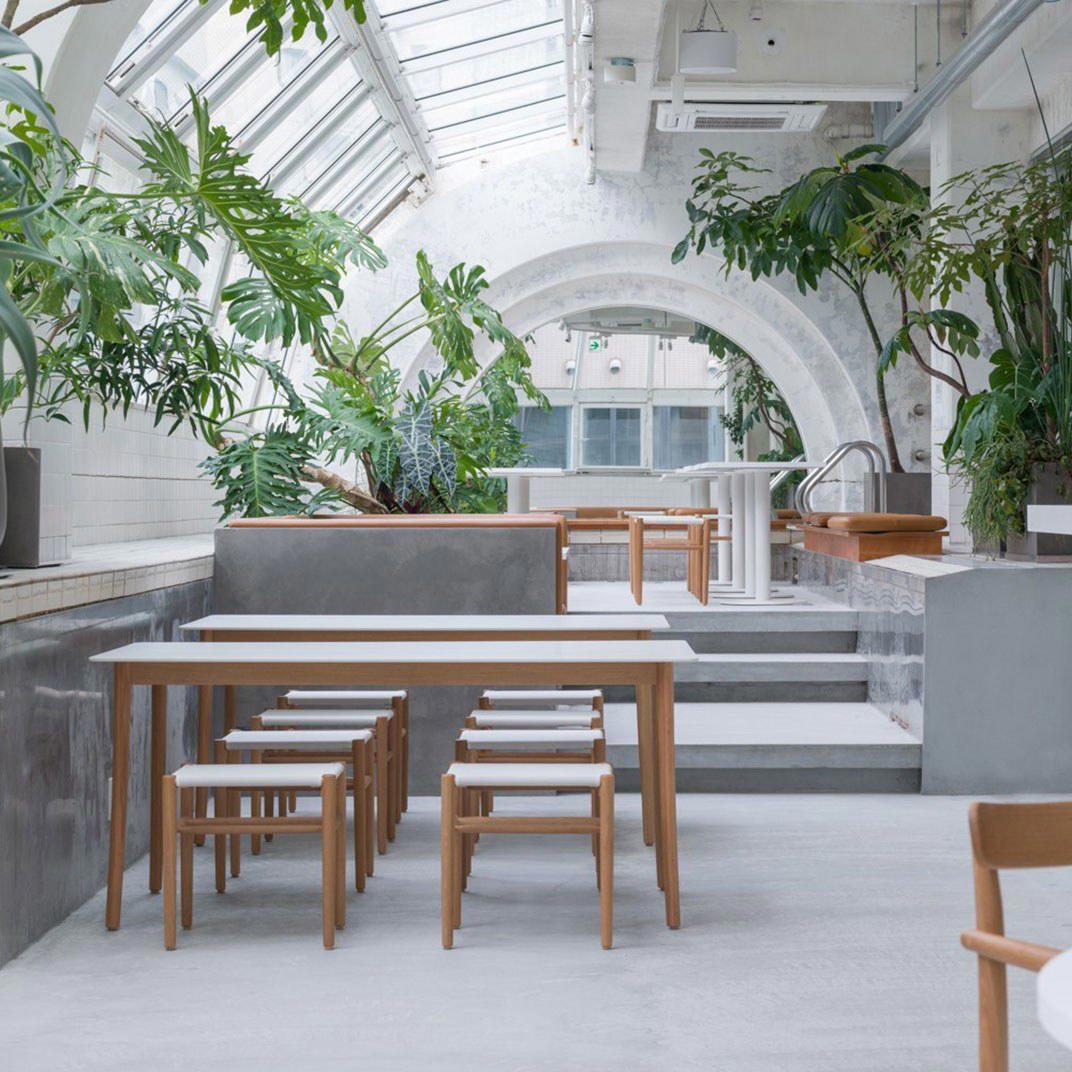
Simple white interior with open kitchen and relaxed, calming space.