
Pizza Riva places Hiroshima’s Yokogawa district inside Japan’s serious Neapolitan pizza conversation rather than treating pizza as a casual side note. Recognition in Tabelog’s Pizza 100 for 2025 and 2023, a 40-seat format, and a tightly focused pizza-and-Italian identity make it a useful address for travelers reading Hiroshima beyond okonomiyaki and seafood.
Pearl is the En Primeur Club membership app — saves, bookings, and concierge access live there. Same editors, same standards.
- Address
- 広島県広島市西区横川町1-7-20
- Phone
- +81822934741
- Website
- tabelog.com
 Saves & bookings on Pearl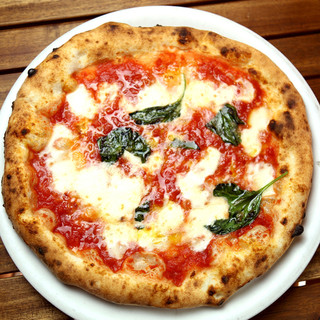
Yokogawa moves to a different rhythm from Hiroshima’s central shopping arcades and riverside hotel zones: residential first, with small dining rooms folded into everyday blocks. Here, serious Neapolitan pizza means heat, dough, timing, and a room treating pizza as craft, not a fallback when Japanese food fatigue sets in.
That matters in Hiroshima. The city’s dining identity is often reduced to okonomiyaki, oysters, and izakaya drinking, but its stronger restaurant culture is broader and more technical. Pizza Riva belongs to the scene where imported forms are judged by discipline: a short Italian framework, wine as the natural pairing, and pizza carrying the meal. Its selection for Tabelog’s Pizza 100 in 2025 and 2023 puts it in a national conversation, not just a local one.
Neapolitan craft in a city better known for griddles and seafood
Hiroshima’s food reputation is built around the griddle, the Seto Inland Sea, and bar-counter conviviality. Neapolitan pizza asks for another reading of the city, where flour, fermentation, cheese, tomato, oil, and fire become the sourcing questions. Strong Japanese pizzerias are exacting about ingredient chains because the cuisine leaves little room to hide: dough structure, dairy quality, tomato balance, and oven management matter more than elaborate plating.
Pizza Riva’s public identity points directly at that school. It is categorized as Pizza and Italian, with a highlight noting a Neapolitan pizza specialty format and more than 60 pizza varieties baked daily. That breadth suggests a kitchen organized around dough and toppings, with appetizers and desserts in support, not a sprawling trattoria menu. For diners used to Tokyo’s reservation-led pizza counters, the Hiroshima version reads less like a trophy meal than a regional proof point: the craft has traveled beyond the capital.
The 2012 Naples Pizza Olympics reference, specifically a World Champion title in the Classical Category, gives the restaurant a technically relevant credential. Pizza competitions can be noisy signals, but this category fits the format. Classical Neapolitan pizza is not judged by novelty; it depends on proportion, heat, elasticity, and restraint, the values separating a serious pizzeria from a general Italian room with pizza on the list.
Compared with nearby Hiroshima peers in the supplied local set, the distinction is clear. NIKUTAMA Yokogawa hiroshima honten belongs to a casual-meat-and-local-comfort lane; LOPEZ sits at a lower spend bracket and speaks to the city’s informal eating culture; ラ セッテ and Tyra Restaurant suggest Hiroshima’s broader range outside pizza. Pizza Riva’s relevance is narrower: a specialist address for diners who care how a Japanese city interprets Naples through local supply chains and daily service discipline.
Why the ingredient question matters here
Ingredient sourcing is often discussed lazily, as if the phrase proves quality. Pizza makes that impossible. Poor flour handling shows in texture. Weak tomatoes turn sweet or metallic. Cheese without structure collapses the center. Heavy oil dulls the finish. In a pizzeria with many variations, consistency depends on making base materials behave across combinations.
That is why the format is more revealing than a named signature pie. No specific signature pizza is publicly listed here, so the stronger editorial reading is the system rather than one order. A restaurant built around appetizers, pizzas, and desserts asks diners to judge the dough-and-oven program repeatedly. The Tabelog score of 3.73, combined with Pizza 100 selections in two award cycles, indicates sustained approval in a category where Japanese diners are unusually detail-driven about crust texture, temperature, and balance.
Wine also matters. Japan’s serious pizzerias often sit between casual dining and specialist craft. Beer can carry a quick meal; wine turns the table toward a fuller Italian structure. In Hiroshima, where sake bars, oyster counters, and okonomiyaki rooms dominate many visitor itineraries, that shift gives the evening a different register: still relaxed, but built around the oven rather than the grill or fryer.
The 40-seat scale keeps the room in a middle band: larger than a tiny counter, smaller than a high-volume family restaurant. For a dough-led operation, that matters. It can serve groups and friends, the occasion most commonly associated with it, while remaining dependent on oven timing. During busy periods, reservations may not eliminate waiting, typical where the cooking sequence cannot be rushed without weakening the product.
How to place it in a Hiroshima itinerary
For travelers, the question is less whether to eat pizza in Japan than when a non-Japanese form teaches something about the city. Hiroshima’s strongest itineraries should not run on one dish alone. A meal at Akai shows the creative end of the local dining spectrum, while ANDERSEN and Butter Cake no Nagasaki Do point to bakery and sweets culture. Bishu Bikou Hamai and CHILAN round out how Hiroshima eats beyond expected categories.
Pizza Riva works as a counterweight after seafood, okonomiyaki, and formal Japanese dining. The house-restaurant setting in Yokogawa gives it neighborhood texture, and the English menu signal helps visitors who do not want the evening mediated through translation. Take-out availability broadens its use, though the compelling reason remains the oven-led format and national pizza recognition.
Planning should be realistic. The restaurant accepts reservations, but busy periods can still involve being guided in order, and the terrace is a waiting area. Tuesday closure and possible longer monthly holidays make it a poor last-minute, single-slot choice. With no parking, public transport or taxi is cleaner for most visitors.
Use the wider EP Club city pages to build the trip around it: Our full Hiroshima restaurants guide, Our full Hiroshima hotels guide, Our full Hiroshima bars guide, Our full Hiroshima wineries guide, and Our full Hiroshima experiences guide. For wider Japan and diaspora dining context, compare how specialist formats travel at -Grilled beef Sukiyaki- KAMAKURA TANUKIAN 鎌倉 たぬき庵 in Kamakura. 鮪と炭火焼き うお炭 秋葉原店 in Tokyo.cafe in Osaka.know in Kumamoto, (Shoku) Vietnam in Kawasaki, [Curry Senmon Ten] Maruyama Kyoju. in Sapporo, Jōdo Saké Bar in Los Angeles, and Onigiri Time in Pasadena.
The editorial case is clear: this is not a substitute for Hiroshima’s local staples, but a correction to a narrow reading of the city. The restaurant belongs on an itinerary when the goal is to see how deeply Japan has absorbed Neapolitan technique, and how a regional city can support a specialist pizzeria with national-category recognition.
Comparison Snapshot
Comparable venues by cuisine and price in the same metro.
| Venue | Cuisine | Price | Notes |
|---|---|---|---|
| Pizza RivaThis venue — the venue you are viewing | Traditional Neapolitan Pizzeria | $$ | Not listed |
| ピッツァリーヴァ | Neapolitan Pizza | $$ | Nishi |
| Non Non | Hiroshima Okonomiyaki | $$ | Minami |
| ラ セッテ | Italian | $$$ | Nishi |
| Denko Sekka | Hiroshima-Style Okonomiyaki | $$ | Minami-ku |
| Butter Cake no Nagasaki Do | Japanese Butter Cake Shop | $ | Naka |
Recognition history
Dated appearances from independent guides and award organizations, with the underlying list record or original source where available.
Tabelog 100 #35 · No. 35
Tabelog · Tabelog 100 - Pizza - 2025
Continue exploring
More in Hiroshima
Restaurants in Hiroshima
Browse all →
Bars in Hiroshima
Browse all →
At a Glance
- Cozy
- Classic
- Lively
- Well Known
- Trendy
- Casual Hangout
- Group Dining
- Family
- After Work
- Date Night
- Standalone
- Design Destination
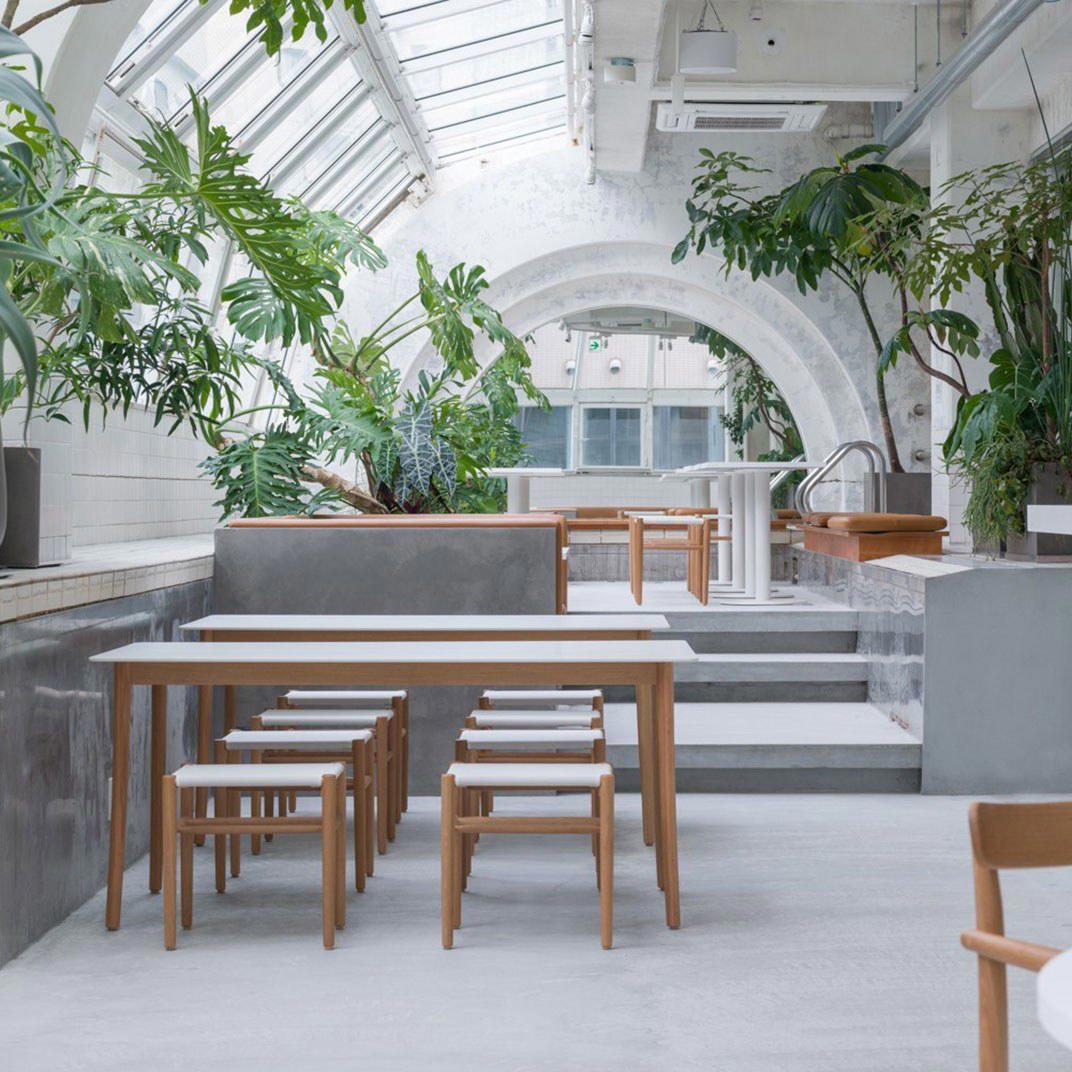
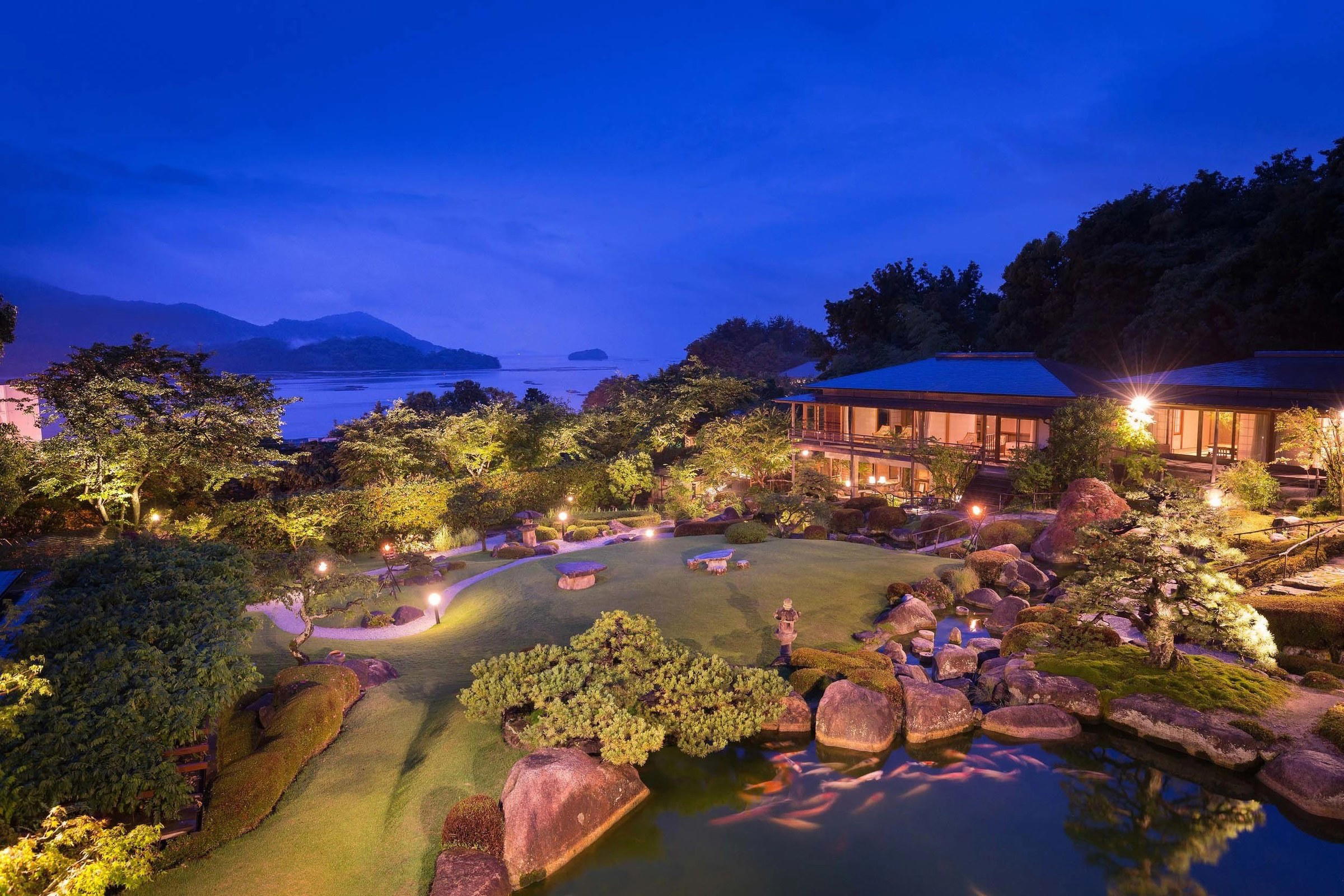
A stylish, house-like neighborhood pizzeria with cozy, classic decor, a lively atmosphere, and the feel of a destination spot for serious pizza lovers rather than a formal Italian restaurant.