
Tabelog Bronze #509
Our verdict
Hiroshima’s beef dining scene is often read through casual grills and okonomiyaki-adjacent comfort, but Wagyu lab K belongs to a narrower counter-led category. The draw is provenance and control: a reservation-only yakiniku, steak and beef-dish format built around Hiroshima’s Sakakiyama Beef, with Tabelog Bronze recognition in 2025 and 2026 anchoring its credibility.

Pearl is the En Primeur Club membership app — saves, bookings, and concierge access live there. Same editors, same standards.
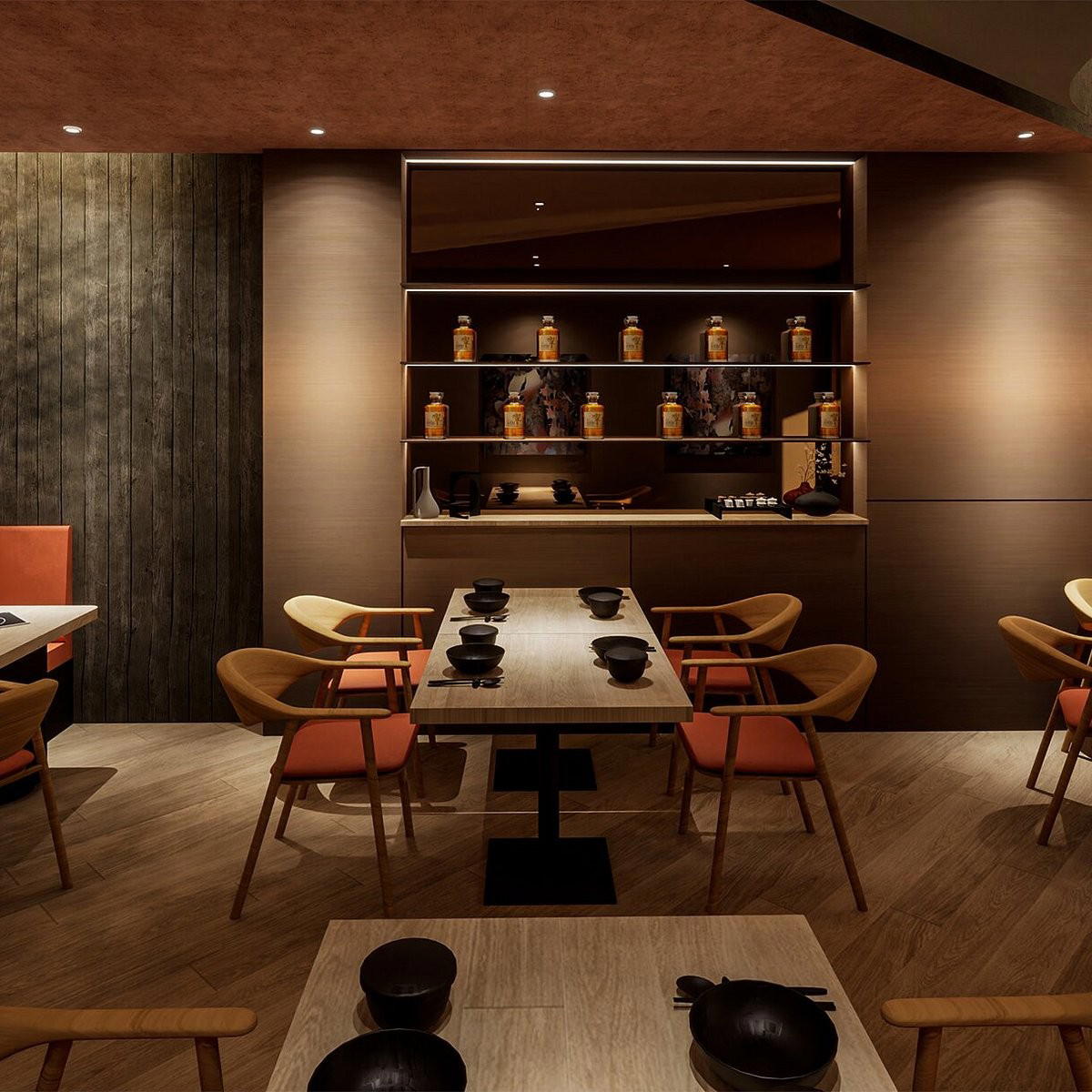
Approach this part of Nishi Ward and Hiroshima feels residential rather than ceremonial: low-rise streets, local traffic, and dining culture that does not need Ginza lighting to signal ambition. Inside this counter-led beef room, the point is control, not spectacle. Japanese yakiniku can be communal and casual, but its high-end form has moved toward omakase logic: fewer seats, tighter timing, and a grill master shaping the meal instead of leaving every decision to the table.
That shift matters in Hiroshima, a city better known internationally for oysters, okonomiyaki and postwar food culture than luxury beef counters. A serious wagyu address here reads differently from one in Tokyo or Osaka. Wagyu lab K sits in that smaller, ingredient-led tier: yakiniku, steak and beef dishes treated as a course experience rather than a free-form grill session. Tabelog lists it as a Bronze winner in 2025 and 2026, with selection for Tabelog Yakiniku WEST 100 in 2023 and 2025 and Tabelog Grill WEST 100 in 2024, placing it in a competitive western Japan frame rather than a purely local one.
Hiroshima beef, handled as a controlled counter meal
The sourcing angle is the argument. The course is built around Hiroshima’s Sakakiyama Beef, a regional reference that gives the restaurant a sharper identity than a generic premium-wagyu program. In Japan, wagyu reputation is often reduced to marbling grades and famous prefectural names; smaller regional beef programs can be more revealing because they connect the meal to place without forcing a heritage narrative. Here, the ingredient does the editorial work: Hiroshima is not borrowing prestige from a better-known beef region, but putting its own product under scrutiny.
The format reinforces that reading. A 10-seat room with semi-circular counter seating changes yakiniku’s rhythm. Instead of a large table negotiating cuts, doneness and pace, the meal becomes a narrow exchange between meat, heat and timing. That differs meaningfully from lower-priced local meat venues such as MINOYA, NIKUTAMA Yokogawa hiroshima honten or LOPEZ, where the spend level suggests a more everyday register. Nukazuke Kobo nipote Misasa honten occupies a different price band again, but the comparison still clarifies the choice: this is not casual beef drinking food or a broad izakaya substitute. It is a compact course format for diners who care how regional wagyu is handled.
Hiroshima’s broader dining map rewards that specificity. For a creative-cuisine counter, Akai (Creative Cuisine) frames the city through a different precision; Bishu Bikou Hamai points toward drinking-led Japanese dining; ANDERSEN and Butter Cake no Nagasaki Do show how European baking and local sweets also sit inside Hiroshima’s food identity. Against those addresses, Wagyu lab K is less an all-purpose restaurant than a specialist argument for beef provenance.
Why the awards matter in a city not built around luxury beef
Tabelog recognition can be overread by visitors unfamiliar with Japan’s review culture, but repeated category placement is useful when the venue is small. A 10-seat reservation-only counter has little room to absorb casual demand, so awards function less as decoration than as a signal of intent. Consecutive Bronze awards and WEST category selections indicate the restaurant competes beyond neighbourhood familiarity. For travellers, that matters because Hiroshima’s premium dining decisions often split between seafood, modern Japanese cooking and special-purpose counters.
The price band reinforces the positioning. Dinner is listed at JPY 10,000 to JPY 14,999, above everyday yakiniku and below the extreme luxury tier common in larger Japanese cities. That middle-premium zone makes the evaluation interesting: not whether the room performs luxury for its own sake, but whether the sourcing, pacing and grill control justify choosing beef over Hiroshima’s other strengths. For diners already planning oyster bars, okonomiyaki and sake-led meals, this adds a different register without turning the trip into a trophy hunt.
The drinks list supports the category rather than distracting from it. Sake, shochu, wine and cocktails are available, giving enough range for a beef course without implying a bar-driven restaurant. That is practical in Hiroshima, where many serious meals remain tied to drinking culture. Visitors building a fuller itinerary can use Our full Hiroshima restaurants guide for dining context, then widen the trip through Our full Hiroshima bars guide, Our full Hiroshima hotels guide, Our full Hiroshima wineries guide and Our full Hiroshima experiences guide.
Who should choose this over a broader Hiroshima meal
Sharper recommendation is for travellers who have already covered Hiroshima’s expected food vocabulary and want a controlled, regional-beef counter rather than another casual grill. The room is non-smoking, private rooms are not part of the setup, and children are welcomed, but the counter format and course price make it better suited to families with kids who can sit through a focused meal. For a looser evening, the city has easier options. For a beef-specific dinner with awards history and a named local cattle focus, this is the stronger fit.
It also works as a Japanese beef reference point for travellers comparing formats across cities. A Kamakura sukiyaki-style address such as -Grilled beef Sukiyaki- KAMAKURA TANUKIAN 鎌倉 たぬき庵 in Kamakura tells a different story about beef and sweetness; Tokyo’s grill-and-seafood spectrum includes places like. 鮪と炭火焼き うお炭 秋葉原店 in Tokyo. Outside Hiroshima, the editorial comparison can stretch from.cafe in Osaka and.know in Kumamoto to (Shoku) Vietnam in Kawasaki, [Curry Senmon Ten] Maruyama Kyoju. in Sapporo, Jōdo Saké Bar in Los Angeles and Onigiri Time in Pasadena. Those are not direct peers; they show how single-subject dining travels across regions and price levels.
The editorial case for Wagyu lab K is narrow, and that is its strength. Hiroshima does not need another vague premium dining claim. It benefits from restaurants that make a specific local product legible. A small counter, a regional beef focus, repeated Tabelog recognition and a course-led yakiniku format give this address a clear role in the city: not the default dinner, but the beef dinner to plan around when provenance and grill discipline matter.
Frequently asked questions
Would Wagyu lab K be comfortable with kids?
Yes. The venue lists children welcome, and the format is a 10-seat counter in Hiroshima, which suits families who are comfortable with a set reservation-only service. Its dinner price band sits at JPY 10,000–JPY 14,999.
What's the vibe at Wagyu lab K?
Small and controlled: 10 seats, semi-circular counter seating, reservation only, with two seating times at 18:00 and 20:00. The Tabelog Bronze awards in 2025 and 2026 give it clear third-party credibility, while the Hiroshima address keeps it rooted in a local beef scene.
What are the operating hours at Wagyu lab K?
Hours at Wagyu lab K: ■Business hoursReservation only. (Two seating times) From 18:00 onwards From 20:00 onwards Please be aware that if you arrive significantly late, we may not be able to accommodate you. *Cancellation Policy: - 100% charge for same-day cancellations - 50% charge for cancellations made one or two days in advance Charges will be applied based on the course fee, so please take note.■Closed onNot fixed.
What is Wagyu lab K known for?
Wagyu lab K is primarily known for its core concept and execution in Hiroshima.
Snapshot
Comparable venues by cuisine and price in the same metro.
| Venue | Cuisine | Price | Awards | Notes |
|---|---|---|---|---|
| Wagyu lab KThis venue (the venue you are viewing) | Sakakiyama Beef Yakiniku | $50–100 | Tabelog Bronze #509 | Not listed |
| Sobiki | Traditional Seasonal Kaiseki | $150–200 | Tabelog Bronze #416 | Saijo |
| Eizan | Seasonal Kaiseki Omakase | $150–200 | Tabelog Bronze #60 | Naka |
| Chiso Sottakuito | Modern Japanese Omakase | $200–300 | Tabelog Silver #15 | Naka |
| 桃花庵 | Seasonal Kaiseki Omakase | $200–300 | Not listed | Asakita |
| Teppan Ryori Kaeru | High‑end Teppanyaki in Hiroshima | $100–150 | Tabelog 100 #23 | Naka |
Recognition history
Dated appearances from independent guides and award organizations, with the underlying list record or original source where available.
Tabelog Bronze #509
Tabelog
Full recognition history (3 entries)
Tabelog Bronze
Tabelog
Tabelog 100 #34 · No. 34
Tabelog · Tabelog 100 - Yakiniku - WEST - 2025
Continue exploring
More in Hiroshima
Restaurants in Hiroshima
All restaurants in Hiroshima →
Bars in Hiroshima
All bars in Hiroshima →
Details
- Elegant
- Relaxed
- Modern
- Intimate
- Date Night
- Special Occasion
- Business Dinner
- Chefs Counter
- Open Kitchen
- Sake Program
- Local Sourcing
- Set Menu
- Counter Dining
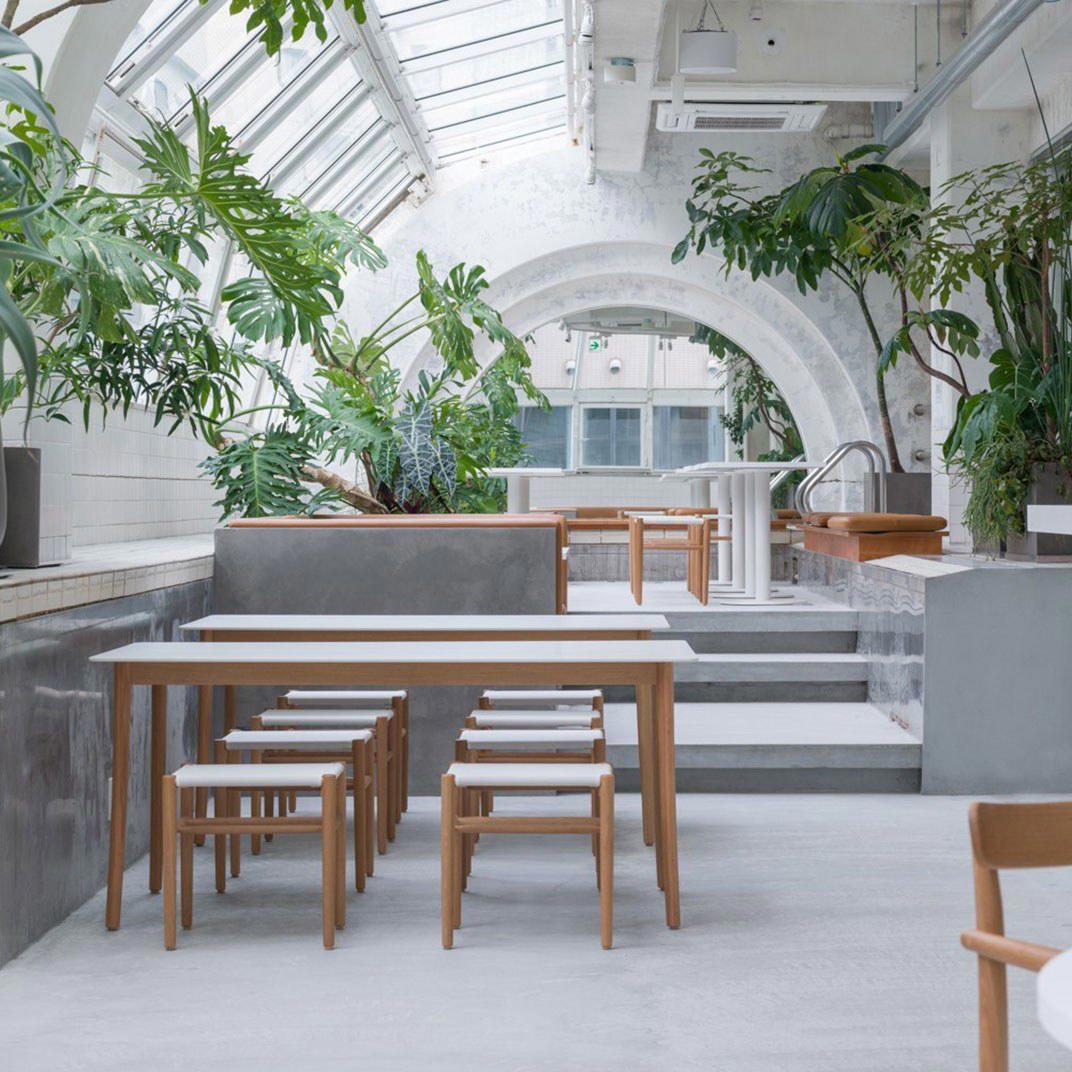
Chic and stylish counter seating in a relaxing, hideout space with attentive service creating an immersive dining atmosphere.