
Ichigo Ichie sits in Hiroshima’s late-night Nagarekawa dining district, where okonomiyaki overlaps with teppanyaki, local seafood, and sake-led drinking culture. Its 2025 selection for Tabelog 100 Okonomiyaki places it in a more selective tier than the city’s casual okonomiyaki counters, with pricing that reflects a broader grill-and-seafood format rather than a quick plate of noodles and batter.
Pearl is the En Primeur Club membership app — saves, bookings, and concierge access live there. Same editors, same standards.
- Address
- 広島県広島市中区流川町7-18 古本ビル
- Phone
- +819064168994
- Website
- tabelog.com
 Saves & bookings on Pearl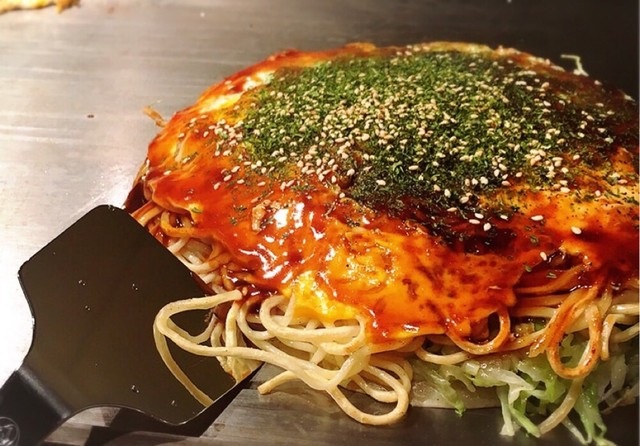
Nagarekawa is Hiroshima’s after-dark restaurant quarter: compact buildings, upper-floor dining rooms, and grill counters built for groups, office meals, and visitors chasing the city’s defining dish after sunset. Here, Ichigo Ichie reads less like a quick okonomiyaki stop than a teppanyaki room arguing through Hiroshima’s regional pantry. The format matters: Hiroshima-style okonomiyaki is often treated by travellers as one compulsory plate, but stronger local tables show it inside a wider grill culture of oysters from local waters, anago from the Seto Inland Sea orbit, beef, fish, sake, shochu, and vegetables handled on hot iron rather than hidden behind ceremony.
That broader register explains the price tier. Ichigo Ichie is listed at JPY 6,000 to JPY 7,999 for dinner, above walk-in okonomiyaki shops such as Okonomiyaki Koshida Honten and Shintenchi Micchan, both around JPY 1,000 to JPY 1,999. It sits closer to a multi-plate teppanyaki-and-drinks meal, while still below the JPY 8,000 to JPY 9,999 bracket attached to Bishu Bikou Hamai. For readers mapping Hiroshima by category rather than hype, that middle position is the signal: okonomiyaki inside a fuller evening meal, not a snack between bars.
Hiroshima okonomiyaki, treated as part of the grill rather than a single-plate ritual
Hiroshima okonomiyaki has a stronger sense of construction than Osaka style: layers rather than fully mixed batter, often with noodles folded into the architecture. That is why the city’s better okonomiyaki rooms stretch naturally into teppanyaki. The same surface that sets cabbage, noodles, and egg can handle oysters, anago, beef, fish, and small plates that make a drinking meal feel local rather than generic.
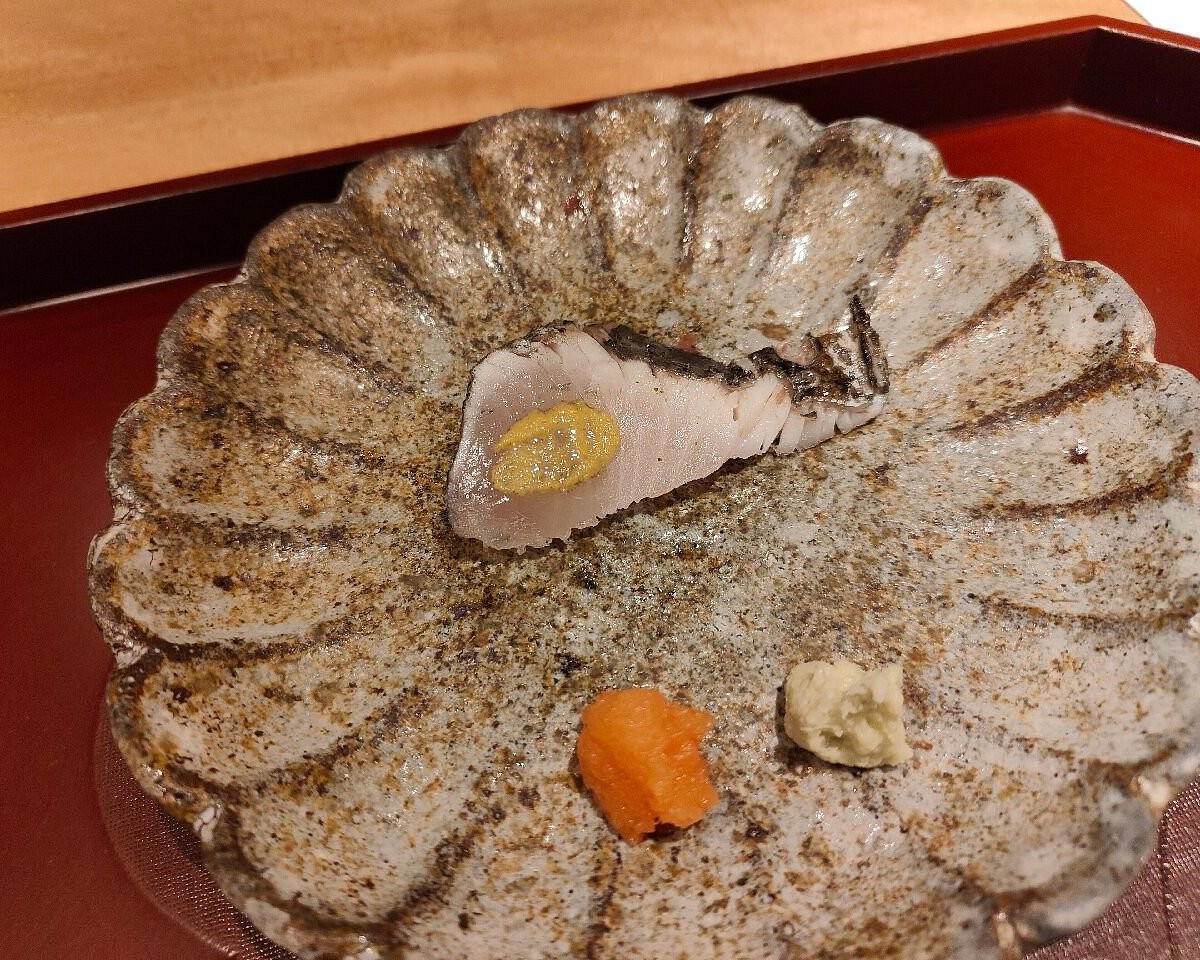
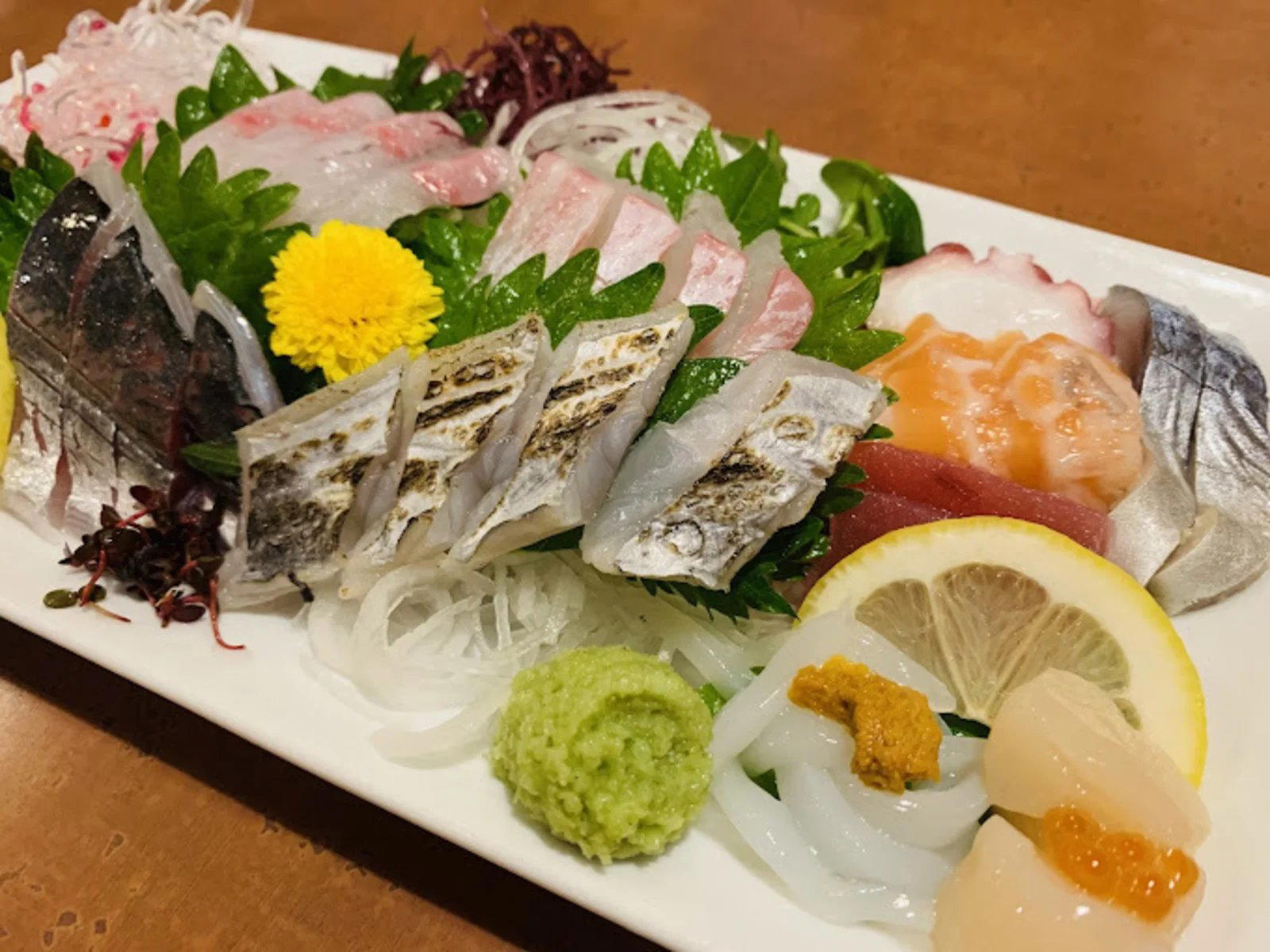
Ichigo Ichie’s listed categories, okonomiyaki and teppanyaki, put it in that crossover lane. Its ingredient emphasis is unusually place-specific for a casual grill format: Hiroshima oysters, fresh oysters, local anago, sea urchin with spinach, Hiroshima beef, and fish all shape the public-facing food identity. This does not need fine-dining inflation. The point is simpler: Hiroshima’s food culture is coastal, riverine, and grill-friendly, and this room uses okonomiyaki as one entry point into that supply chain.
The 2025 Tabelog 100 Okonomiyaki selection adds trust without turning the meal into trophy dining. Tabelog’s Hyakumeiten lists are category-specific, making the recognition more useful here than a generic popularity badge. It places the restaurant inside a national okonomiyaki conversation while keeping the lens narrow enough to matter: batter, iron, cabbage, noodles, sauce, and the local variations separating Hiroshima from other Japanese cities.
Why the sourcing angle changes the reader's order
Ingredient sourcing is not decorative in Hiroshima. Oysters shape winter tables, anago has long been tied to the Seto Inland Sea region, and sake culture remains strong across Hiroshima Prefecture. At the restaurant, the drink program includes sake, shochu, wine, and cocktails, with a stated emphasis on sake. That combination signals pacing: grill dishes, okonomiyaki, seafood, and drinks in sequence rather than one plate and exit.
Read the menu by origin and grill logic. Start with local seafood categories when available, then treat okonomiyaki as the centre of gravity rather than the whole meal. Fish is explicitly flagged as an area of attention, and the seafood references are not incidental garnish; they define the restaurant’s place in Hiroshima’s dining grammar. For travellers who have already eaten basic okonomiyaki near the station or in a food hall, this is the sensible upgrade path: not fancier for its own sake, but more connected to what the region produces.
Capacity also shapes the experience. The room has 28 seats, including table seating for up to 22 and six counter seats. That mix matters in Hiroshima, where okonomiyaki can be counter theatre or group dinner. Counter seats suit solo diners and pairs who want the grill in view; tables fit a longer seafood-and-drinks meal. Private use is listed for up to 20 people, explaining why it can function as a local gathering place rather than only a specialist counter.
Where it fits in a Hiroshima dining itinerary
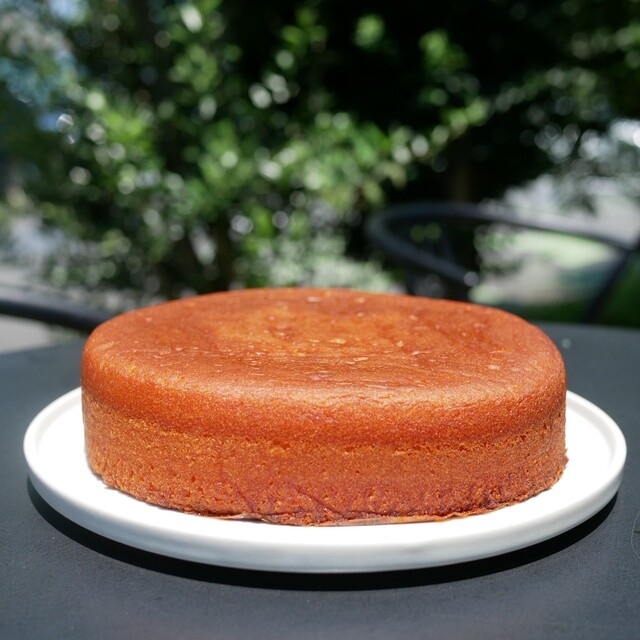
Hiroshima rewards travellers who separate its dining scene into lanes: everyday okonomiyaki, higher-spend Japanese dining, bakery and café tradition, sake-focused drinking, and contemporary restaurants beyond local staples. The restaurant belongs where regional ingredients and okonomiyaki overlap. Pair it with Akai (Creative Cuisine), Bishu Bikou Hamai, or CHILAN for a broader read on how the city moves from local comfort food into more composed cooking. For daytime contrast, ANDERSEN and Butter Cake no Nagasaki Do show another side of Hiroshima’s appetite: bakery culture, sweets, and European-influenced habits beside the grill tradition.
Among Hiroshima okonomiyaki options, the decision is not simply cheap versus expensive. Okonomiyaki Koshida Honten and Shintenchi Micchan occupy the low-cost lane; Tonkatsu 16 points to another comfort-food category; Bishu Bikou Hamai sits at a higher dinner spend. The restaurant’s case is narrower and useful: choose it when the evening calls for okonomiyaki plus local seafood and drinks, especially when the Tabelog 100 Okonomiyaki 2025 selection matters as a filter.
For broader planning, use Our full Hiroshima restaurants guide alongside Our full Hiroshima hotels guide, Our full Hiroshima bars guide, Our full Hiroshima wineries guide, and Our full Hiroshima experiences guide. Readers extending the trip through Japan can compare category-led meals such as -Grilled beef Sukiyaki- KAMAKURA TANUKIAN 鎌倉 たぬき庵 in Kamakura. 鮪と炭火焼き うお炭 秋葉原店 in Tokyo.cafe in Osaka.know in Kumamoto, (Shoku) Vietnam in Kawasaki, and [Curry Senmon Ten] Maruyama Kyoju. in Sapporo. Outside Japan, Jōdo Saké Bar in Los Angeles and Onigiri Time in Pasadena are useful reference points for how Japanese drinking and rice-based formats translate abroad.
How It Stacks Up
Comparable venues by cuisine and price in the same metro.
| Venue | Cuisine | Price | Notes |
|---|---|---|---|
| Ichigo IchieThis venue — the venue you are viewing | Hiroshima okonomiyaki & teppanyaki | $$$ | Not listed |
| Denko Sekka (電光石火) | Hiroshima-style Okonomiyaki | $$ | Hiroshima Station area |
| Yakitori Takase | Premium Yakitori Course | $$$ | Naka |
| Masaru | Hiroshima Okonomiyaki | $$ | Higashi |
| Teppan Ryori Kaeru | High‑end Teppanyaki in Hiroshima | $$$$ | Naka |
| Kushi Dokoro Dochu | Yakitori & Kushiyaki Counter | $$$ | Naka |
Recognition history
Dated appearances from independent guides and award organizations, with the underlying list record or original source where available.
Tabelog 100 #73 · No. 73
Tabelog · Tabelog 100 - Okonomiyaki - 2025
Continue exploring
More in Hiroshima
Restaurants in Hiroshima
Browse all →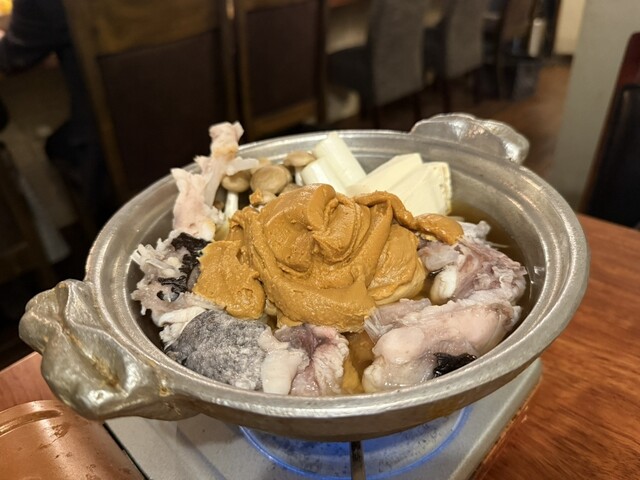
Bars in Hiroshima
Browse all →
At a Glance
- Cozy
- Lively
- Casual Hangout
- After Work
- Group Dining
- Late Night
- Open Kitchen
- Standalone
- Sake Program
- Local Sourcing
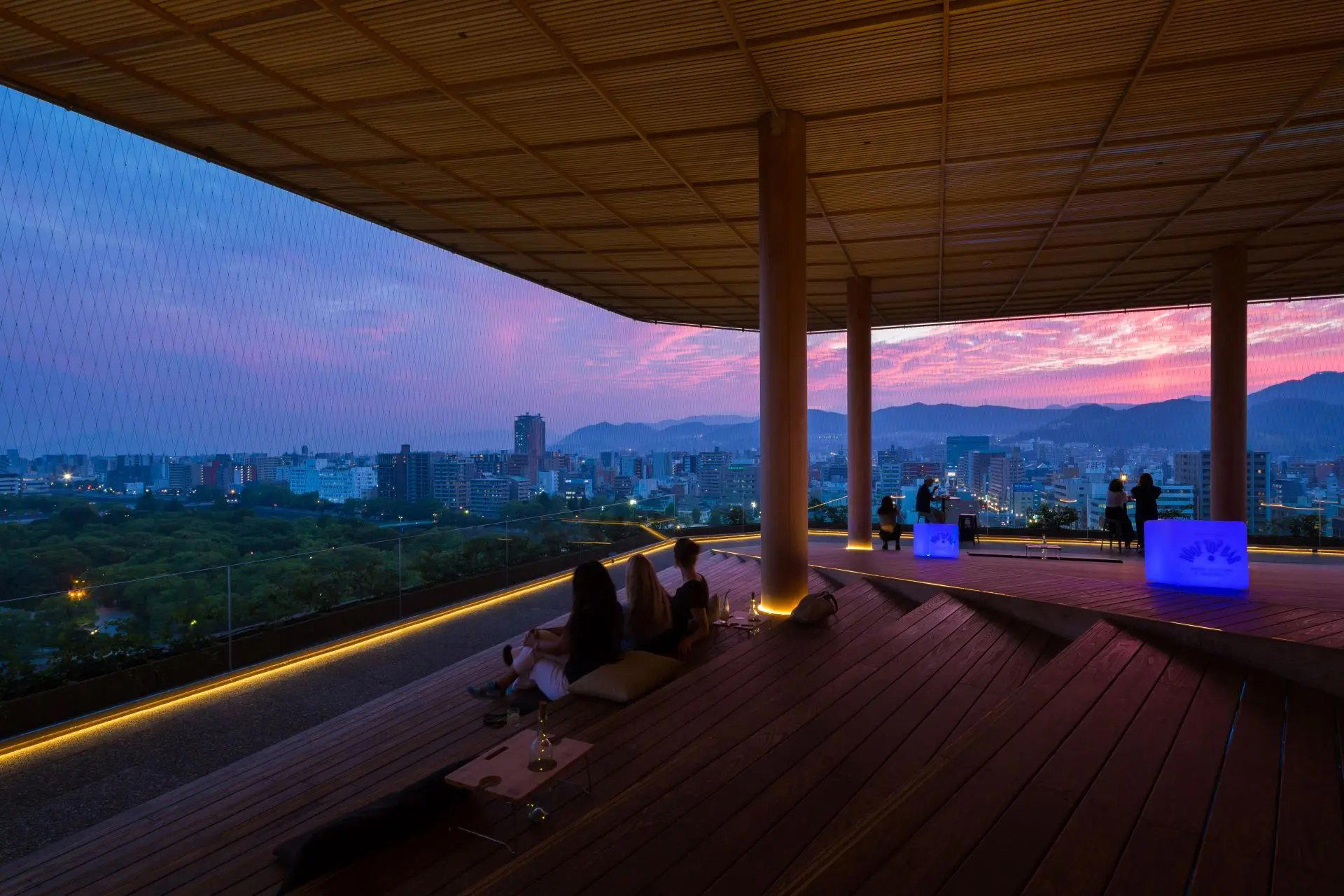
A small hideout-style teppanyaki restaurant with around 28 seats, relaxed counter and table seating, sports on TV, and a casual, lively atmosphere suited to friends and casual business meetups rather than formal dining.