食堂とだか occupies a basement floor in Nishigotanda, Shinagawa, a residential pocket that sits outside Tokyo's usual fine-dining corridors. The format reads as a shokudo, the everyday Japanese canteen tradition, but the execution positions it several registers above that framing. For visitors who have exhausted the obvious Michelin circuit, this is where the city's less-signposted dining sits.
Pearl is the En Primeur Club membership app — saves, bookings, and concierge access live there. Same editors, same standards.
- Address
- Japan, 〒141-0031 Tokyo, Shinagawa City, Nishigotanda, 1 Chome−9−3 B1
- Phone
- +815054882359
- Website
- ggrx600.gorp.jp
 Saves & bookings on Pearl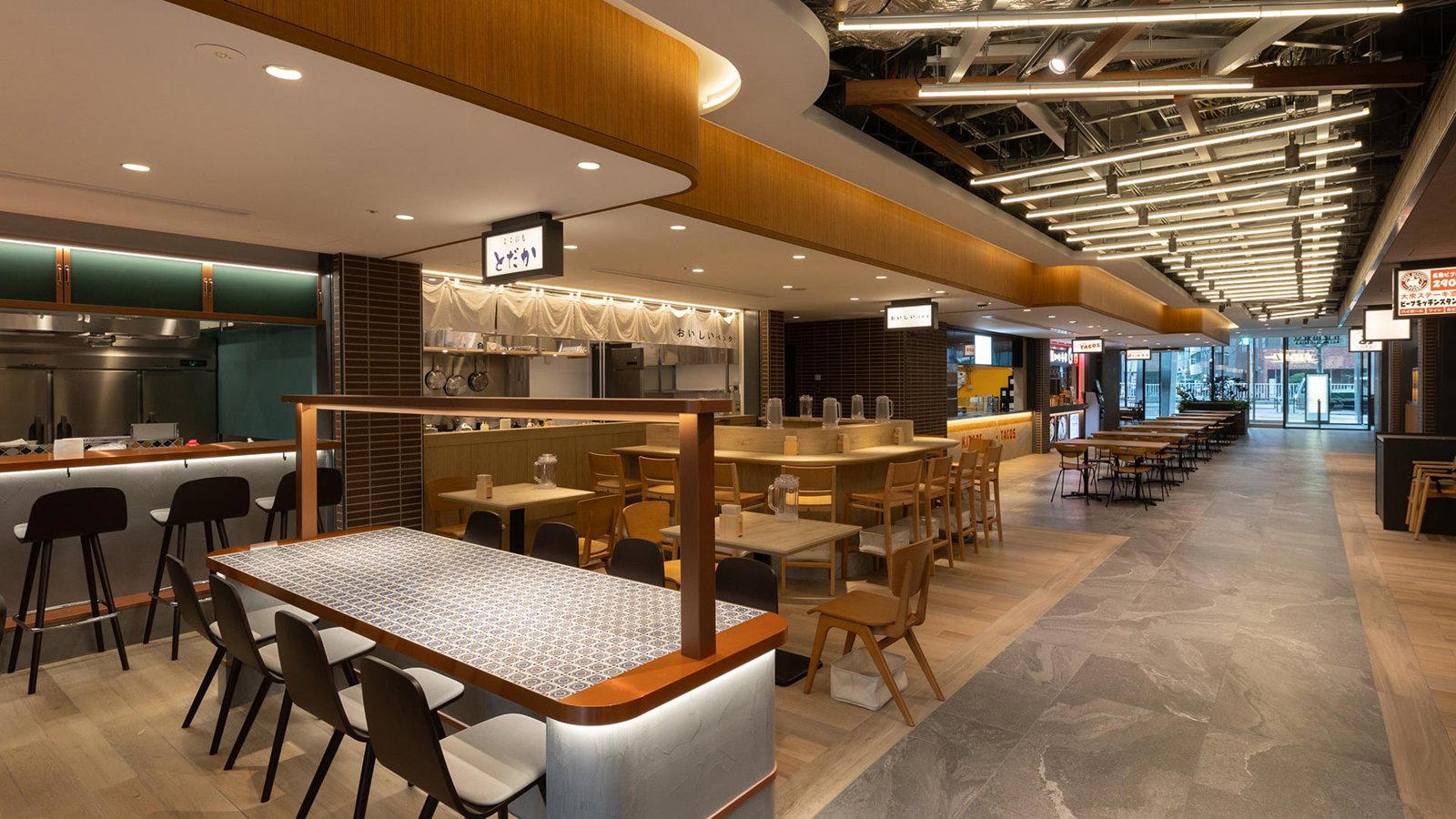
Shinagawa's Basement and What It Tells You About Tokyo Dining
Tokyo's most discussed restaurants cluster in Ginza, Minami-Aoyama, and Azabu-Juban. The full Tokyo restaurant circuit is dense with three-star counters and chef-driven French rooms. But the city's residential wards, Shinagawa, Meguro, Koenji, have always housed a parallel dining culture that runs on repetition and neighbourhood trust rather than reservation systems and international press. 食堂とだか (Shokudo Todaka) sits in Nishigotanda, a quiet sub-district of Shinagawa City, in a basement space at 1 Chome-9-3. The address alone signals something about its local orientation.
The shokudo tradition in Japan is one of the more misunderstood categories in Western food writing. Translated loosely as "dining hall" or canteen, the format historically served workers, students, and families with direct, affordable cooking grounded in Japanese home-cooking techniques. Rice dishes, set meals, miso soup, pickles, the vocabulary is domestic. But in contemporary Tokyo, a number of operators have used the shokudo frame as a structural choice rather than a budget constraint, producing cooking that carries serious technical grounding while refusing the theatre of kaiseki or the premium signals of an omakase counter.
Cultural Roots: The Shokudo as a Serious Format
Understanding 食堂とだか requires some time with the shokudo as a culinary institution. Where a kaiseki restaurant like RyuGin operates inside a codified seasonal tradition with deep ties to Kyoto court culture, and where a sushi counter like Harutaka is built around the Edo-mae craft of working with aged and seasoned fish, the shokudo belongs to a different lineage entirely, one rooted in the Meiji-era emergence of public eating spaces that democratised restaurant culture across class lines.
That democratic instinct has not disappeared. What has shifted, particularly in Tokyo's inner wards over the past fifteen years, is a willingness among serious cooks to inhabit the shokudo format without apology. The basement location in Nishigotanda fits that pattern. A basement address, no digital presence to speak of, and a neighbourhood with no particular cachet among food tourists, these are deliberate orientation choices, not accidents of circumstance.
Contrast this with the trajectory of French-influenced restaurants like L'Effervescence or Sézanne, which operate in visible, high-rent locations with international booking infrastructure. Those restaurants are directing themselves at a global audience. 食堂とだか is not. Its orientation is local in a literal sense: a neighbourhood operator serving a neighbourhood audience.
Where Nishigotanda Fits in the City's Dining Geography
Shinagawa City is often treated as transit infrastructure, the ward contains one of Tokyo's major Shinkansen departure points and a cluster of business hotels that serve arriving passengers. But Nishigotanda, a few minutes west of the main station area, has a residential texture that most transit-focused visitors never encounter. The low-rise streetscape, the neighbourhood izakayas, the lunch counters serving salaryman sets, this is a part of Tokyo that feeds itself daily rather than performing for an audience.
That context matters when reading a venue like 食堂とだか. The basement placement is common in Tokyo's smaller dining operations, where ground-floor space is expensive and street visibility limited. Operators who accept that trade-off are, implicitly, not depending on walk-in discovery. Their customers know where they are going before they arrive.
For a broader picture of how Japanese regional dining compares, Gion Sasaki in Kyoto and HAJIME in Osaka illustrate how the Kansai region approaches formal Japanese cooking differently, with Osaka's emphasis on ingredient directness and Kyoto's formal seasonal structure. Tokyo's neighbourhood shokudo tradition is in some ways the anti-kaiseki: it prioritises the repeat customer and the Tuesday lunch over the celebratory occasion.
How to Read This Category Against Tokyo's Fine Dining Tier
The upper tier of Tokyo dining has compressed upward in price over the past decade. Premium omakase counters and multi-course French rooms at Crony and comparable venues now price at levels that position them against Paris and New York peers. Further afield, Le Bernardin in New York City and Atomix operate in a similar bracket, restaurants where the occasion is the point and the price confirms the register. The shokudo category exists in deliberate counterpoint to that compression. It has not moved upmarket in the same way, and operators within it have generally resisted the tasting-menu format that has become standard in the city's highest-priced rooms.
This does not mean the cooking is casual in a pejorative sense. Japan's domestic dining culture has always embedded a high standard of technical care across price tiers, from the Michelin-starred ramen shops to the depachika food halls that produce daily-changing bento at prices that would be considered artisan market rates in London or New York. The shokudo that takes its craft seriously operates in that same tradition of embedded quality without theatrical presentation.
For comparison across Japan's regional spectrum, Goh in Fukuoka demonstrates how Kyushu-rooted ingredients can anchor a more formal contemporary Japanese format, while venues like akordu in Nara and 一本木 名川製 in Nanao show how smaller Japanese cities are developing serious dining cultures well outside the Tokyo-Osaka corridor. Closer to home in Shinagawa's own orbit, neighbourhood operators like 食堂とだか sit within a Tokyo tradition of quiet, technically grounded cooking that rarely attracts international attention but sustains loyal local followings across years.
Planning a Visit
Specific booking details, hours, and pricing for 食堂とだか are not confirmed. Given the venue's profile and residential Shinagawa address, this is a restaurant that likely operates on local word of mouth and repeat custom. The address is B1, 1 Chome-9-3, Nishigotanda, Shinagawa City, Tokyo,
Those building a broader Tokyo itinerary around Japanese culinary tradition can find additional context in our full Tokyo restaurants guide, which maps the city's dining across neighbourhood and price tier. Elsewhere in Japan, 古代山乃井 in Sapporo, 湖魚庵堀 in Takashima, 旅羽屋 in Nishikawa Machi, and Birdland in Sakai each illustrate the depth of Japan's regional dining outside the major cities, while Bistro Ange in Toyohashi shows how European formats have taken root in mid-sized provincial cities.
Quick Comparison
Comparable venues nearby, for context on price, style, and recognition.
| Venue | Cuisine | Price | Notes |
|---|---|---|---|
| 食堂とだかThis venue — the venue you are viewing | Modern Japanese Izakaya | $$$ | Not listed |
| Mishuku Toraji | Yakiniku (Japanese BBQ) | $$$ | Meguro |
| Shinsen Ichinoya | Traditional Kanto-style Unagi (grilled eel) | $$$ | Shibuya |
| Tori Yoshi Ginza ten | Yakitori & Izakaya | $$$ | Chūō |
| Dashin Soan | Traditional Soba & Kaiseki | $$$ | Setagaya |
| サーモンアンドトラウト | Modern Japanese Punk Cuisine | $$$ | Setagaya |










At a Glance
- Cozy
- Intimate
- Rustic
- Casual Hangout
- Solo
- After Work
- Sake Program
Current opening hours
- Monday
- 6–11 PM
- Tuesday
- 6–11 PM
- Wednesday
- 6–11 PM
- Thursday
- 6–11 PM
- Friday
- 6–11 PM
- Saturday
- 6–11 PM
- Sunday
- Closed
Hours can change for holidays and private events. Last verified .
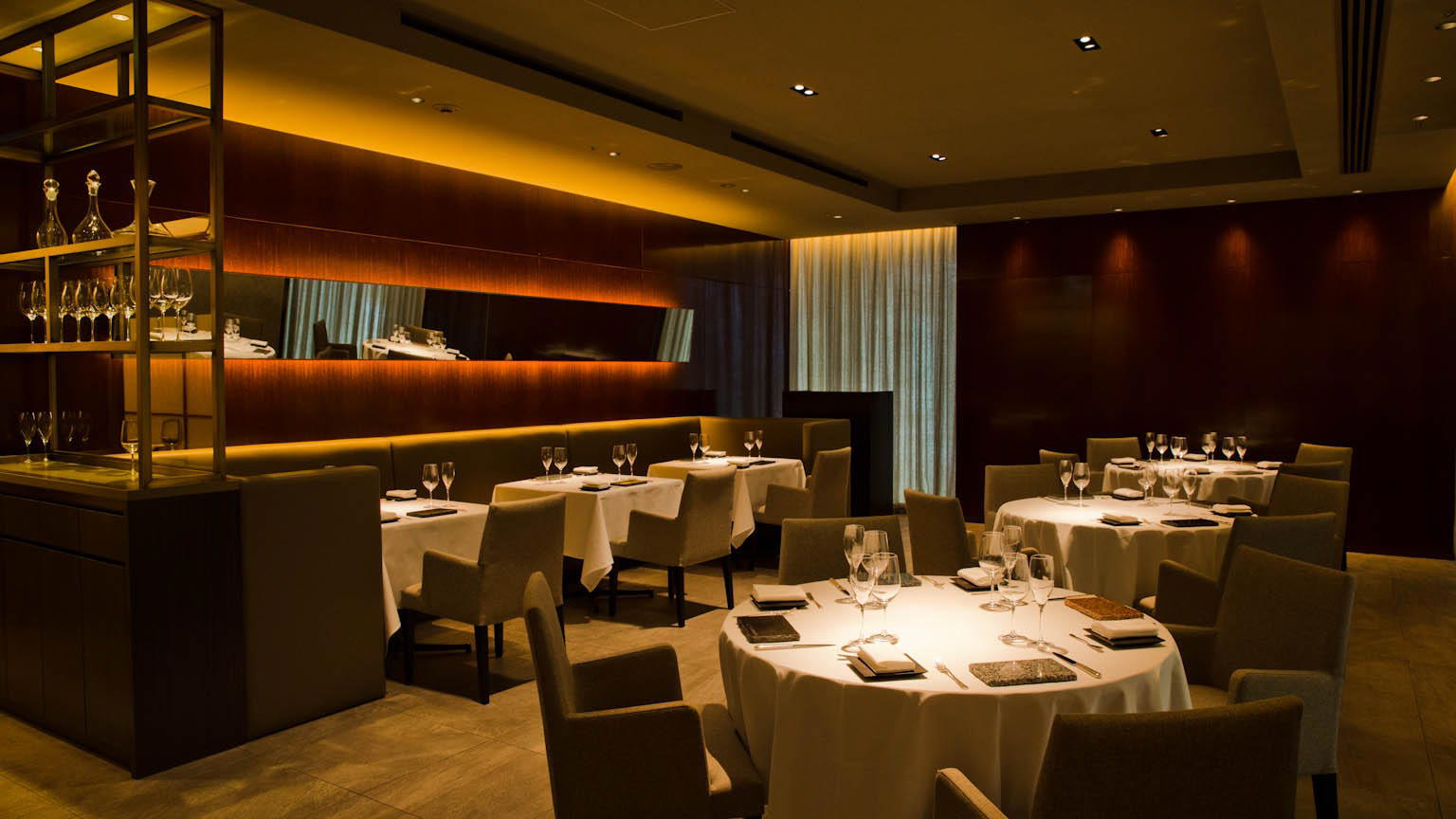
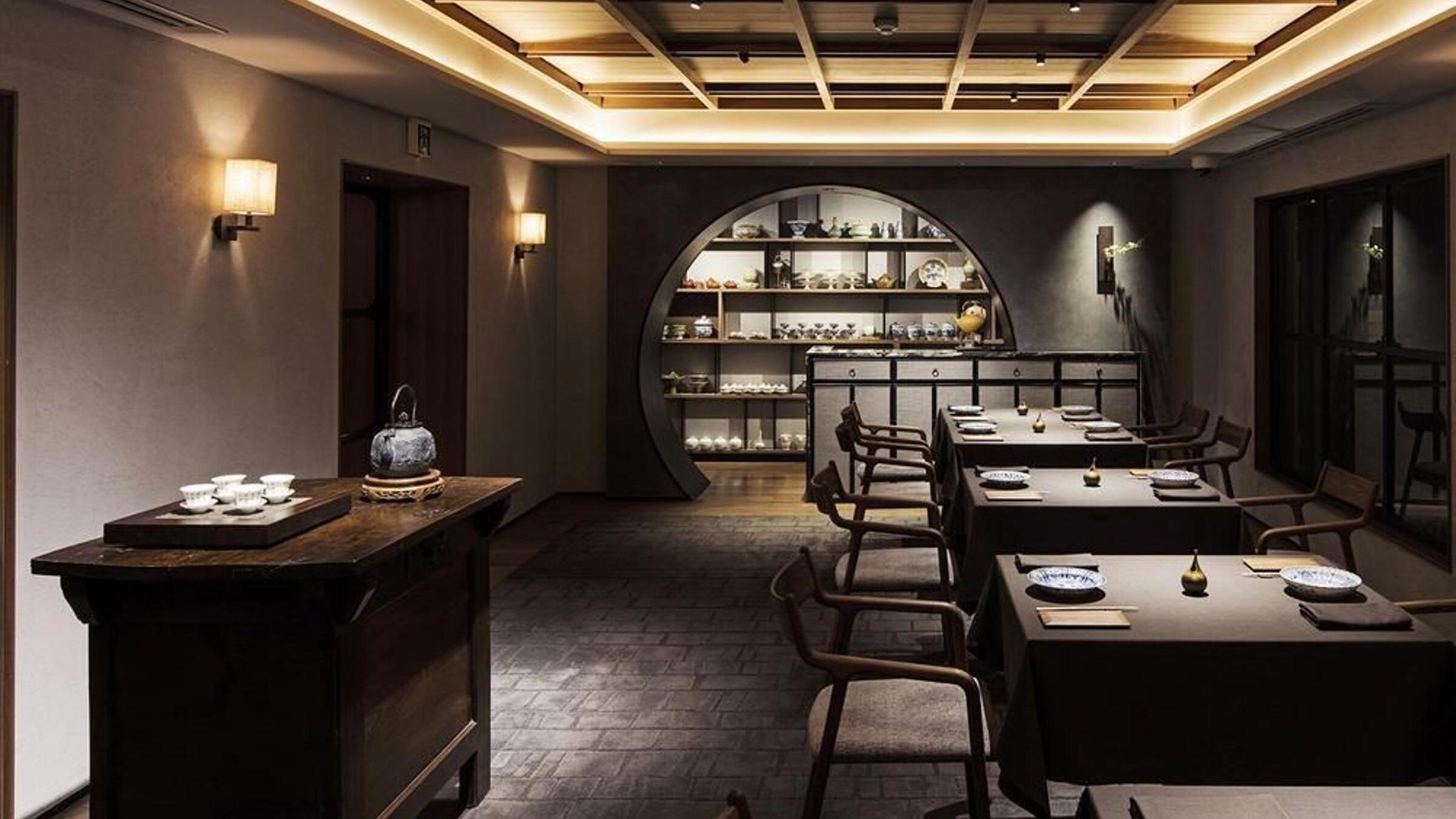
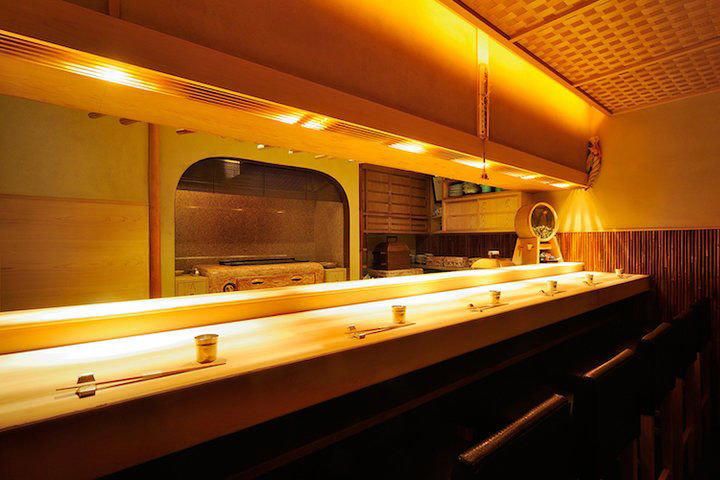
Cozy, compact L-shaped counter with retro bar atmosphere and blackboard menu evoking a neighborhood izakaya.