Our verdict
クネル occupies a quiet address in Chuo Ward, Sapporo, within a city whose restaurant culture has grown steadily more demanding over the past decade. The name itself, a reference to the classic French quenelle, signals a kitchen oriented around European technique applied to Hokkaido's ingredient depth. For readers mapping Sapporo's French and European dining tier, it belongs in the same conversation as the city's more documented Western-format tables.

Pearl is the En Primeur Club membership app, where members save venues, book tables and use the concierge.
The menu
What to order
- Quenelle (fish mousse with seafood sauce)
- Red pepper mousse
- Oxtail stew in red wine
- Roasted lamb
- Lobster terrine
Sapporo's Quietly Shifting French Table
Sapporo has spent the better part of two decades building a serious Western dining identity alongside its better-publicised seafood and ramen credentials. The city's French and European restaurants have tracked a familiar arc across Japan: early years defined by faithful classical technique, then a gradual absorption of local Hokkaido produce into the structure of the menu, and more recently a sharpened interest in what genuinely regional cooking can look like when filtered through a French lens. クネル, located in Chuo Ward at 8 Chome Minami 2 Jonishi, operates inside that trajectory. Its name, drawn from the quenelle, the poached forcemeat preparation that serves as a kind of litmus test for classical French kitchen discipline, is an early signal about where the kitchen's commitments lie.
That choice of name matters more than it might seem. In an era when many mid-tier French restaurants across Japan's regional cities have softened their classical framing in favour of broader "European" positioning, anchoring an identity to a specific and technically demanding preparation is a directional statement. It places the kitchen in a tradition that values structure, reduction, and the kind of patient craft that doesn't photograph as easily as a modern plated dessert. Whether the kitchen has sustained or evolved that commitment over time is the more interesting question, and the one worth examining as Sapporo's Western dining tier continues to develop.
Where クネル Sits in the Sapporo Western Dining Tier
Sapporo's French dining cohort is smaller and less internationally documented than its sushi or kaiseki equivalent, but it is not thin. The city's restaurant culture benefits from Hokkaido's exceptional produce supply: dairy from the island's central plains, seafood from cold northern waters, and a seasonal agricultural calendar that gives kitchens genuine material to work with across all four seasons. For French-oriented restaurants, this creates an unusual opportunity, the kind of ingredient access that kitchens in Paris or Lyon pay a premium to import is available locally and in excellent condition.
Within that context, クネル occupies a specific position. It is not operating in the same tier as the city's kaiseki houses, such as Hanakoji Sawada (Kaiseki), which carry formal tasting-menu structures and deep seasonal documentation. Nor does it sit in the same competitive frame as Sapporo's sushi counters, including Arima (Sushi), where omakase pricing and booking dynamics follow a different logic entirely. The city's more casual but technically serious Western tables, the ones that have survived and refined through multiple dining cycles, represent the relevant peer group. Across Japan, restaurants in this category have generally evolved by narrowing their ambition: doing fewer things with greater precision rather than expanding menus to cover more ground.
For broader national context, the evolution happening at クネル's level in Sapporo has parallels in how restaurants like HAJIME in Osaka and, at the fine dining end, Gion Sasaki in Kyoto have each navigated the tension between classical discipline and regional identity. Further afield, the question of how French technique absorbs local ingredient culture is one that akordu in Nara has also addressed in a distinctive regional register. These comparisons are not equivalences of scale or recognition; they are reference points for understanding the broader trajectory that kitchens with classical European foundations are navigating across Japan.
The Evolution Framing: From Classical Reference to Regional Expression
The naming logic of クネル points to a kitchen that began with a clear classical orientation. The quenelle as a reference is not nostalgic or ironic, it is a claim about craft. But the more interesting story, for Sapporo specifically, is how a kitchen anchored in that classical vocabulary has adapted as Hokkaido's identity as a premium ingredient source has become more prominent nationally and internationally. The island's produce now commands serious attention at high-end tables throughout Japan, and restaurants in Sapporo that were once differentiated simply by technique are now also competing on the quality and provenance of what they cook.
This shift has pressed Western-format restaurants in Sapporo toward a more explicit engagement with the local. Kitchens that once drew their identity primarily from French lineage have had to decide what a Hokkaido-inflected version of that tradition looks like. Some have moved toward hybrid formats; others have doubled down on classical structure while simply upgrading the ingredient sourcing. The most coherent responses have found ways to let local produce speak within a rigorous technical frame rather than making the local provenance the entire point. That discipline, letting the method and the material coexist without one overwhelming the other, is where the most interesting work in this category is currently happening.
For those mapping this across Sapporo's restaurant scene, the Higebozu and Hidetaka entries offer further reference points, as does aki nagao, each representing distinct positions within the city's broader dining map. Outside Hokkaido, the question of how classical French kitchens evolve their regional identity has produced notable results at Goh in Fukuoka, where the relationship between technique and local produce has been worked out with considerable care. Readers interested in how this dynamic plays out across Japan's smaller regional fine dining circuits will find useful context in comparing these across our full Sapporo restaurants guide.
Planning a Visit
クネル is located in Chuo Ward, Sapporo's central dining district, at 8 Chome Minami 2 Jonishi, a walkable address from the Susukino and Odori areas where most of the city's serious restaurant concentration sits. Chuo Ward is dense with independent restaurants across formats and price points, which means the neighbourhood itself rewards extended exploration rather than a single destination visit. Sapporo's winter months bring both the Snow Festival crowds and the city's leading seafood availability, which makes the November-to-February window simultaneously the most logistically complex and the most ingredient-rich time to visit. Spring and autumn offer quieter booking conditions with strong seasonal produce transitions that French kitchens in particular tend to use well.
For reference points at different scales and formats, the broader Japan network offers useful comparisons: Harutaka in Tokyo represents the capital's top-tier counter culture, while Atomix in New York City and Le Bernardin in New York City sit at the international end of the formal tasting-menu spectrum. Regional Japanese tables outside the major cities, including 一本杉川嶋 in Nanao, 湖畔荘 in Takashima, 庄羽屋 in Nishikawa Machi, Birdland in Sakai, and Bistro Ange in Toyohashi, each offer additional data points for understanding how Japan's regional dining tier operates at varying levels of ambition and format.
Frequently asked questions
What's the address for クネル?
クネル is located at 8 Chome Minami 2 Jonishi, Chuo Ward, Sapporo, Hokkaido 060-0062, Japan, Sapporo.
How does クネル fit into Sapporo's French dining scene compared to its kaiseki or sushi restaurants?
Sapporo's French restaurant tier is smaller and less internationally documented than its kaiseki or sushi equivalents, which gives venues like クネル in Chuo Ward a distinct position for diners seeking Western fine dining in Hokkaido. The restaurant's classical French reference point, embedded in its name, sets it apart from the city's predominantly Japanese-format fine dining options. For travellers already planning around Hokkaido's seafood-driven cuisine, クネル offers a complementary track rooted in French technique applied to the same regional larder.
What dish is クネル famous for?
The restaurant's name references the quenelle, a classical French preparation that signals a kitchen built on technique rather than trend. check the venue's official channels for current offerings.
Should I book クネル in advance?
Advance reservations are strongly advisable. Sapporo's French dining tier is small relative to the city's broader restaurant scene, meaning well-regarded tables in Chuo Ward fill quickly, particularly on weekends. The restaurant is located at 8 Chome Minami 2 Jonishi, within walking distance of the Susukino and Odori areas where evening foot traffic is high.
What is クネル known for?
クネル is part of Sapporo's quietly developing Western fine dining cohort, a scene that has grown alongside the city's established seafood and ramen credentials. The restaurant's name draws directly from classical French culinary vocabulary, pointing to a kitchen with a clear technical orientation. Its Chuo Ward address places it at the centre of Sapporo's most active dining district.
Standing Among Peers
Comparable venues nearby, for context on price, style, and recognition.
| Venue | Cuisine | Price | Awards | Notes |
|---|---|---|---|---|
| クネルThis venue (the venue you are viewing) | French Bistro with Hokkaido Ingredients | $50–100 | Not listed | Not listed |
| Curry Kong | Japanese Soup Curry | $10–20 | Tabelog 100 #30 | Chūō |
| Teishoku Meshiya | Casual Japanese seafood bowls & shio ramen | $20–30 | Tabelog 100 #13 | Chūō |
| オーベルジュ・ド・リル・サッポロ | Fine French and Alsatian Cuisine | Not listed | Tabelog 100 #63 | Chūō |
| コートドール | Modern French | $100–150 | Tabelog 100 #66 | Chūō |
| Sushi Chinese Fukurokuju | Sushi & Chinese fusion | $30–50 | Tabelog 100 #34 | Chūō |
Continue exploring
More in Sapporo
Restaurants in Sapporo
All restaurants in Sapporo →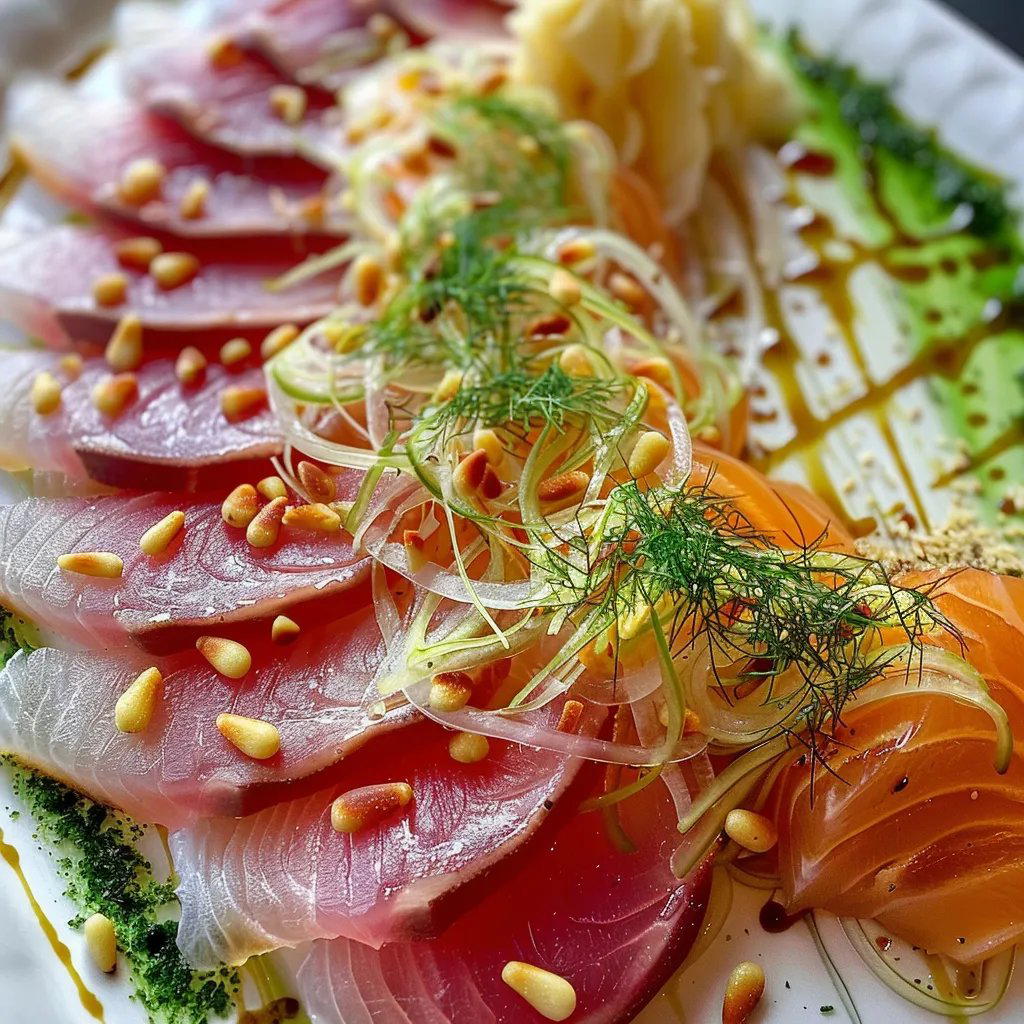
Bars in Sapporo
Browse all →


Details
- Cozy
- Classic
- Intimate
- Date Night
- Special Occasion
- Group Dining
- Standalone
- Open Kitchen
- Extensive Wine List
- Sommelier Led
- Local Sourcing
- A La Carte
- Set Menu
- French Wine
- House Wine By Carafe
Current opening hours
- Monday
- Closed
- Tuesday
- 5:30–10 PM
- Wednesday
- 5:30–10 PM
- Thursday
- 5:30–10 PM
- Friday
- 5:30–10 PM
- Saturday
- 5:30–10 PM
- Sunday
- 5:30–10 PM
Hours can change for holidays and private events. Last verified .
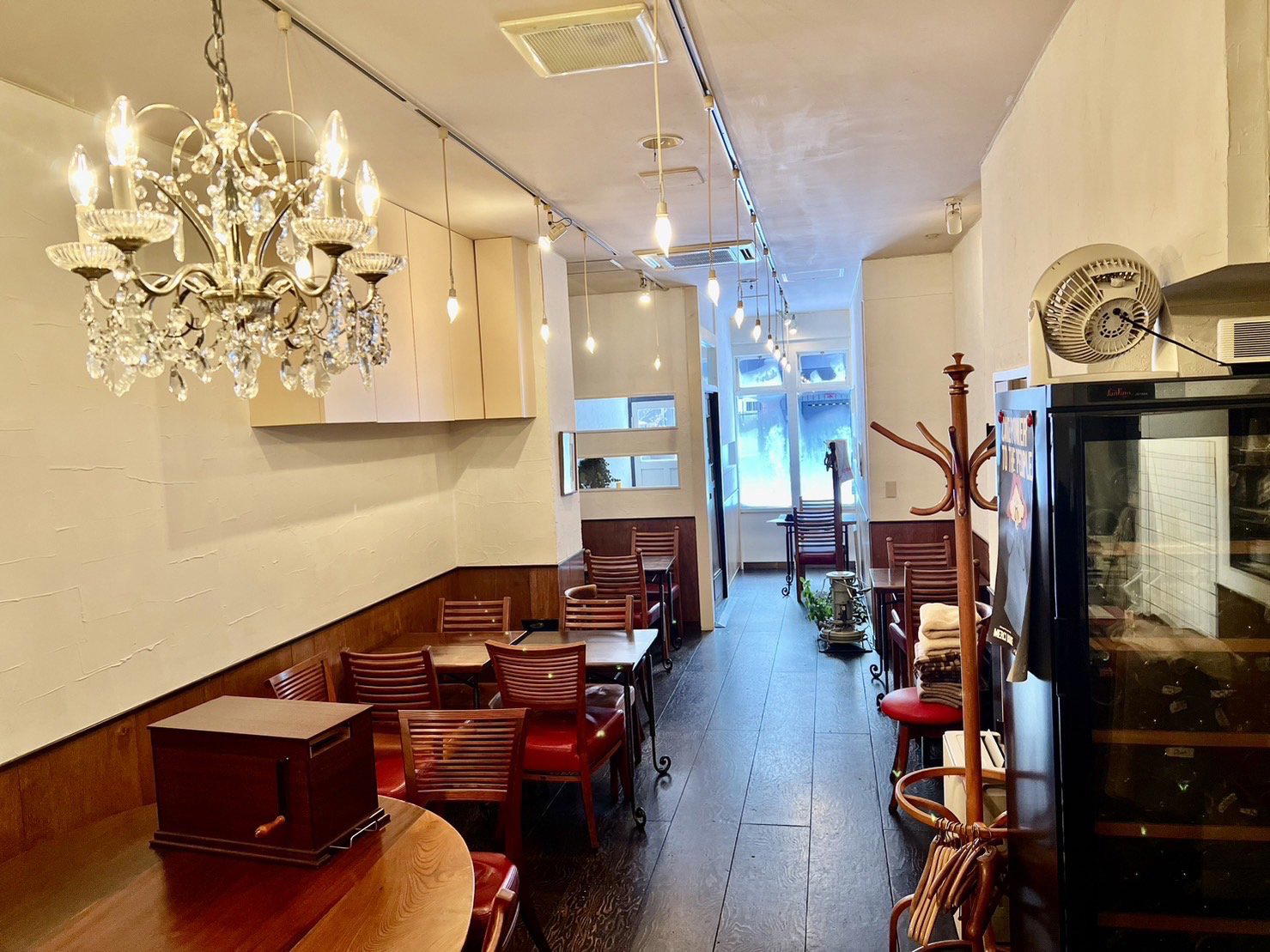
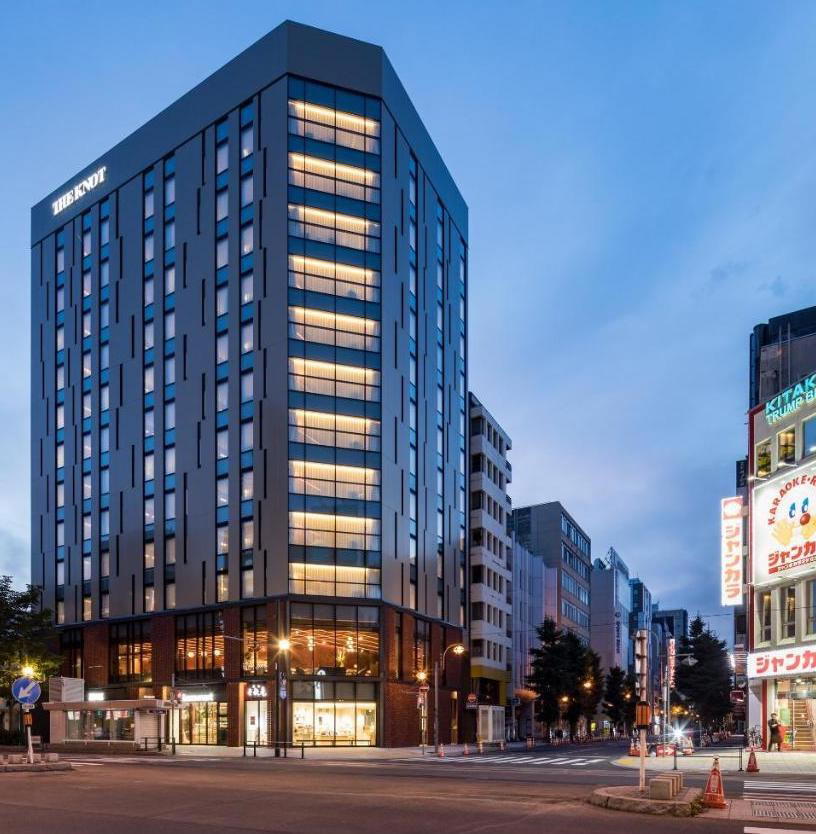
Warm, intimate French bistro atmosphere with soft lighting and a welcoming, homey feel; brick entrance and simple, clean décor create a comfortable neighborhood restaurant vibe.