
Sapporo’s market-side diner culture is built on early hours, seafood fluency, and tight rooms rather than ceremony. Teishoku Meshiya belongs to that lineage: a 12-seat cafeteria and seafood-bowl specialist near Nijuyonken, selected for Tabelog 100 Diner in 2024 and 2026, with a reputation tied to fish rather than chef theatrics.
Pearl is the En Primeur Club membership app — saves, bookings, and concierge access live there. Same editors, same standards.
- Address
- 北海道札幌市中央区北11条西22-1-26 卸売りセンター 1F
- Phone
- +81116155354
- Website
- jyogaishijyo.com
 Saves & bookings on Pearl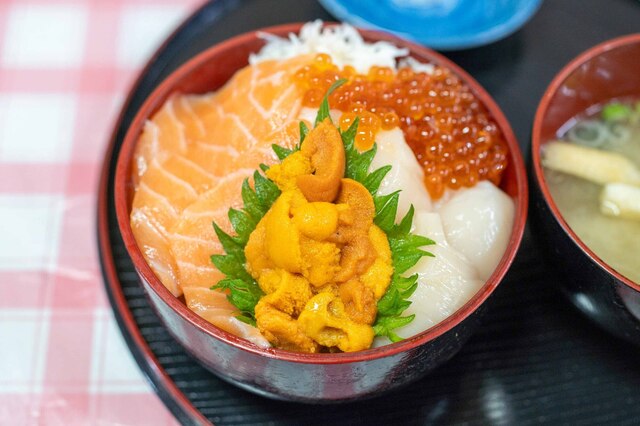
Approaching Sapporo’s wholesale-market side, the city’s dining rhythm shifts. Polished dinner counters give way to fluorescent mornings, delivery vehicles, and small rooms for people who treat fish as daily work, not luxury theatre. That is the context for Teishoku Meshiya, a compact cafeteria in Chuo ward’s Nijuyonken orbit, where the appeal is a Sapporo equation: market proximity, seafood literacy, and a format that has resisted the tasting-menu inflation visible elsewhere in Japan.
Sapporo has long offered two seafood-dining tracks. One is the high-ticket sushi counter, where Hokkaido product is translated through pacing, rice temperature, and chef-controlled sequence. The other is shokudo tradition: set meals, seafood bowls, quick turnover, and the practical appetite of workers, families, and travelers who know freshness does not require ceremony. Teishoku Meshiya belongs to the second camp, and its Tabelog 100 Diner selection in both 2024 and 2026 places that everyday format inside a national conversation usually dominated by costlier rooms.
Market-district seafood without the counter theatre
The point of a Sapporo seafood cafeteria is not minimalism for its own sake. It is compression. A small room, fish-led menu category, and service closer to a working lunch than a destination dinner can say as much about Hokkaido as formal omakase. Here, the listed categories are cafeteria, kaisen-don, and seafood, each signaling a different expectation: the shokudo frame keeps the mood direct, the bowl format centers product, and the seafood identity ties the restaurant to the supply culture defining this part of the city.
That evolution matters. Japan’s casual dining awards now pay more attention to specialist everyday formats, not only chef-led restaurants with international fluency. The 2026 Tabelog 100 Diner selection reads less like decoration than a sign of how diners value precision in modest categories. A 12-seat room with three four-seat tables competes in a different field from Sushi Miyakawa, where Sapporo’s sushi identity points to a formal, reservation-led meal. It also sits apart from lower-priced noodle peers such as NOUILLES JAPONAISE Tokuichi and Araton Honten, where the city’s casual conversation turns on broth, noodles, and value.
For travelers mapping Sapporo through food, the distinction is useful. The city is not one seafood story; it is ramen, soup curry, confectionery, sushi, izakaya cooking, and morning-market eating across neighborhoods and price bands. The curry lane runs through [Curry Senmon Ten] Maruyama Kyoju., Ajanta Indo Curry Ten, and Ajanta Sohonke; the noodle lane includes 175°DENO Tantanmen Sapporo kitaguchi ten; bakery and sweets can pull in Aigues Vives beyond the city center. Teishoku Meshiya’s role is narrower: fish, rice, and the market-adjacent diner form.
Why the room tells you how to use it
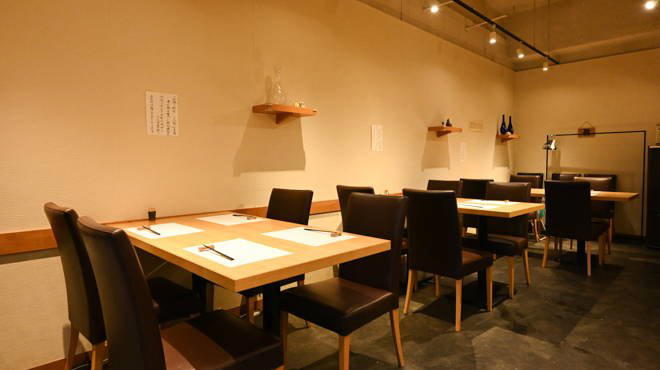
Small-capacity shokudo dining asks for a different mindset from luxury dining. The experience is social and functional, not insulated. With 12 seats, no private rooms, and a family-friendly listing that welcomes children, the room belongs to Japanese everyday dining, where efficiency and access matter. The absence of private use clarifies the format: this is not a place to colonize with a group or stretch into a long business meal. It is better read as a focused Sapporo lunch decision, especially for travelers building a day around the market district and western subway corridor.
The listed average spend of JPY 3,000 to JPY 3,999 puts it above many casual Sapporo ramen and curry meals but far below the premium sushi bracket. That middle position is part of the appeal: cost driven by seafood rather than luxury service architecture. Compared with Kokopelli or Patisserie Shiiya, both in a lower casual-spend band, this is more fish-specific. Compared with a sushi counter, it is a less choreographed way to spend money on Hokkaido product.
Recognition also changes how to read the room. Tabelog’s Hyakumeiten lists are not Michelin stars and should not be treated as the same signal. They are meaningful, however, in categories where local consensus and repeat use carry weight. A 2026 Diner selection, after a 2024 selection, indicates sustained attention rather than a single-season spike. The Tabelog score of 3.71 further supports the idea of a known specialist, not an anonymous market canteen.
A Sapporo itinerary that keeps the meal in proportion
The smarter move is to place the restaurant within a Sapporo day, not as the sole anchor of a trip. Nijuyonken sits away from the late-night Susukino drinking circuit, so the meal belongs to the daytime city: markets, subway hops, and low-ceremony eating. Travelers planning more than one serious meal should balance it against Sapporo’s other strengths rather than stacking seafood on seafood. Use Our full Sapporo restaurants guide for that broader spread, then pair the food plan with Our full Sapporo hotels guide, Our full Sapporo bars guide, Our full Sapporo wineries guide, and Our full Sapporo experiences guide.
For readers comparing Japan’s everyday-food formats across cities, the lesson is that casual does not mean interchangeable. A Sapporo seafood cafeteria carries different logic from -Grilled beef Sukiyaki- KAMAKURA TANUKIAN 鎌倉 たぬき庵 in Kamakura. 鮪と炭火焼き うお炭 秋葉原店 in Tokyo.cafe in Osaka.know in Kumamoto, (Shoku) Vietnam in Kawasaki, or [ki:] in Kyoto. The same applies outside Japan, where Jōdo Saké Bar in Los Angeles and Onigiri Time in Pasadena show how Japanese formats change when translated for different cities.
The editorial case is concise: the restaurant is not competing with Sapporo’s formal sushi rooms, and judging it by that standard misses the point. Its value lies in how a small cafeteria format carries market-district seafood culture without turning it into performance. In a city where Hokkaido product is often packaged for visitors, this is a more direct reading of the same raw-material economy.
Quick Comparison
Comparable venues in the metro at similar price points.
| Venue | Cuisine | Price | Notes |
|---|---|---|---|
| Teishoku MeshiyaThis venue — the venue you are viewing | Casual Japanese seafood bowls & shio ramen | $$ | Not listed |
| Soup Curry Hirihiri 2 Go | Sapporo soup curry | $$ | Kita |
| European Curry KEN | European-style Japanese curry | $$ | Higashi |
| Yakiniku Horumon Fudo. | Yakiniku, horumon & jingisukan tavern | $$ | Chūō |
| Ichimonji Curry Ten | Sapporo Japanese curry house | $$ | Shiroishi |
| Curry no Furano Ya | Hokkaido soup & roux curry | $$ | Atsubetsu |
Recognition history
Dated appearances from independent guides and award organizations, with the underlying list record or original source where available.
Tabelog 100 #13 · No. 13
Tabelog · Tabelog 100 - Diner - 2026
At a Glance
- Cozy
- Classic
- Lively
- Solo
- Casual Hangout
- Family
- Standalone
- Local Sourcing
- Sustainable Seafood
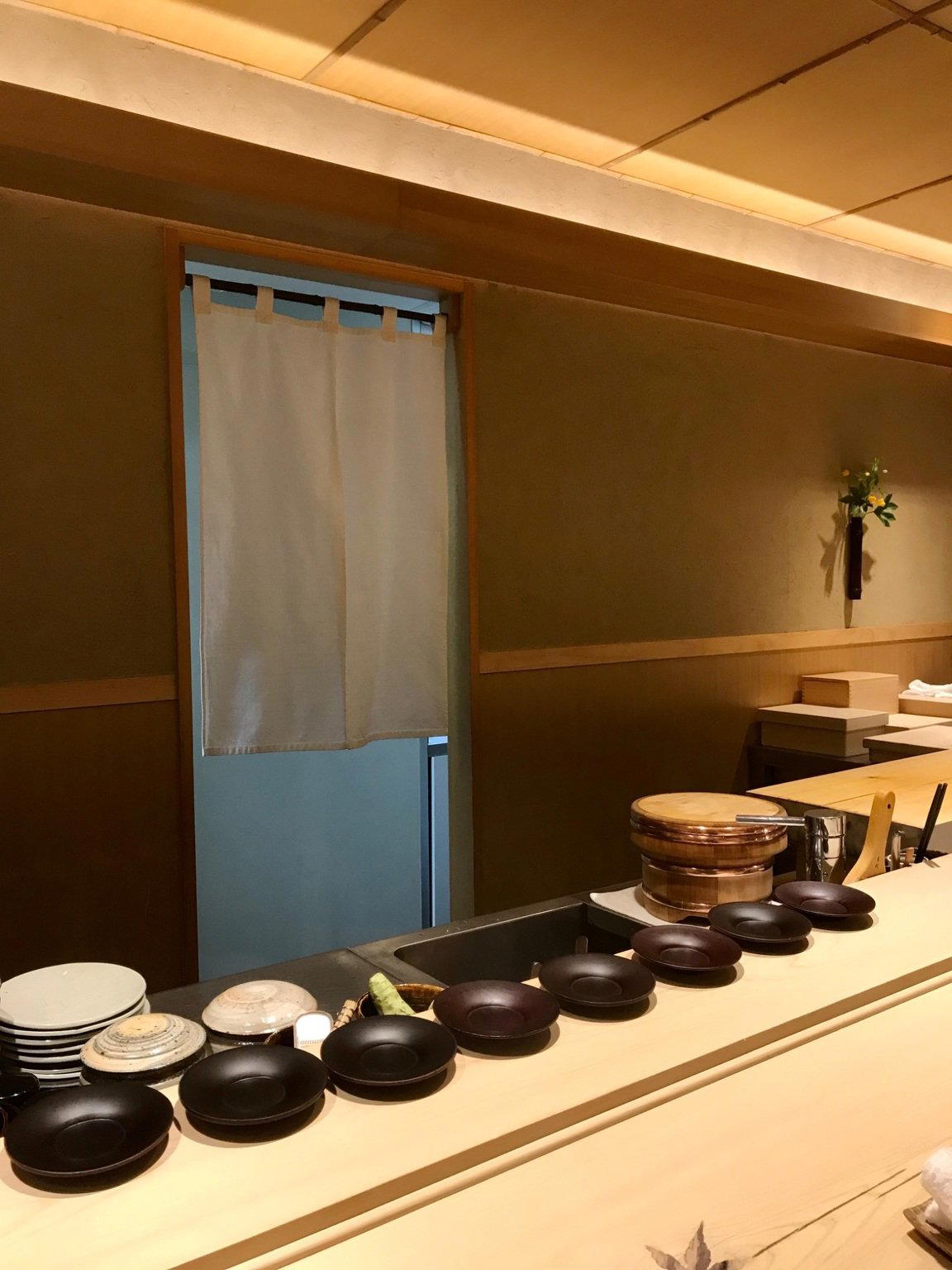
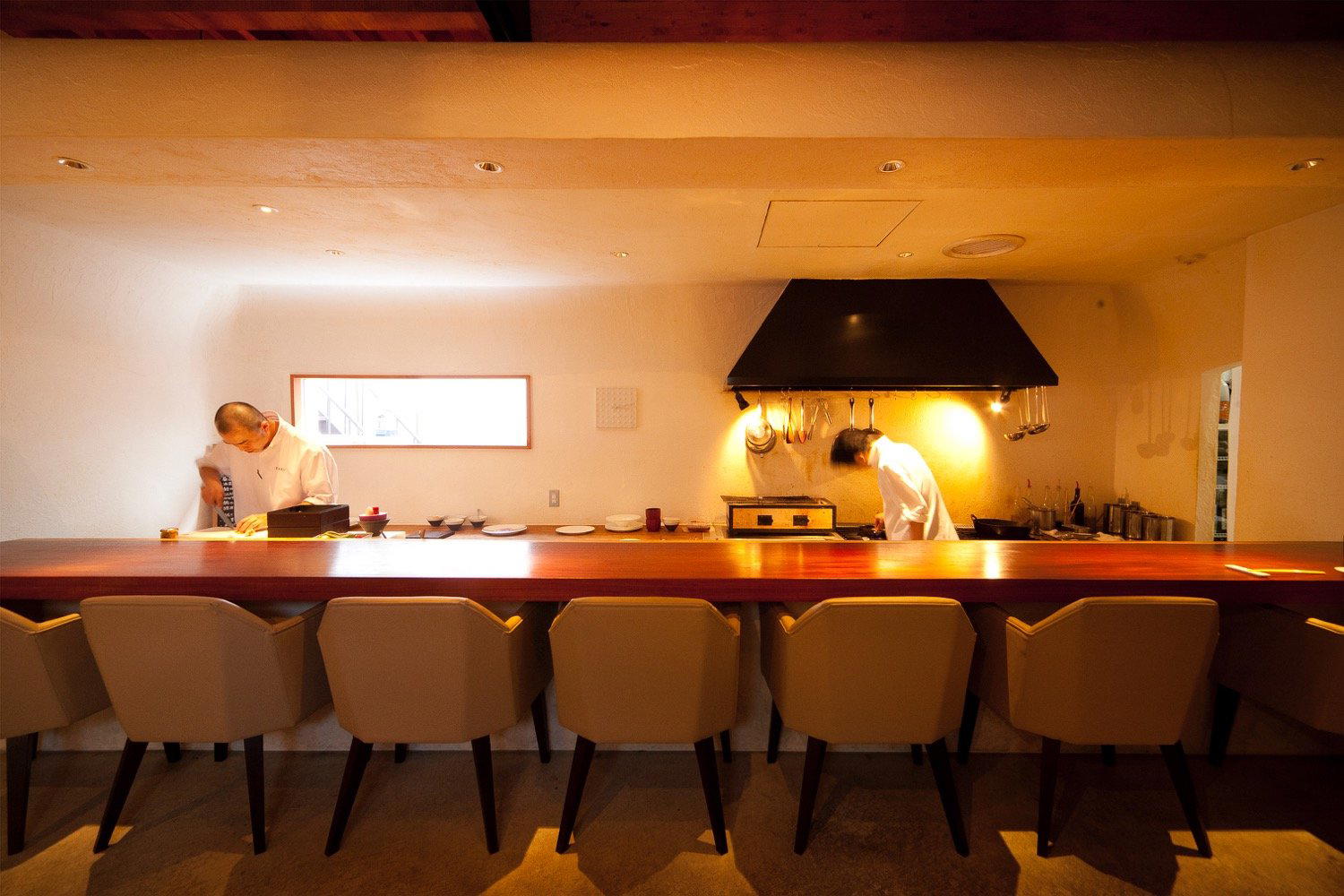
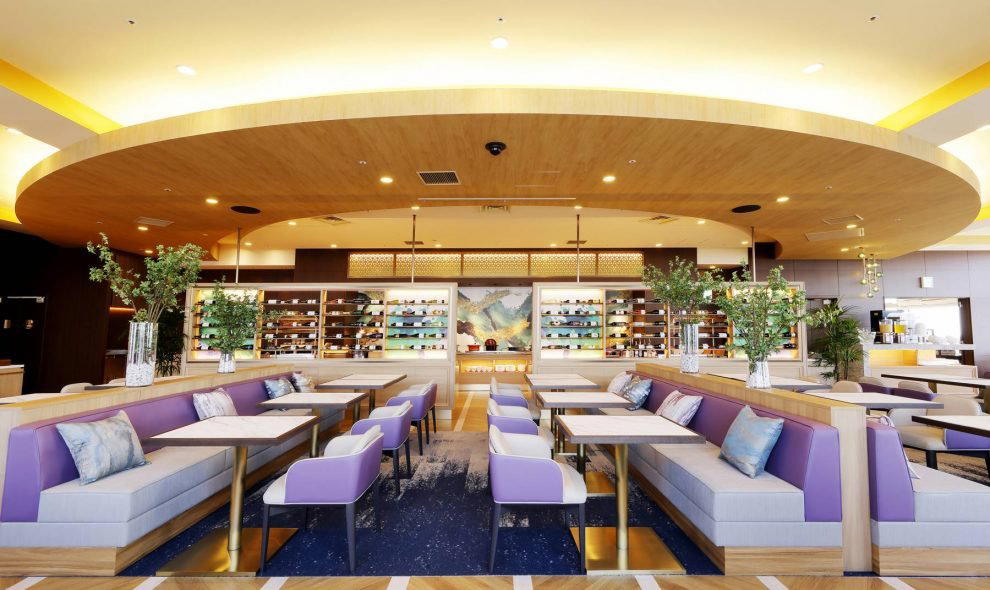
Bright, unfussy market canteen atmosphere with simple tables, no-frills decor, and the bustle of the wholesale market creating an energetic yet comfortable feel.