
Sapporo’s soup-curry culture is built on small rooms, spice control, and neighborhood loyalty rather than formal dining signals. Curry Kong belongs to that compact, serious tier: a seven-seat Yamahana counter-and-table room, selected for Tabelog Curry EAST 100 in 2024, with a lunch-budget range of JPY 2,000 to JPY 2,999.
Pearl is the En Primeur Club membership app — saves, bookings, and concierge access live there. Same editors, same standards.
- Address
- Japan, 〒064-0916 Hokkaido, Sapporo, Chuo Ward, Minami 16 Jonishi, 6 Chome−2−10 IR山鼻
- Phone
- +81 11-211-0019
- Website
- curry-ya-cong.com
 Saves & bookings on Pearl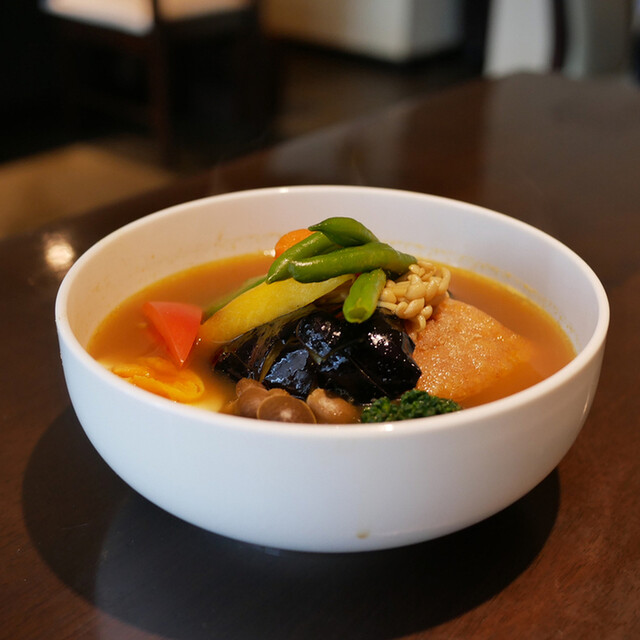
South of central Sapporo, Yamahana feels less like a restaurant district than a lived-in residential grid: streetcars, low buildings, winter practicality, and the kind of lunch rooms that earn regulars by being precise rather than loud. Soup curry makes particular sense here. The format is casual, but the culture around it is exacting, with diners reading spice level, broth character, vegetable handling, and pacing as closely as another city might read sushi rice or ramen tare.
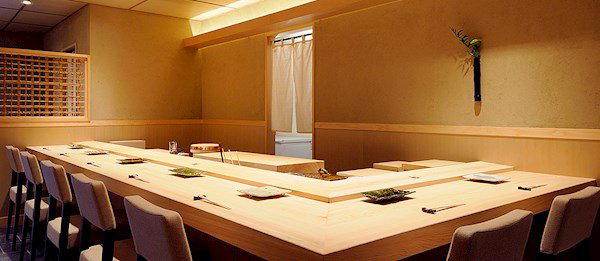
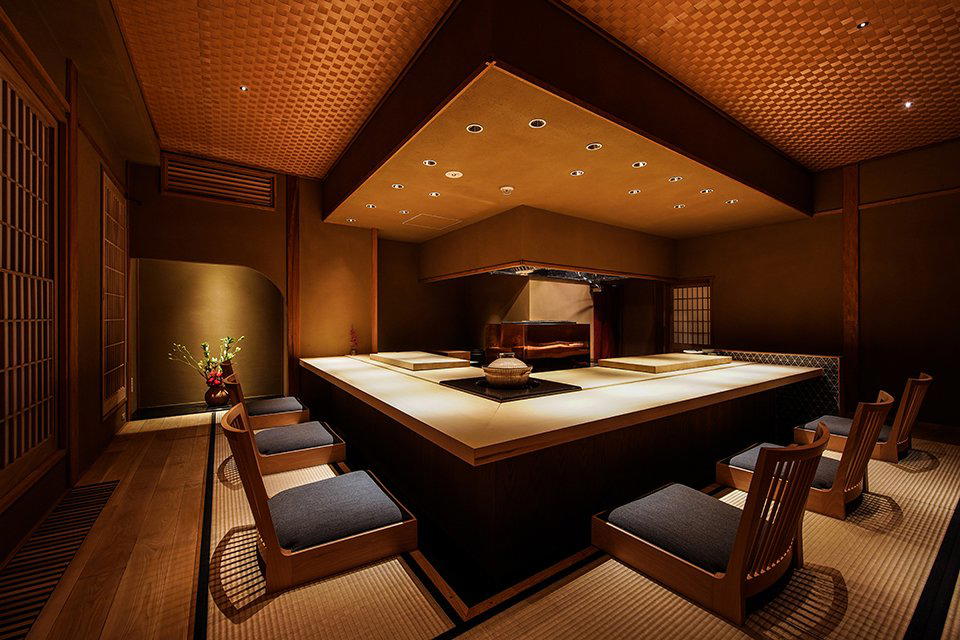
Curry Kong sits inside that Sapporo tradition at the small-format end of the spectrum. The room is built around seven seats, with counter seating and two small tables, so the experience is closer to a neighborhood specialist than a high-throughput curry shop. That scale matters. In soup curry, where broth temperature, rice timing, and spice adjustment define the meal, a compact room can feel less like a limitation than a statement of format discipline.
Yamahana soup curry with a small-room standard
Sapporo’s curry identity is not a single lane. Ramen remains the city’s export shorthand, crab carries the seafood narrative, and soup curry occupies the local-intellectual category: informal, deeply debated, and unusually sensitive to personal preference. Compared with Sapporo ramen rooms such as Menya 169 or Sumire Nakanoshima honten, soup curry asks for a slower read. The bowl is not simply broth and starch; it is a modular meal where spice, stock, vegetables, protein, and rice sit in negotiation.
That is why the city’s curry specialists often attract a more deliberate diner than their price point suggests. Curry Kong’s selection for Tabelog Curry EAST 100 in 2024 places it within a national recognition framework rather than just a local lunch circuit. The same listing history also notes selections in 2023, 2022, 2020, and 2019, which gives the room a useful signal: this is not a single-year spike in attention but a recurring presence in Japan’s curry conversation.
The neighborhood angle sharpens the point. Yamahana is not the obvious first stop for visitors moving between Sapporo Station, Susukino, and the central shopping grid. That creates a different kind of curry meal: less performative, more local in rhythm, and less dependent on late-night energy. The nearby Seisyugakuen Mae streetcar stop makes the trip practical, but the reward is not spectacle. It is a small Sapporo room operating in a category where the city has genuine authority.
How it compares inside Sapporo's curry map
Within the Sapporo curry field, the useful comparison is not luxury versus cheap eats, but specialization versus convenience. E-itou curry Hiragishi honten and MEDICINEMAN sit in the broader Sapporo curry conversation at a lower listed budget band, while Ajanta Indo Curry Ten and Ajanta Sohonke point toward another branch of the city’s spice culture. [Curry Senmon Ten] Maruyama Kyoju. adds another specialist reference point for readers mapping curry across neighborhoods rather than treating Sapporo as a single central dining zone.
The distinction at Curry Kong is compactness. Seven seats changes expectations: groups need to think carefully, solo diners fit the format naturally, and the room’s tempo is set by capacity rather than ceremony. A note attached to the family guidance says children are welcome, but a family of five has been turned away because of seating. That is not a contradiction; it is the reality of small Japanese dining rooms, where “family friendly” can mean behavior and menu suitability, not guaranteed space for a large party.
The price band also places the meal above the city’s most casual curry and ramen lunches, but far below Sapporo’s formal tasting-menu economy. For travelers, that makes it a useful category marker: a serious local food experience that asks for planning rather than ceremony. Payment is also part of the practical reading of the room: cash-only policies remain common among small Japanese specialists, and the restaurant is listed as not accepting credit cards, electronic money, or QR code payments.
Use it as a Sapporo neighborhood anchor, not a checklist stop
Better way to fold this meal into Sapporo is by area logic. Yamahana and the southern central wards reward a slower day than the station-to-Susukino circuit. Pairing a soup-curry lunch with streetcar movement gives the city a different texture, especially for travelers who already know the main ramen corridors. For a broader food itinerary, Our full Sapporo restaurants guide is the natural starting point, while Our full Sapporo hotels guide, Our full Sapporo bars guide, Our full Sapporo wineries guide, and Our full Sapporo experiences guide help turn the meal into a fuller city plan.
For travelers comparing across Japan, the lesson is category fluency. Sapporo soup curry should not be judged by the rules of Tokyo counter dining, Kansai cafe culture, or coastal seafood rooms. It belongs to a colder-city logic: warmth, spice, vegetables, and a flexible bowl format built for individual preference. That makes it an instructive counterpoint to 175°DENO Tantanmen Sapporo kitaguchi ten, Aigues Vives, Ajanta Indo Curry Ten, and Ajanta Sohonke, each of which pulls a different thread from the city’s dining fabric.
Readers building a wider Japan file can place this Sapporo stop beside far less comparable but useful national references: -Grilled beef Sukiyaki- KAMAKURA TANUKIAN 鎌倉 たぬき庵 in Kamakura. 鮪と炭火焼き うお炭 秋葉原店 in Tokyo.cafe in Osaka.know in Kumamoto, (Shoku) Vietnam in Kawasaki, and [ki:] in Kyoto. For North American context on Japanese drinking and casual formats, Jōdo Saké Bar in Los Angeles and Onigiri Time in Pasadena show how specific Japanese food ideas travel, but Sapporo soup curry remains rooted in its own weather, appetite, and neighborhood scale.
The editorial call is simple: treat the restaurant as a focused Sapporo lunch for diners who care about local food categories, not as a generic curry stop. Its recurring Tabelog Curry 100 recognition, tiny seating footprint, and Yamahana location put it in a specialist lane where planning and expectations matter more than polish.
A Minimal
Comparable venues for context, by category and price tier.
| Venue | Cuisine | Price | Notes |
|---|---|---|---|
| Curry Kong | Chūō, Japanese Soup Curry | $$ | Not listed |
| Soup Curry & Dining Suage+ (suage+ 本店) | Susukino, Chuo Ward, Hokkaido Soup Curry | $$ | Not listed |
| Le Coq | Chūō, Yakitori Izakaya | $$ | Not listed |
| soup curry yellow | Chūō, Sapporo soup curry specialist | $$ | Not listed |
| SOUP CURRY KING Sentoraru | Chūō, Sapporo soup curry | $$ | Not listed |
| Tezukuri Hamburger Steak Kobo Toshi | Not listed | $$ | Chūō, Handmade Japanese hamburger steak (yōshoku) |
Recognition history
Dated appearances from independent guides and award organizations, with the underlying list record or original source where available.
Tabelog 100 #30 · No. 30
Tabelog · Tabelog 100 - Curry - EAST - 2024
At a Glance
- Cozy
- Classic
- Quiet
- Solo
- Casual Hangout
- Standalone
- Local Sourcing
Current opening hours
- Monday
- 11 AM–2 PM
- Tuesday
- 11 AM–2 PM
- Wednesday
- Closed
- Thursday
- 11 AM–2 PM
- Friday
- 11 AM–2 PM
- Saturday
- 11 AM–2 PM
- Sunday
- 11 AM–2 PM
Hours can change for holidays and private events. Last verified .
Small, no-frills soup curry shop atmosphere focused on the food rather than a polished dining room.