
Sapporo’s Chuo Ward has a particular talent for hybrid dining: seafood culture, izakaya habits, and imported techniques often share the same table. Sushi Chinese Fukurokuju sits in that overlap, pairing Chinese cooking with sushi and izakaya formats, with Tabelog 100 Chinese cuisine EAST 2026 selection giving it a clear quality signal inside the city’s compact central dining circuit.
Pearl is the En Primeur Club membership app — saves, bookings, and concierge access live there. Same editors, same standards.
- Address
- Japan, 〒060-0001 Hokkaido, Sapporo, Chuo Ward, Kita 1 Jonishi, 3 Chome−3−24 札幌中央ビル 3F
- Phone
- +81 11-211-6646
- Website
- zangihoteigroup.com
- Directions
- Get directions
 Saves & bookings on Pearl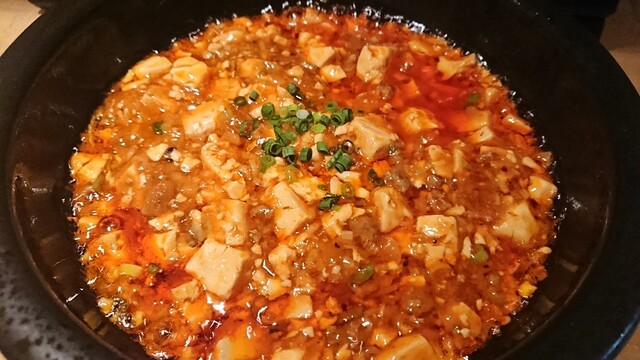
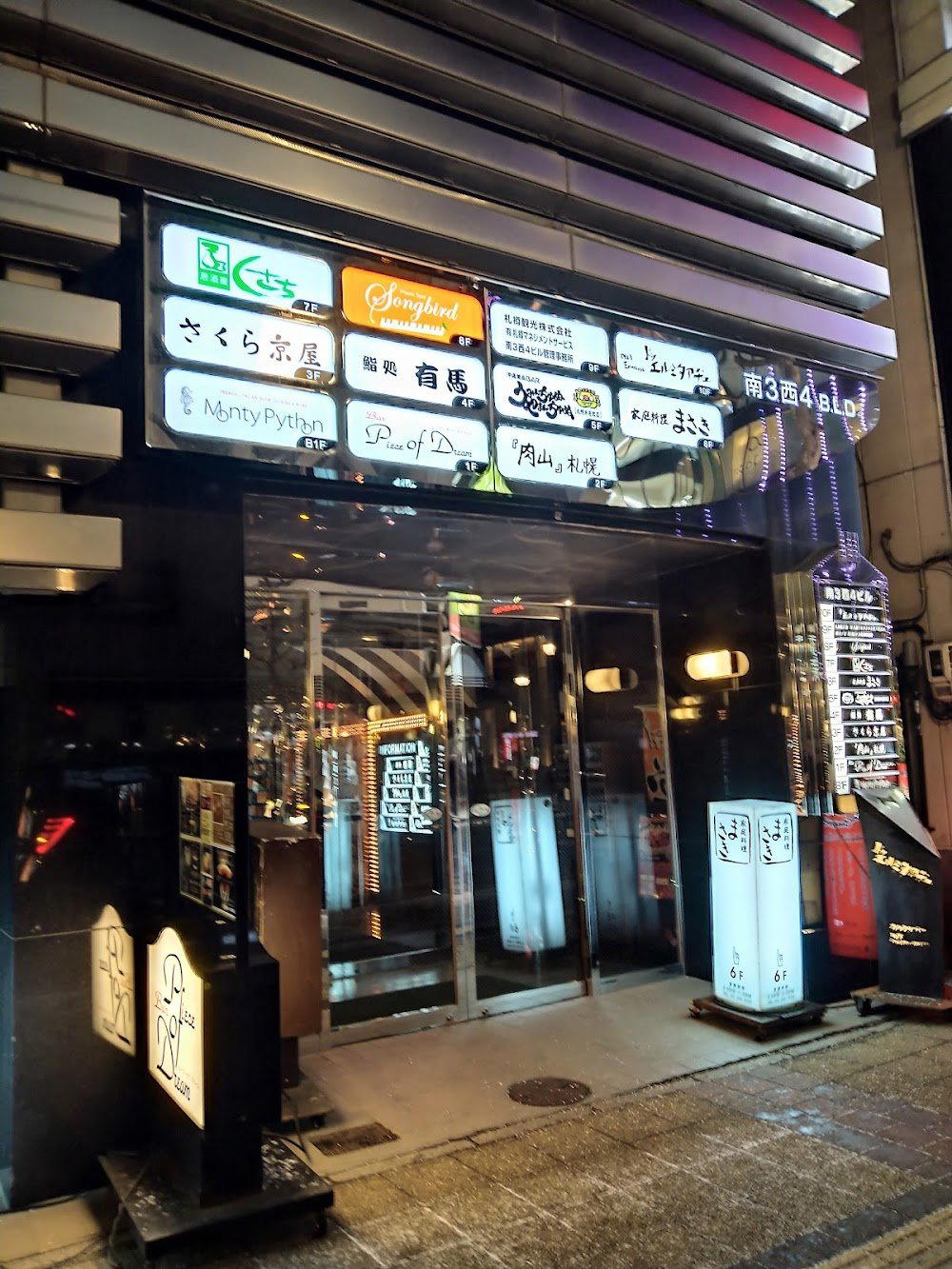
The approach is urban rather than ceremonial: a central Sapporo building, an upper-floor room, and Chuo Ward’s practical dining rhythm rather than a destination counter’s hush. Around Odori, restaurants often serve office workers, shoppers, hotel guests, and regulars in the same window, helping hybrid formats work. Sushi Chinese Fukurokuju fits the Sapporo category where seafood is not confined to sushi, and Chinese technique is not a separate occasion.
That matters in Hokkaido. Sapporo’s dining identity is often reduced to ramen, soup curry, lamb, and seafood, yet its stronger tables often sit between categories. A meal can read as Chinese, sushi, and izakaya at once because local fish and shellfish give chefs a shared language. The restaurant’s Tabelog 100 Chinese cuisine EAST 2026 selection confirms that the Chinese side is not decorative; it is the axis giving the seafood format critical weight.
Chinese technique in a seafood city, not a theme-restaurant hybrid
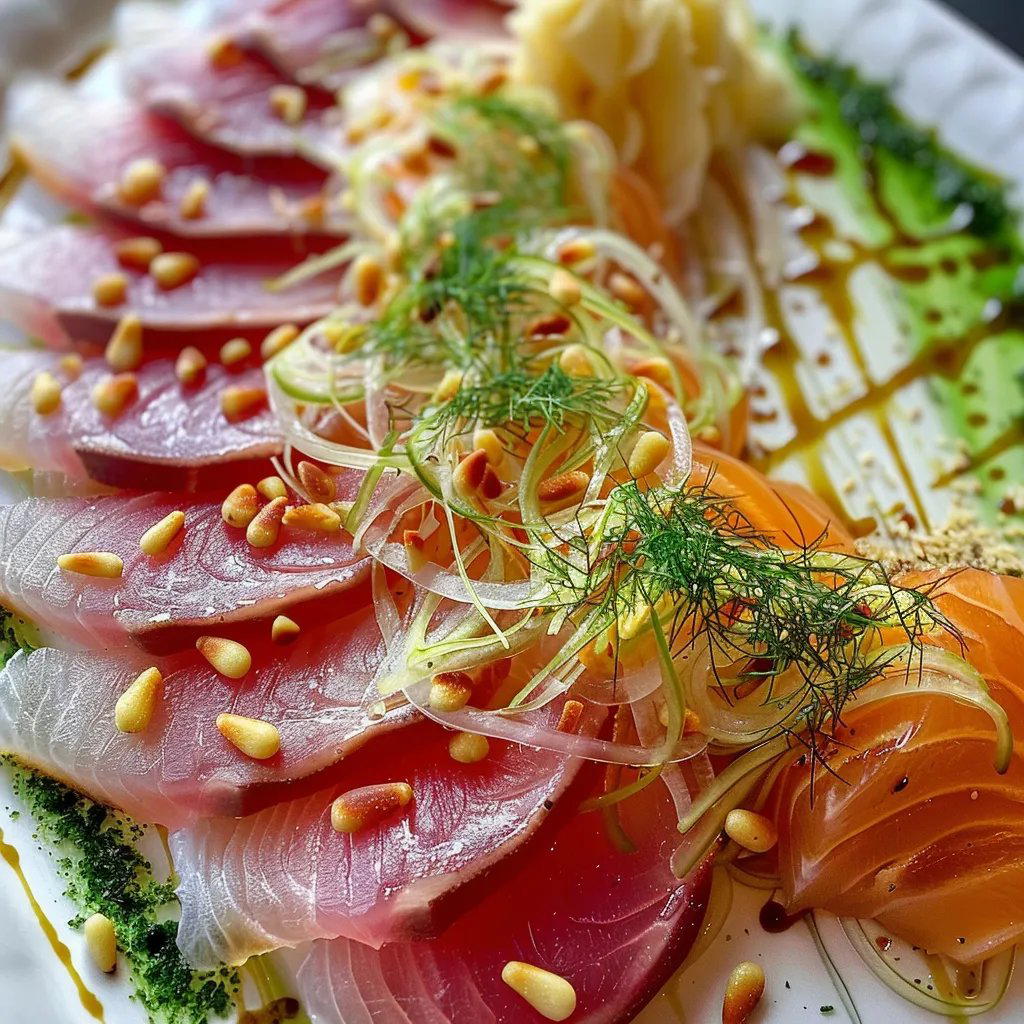
In many Japanese cities, Chinese restaurants succeed by sharpening regional references: Sichuan heat, Cantonese seafood, Shanghai-style comfort, or banquet-room polish. Sapporo adds Hokkaido product. Sushi Chinese Fukurokuju uses the city’s seafood expectations as part of the proposition, with fish appearing across Japanese and Chinese modes rather than one section of the meal. The format sits away from conventional omakase sushi and from the pure noodle or curry stops dominating casual Sapporo itineraries.
The distinction helps travellers mapping a short stay. 175°DENO Tantanmen Sapporo kitaguchi ten speaks to Sapporo’s appetite for focused, spice-led bowls, while [Curry Senmon Ten] Maruyama Kyoju., Ajanta Indo Curry Ten, and Ajanta Sohonke point to deep curry culture. Aigues Vives belongs to another Hokkaido conversation, where baking and destination planning are the draw. Against that spread, this address is not simply another seafood stop; it argues for how Sapporo restaurants absorb outside forms and localise them through product and pacing.
Price positioning reinforces that reading. Dinner sits in the JPY 5,000 to JPY 5,999 band, while lunch falls in the JPY 1,000 to JPY 1,999 range, above casual curry and sandwich counters but below high-commitment sushi and kaiseki evenings. Compared with Picante Sapporo ekimae ten, Saera, and Curry House Colombo, all around everyday lunch budgets, this is a step into a fuller evening format without prestige-counter formality. That middle tier is one of Sapporo’s strengths: serious cooking, drinks on the table, and room for mixed ordering.
Odori's central-grid dining rewards flexible formats
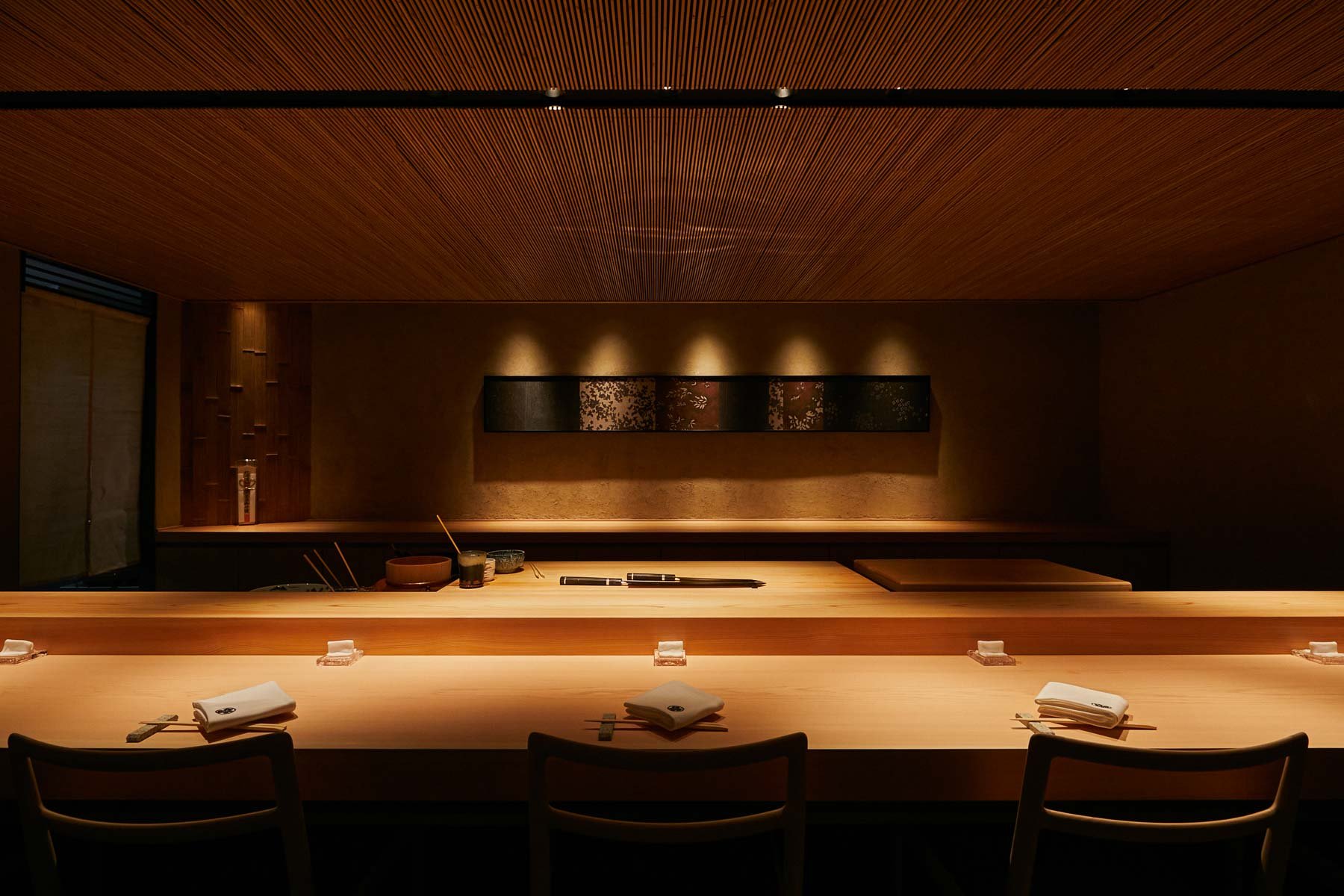
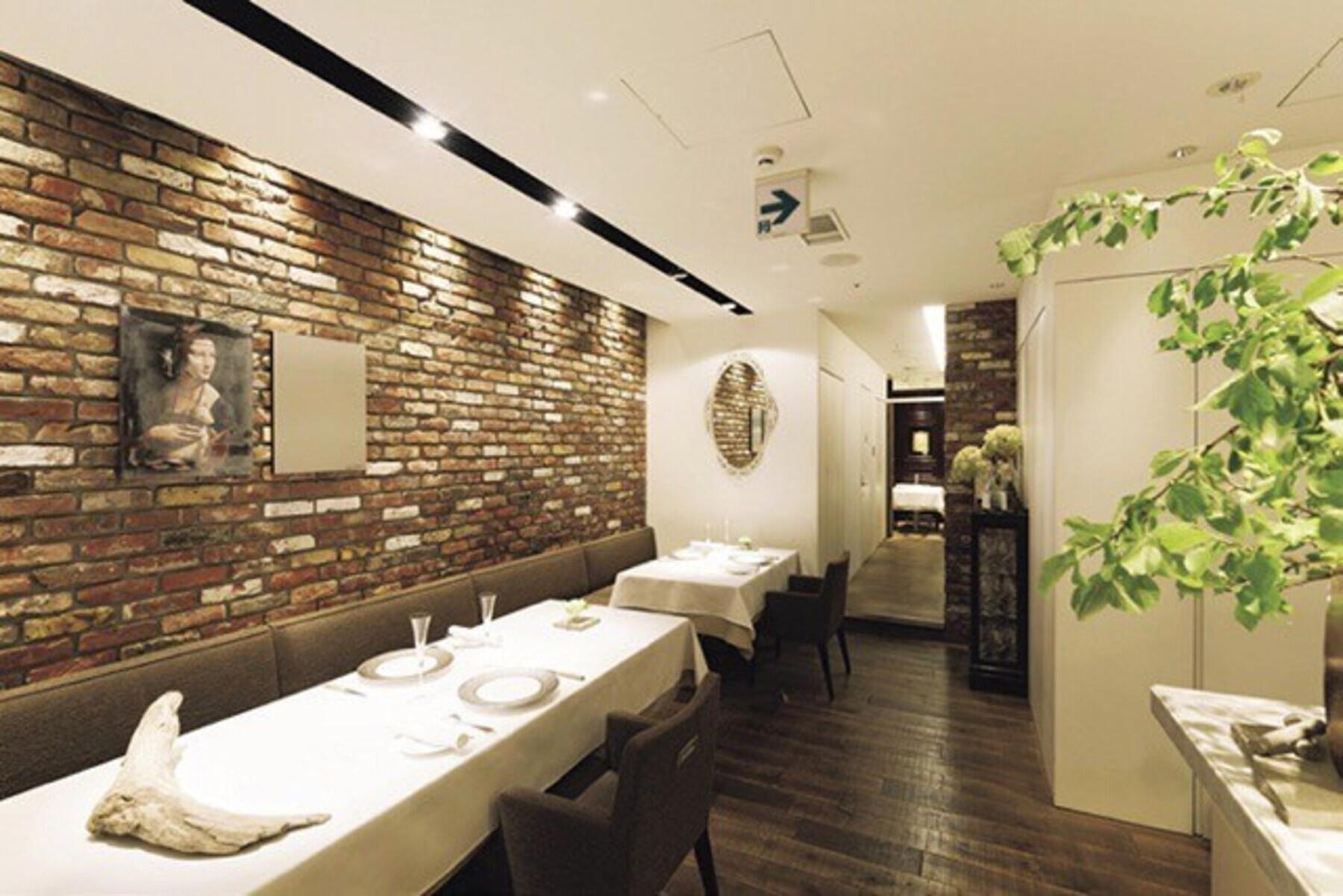
Odori is civic axis, shopping corridor, hotel base, and transfer point, so nearby restaurants must handle multiple use cases without losing identity. The 31-seat layout, including counter seating and tables, suits that central-grid pattern. Counter seats work for diners watching the cooking rhythm or eating in smaller parties; tables support the izakaya habit of shared plates and drinks. Private use for up to 20 people places the room in Sapporo’s after-work and family-gathering economy rather than tiny-counter reservation theatre.
The drinks signal the same range. Shochu, wine, and sake give the table multiple routes through the meal. That matters for a restaurant straddling sushi, Chinese cooking, and izakaya categories: sake can follow fish, wine can handle richer sauces, and shochu keeps the mood close to Japanese drinking culture. The result is less pairing orthodoxy than letting a group order across categories without forcing one tradition.
Recognition from Tabelog’s 2026 Chinese EAST 100 selection is stronger than a general popularity claim. Tabelog’s Hyakumeiten lists are category-based, so the signal is specifically Chinese cuisine rather than a broad restaurant ranking. For a Sapporo venue also carrying sushi and izakaya labels, that matters. It shows where serious assessment has landed: not on novelty or neighbourhood convenience, but on Chinese cooking within eastern Japan’s competitive field.
How to place it in a Sapporo itinerary
Use this meal when the trip needs Sapporo seafood but not another dedicated sushi counter. Dinner is the stronger choice, when the izakaya structure and drinks list can carry the mixed Chinese-sushi format with more range. Lunch works differently, especially for travellers using Odori as a daytime base, and the budget band makes it an accessible way to test the kitchen without committing the evening. Wednesday lunch has a narrower Chinese-only identity, which may appeal to diners more interested in the award category than the cross-format premise.
For a broader city plan, place this address inside a central Sapporo food crawl rather than treating it as a detached destination. Build casual meals around ramen and curry, then use this table when Hokkaido seafood needs a different frame. Our full Sapporo restaurants guide gives the wider dining map, while Our full Sapporo hotels guide, Our full Sapporo bars guide, Our full Sapporo wineries guide, and Our full Sapporo experiences guide help shape the rest of the stay.
The wider Japan and overseas directory shows how cities solve similar dining questions: -Grilled beef Sukiyaki- KAMAKURA TANUKIAN 鎌倉 たぬき庵 in Kamakura focuses on beef and set-piece comfort, 鮪と炭火焼き うお炭 秋葉原店 in Tokyo puts tuna and charcoal in an urban tavern frame.cafe in Osaka belongs to a lighter café register.know in Kumamoto reflects another regional city’s rhythm, (Shoku) Vietnam in Kawasaki handles Vietnamese cooking in the Tokyo-area orbit, [ki:] in Kyoto sits in a more design-conscious Kyoto frame, and California entries such as Jōdo Saké Bar in Los Angeles and Onigiri Time in Pasadena show how Japanese drinking and rice formats travel abroad. Sapporo’s version is more local and less exportable: seafood first, flexible format second, central-neighbourhood usefulness throughout.
The Essentials
Comparable venues at the same tier.
| Venue | Cuisine | Price | Notes |
|---|---|---|---|
| Sushi Chinese FukurokujuThis venue — the venue you are viewing | Chūō, Sushi & Chinese fusion | $$ | Not listed |
| Teishoku Meshiya | Not listed | $$ | Chūō, Casual Japanese seafood bowls & shio ramen |
| Hana Maru | Kiyota, Japanese Ramen | $$ | Not listed |
| Yakiniku Restaurant Totori | Chūō, Yakiniku & Korean Barbecue | $$ | Not listed |
| MEN-EIJI Hiragishi Base | Toyohira, Modern Hokkaido Ramen | $$ | Not listed |
| Kitaro Sumikawa honten | Minami, Hokkaido soup curry | $$ | Not listed |
Recognition history
Dated appearances from independent guides and award organizations, with the underlying list record or original source where available.
Tabelog 100 #34 · No. 34
Tabelog · Tabelog 100 - Chinese cuisine - EAST - 2026




At a Glance
- Cozy
- Lively
- Intimate
- Business Dinner
- Group Dining
- Celebration
- After Work
- Special Occasion
- Solo
- Open Kitchen
- Standalone
- Sake Program
Current opening hours
- Monday
- Closed
- Tuesday
- 11:30 AM–2 PM, 5:30–10 PM
- Wednesday
- 11:30 AM–2 PM, 5:30–10 PM
- Thursday
- 11:30 AM–2 PM, 5:30–10 PM
- Friday
- 11:30 AM–2 PM, 5:30–10 PM
- Saturday
- 11:30 AM–2 PM, 5:30–10 PM
- Sunday
- Closed
Hours can change for holidays and private events. Last verified .
An at‑home yet refined hideaway space inside an office building, with an open kitchen at the entrance where you can hear woks and cooking sounds, and a counter in the back facing the sushi chef working with carefully selected fresh fish.