Google: 4.4 · 460 reviews

Auberge de l'Ill Sapporo brings the Alsatian dining tradition of its French parent house to Hokkaido, set against a city where French technique has found genuine traction alongside kaiseki and sushi. The restaurant occupies a tier of Sapporo dining where European formality meets local produce, with lunch and dinner services that differ meaningfully in pace, format, and price point.
Pearl is the En Primeur Club membership app — saves, bookings, and concierge access live there. Same editors, same standards.

French Fine Dining in Sapporo: Where Alsace Meets Hokkaido
Sapporo has developed one of Japan's more coherent fine-dining ecosystems outside the obvious triumvirate of Tokyo, Kyoto, and Osaka. The city's cold climate and agricultural hinterland — Hokkaido supplies a significant share of Japan's dairy, seafood, and root vegetables — have attracted serious kitchen talent across multiple traditions. French cuisine, in particular, has found a stronger foothold here than in most Japanese regional cities, supported by ingredients that align naturally with classical European technique. Auberge de l'Ill Sapporo sits inside that pattern, carrying the lineage of one of France's most established family restaurant names into a context where the local produce genuinely supports the ambition.
The original Auberge de l'Ill in Illhaeusern, Alsace, has held three Michelin stars for decades and represents one of the longest-running examples of generational French restaurant culture in Europe. That heritage matters here not as marketing shorthand but as a frame: it positions this Sapporo outpost within a tradition of French dining defined by richness, technique, and a strong regional ingredient identity , values that translate with surprising coherence to Hokkaido's larder. For readers comparing fine French options across Japan, the peer context includes restaurants like HAJIME in Osaka and, at the more experimental end, akordu in Nara , though the Alsatian register here is considerably more classical than either.
The Lunch and Dinner Divide
In high-end French restaurants across Japan, the gap between lunch and dinner service is rarely cosmetic. Lunch typically offers compressed menus at a lower price point, a faster pace, and a dining room demographic that skews toward local professionals and anniversary celebrants rather than destination travellers. Dinner, by contrast, tends toward longer menus, a fuller wine programme, and the kind of unhurried pacing that justifies committing an entire evening. Auberge de l'Ill Sapporo follows this model, with lunch representing the more accessible entry point into the kitchen's output without the full commitment of an evening reservation.
For first-time visitors, lunch is often the sharper value proposition: the kitchen is producing from the same supply lines, Hokkaido's dairy-rich sauces and local seafood are present across both services, but the price differential can be material. Dinner, meanwhile, allows the kitchen to extend its range , more courses, greater depth in the wine pairing options, and a room that settles into a different register once the daylight drops. Sapporo's winters are severe, and the shift from an afternoon reservation to an evening one changes the atmosphere of the dining room considerably; the city's snow-heavy evenings from November through March create a particular insularity that suits a long French dinner.
Travellers planning around Sapporo's major seasonal markers , the Snow Festival in February, the summer beer gardens, the autumn foliage period , should factor in demand patterns. February in particular compresses availability across the city's better restaurants, and a venue carrying international name recognition draws reservations from visitors who might not otherwise plan this far ahead for a regional Japanese city. Booking several weeks in advance for either service is advisable; for dinner during peak periods, a month or more is a reasonable expectation.
Sapporo's Fine-Dining Context
Understanding where Auberge de l'Ill Sapporo sits requires a brief account of the city's broader restaurant tier. Sapporo's Michelin coverage has grown steadily since the guide first covered Hokkaido, and the city now hosts recognised addresses across kaiseki, sushi, ramen, and French cuisine. In the kaiseki register, Hanakoji Sawada represents the more traditional Japanese fine-dining track. For sushi, Arima occupies a similar prestige tier. French cuisine sits as a distinct category, with Auberge de l'Ill Sapporo drawing on its parent house's reputation in a way that few regional French restaurants in Japan can replicate through lineage alone.
The wider Sapporo dining scene rewards exploration beyond the headline addresses. Aki Nagao, Hidetaka, and Higebozu each represent distinct facets of what the city produces at the serious end of the market. For a fuller orientation, our full Sapporo restaurants guide maps the city's dining character across cuisines and price tiers.
The French fine-dining category in Japan more broadly has undergone a quiet restructuring over the past decade. The generation of chefs trained in Europe , many through stages at houses like the original Auberge de l'Ill , has been succeeded by a cohort more likely to have trained domestically, at French-Japanese hybrid kitchens that treat local produce as the primary text and European technique as annotation. Auberge de l'Ill Sapporo, by contrast, operates from the opposite direction: a French institutional identity applied to Hokkaido ingredients, rather than Hokkaido cuisine informed by French method. That distinction shapes the experience at both lunch and dinner.
Planning Your Visit
Auberge de l'Ill Sapporo is located in Chuo Ward, Sapporo's central district, which contains the bulk of the city's fine-dining addresses and is accessible from the main Susukino and Odori areas. The Chuo Ward address places it within reach of the city's subway network, making post-dinner navigation direct even in winter conditions. Specific booking details, current menu formats, and pricing are leading confirmed directly with the restaurant, as these shift seasonally and the database does not hold current operational data.
For travellers building a broader Japan itinerary around serious dining, the comparison set extends beyond Sapporo. Gion Sasaki in Kyoto and Goh in Fukuoka represent the range of what Japan's regional fine-dining cities now produce. For those arriving from or continuing to Tokyo, Harutaka represents a useful calibration point in a different register. The international frame, for those who want it, runs through Le Bernardin in New York City and Atomix in New York City , both of which, like Auberge de l'Ill Sapporo, operate at the intersection of established tradition and local market expectations.
Regional French dining outposts with genuine European institutional backing are a small category in Japan. Bistro Ange in Toyohashi and Birdland in Sakai operate in adjacent territory though at different price points and in different registers. The Auberge de l'Ill name carries a specific weight in French dining history that those comparisons do not share.
Cuisine and Recognition
A quick peer list to put this venue’s basics in context.
| Venue | Cuisine | Awards | Notes |
|---|---|---|---|
| オーベルジュ・ド・リル・サッポロ | This venue | ||
| Arima | Sushi | Sushi | |
| Hanakoji Sawada | Kaiseki | Kaiseki | |
| Le Musee IDEA | French | French | |
| Nukumi | Crab | Crab | |
| Menya Saimi | Ramen | Ramen |
At a Glance
- Elegant
- Sophisticated
- Romantic
- Intimate
- Classic
- Special Occasion
- Date Night
- Celebration
- Standalone
- Hotel Restaurant
- Extensive Wine List
- Sake Program
- Sommelier Led
- Local Sourcing
- Garden
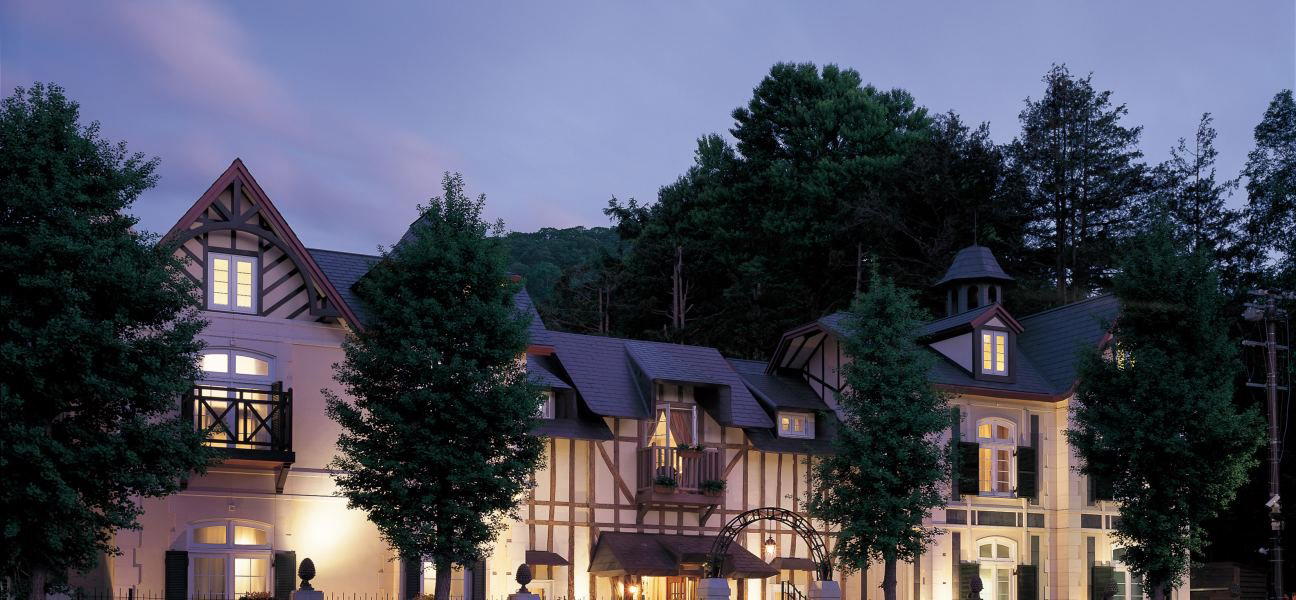
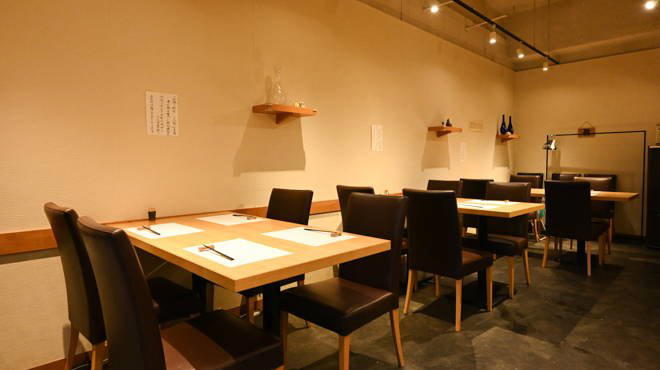
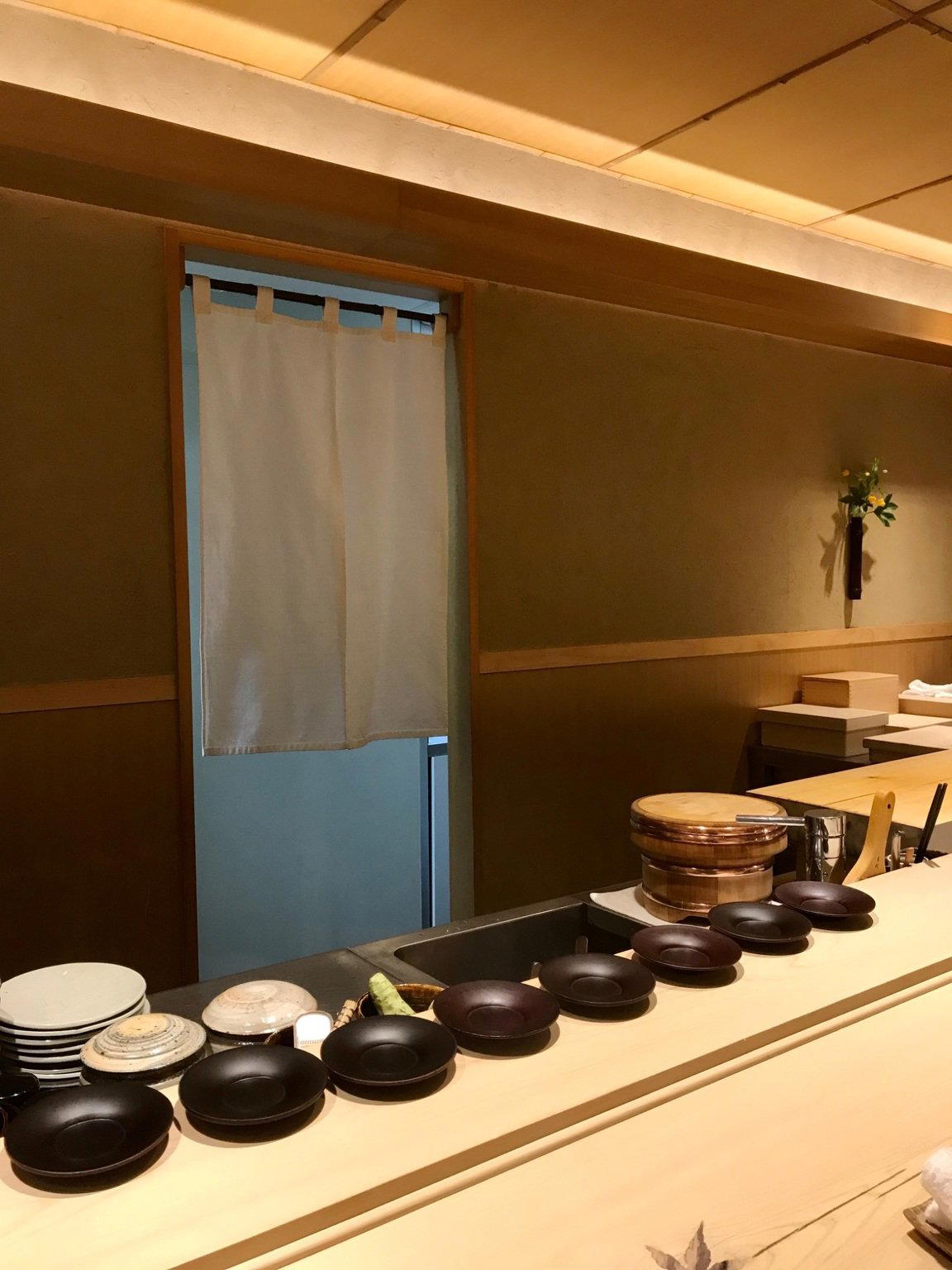
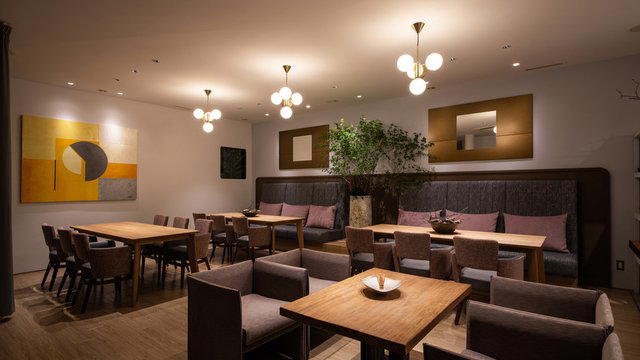
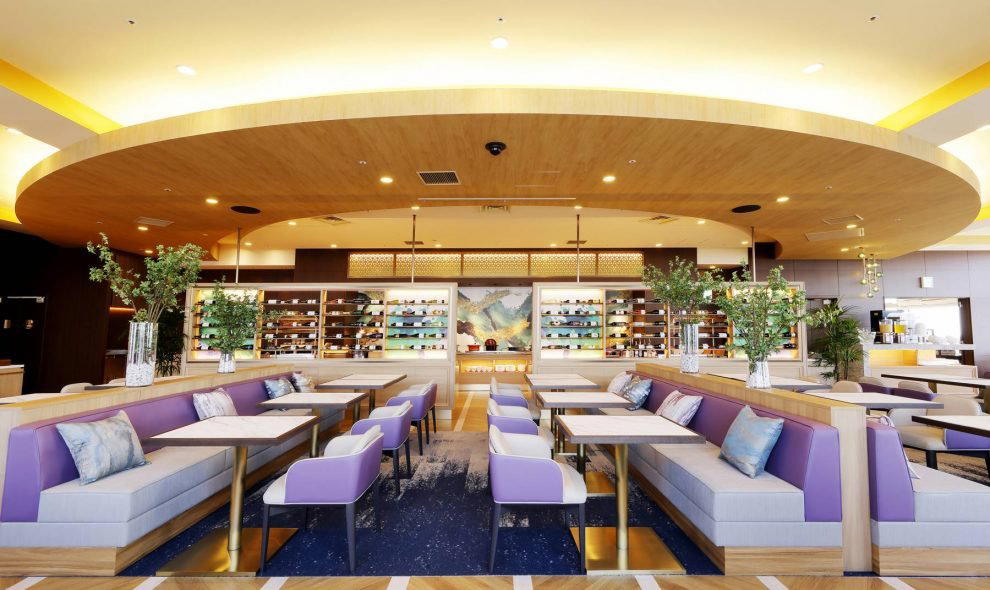
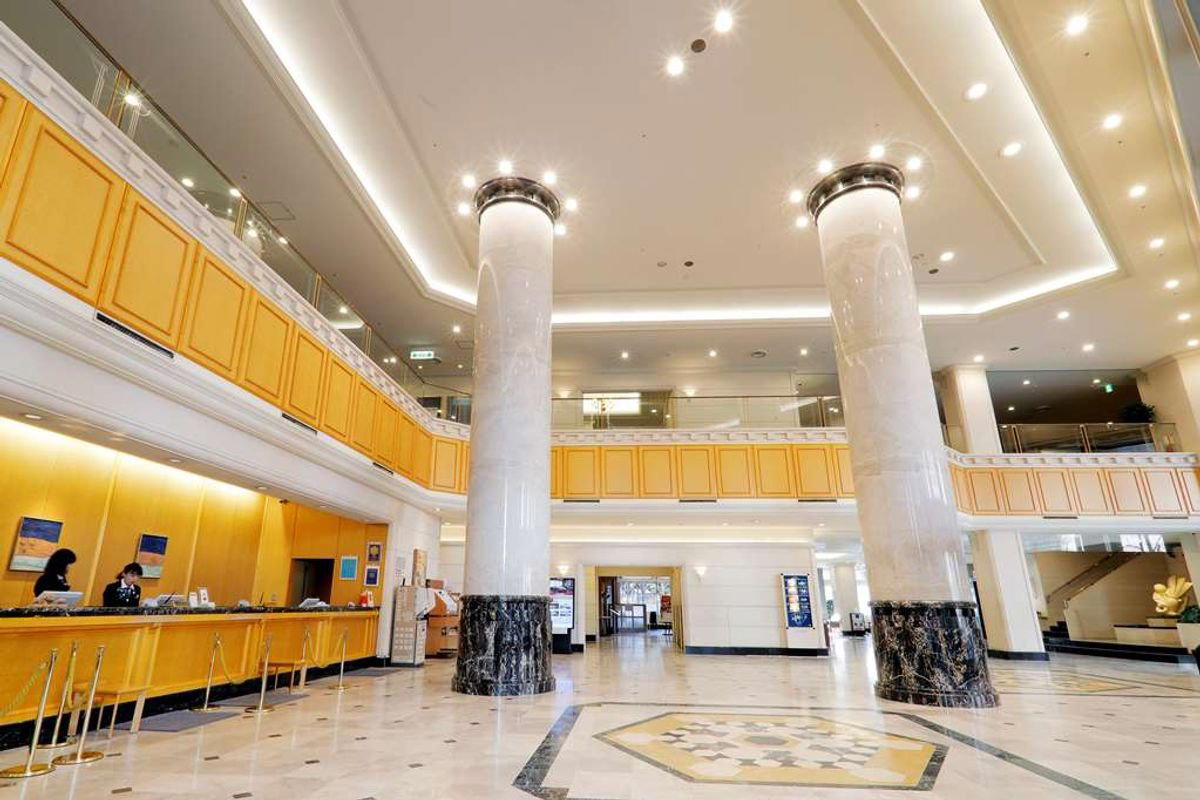
Elegant and sophisticated with French Alsatian architectural style, high-end European furnishings, and a calm, stylish atmosphere.