Located on Xixi Road in Hangzhou's West Lake district, 杭州新荣记·无垢油茶 sits within the city's most established corridor for refined Zhejiang dining. The restaurant operates in a culinary tradition that prizes seasonal sourcing and restrained technique, markers shared by the strongest addresses in this part of eastern China. Visitors drawn to Hangzhou's serious restaurant scene will find it a natural reference point alongside the area's other notable addresses.
Pearl is the En Primeur Club membership app — saves, bookings, and concierge access live there. Same editors, same standards.
- Address
- 60 Xixi Rd, 黄龙商圈 Xihu, Hangzhou, Zhejiang, China, 310025
- Phone
- +8613588839198
- Directions
- Get directions
 Saves & bookings on Pearl
Where West Lake Dining Takes Root
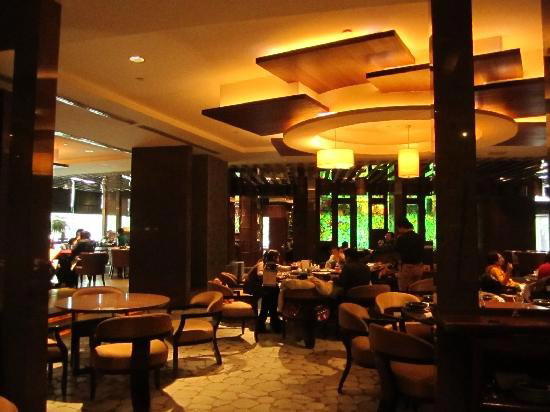
60 Xixi Road in Hangzhou's Xihu district is home to 无垢油茶, a casual Hangzhou Charcoal BBQ restaurant priced at about US$12 per person. 杭州新荣记·无垢油茶, at number 60 on that road, occupies a spot in this neighbourhood that says something before the food arrives:
Hangzhou occupies a particular position in Chinese gastronomy. That tradition continues to shape what the city's serious restaurants serve, and how they source it. The contrast with, say, Sichuan or Cantonese traditions is instructive: where those cuisines tend toward boldness,
The Sourcing Logic Behind Zhejiang Cuisine
The editorial focus here is oil tea, reflected directly in the name 无垢油茶. Oil tea, referenced directly in the name 无垢油茶 (wúgòu yóuchá), belongs to a tradition of nourishing, ingredient-forward preparations that have existed across southern China for centuries, though the specific expression varies significantly by region. In Hangzhou's context, the emphasis on sourcing quality translates to a preference for unprocessed, traceable inputs: teas, oils, and accompanying elements whose character is determined by where they come from rather than by how they are transformed in the kitchen.
Across the stronger Zhejiang restaurants in the city, from the Michelin-recognised addresses like Ru Yuan, positioned at the ¥¥¥¥ price point and regarded as one of Hangzhou's most serious Zhejiang tables, to the mid-tier precision of Guiyu (Xihu), the pattern repeats: the quality of the ingredient is the argument, and the kitchen's job is to preserve rather than obscure it. 杭州新荣记·无垢油茶 fits within this tradition structurally, even as its specific focus on oil tea gives it a distinct category position in the city.
Xin Rong Ji in Beijing and in Chengdu have demonstrated that the appetite for precise, sourcing-led eastern Chinese cuisine extends well beyond its home province. That broader context matters when assessing any restaurant operating in this culinary register in Hangzhou itself.
Hangzhou's Dining comparable set
Hangzhou House and Jie Xiang Lou represent the more formal end of this spectrum, while Ambré Ciel approaches the city's ingredients from an innovative rather than traditional framework. 杭州新荣记·无垢油茶 occupies a different register from all of these: the oil tea format is more specific, more rooted in a single culinary lineage, and less oriented toward the tasting-menu structure that dominates premium dining in China's tier-one cities.
That specificity is worth noting for visitors accustomed to the Michelin-tracked fine dining circuits of Shanghai or Macau. Restaurants like Fu He Hui in Shanghai or Chef Tam's Seasons in Macau operate at the intersection of Chinese culinary tradition and international fine dining language. The Hangzhou address is more direct, with a format built around the preparation itself rather than a formal tasting-menu structure.
Across eastern China's restaurant culture, this kind of focused address, built around a single preparation tradition rather than a broad menu, has become more visible in cities with strong culinary identity. Pingjiangsong in Suzhou and Dai Yuet Heen in Nanjing represent analogous propositions in their respective cities: deeply rooted in local ingredient culture, operating outside the standard tasting-menu format, and appealing to diners who already have a working knowledge of the tradition they are engaging with.
Planning a Visit
The address at 60 Xixi Road places the restaurant in the Xihu district, within reach of the West Lake area that draws the majority of Hangzhou's culturally motivated visitors. For those building a broader itinerary around the city's serious food scene, the full Hangzhou restaurants guide provides comparative context across the city's price tiers and cuisine categories. Visitors coming from elsewhere in the Yangtze Delta region might also consider comparable addresses in neighbouring cities: Shang Palace in Yangzhou, Wenru No.9 in Fuzhou, and Fleurs Et Festin in Xiamen each represent how regional Chinese culinary identity is being expressed at the premium end in different cities across the broader region.
Reservations are recommended. For international visitors with no Mandarin, having hotel concierge assistance for reservations is the practical approach across most of this category in Hangzhou.
Side-by-Side Snapshot
Comparable venues nearby, for context on price, style, and recognition.
| Venue | Cuisine | Price | Awards | Notes |
|---|---|---|---|---|
| çæ°ç§é¥¼ æ ç¾æ²¹æ¡This venue — the venue you are viewing | Hangzhou Charcoal BBQ | $$ | Not listed | Not listed |
| Yinshi Restaurant | Modern Hangzhou Cuisine | $$ | Not listed | Xiaoshanshi |
| Hu Ge Si Fang Cai | Hangzhou Classics | $$ | Michelin Plate | Hangzhoushi |
| 桂语家面 | Handmade Chinese Noodles | $ | Not listed | 西湖区满觉陇 |
| Kui Yuan Guan (Jiefang Road) | Hangzhou-style Noodles | $$ | Michelin Plate | Hangzhoushi |
| Fuyuanju | Authentic Hangzhou Cuisine | $$ | Not listed | Hangzhoushi |
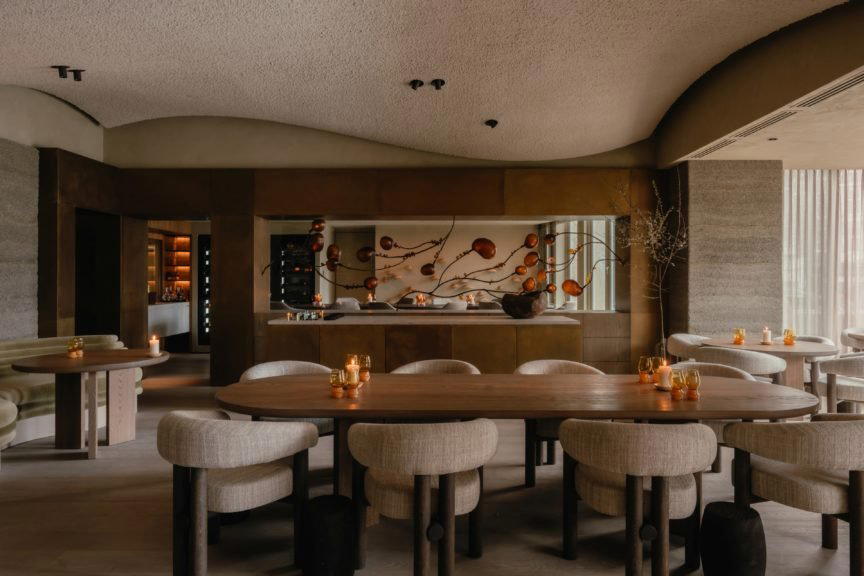
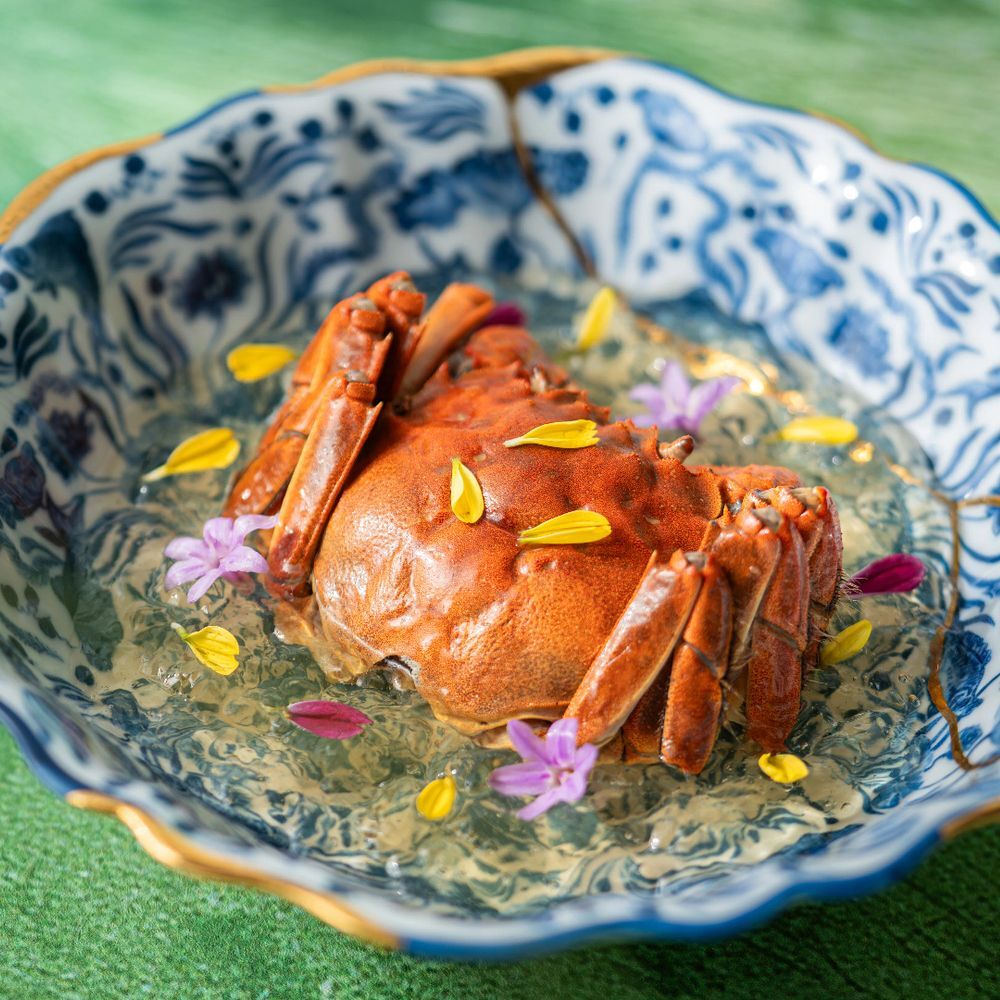
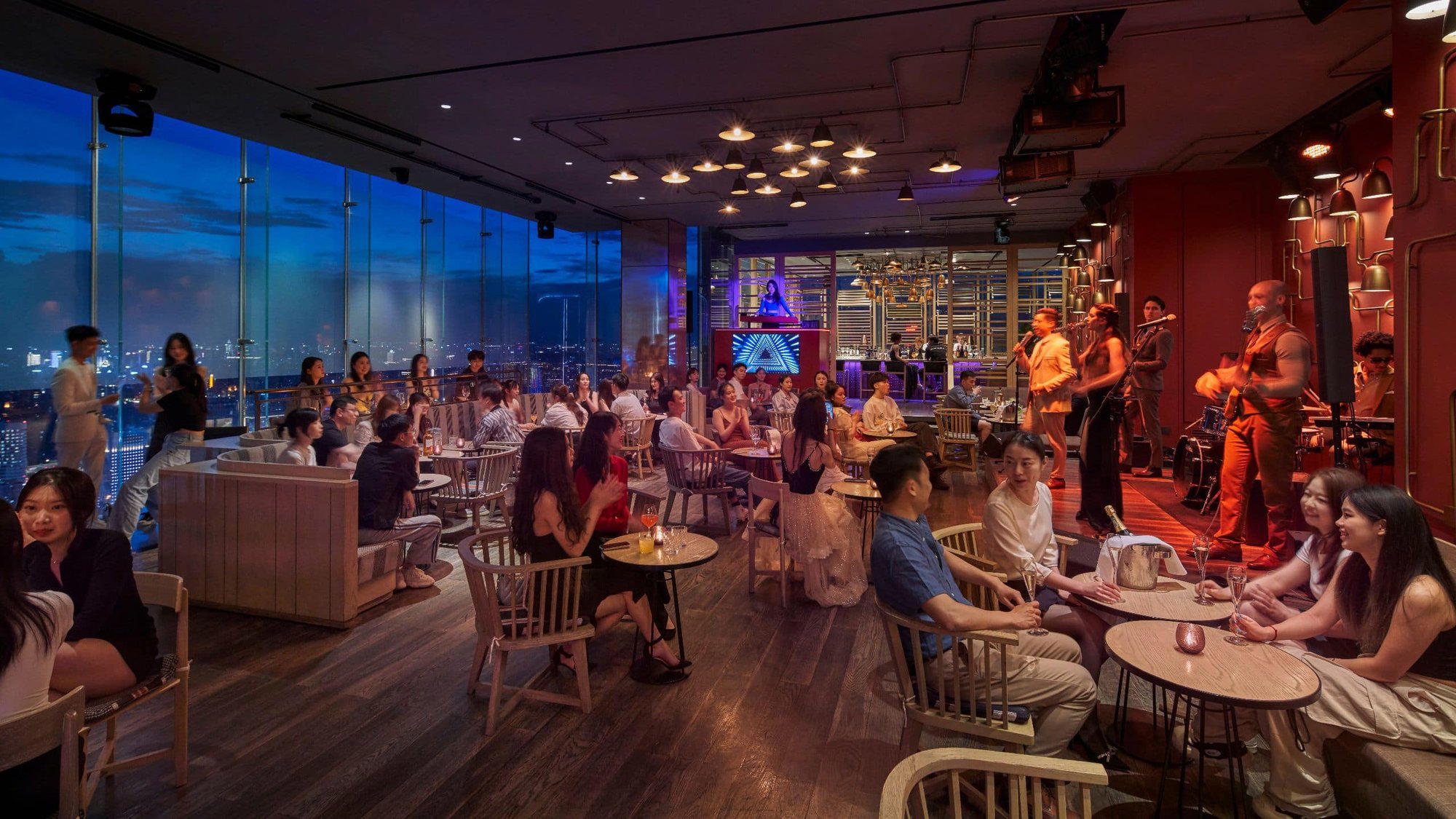
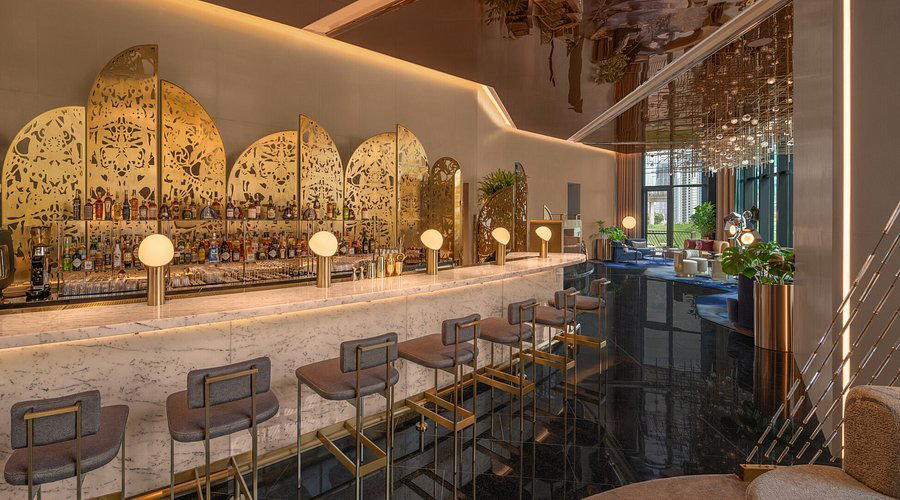
At a Glance
- Lively
- Casual
- Casual Hangout
- Group Dining
- Late Night
- Open Kitchen
- Beer Program