Yinshi Restaurant sits in Hangzhou's Qianjiang New City district, positioning itself within a city that has long defined the parameters of Zhejiang cuisine. The address places it near the business and cultural momentum of the western shore of Qianjiang Bay, where a new generation of Hangzhou dining rooms is drawing comparisons with the lake-district establishments that defined the city's culinary reputation for decades.
Pearl is the En Primeur Club membership app — saves, bookings, and concierge access live there. Same editors, same standards.
- Address
- China, CN æµæ±ç æå·å¸ ä¸ååº ç¬¤å¸æ¹¾ 45 45å·8-107 é®æ¿ç¼ç
- Phone
- +8657186063509
- Directions
- Get directions
 Saves & bookings on Pearl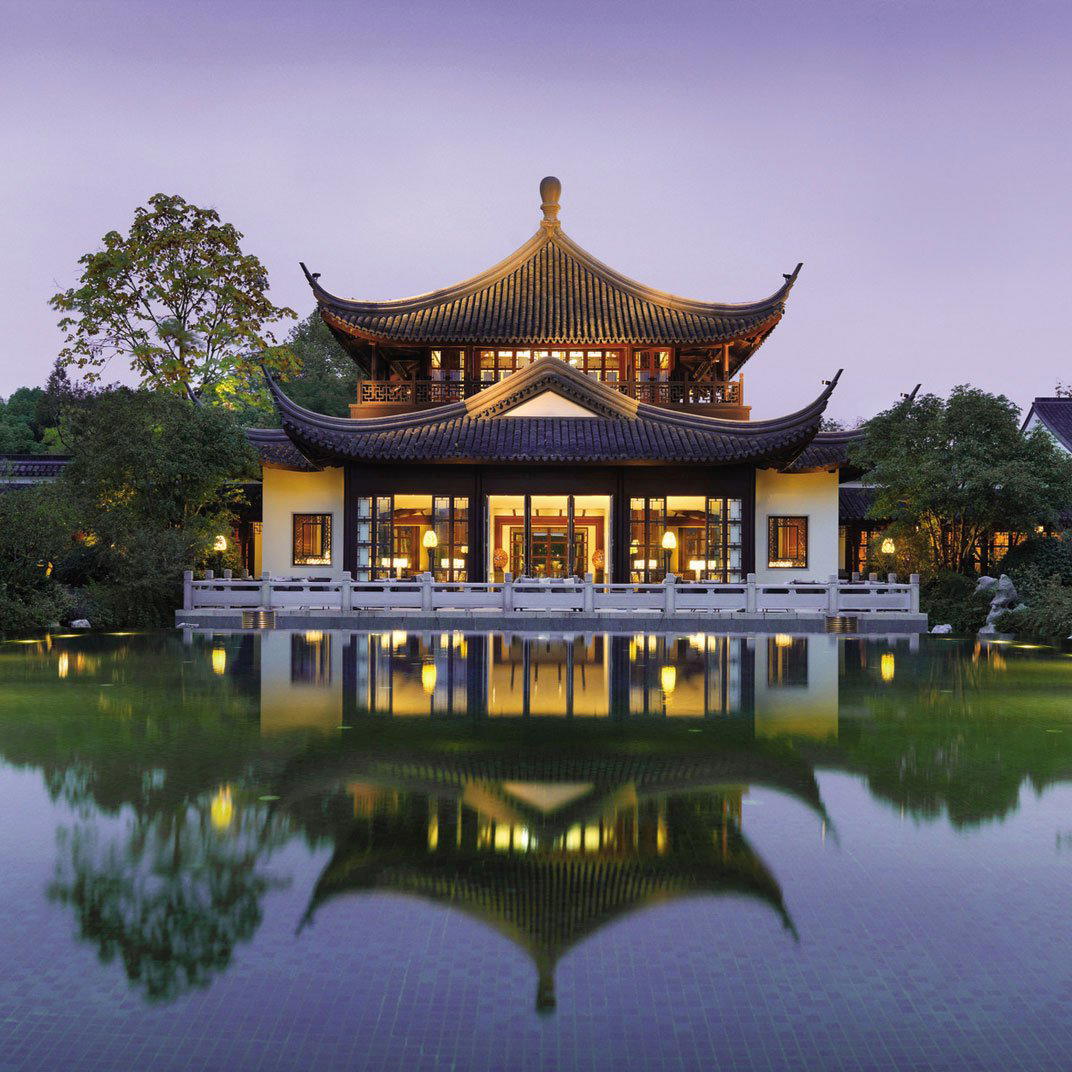
Where Hangzhou's New Dining Geography Takes Shape
Hangzhou has always had two dining cities inside it. The first is the one visitors know: the West Lake corridor, where restaurants like Guiyu (Xihu) and Jie Xiang Lou trade on landscape proximity and decades of accumulated reputation. The second is newer, less mapped, and located on the eastern bank of the Qiantang River, in the Qianjiang New City district, where commercial development has pulled a wave of serious restaurants away from the tourist-adjacent lake circuit. Yinshi Restaurant is a Modern Hangzhou Cuisine restaurant in Hangzhou, at 45 Qianjiang Bay.
This geographic shift matters because it signals something about the audience a restaurant is building for. Qianjiang New City draws Hangzhou's financial and technology sectors, the kind of lunch and dinner clientele that prioritises product quality over postcard settings. That context shapes expectations in both directions: it raises the standard for what lands on the table, and it removes the cushion of scenic atmosphere that West Lake dining rooms can rely on. A restaurant here earns its reputation through the food alone.
The Sensory Register of a Zhejiang Dining Room
Zhejiang cuisine, and Hangzhou cooking in particular, operates in a register that rewards attention. The flavours are not designed to announce themselves. Dongpo pork arrives at a particular shade of mahogany, the fat collapsed to near-transparency after hours of slow braising with Shaoxing wine and soy. West Lake fish in vinegar sauce carries a sourness calibrated to lift rather than dominate. The sensory grammar here is one of restraint and precision, where a dish's quality often reads most clearly in what it chooses not to do.
Restaurants in this tradition tend to divide along two lines. Some, like Hangzhou House, lean into the ceremonial presentation of classical technique, framing familiar dishes within formal service structures. Others push the cuisine toward a more contemporary idiom, as Ambré Ciel does with its innovative approach that places Hangzhou flavours in dialogue with broader Chinese and international frameworks. Ru Yuan, sitting at the summit of the local price tier at ¥¥¥¥, represents the high-formality end of the classical camp. Its Qianjiang location and the competitive density of that district suggest a room calibrated for a working professional rather than a ceremonial occasion.
Hangzhou Within a Broader Zhejiang and East China Frame
To understand what Hangzhou restaurants are doing, it helps to see them inside a wider regional conversation. Zhejiang cuisine shares roots with the broader Jiangnan culinary tradition that defines the lower Yangtze delta, a cooking culture that prizes freshwater ingredients, seasonal produce, and the careful management of sweetness in savoury contexts. Across the region, restaurants working in this tradition face the same set of creative pressures: how much to formalise technique, how directly to engage with the classical canon, and how aggressively to seek external validation through awards programs.
The Michelin model, now established in both Shanghai and Guangzhou, has reshaped expectations at the higher end of Chinese regional dining. Establishments like Xin Rong Ji on Xinyuan South Road in Beijing and 102 House in Shanghai demonstrate what the format looks like when Chinese regional cuisine is built around tasting-menu discipline and international-audience legibility. In Macau, Chef Tam's Seasons takes the logic further, placing Cantonese technique inside a fine-dining framework that speaks equally to local and visiting guests. Xin Rong Ji in Chengdu and Imperial Treasure Fine Chinese Cuisine in Guangzhou represent the same impulse applied to different regional bases.
Hangzhou has been slower to formalise its dining room ambitions along these lines, partly because the West Lake identity is so commercially legible that it reduces pressure to seek external certification. But the Qianjiang New City district suggests a change in that dynamic. The restaurants opening there are building for an audience that already understands what formal dining looks like in Shanghai or Shenzhen, and expects comparable rigour at home.
Elsewhere in the Yangtze delta, Dai Yuet Heen in Nanjing and Dingshan·Jiangyan in Suzhou are working through comparable questions about how regional cuisine earns premium positioning, while along the southeast coast, Fleurs Et Festin in Xiamen and Jiangnan Wok·Rong in Fuzhou offer further reference points for how this conversation plays out beyond the delta core. Further afield, Shang Palace in Yangzhou shows how heritage positioning can translate into premium pricing within a hotel framework.
For international reference points, the discipline of product-first cooking that defines the leading Zhejiang restaurants finds analogues in different cultural contexts: the uncompromising focus on ingredient quality that distinguishes Le Bernardin in New York City, or the structural precision behind Atomix's approach to Korean fine dining, are different expressions of the same underlying argument that restraint is a form of ambition.
Planning a Visit
Yinshi Restaurant is located at unit 8-107, 45 Qianjiang Bay, Jiangdong District, Hangzhou. The Qianjiang New City area is accessible by metro on Line 4, with Qianjiang Road station placing guests within reasonable walking distance of the development. The district is primarily a lunch and dinner destination, with the evening trade drawing heavily from the surrounding office towers. Reservations are recommended.
Peers You’d Cross-Shop
Comparable venues nearby, for context on price, style, and recognition.
| Venue | Cuisine | Price | Notes |
|---|---|---|---|
| Yinshi RestaurantThis venue — the venue you are viewing | Modern Hangzhou Cuisine | $$ | Not listed |
| çæ°ç§é¥¼ æ ç¾æ²¹æ¡ | Hangzhou Charcoal BBQ | $$ | Hangzhoushi |
| Hokkien Huay Kuan | Fujian Fine Dining | $$$ | Xuhui District |
| Guiyu Family Noodles | Zhejiang Cuisine | $$$ | Xihu District |
| Tianlunli | Jiangnan Crab Specialist | $$$ | Hangzhoushi |
| Four Seasons Jin Sha Restaurant (金沙厅) | Zhejiang Neo-Classics with Shanghainese & Cantonese Influences | $$$$ | Xihu (West Lake) |
At a Glance
- Modern
- Cozy
- Elegant
- Date Night
- Special Occasion
- Historic Building
- Local Sourcing
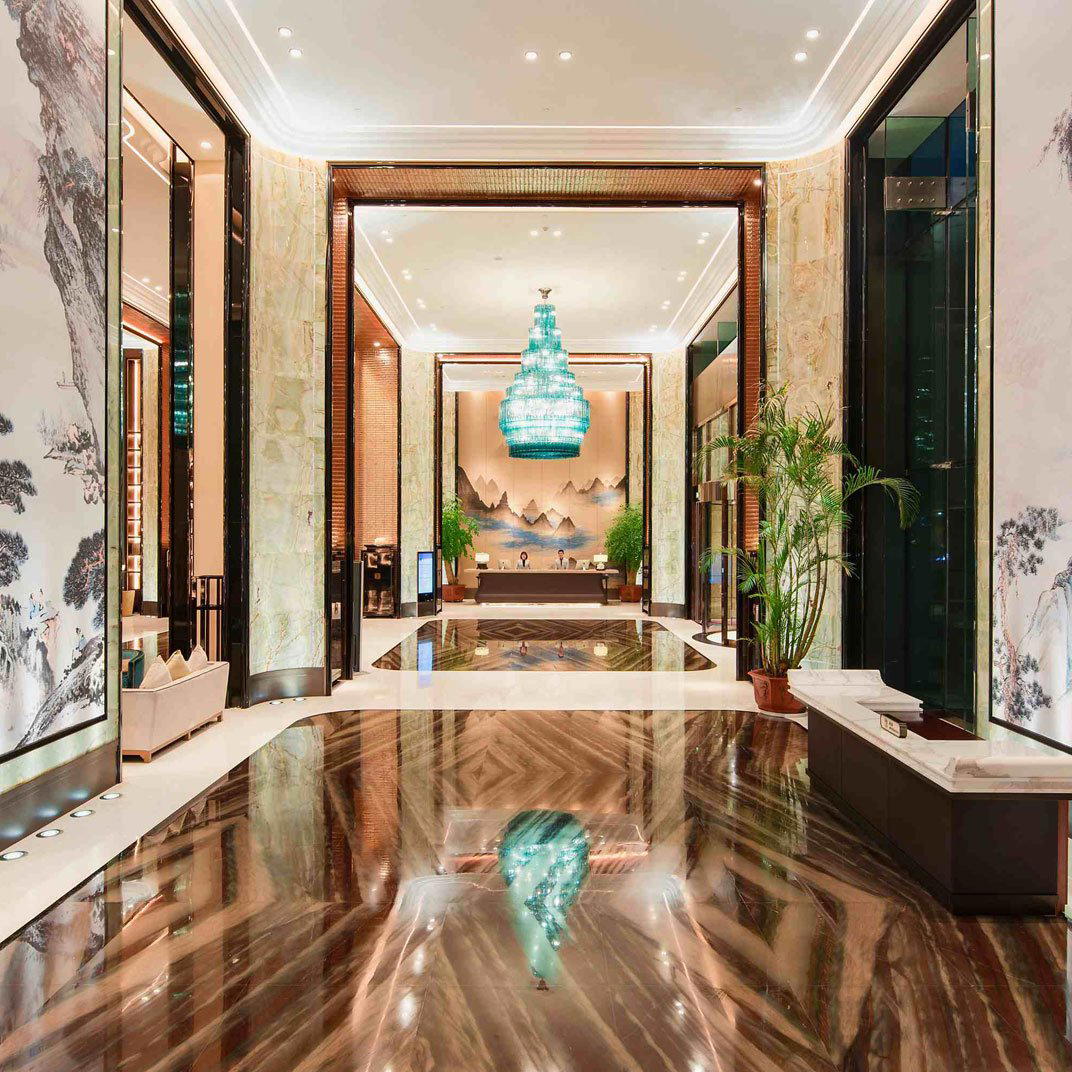
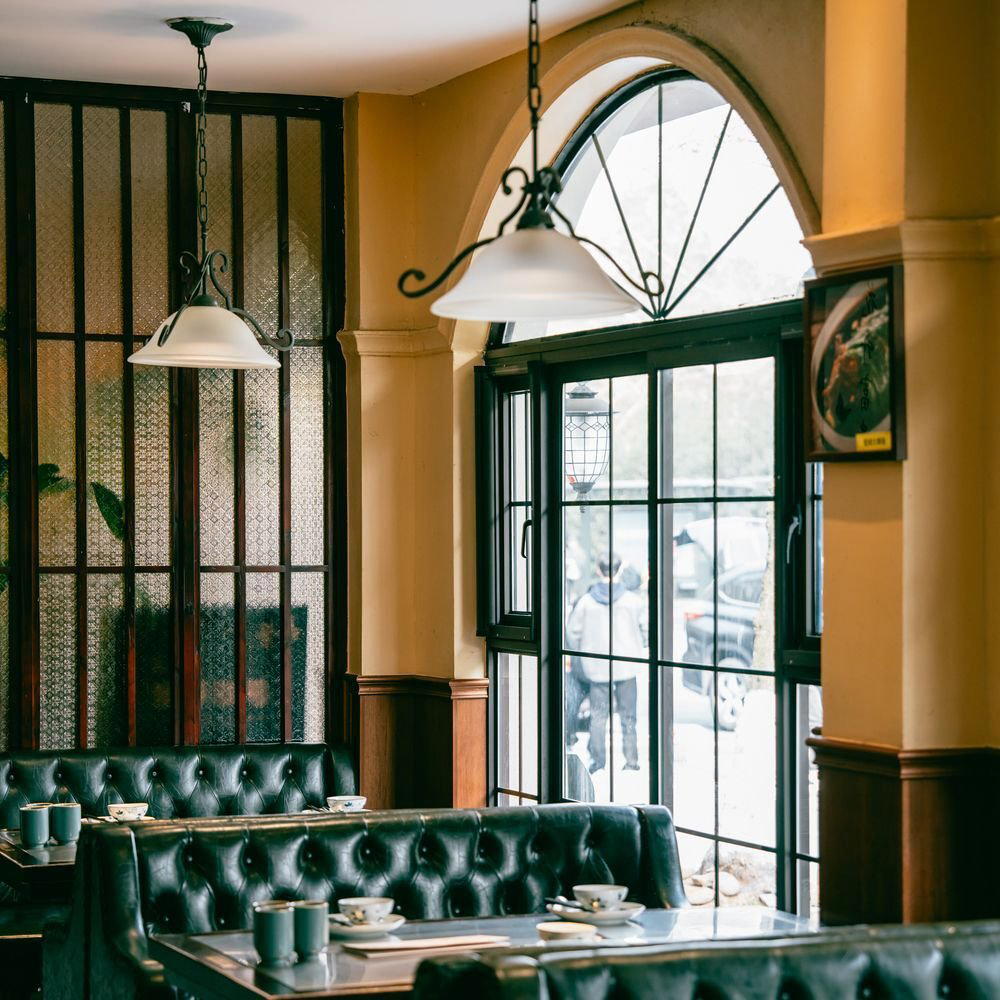
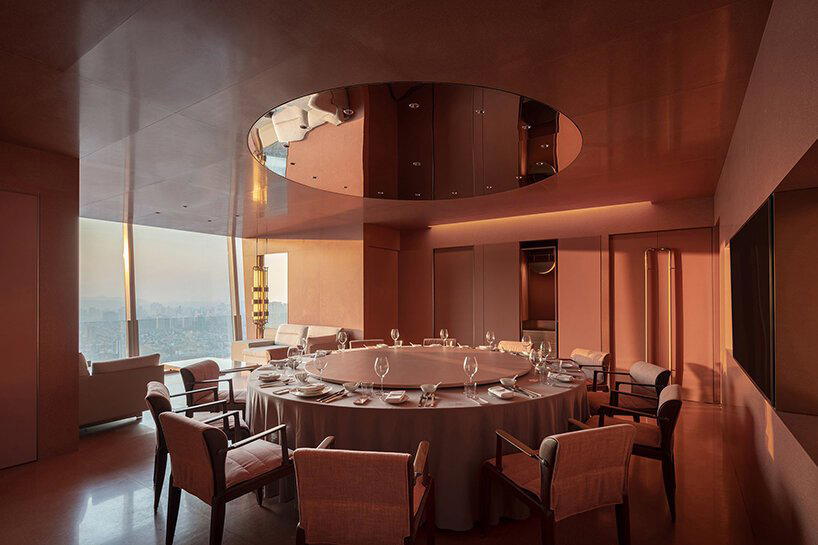
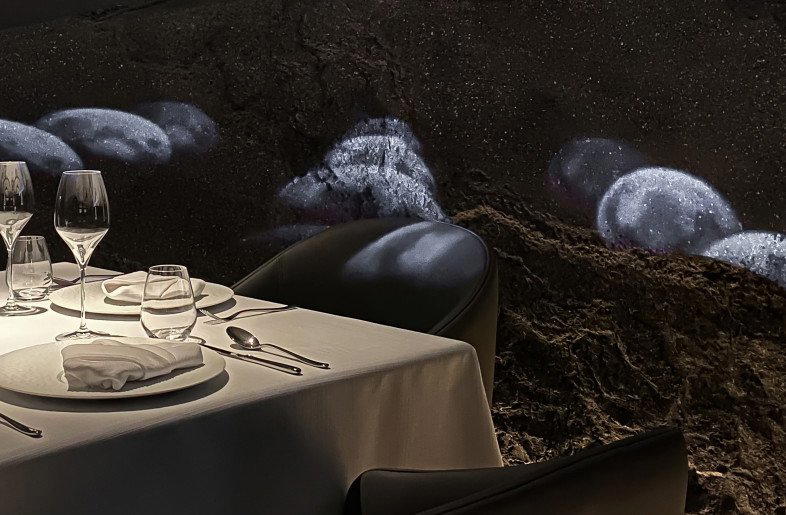
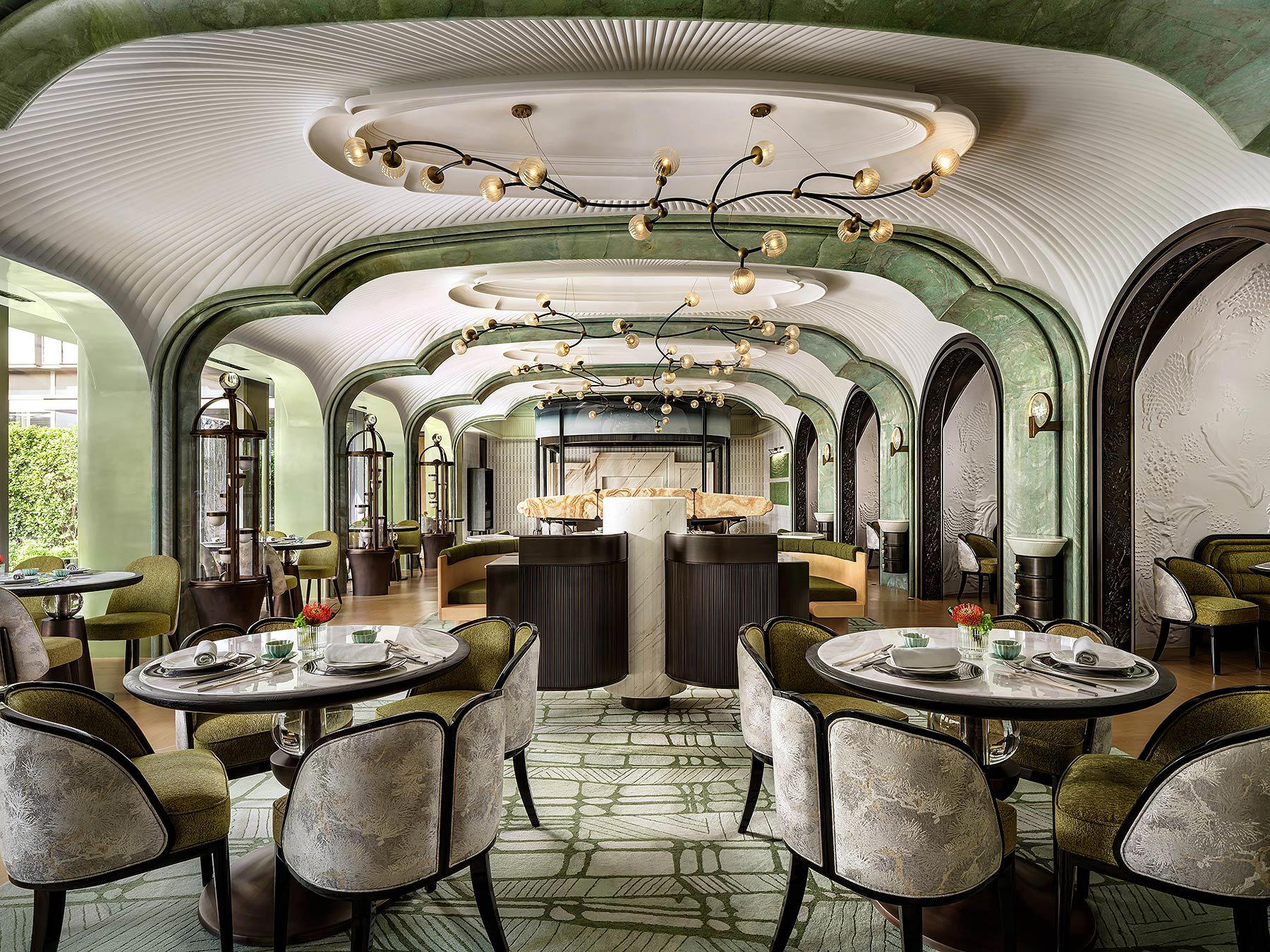
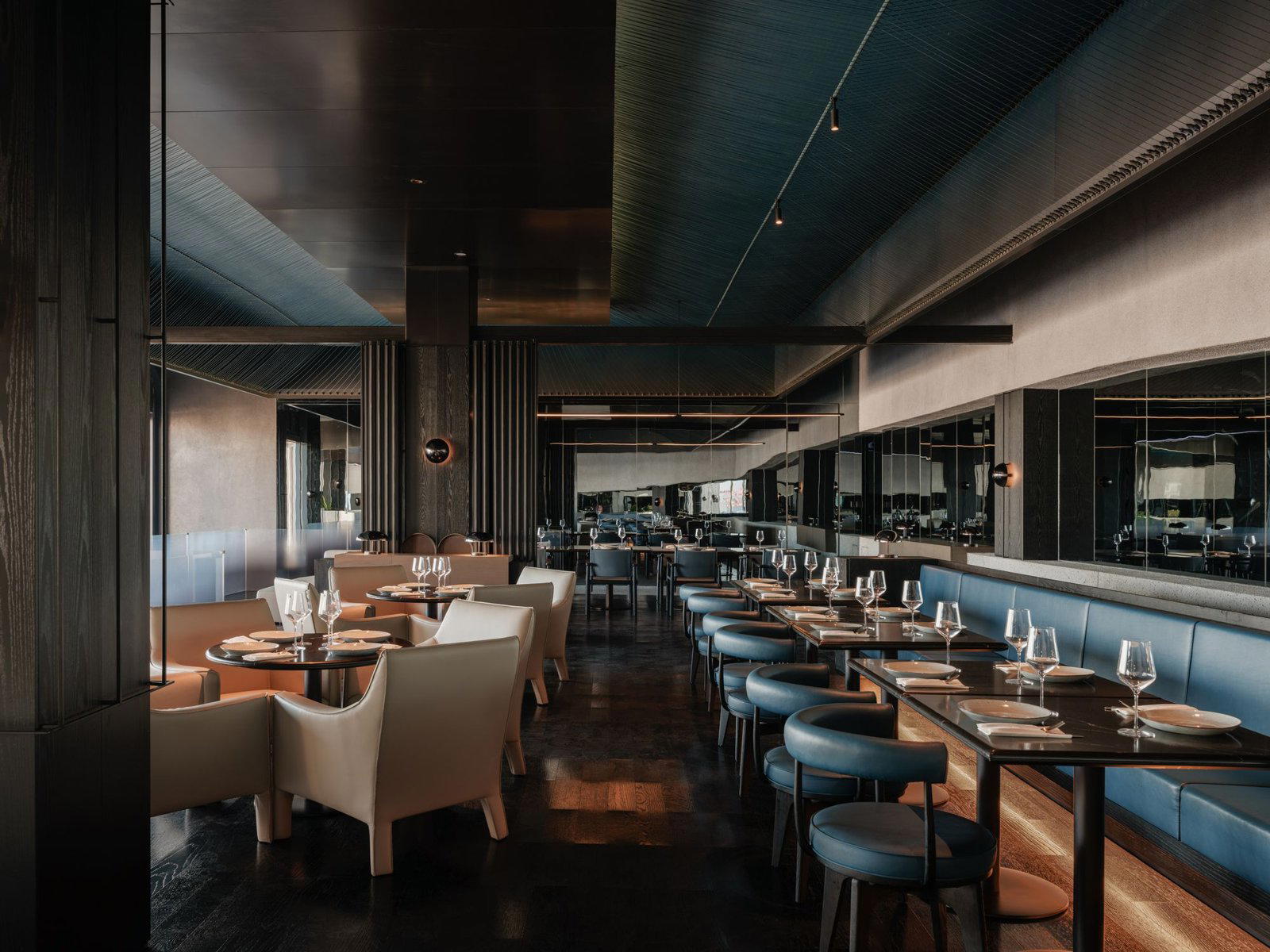
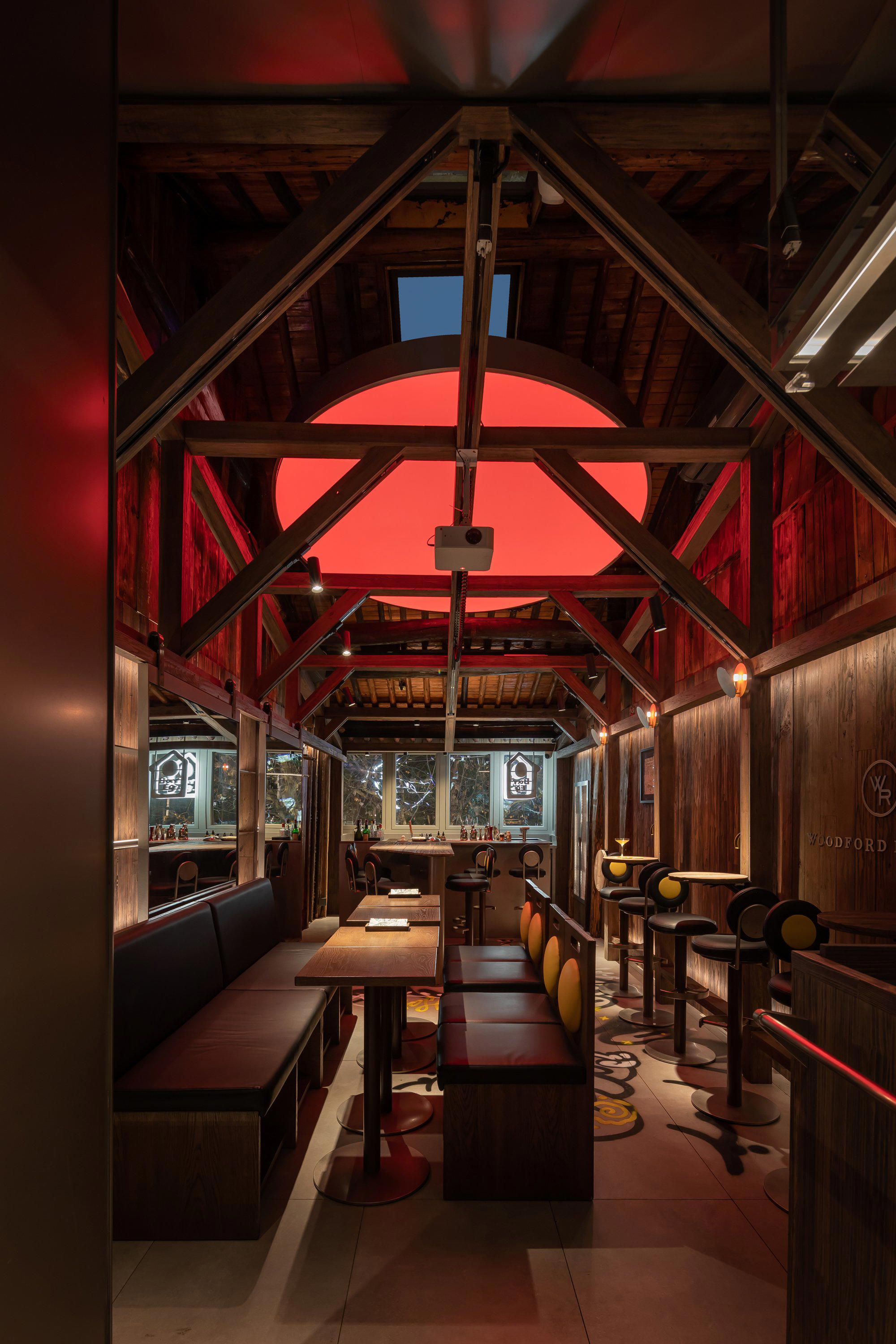
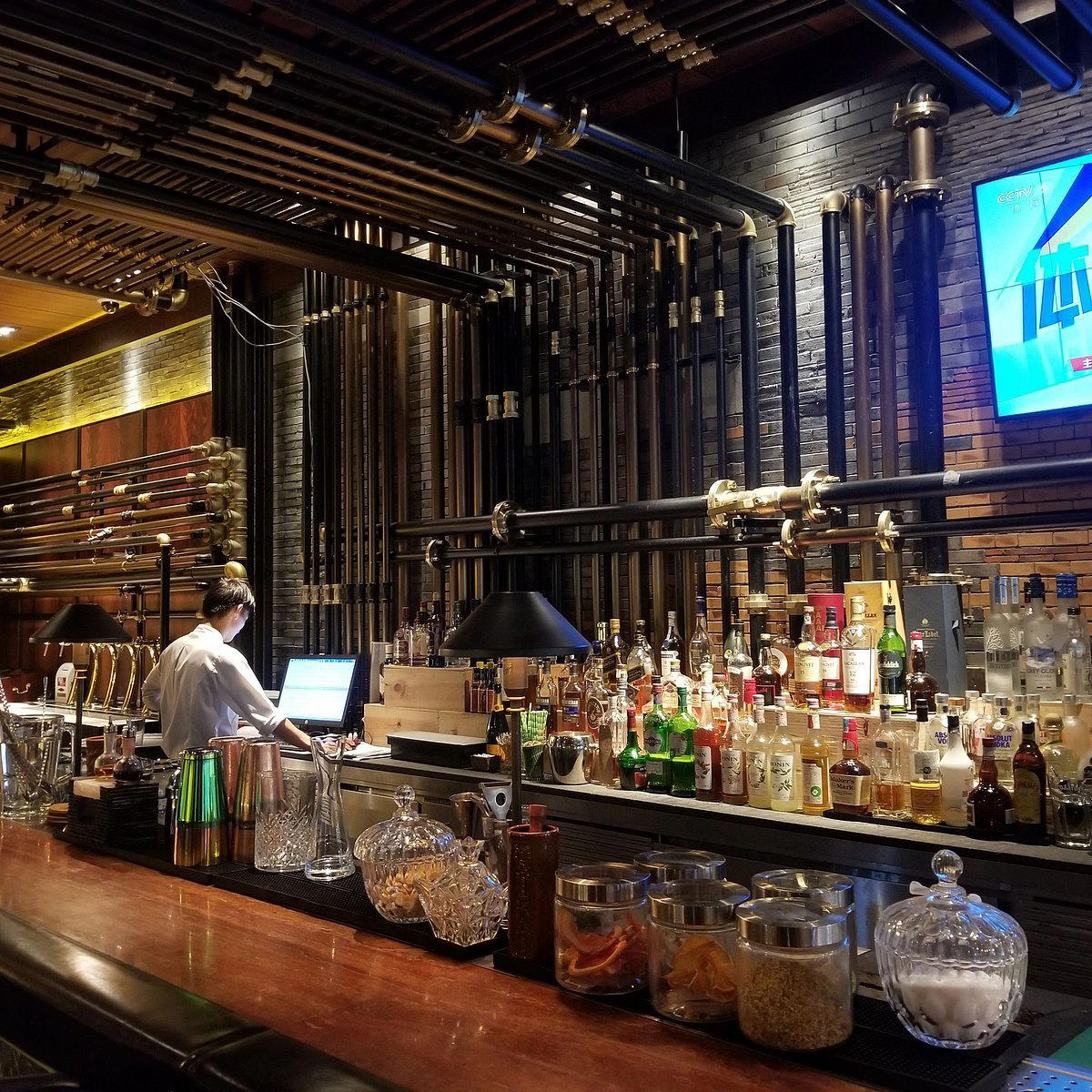
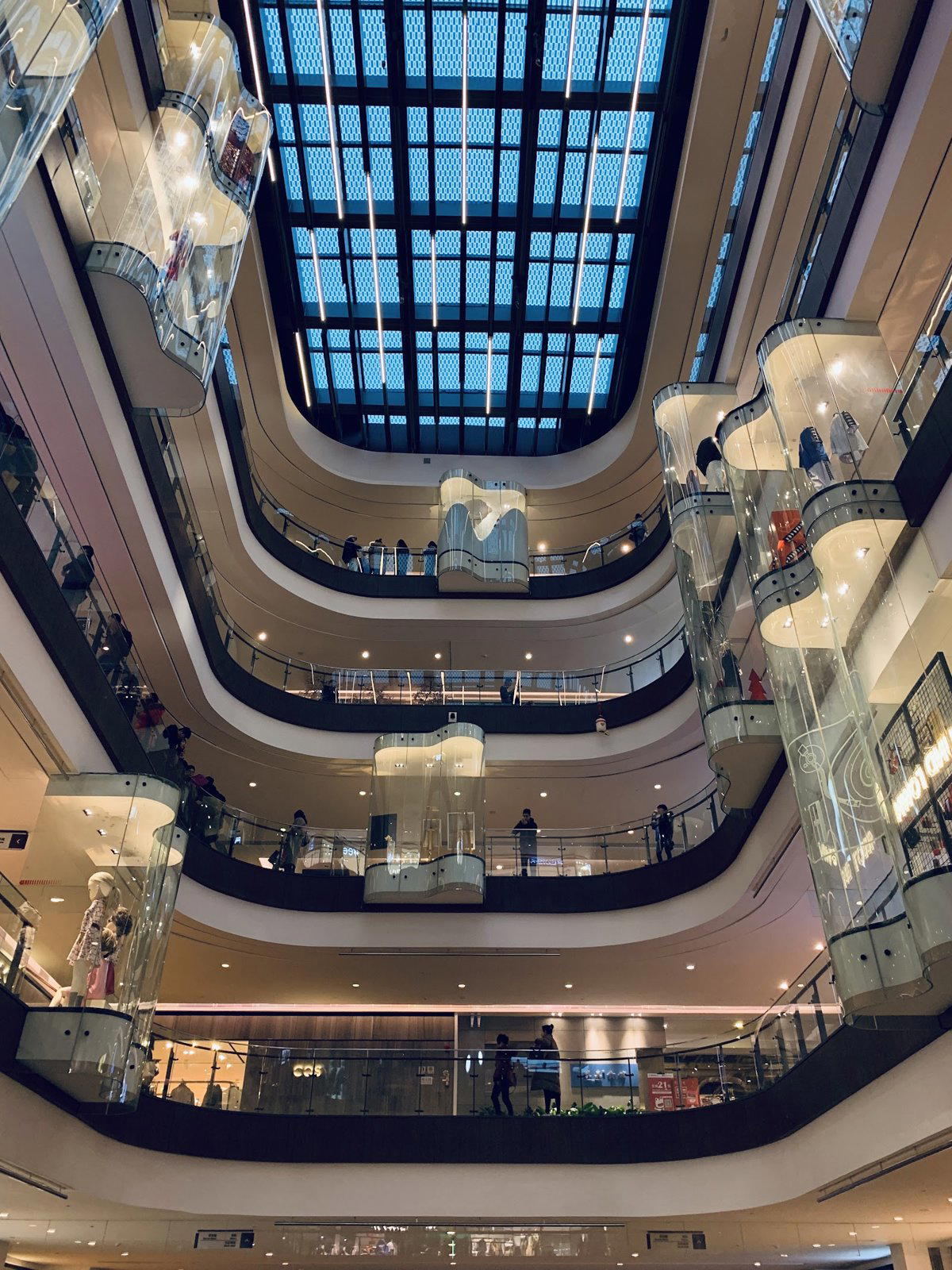
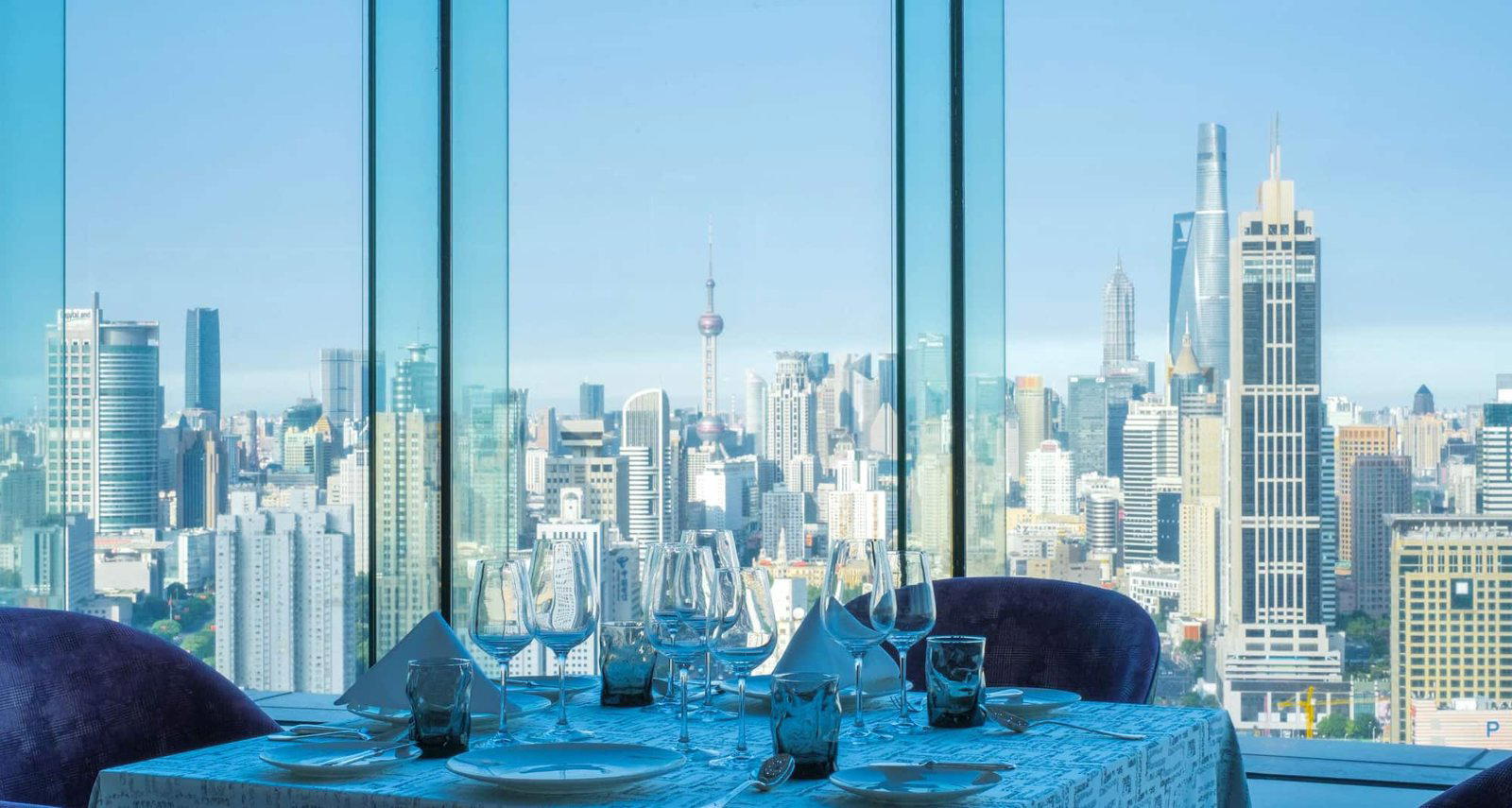
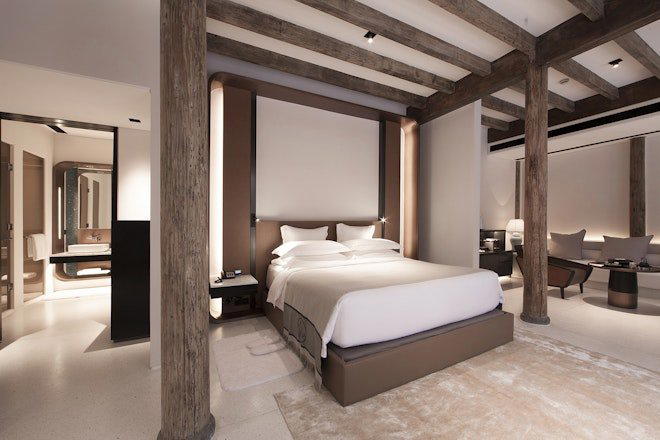
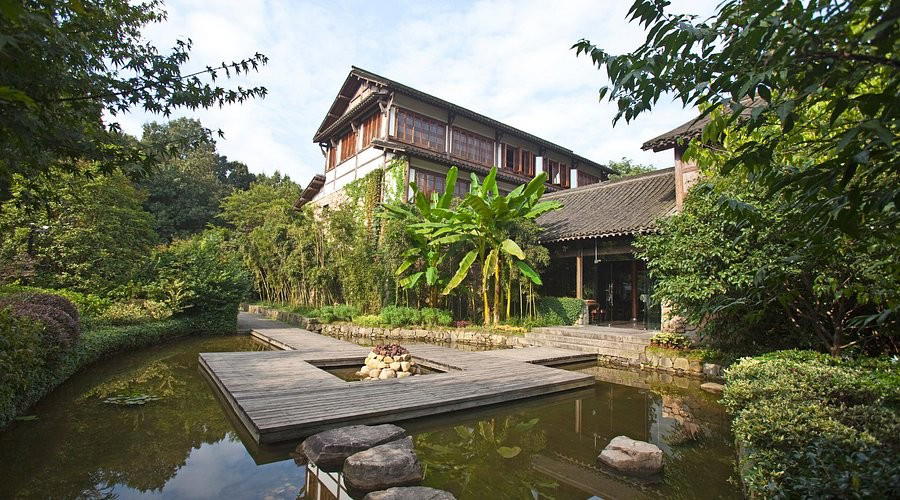
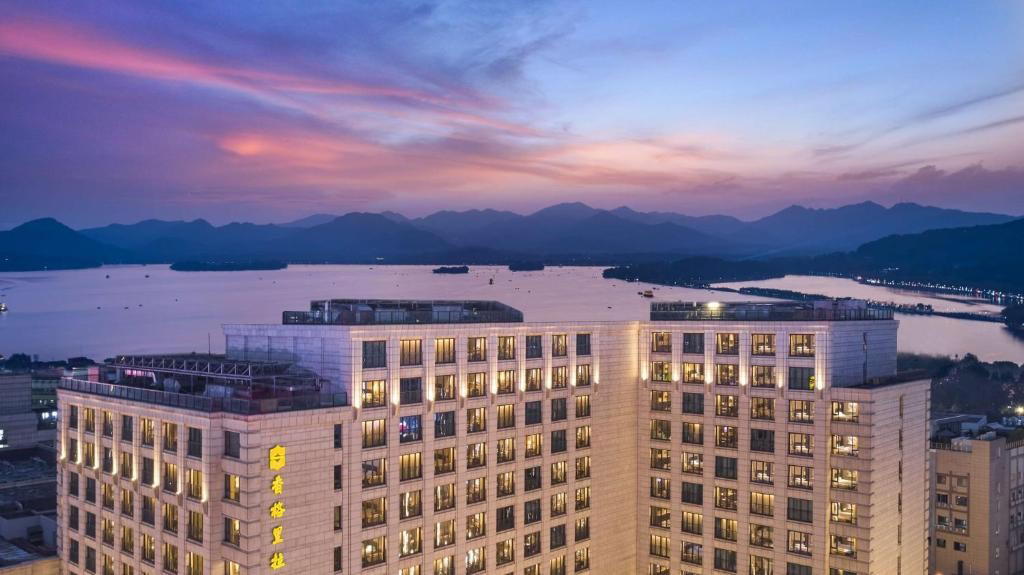
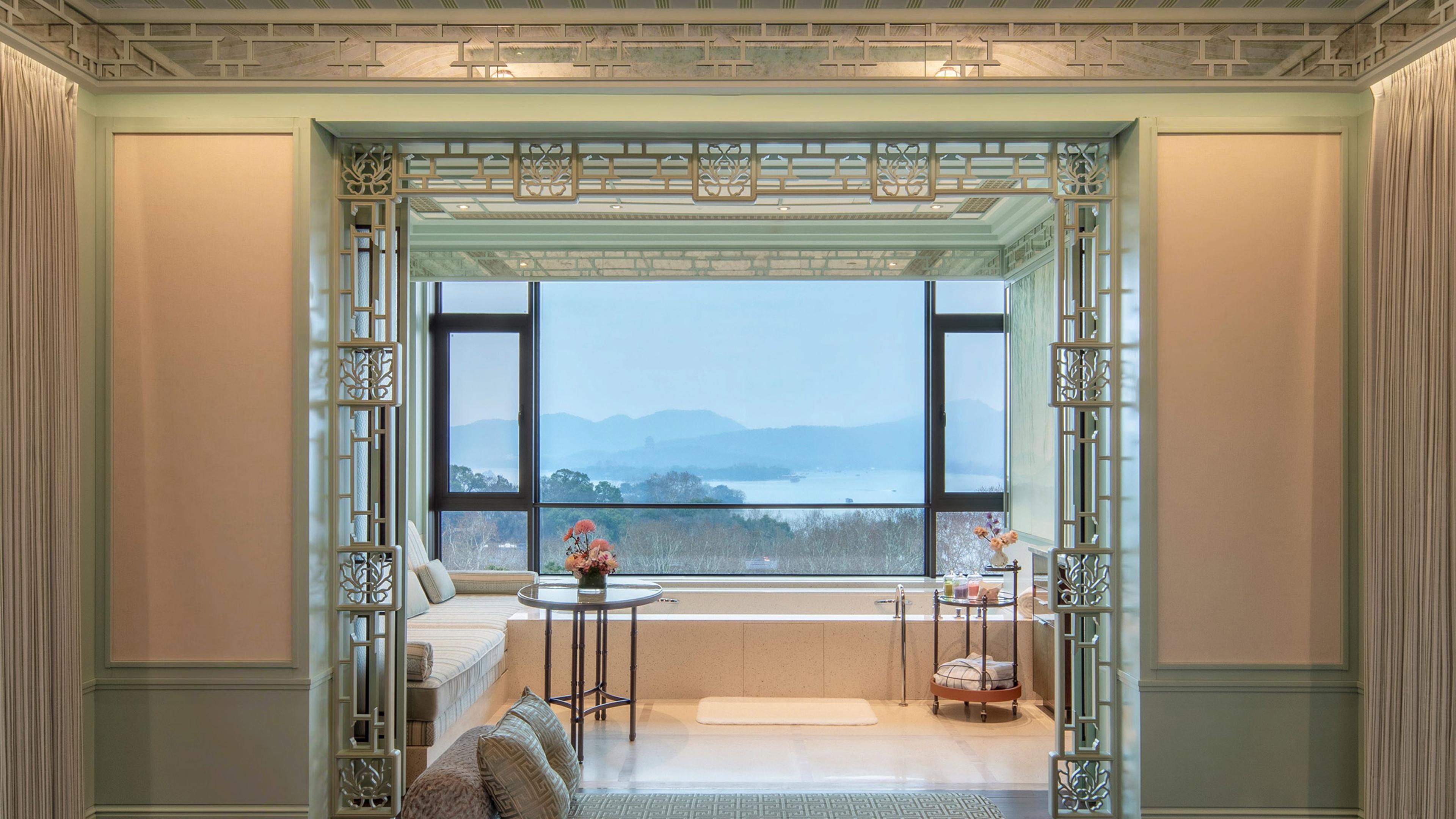
Modern Jiangnan style with round windows, bamboo chairs, and bonsai, creating a cozy and elegant atmosphere.