

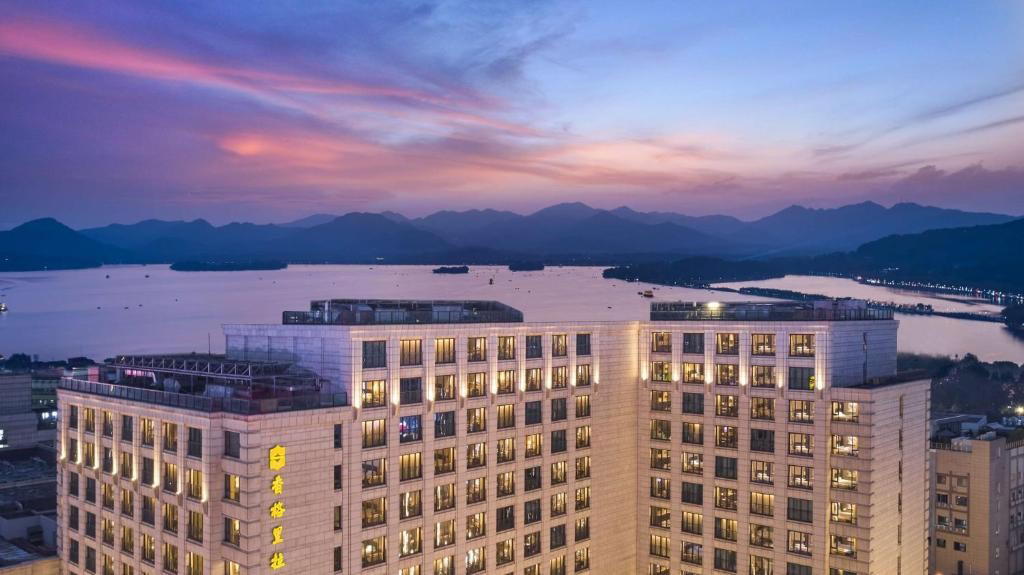
Positioned along Nanshan Road on the southern bank of West Lake, Guiyu (Xihu) holds a Michelin star for consecutive years alongside a Black Pearl Diamond, making it one of the more formally recognised addresses for Zhejiang cuisine in Hangzhou. The kitchen works within the restrained, ingredient-forward tradition of Zhe cuisine, placing it in a comparable set that includes several of the city's most serious dining rooms.
Pearl is the En Primeur Club membership app — saves, bookings, and concierge access live there. Same editors, same standards.
- Address
- 146-1 Nanshan Rd, 146, Shangcheng District, Hangzhou, Zhejiang, China, 310007
- Phone
- +86 571 8707 7008
- Directions
- Get directions
 Saves & bookings on Pearl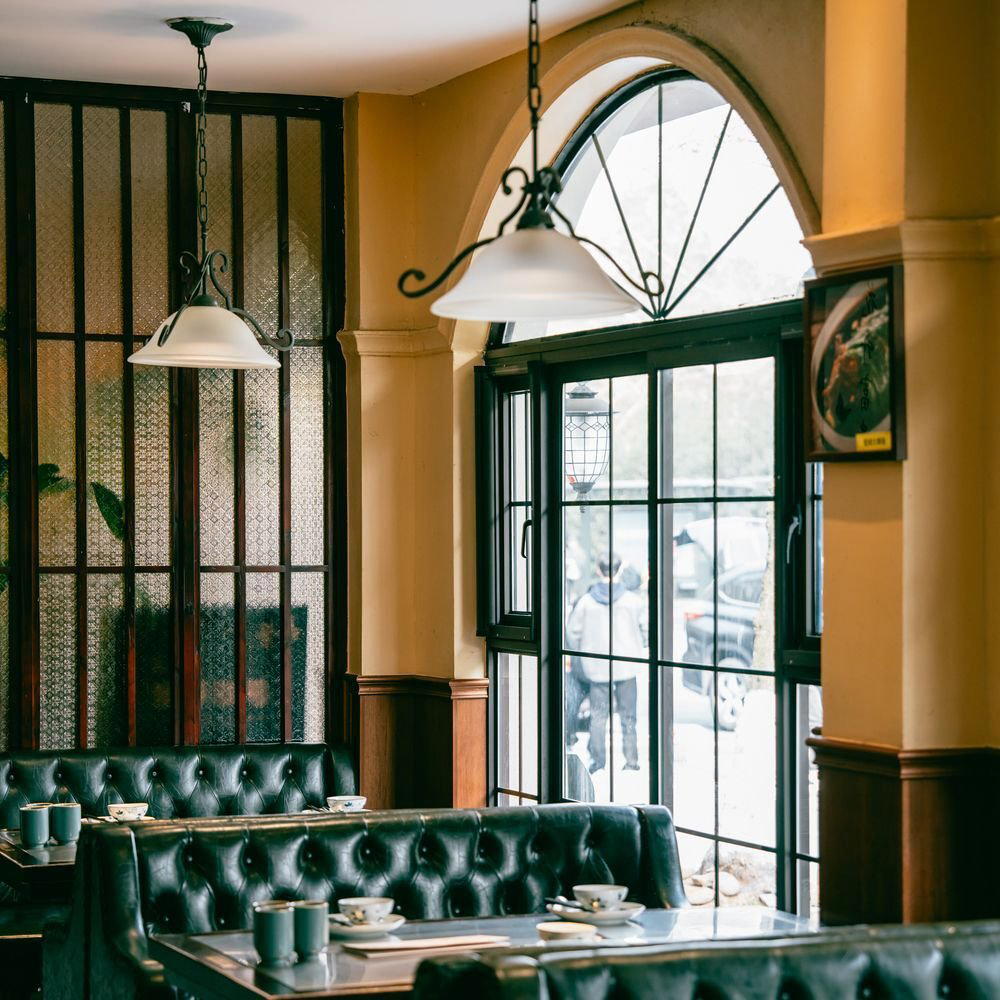
Where West Lake Sets the Tempo
Nanshan Road runs along the southeastern edge of West Lake, and the quality of light there in the late afternoon, pale, diffused through willows and low cloud, has a measurable effect on how a meal begins. Arriving at 146-1 Nanshan Road in Shangcheng District means entering a dining context shaped by one of China's most historically charged landscapes. The lake is not incidental to the experience: in Hangzhou's food culture, proximity to West Lake has long been both an aesthetic credential and a statement of intent. Restaurants that occupy this corridor are making a claim about refinement and about rootedness in a tradition that goes back to the Southern Song capital.
Guiyu (Xihu) holds a Michelin star for 2024 and 2025, alongside a 2025 Black Pearl 1 Diamond. Within Hangzhou's formal dining tier, those credentials place it in a small comparable set that also includes Ru Yuan, which carries two Michelin stars at the ¥¥¥¥ price point, and Hangzhou House, Jie Xiang Lou, and Longjing Manor, each approaching Zhejiang cuisine from a distinct register. Guiyu operates at ¥¥¥, a price tier it shares with 28 Hubin Road, though the award profile distinguishes it within that bracket.
The Discipline of Zhe Cuisine
Zhejiang cuisine is one of China's Eight Great Culinary Traditions, and its operating principles are among the more demanding to execute well precisely because they disallow disguise. The tradition prizes freshness over transformation: minimal seasoning, short cooking times, and a structural dependence on the seasonal quality of the primary ingredient. Where Cantonese cooking also prizes freshness but allows for elaborate preparation and sauce work, Zhe cuisine tends toward even greater austerity. A dish that works in autumn may not work in spring, because the ingredient itself changes and nothing in the technique compensates for the difference.
This creates a dining ritual with its own particular pacing. Courses in a serious Zhe meal tend to arrive with less ceremony than a French tasting menu but with more deliberateness than a casual banquet. The structure encourages attention to sequence and to what the kitchen has chosen to foreground at a given time of year. Cold dishes establish the palate register early. Freshwater fish and seasonal vegetables carry the middle of the meal. Braised and slow-cooked preparations tend to arrive later, warming rather than overwhelming. The rhythm is designed to show range within restraint, which is a more difficult editorial task than showing range through abundance.
In the broader context of Zhejiang cuisine's reach, restaurants like Zhejiang Heen in Hong Kong and Rong Rong Yuan in Taipei demonstrate how the tradition translates across different urban dining markets. Within mainland China, Xin Rong Ji in Beijing and Xin Rong Ji in Chengdu represent the expansion of the related Taizhou tradition into major non-Zhejiang markets. The comparison is instructive: those restaurants succeed partly by adapting to their local audiences. At Guiyu, the West Lake address signals an intention to operate from the source.
Reading the Ritual
For guests unfamiliar with the conventions of formal Zhe dining, a few structural points are worth understanding before the meal begins. The format here is not a fixed tasting menu in the European sense. Ordering follows a more collaborative logic, often with service staff guiding choices based on what the kitchen is working with that day or week. The concept of what is fresh and available is not a marketing phrase, it is a genuine operational constraint that shapes what appears on the table. Arriving with flexibility, rather than a fixed list of dishes you intend to order, produces a more coherent meal.
The pacing, by design, is unhurried. A serious meal in this tradition is not compressed into ninety minutes. Tables in the upper tier of Hangzhou dining rooms of this kind are typically expected to be held for the duration of the meal, and the kitchen's sequencing reflects that expectation. Cold preparations, which in Zhe cuisine can carry extraordinary delicacy, are not an afterthought: they are where the kitchen often demonstrates its most precise work. Paying attention to the opening courses is part of how the meal is meant to be read.
Chef Paul Decker's presence in the kitchen adds a notable credential to the room's positioning. A Western-trained or Western-named chef working within a Chinese regional tradition at this level of formal recognition is unusual enough to signal something about the kitchen's approach: the discipline of the tradition is primary, and the chef's role is to serve it rather than to impose on it. The consecutive Michelin stars across 2024 and 2025 indicate consistent execution rather than a single strong year, which in the context of Michelin's standards for Chinese regional cuisines carries real weight.
Hangzhou's Formal Dining Tier in Context
Hangzhou has developed a distinctive position within China's fine dining hierarchy. It is neither a first-tier commercial city like Shanghai or Beijing, where restaurant investment follows corporate entertainment demand, nor a purely tourist city where dining serves sightseeing. Instead, it occupies a middle position: a tech-economy city with genuine local food culture and a leisure-traveller base drawn by West Lake and Longjing tea country. That combination has produced a dining scene where serious regional cooking coexists with international formats.
For comparative context beyond the city, restaurants like 102 House in Shanghai, Chef Tam's Seasons in Macau, Imperial Treasure Fine Chinese Cuisine in Guangzhou, and Dai Yuet Heen in Nanjing each demonstrate how formal Chinese dining at the single-star level operates differently across markets. In Guangzhou, the comparable set is anchored in Cantonese tradition and the expectations around dim sum and roast meats. In Nanjing, the Huaiyang tradition shapes what refinement means. In Hangzhou, the West Lake aesthetic and the dominance of Zhe cuisine create the specific framework within which Guiyu is positioned.
The Black Pearl recognition adds a layer of local credibility that matters in China specifically. The Black Pearl Restaurant Guide operates with reference to Chinese dining culture in ways that the Michelin methodology, developed in a French context, does not always capture. Holding both in the same year positions Guiyu as a restaurant that registers across different evaluative frameworks, not just within a single critical tradition.
Planning Your Visit
Guiyu (Xihu) is located at 146-1 Nanshan Road in the Shangcheng District of Hangzhou, within easy reach of West Lake's southern walking paths. The ¥¥¥ price point places it at a level where a full meal with drinks will require meaningful budget allocation, but it sits below the ¥¥¥¥ tier occupied by Ru Yuan and comparable upper-tier rooms. Given the consecutive Michelin recognition, reservations should be made well in advance, particularly for weekend evenings and during high-season periods around spring (Longjing tea harvest, March to April) and the October national holiday. Those two windows represent Hangzhou's most pressured booking periods across all category levels.
What to Order at Guiyu (Xihu)
What should I order at Guiyu (Xihu)?
What can be said with confidence is that Zhejiang cuisine rewards trusting the service team's guidance on what is in season and what the kitchen is prioritising on a given day. The Black Pearl 1 Diamond and back-to-back Michelin stars from 2024 to 2025 suggest consistent quality across the range rather than one or two set-piece dishes. In this tradition, freshwater fish preparations and seasonal vegetable courses typically reflect the kitchen's most careful work and offer the clearest window into what distinguishes a serious Zhe kitchen from a competent one. Arrive open to direction, order cold dishes attentively, and resist the impulse to fill the table with more courses than the pacing requires.
City Peers
Comparable venues nearby, for context on price, style, and recognition.
| Venue | Cuisine | Price | Notes |
|---|---|---|---|
| Guiyu (Xihu)This venue — the venue you are viewing | Zhejiang Regional Fine Dining | $$$ | Not listed |
| Yu Zhi Lan | Refined Sichuan Fine Dining | $$$$ | Hangzhoushi |
| Ambré Ciel | French-Chinese Fusion Fine Dining | $$$$ | Hangzhoushi |
| Xin Liu He | Traditional Hangzhou Cuisine | $$ | Hangzhoushi |
| Hao Shi Tang 1987 (Wensan Road) | Authentic Hangzhou Cuisine | $$ | Hangzhoushi |
| Shuiyang | Refined Zhejiang Cuisine | $$$ | Hangzhoushi |
Recognition history
Dated appearances from independent guides and award organizations, with the underlying list record or original source where available.
Black Pearl 1 Diamond
Black Pearl
Michelin 1 Star
Michelin
Michelin 1 Star
Michelin
At a Glance
- Elegant
- Quiet
- Scenic
- Sophisticated
- Intimate
- Special Occasion
- Date Night
- Business Dinner
- Celebration
- Private Dining
- Garden
- Design Destination
- Open Kitchen
- Sommelier Led
- Local Sourcing
- Garden
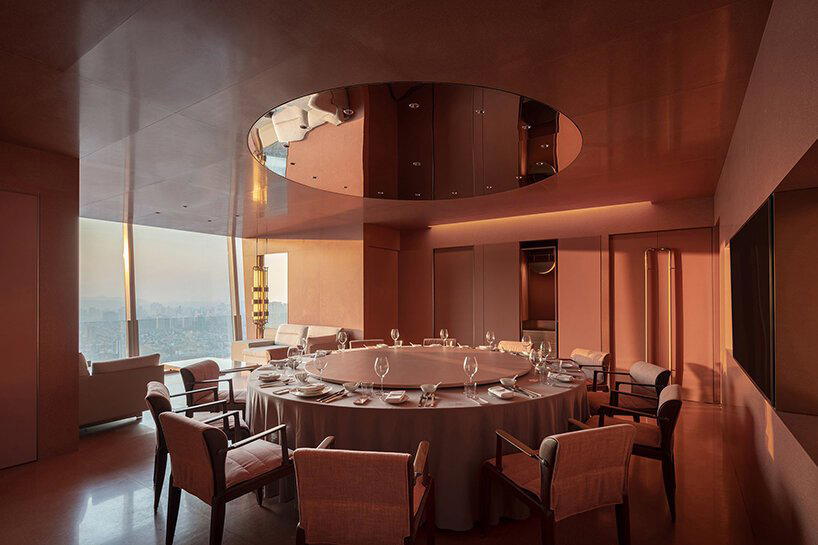
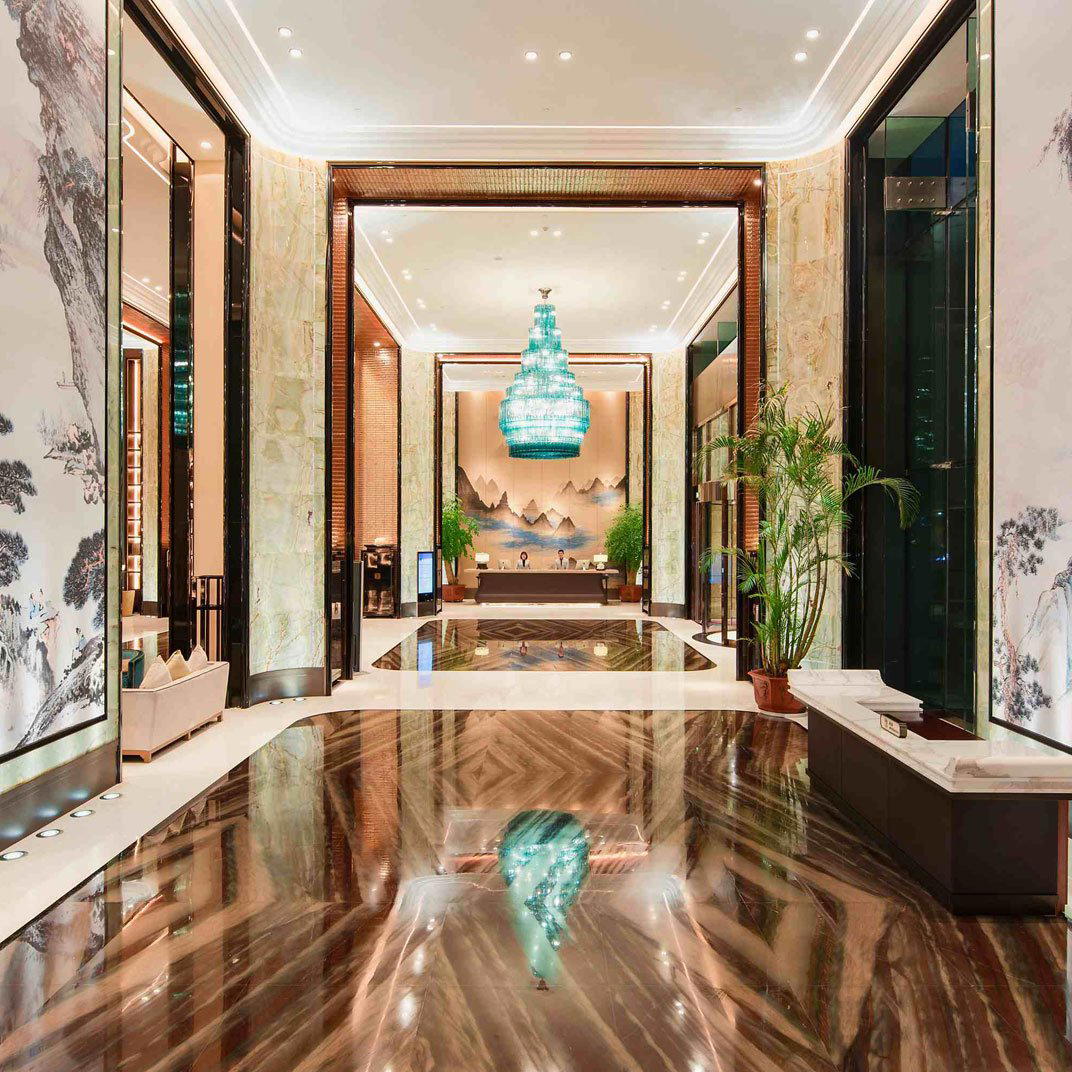
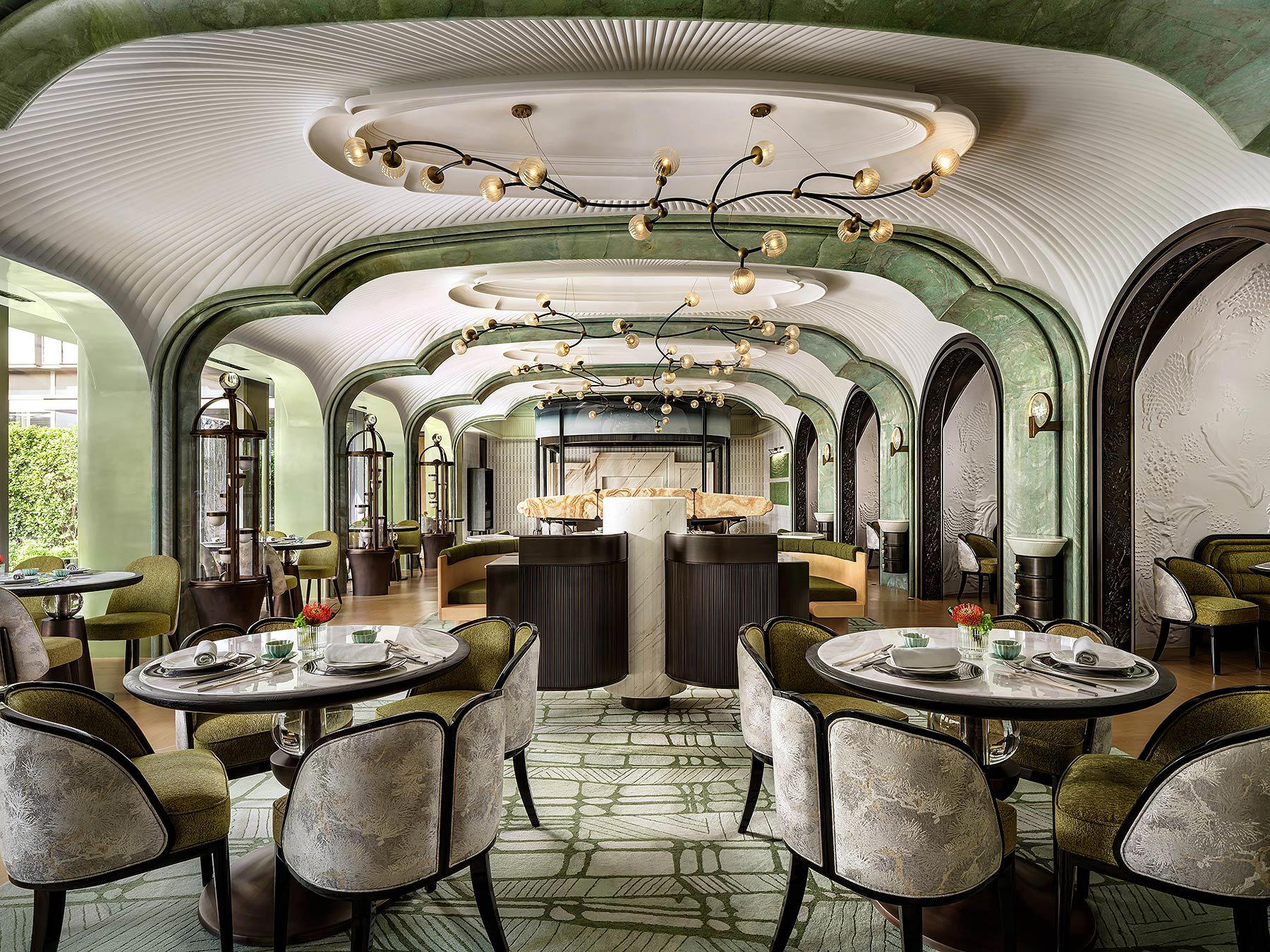
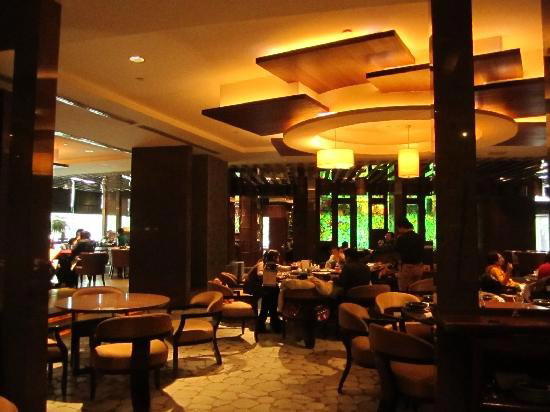
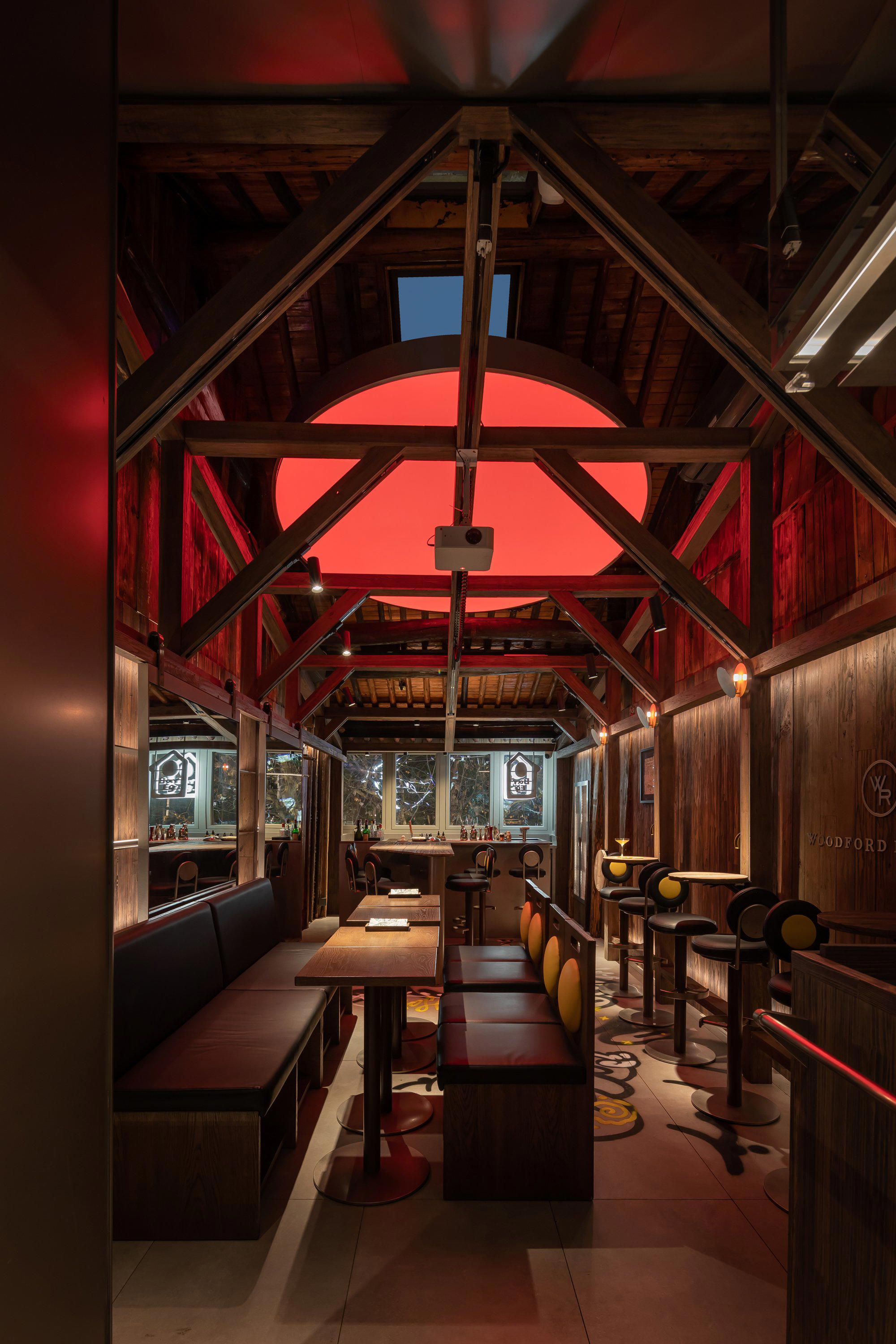
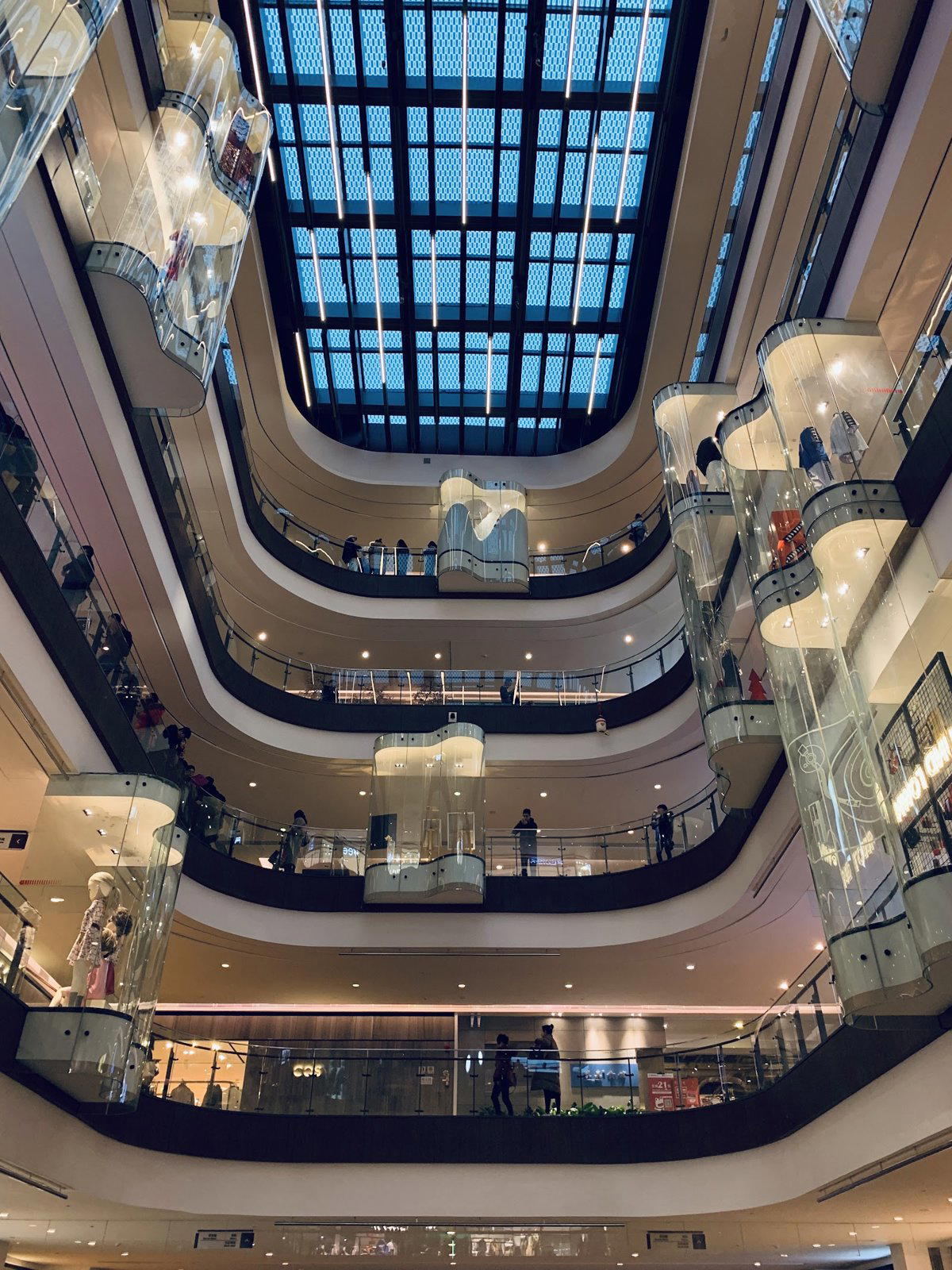
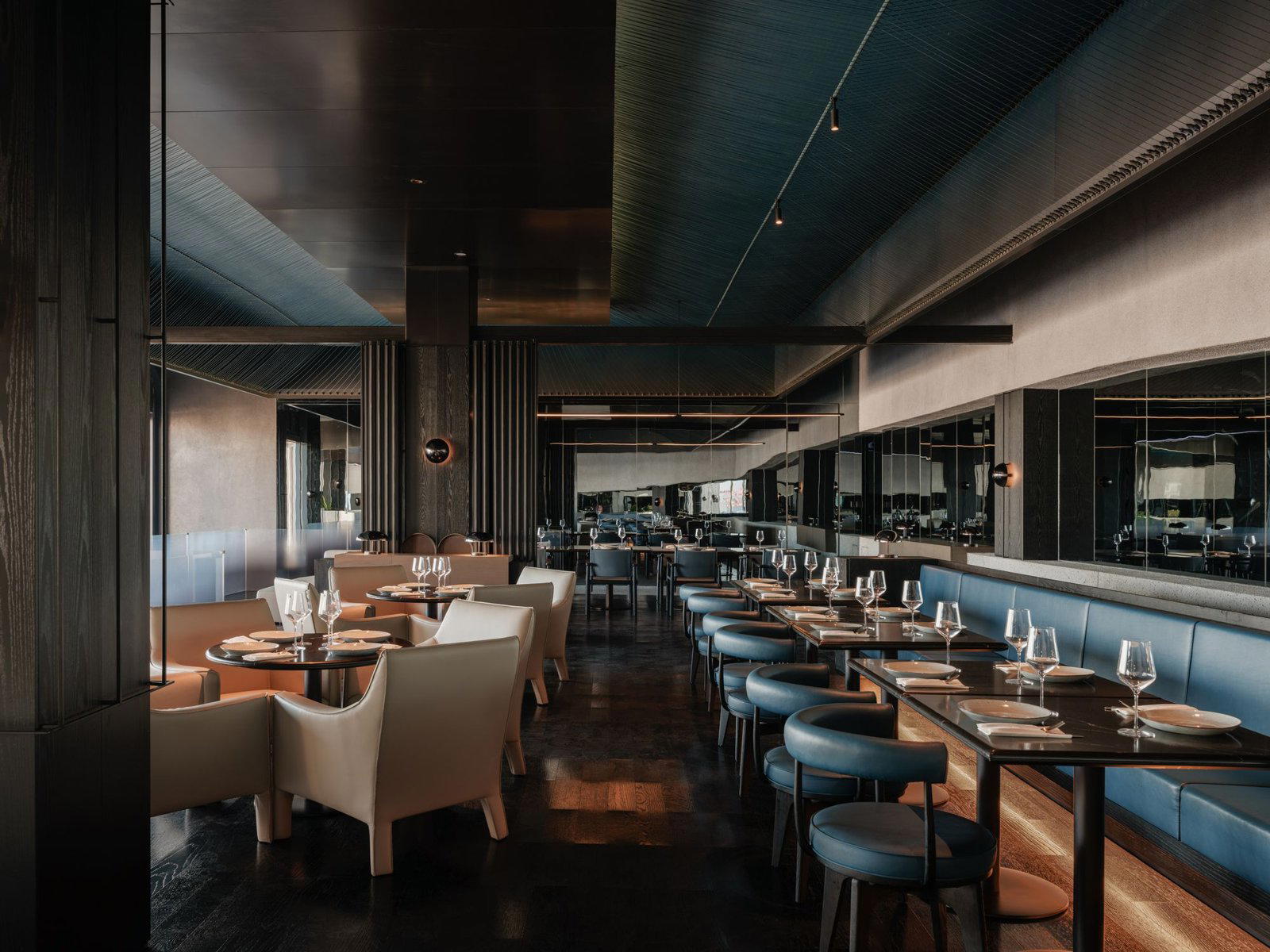
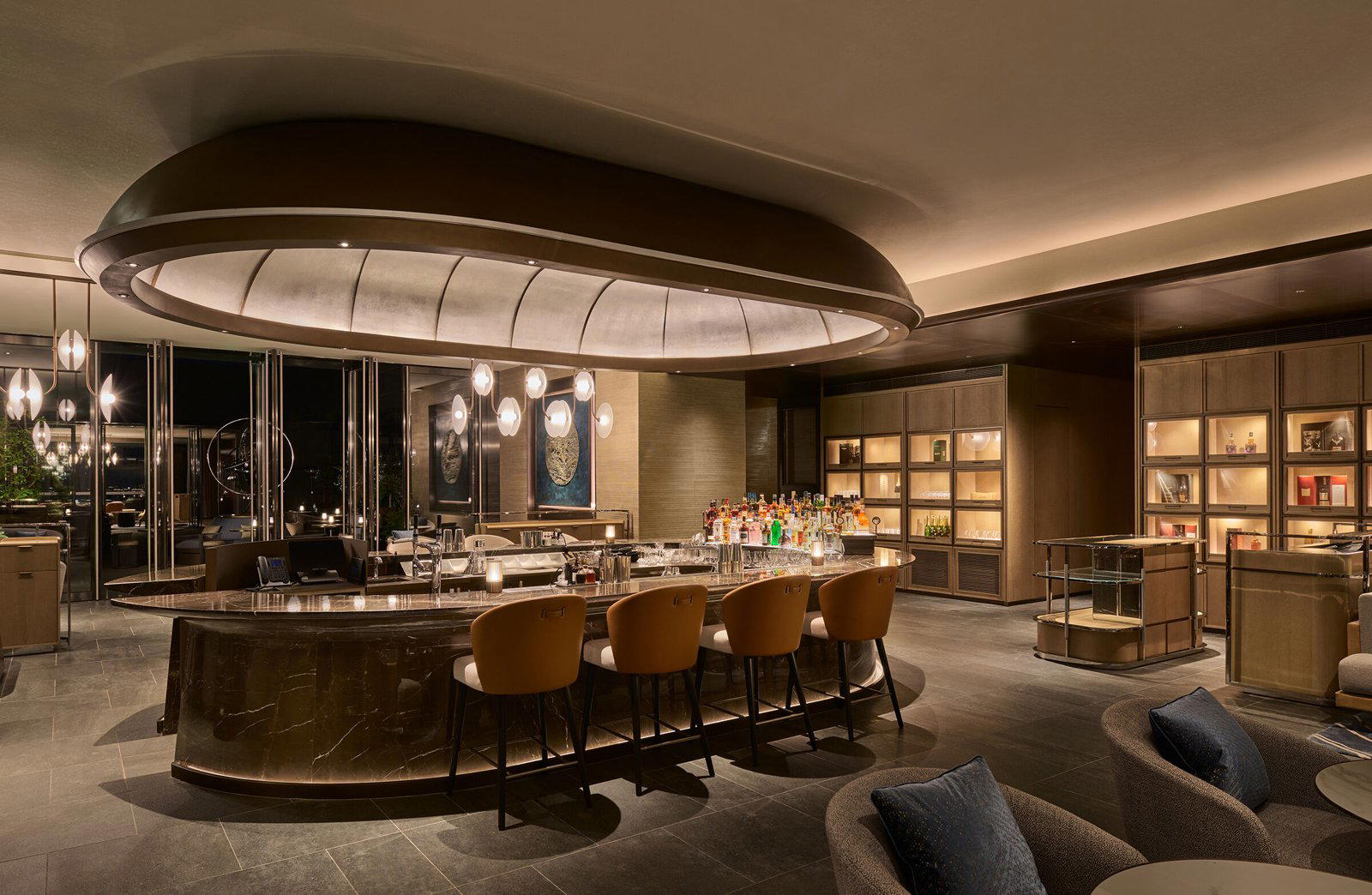
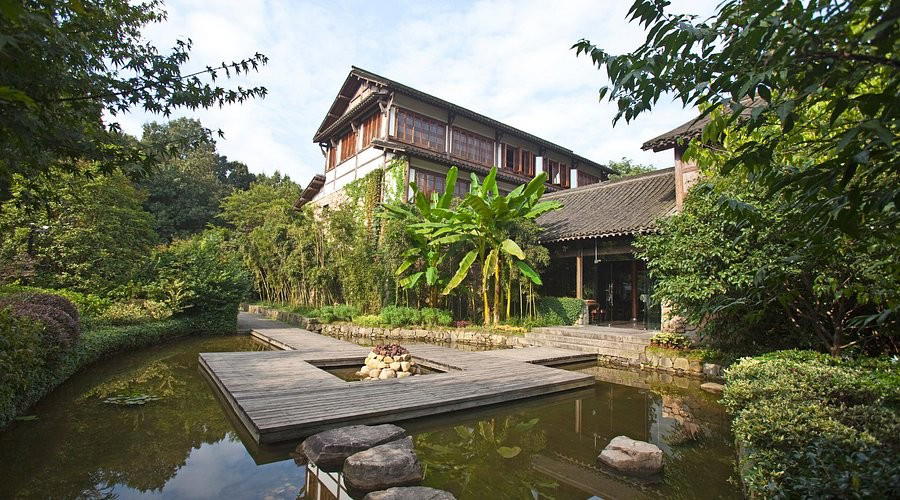
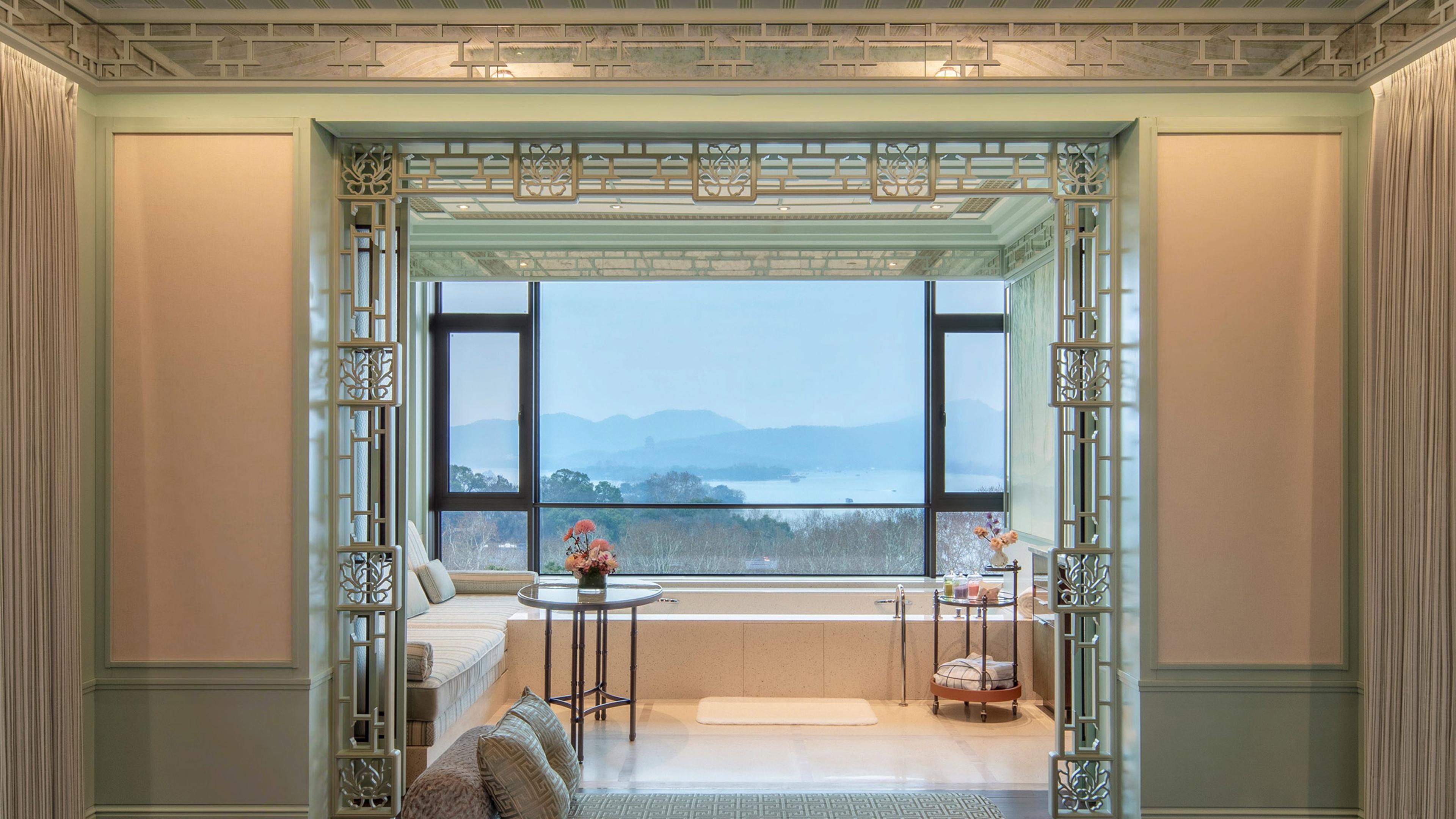
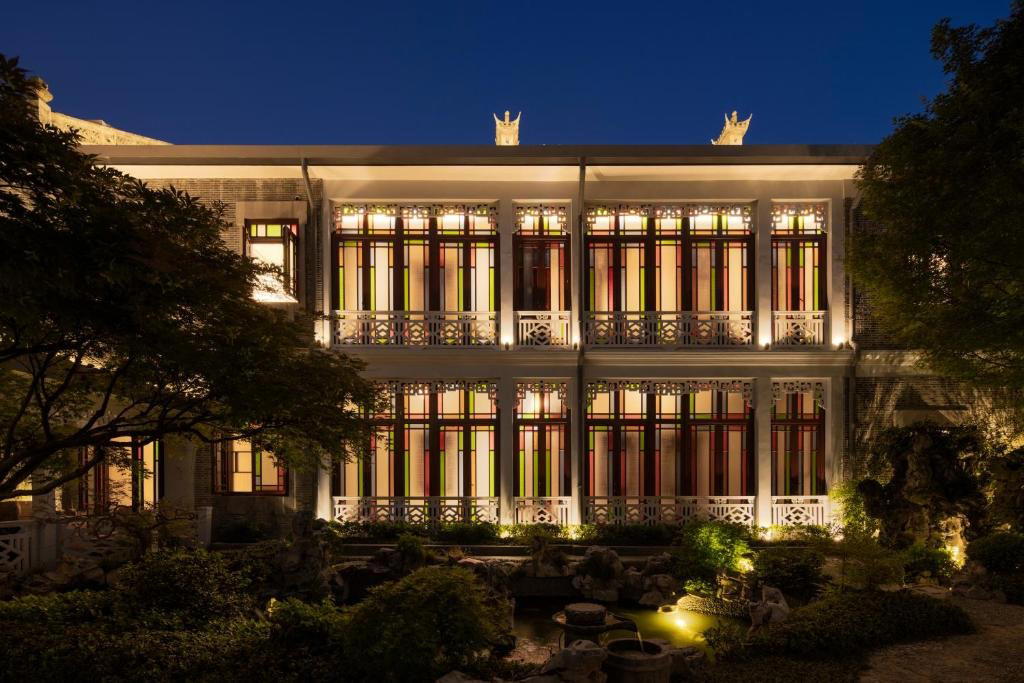
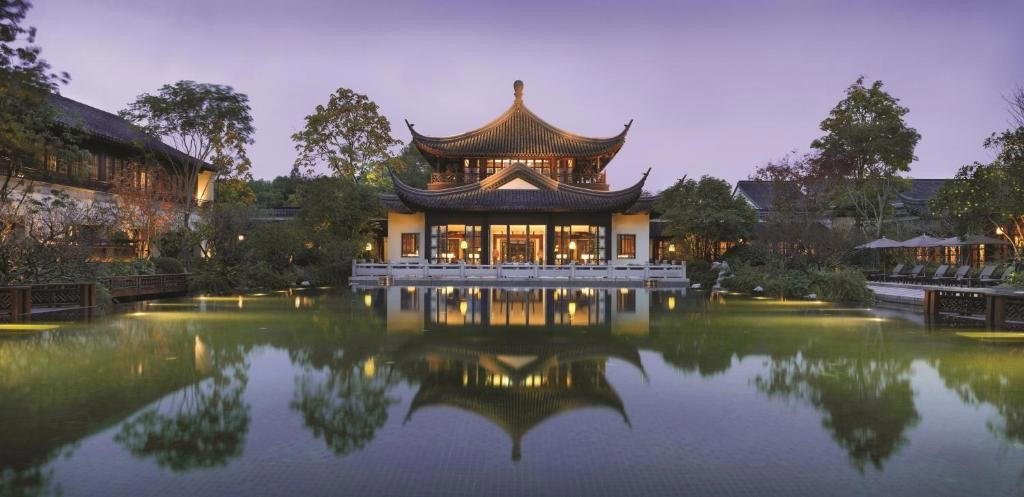
Sleek and elegant interior with earthy black tea aromas, osmanthus forest surroundings, and a serene, artistic atmosphere enhanced by Buddhist design elements and soft lighting.